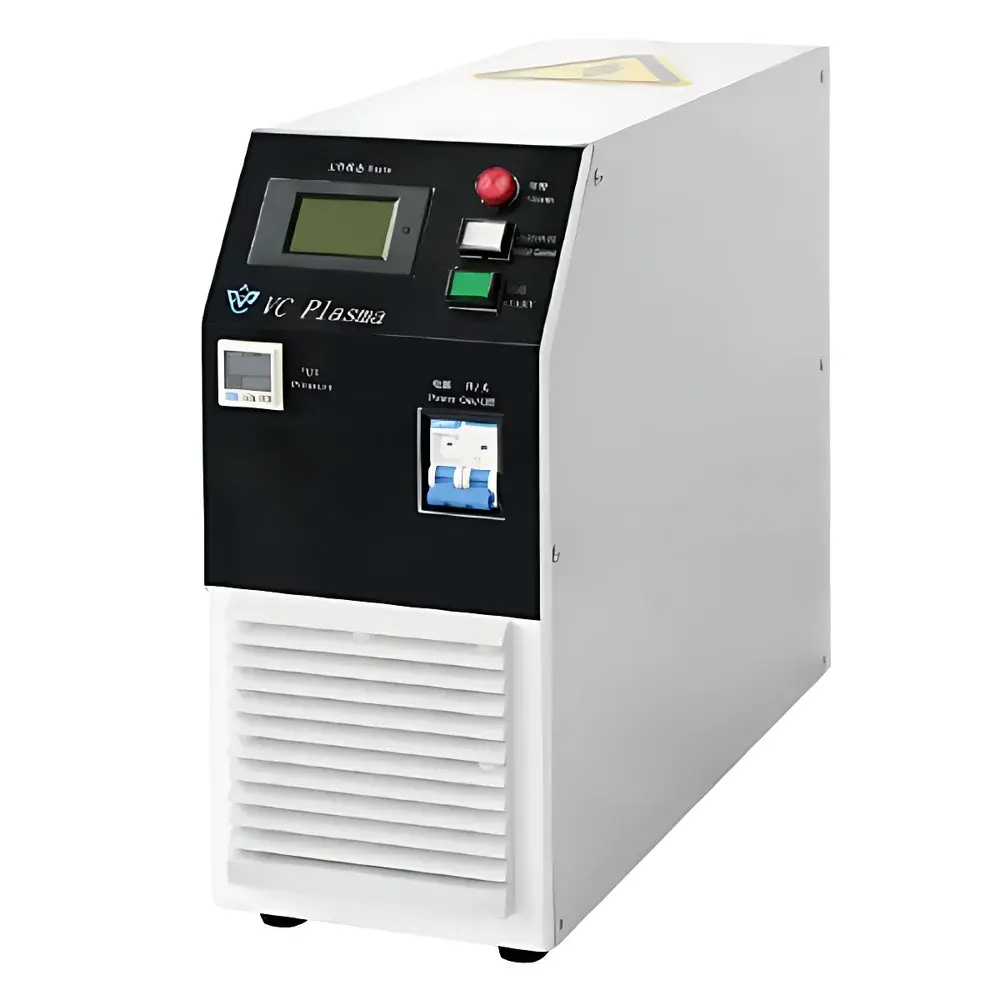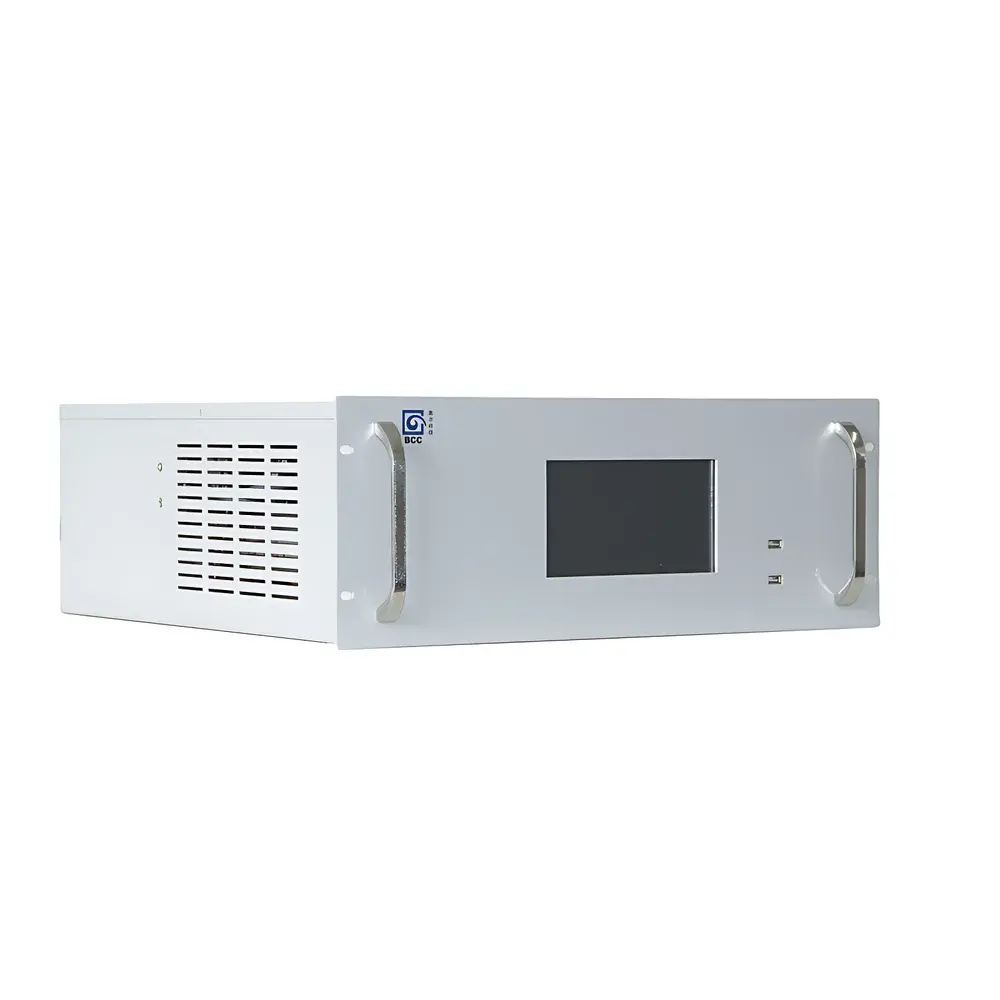
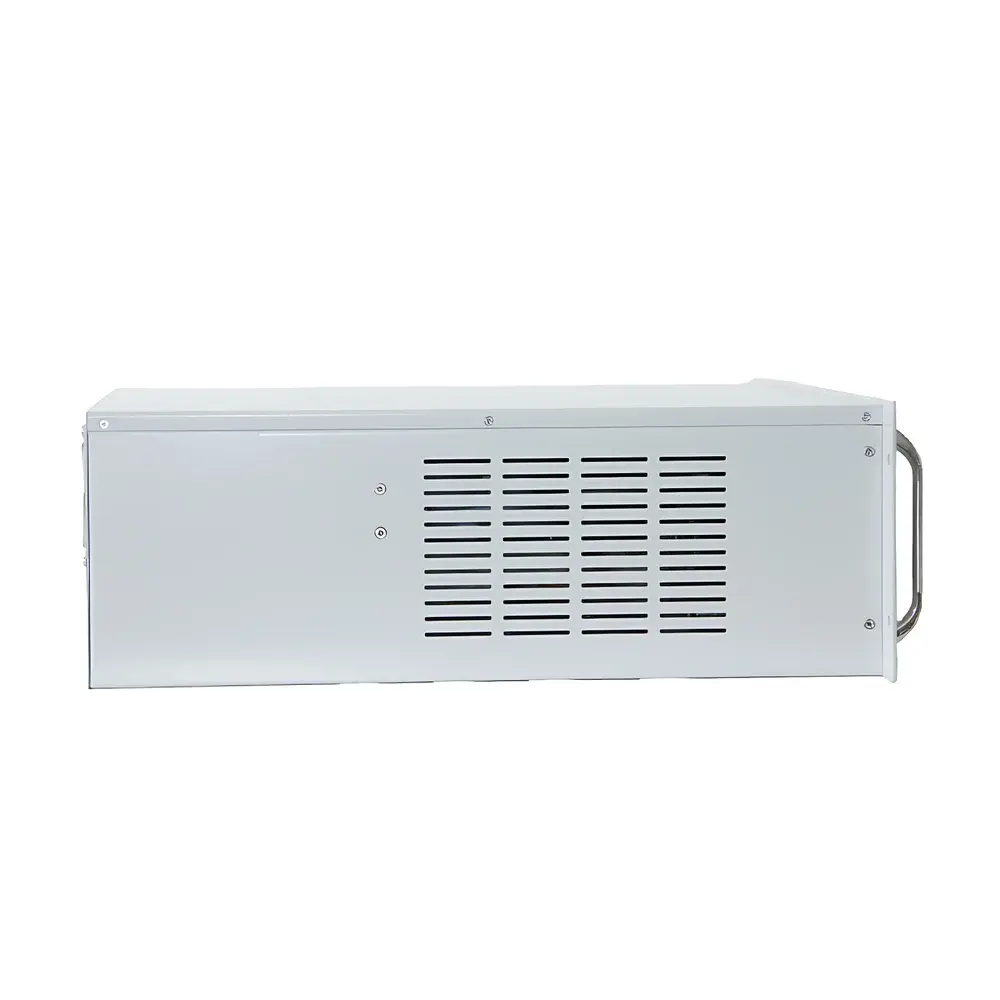
BCC MGA6000 High-Purity Oxygen Analyzer (Tunable Diode Laser Absorption Spectroscopy, TDLAS)
| Brand | BCC |
|---|---|
| Origin | Hebei, China |
| Model | MGA-6000 |
| Sensor Type | Tunable Diode Laser (TDLAS) |
| Measurement Range | 80/98–99.99% O₂ (user-selectable sub-ranges) |
| Accuracy | ±0.1% FS |
| Repeatability | ±0.01% FS |
| Stability | ±0.02% FS |
| Response Time | T₉₀ ≤ 15 s |
| Resolution | 0.01% O₂ |
| Sample Flow Rate | 400 ± 50 mL/min |
| Operating Temperature | −15 °C to +45 °C |
| Relative Humidity | ≤90% RH (non-condensing) |
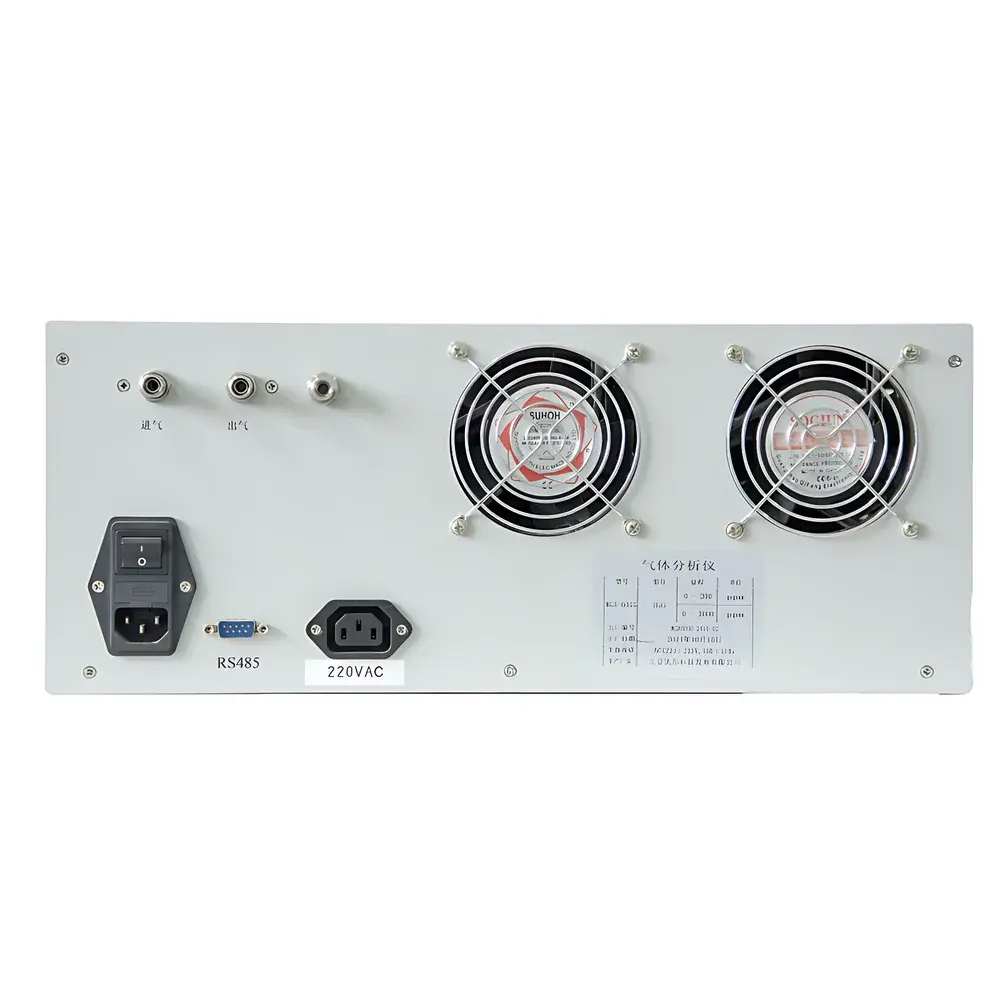
| Output Interfaces | 4–20 mA analog, RS232 / RS485 serial, USB, Ethernet (TCP/IP) |
Overview
The BCC MGA6000 is a high-purity oxygen analyzer engineered for continuous, real-time quantification of oxygen concentration in ultra-high-purity gas streams—specifically targeting applications where O₂ levels range from 80% or 98% up to 99.99% by volume. It employs Tunable Diode Laser Absorption Spectroscopy (TDLAS), a physics-based, non-contact optical measurement principle that leverages the unique near-infrared absorption signature of molecular oxygen at precisely defined wavelengths (e.g., ~760 nm). Unlike electrochemical or zirconia-based sensors, TDLAS eliminates drift from catalytic poisoning, sensor aging, or cross-sensitivity to moisture, CO₂, or hydrocarbons—making it inherently stable and maintenance-light over extended deployment cycles. The analyzer is designed for integration into critical industrial gas production lines (e.g., cryogenic air separation units), semiconductor bulk gas delivery systems, high-purity nitrogen or argon purging loops, and pharmaceutical inerting processes where trace-level O₂ contamination must be monitored with metrological rigor.
Key Features
- High-resolution detection capability with 0.01% O₂ resolution, enabling reliable discrimination between 99.98% and 99.99% purity grades.
- User-configurable measurement sub-ranges (e.g., 98–99.99%, 99.5–99.99%) optimized for signal-to-noise ratio and dynamic linearity within narrow high-concentration windows.
- Fast process response with T₉₀ ≤ 15 seconds—critical for closed-loop control of gas purification or blending systems.
- Robust optical architecture featuring temperature-stabilized distributed feedback (DFB) laser diodes and dual-beam referencing to compensate for window fouling, pressure fluctuations, and thermal lensing effects.
- Compact, lightweight enclosure (IP65-rated) suitable for panel mounting or direct pipeline installation in space-constrained utility corridors or cleanroom support areas.
- Integrated flow regulation ensures consistent 400 ± 50 mL/min sample draw—compatible with standard 6 mm OD stainless steel or PFA sample lines and optional particulate/moisture filtration modules.
Sample Compatibility & Compliance
The MGA6000 is validated for use with dry, particle-free gaseous samples including nitrogen, argon, helium, hydrogen, and synthetic air mixtures. It is not intended for corrosive, condensable, or high-particulate streams without upstream conditioning (e.g., coalescing filters, refrigerated dryers). While not certified to IEC 61508 SIL or ATEX directives out-of-the-box, its hardware design adheres to electromagnetic compatibility (EMC) requirements per IEC 61326-1 and environmental stress testing aligned with IEC 60068-2 series. For regulated industries, the analyzer supports audit-ready data logging compliant with 21 CFR Part 11 when paired with validated software platforms—enabling electronic signatures, user access controls, and immutable event history for GLP/GMP environments.
Software & Data Management
Embedded firmware provides local configuration via front-panel keypad and LCD, while full remote operation is enabled through industry-standard protocols. The device natively outputs linear 4–20 mA signals proportional to O₂ concentration, alongside digital telemetry via RS232/RS485 (Modbus RTU), USB virtual COM port, and Ethernet (Modbus TCP or custom HTTP API). Optional PC-based configuration software allows calibration verification, span adjustment using certified reference gases, and export of timestamped CSV logs. All stored data include metadata such as ambient temperature, laser drive current, detector signal amplitude, and diagnostic flags—facilitating root-cause analysis during QA investigations or regulatory audits.
Applications
- Monitoring final product purity in on-site oxygen generators and membrane-based O₂ concentrators.
- Verifying inert atmosphere integrity during vacuum furnace annealing, aluminum heat treatment, and lithium battery electrode drying.
- Controlling catalytic deoxo units in high-purity nitrogen supply networks for electronics manufacturing.
- Ensuring compliance with ISO 8573-1 Class 1 or SEMI F57 specifications for bulk specialty gases.
- Supporting quality release testing in medical oxygen production per USP and EP 2.5.27.
FAQ
Does the MGA6000 require periodic zero/span calibration?
Yes—while TDLAS exhibits superior long-term stability versus electrochemical sensors, NIST-traceable span verification using certified O₂-in-N₂ reference gases (e.g., 99.95% and 99.99%) is recommended every 3–6 months depending on operating conditions and quality system requirements.
Can it measure oxygen in humid or high-CO₂ gas streams?
Direct measurement is not advised without sample conditioning; water vapor and CO₂ may cause spectral interference or condensation on optical windows. Integration with a chilled mirror dew point monitor and CO₂ scrubber is strongly recommended for such applications.
Is the analyzer compatible with DCS/SCADA systems?
Yes—via native 4–20 mA output and Modbus RTU/TCP protocols, the MGA6000 interfaces seamlessly with Emerson DeltaV, Honeywell Experion, Siemens Desigo, and most major industrial automation platforms.
What is the minimum detectable change in O₂ concentration?
With 0.01% resolution and ±0.01% FS repeatability, the analyzer reliably resolves concentration differences ≥0.02% O₂ under stable flow and temperature conditions.
Does it support HART communication?
No—HART is not implemented; however, the 4–20 mA output carries live concentration data with optional digital superimposed diagnostics via Modbus over the same wiring infrastructure.
Related Products