TSE Systems Dust Aerosols Exposure System
| Brand | TSE Systems |
|---|---|
| Origin | Germany |
| Model | Dust Aerosols |
| Type | Inhalation Exposure Chamber for Dry Powder Aerosol Generation |
| Application Domain | Preclinical Inhalation Toxicology, Respiratory Pharmacology, and Particle Deposition Studies |
Overview
The TSE Systems Dust Aerosols Exposure System is a modular, research-grade dry powder aerosol generation and inhalation exposure platform engineered for reproducible, physiologically relevant delivery of particulate matter to laboratory animals under controlled environmental conditions. It operates on the principle of mechanical dispersion—leveraging calibrated shear, pneumatic entrainment, and gravitational sedimentation—to generate stable, monodisperse or polydisperse aerosol clouds from solid powders, fibrous materials, or compressed dust cakes. Designed specifically for regulatory-compliant preclinical inhalation studies, the system supports both head-only and whole-body exposure configurations and integrates seamlessly with standard rodent or non-rodent exposure chambers. Its architecture adheres to OECD Test Guideline 412 (Subacute Inhalation Toxicity) and aligns with ISO 10993-12 (Biological Evaluation of Medical Devices — Sample Preparation and Reference Materials) for aerosol characterization.
Key Features
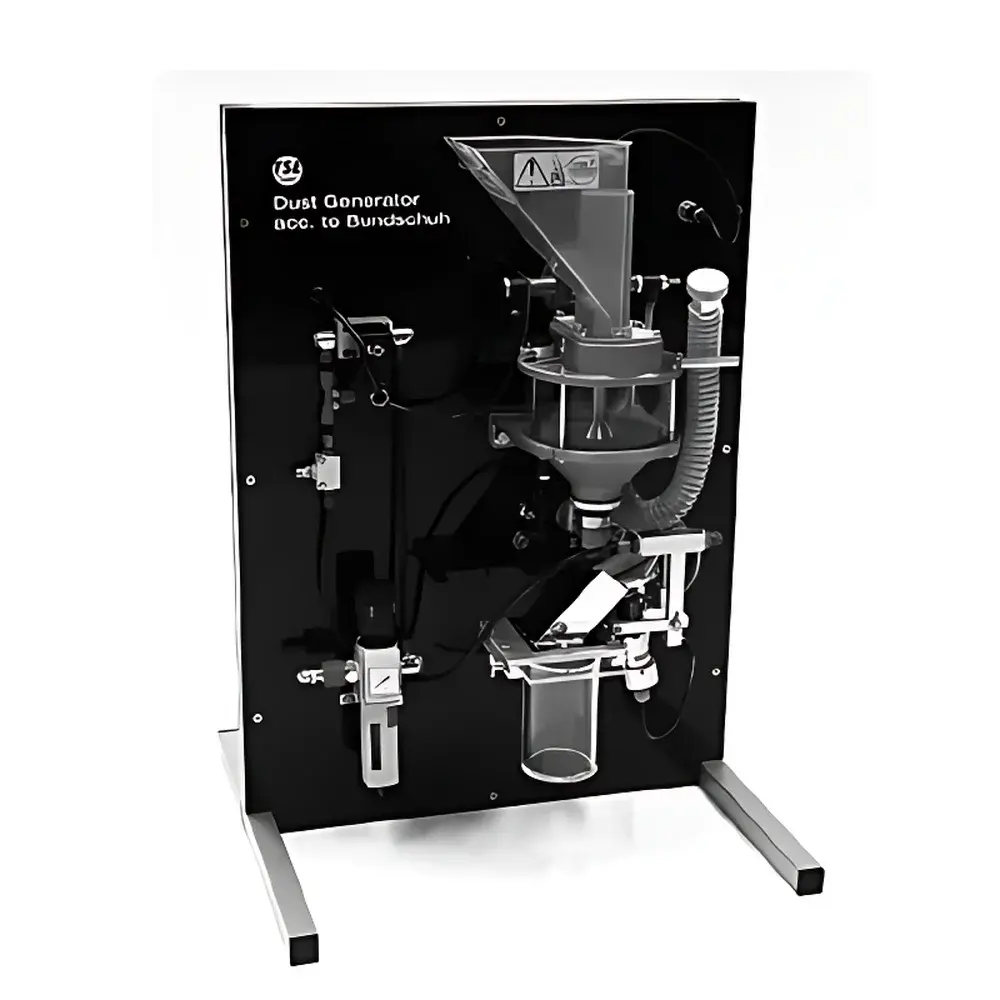
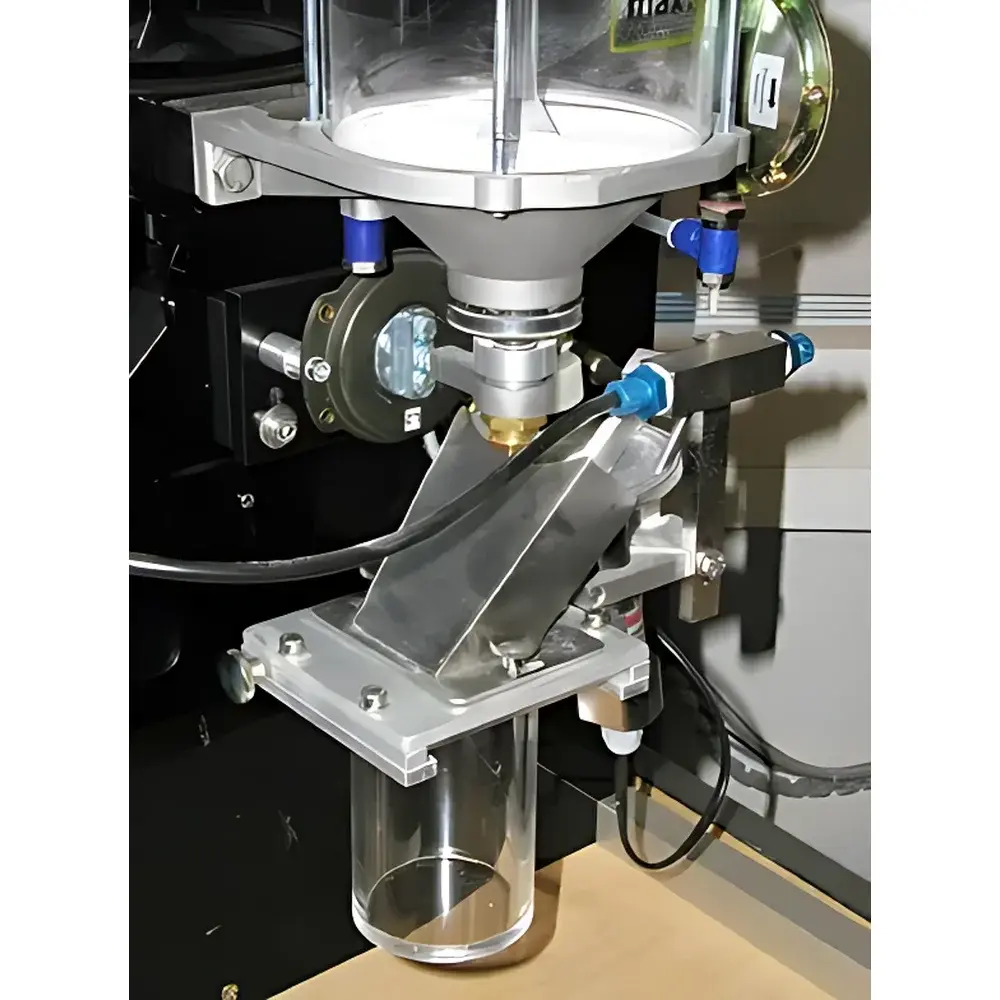
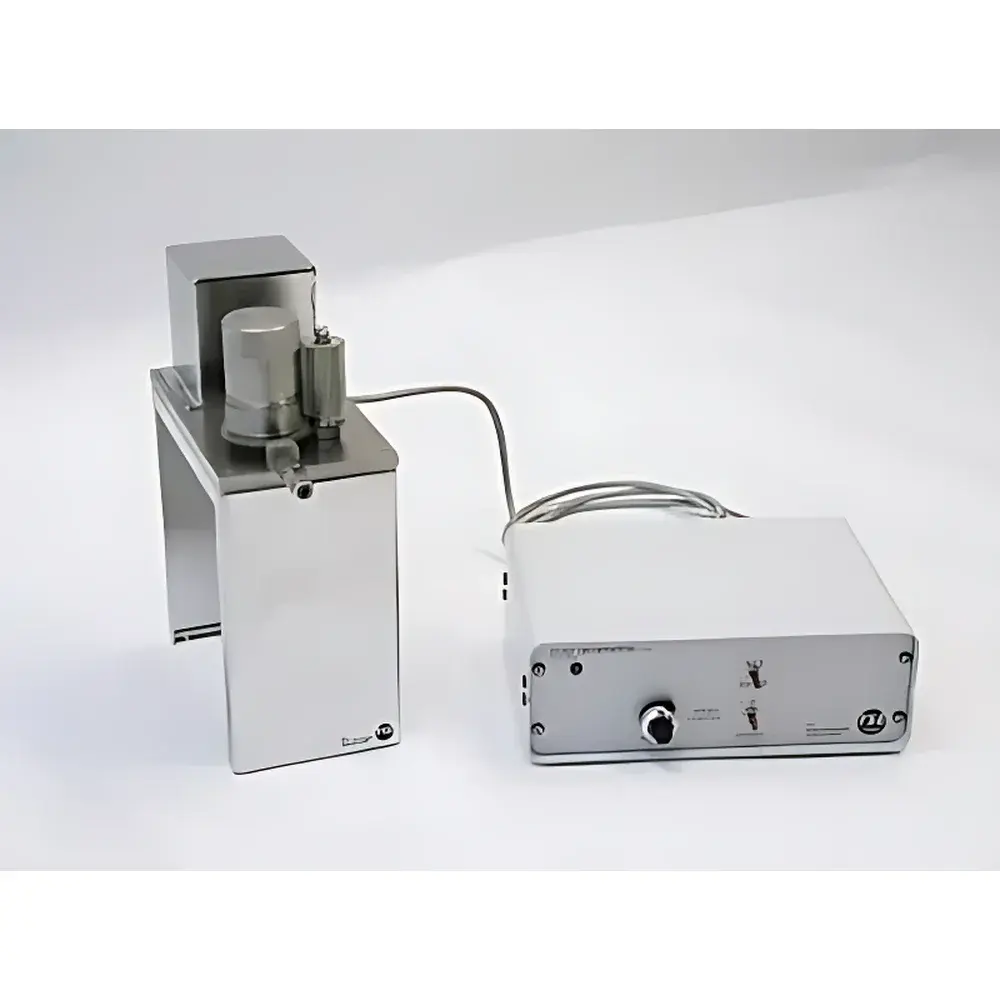
- Modular generator architecture: Three core aerosol generators—Bundschuh (high-concentration, loose/fibrous powders), Budiman (mid-range concentration, fine particulate control), and Wright (low-dose, precision delivery)—enable application-specific selection based on particle size distribution, mass concentration, and aerodynamic behavior.
- Real-time feedback control: Integrated optical or laser photometric sensors provide continuous aerosol concentration monitoring; closed-loop regulation via DACO Inhalation Software enables dynamic adjustment of feed rate, carrier gas flow, and dispersion energy to maintain target exposure levels (±5% CV over 6-hr exposures).
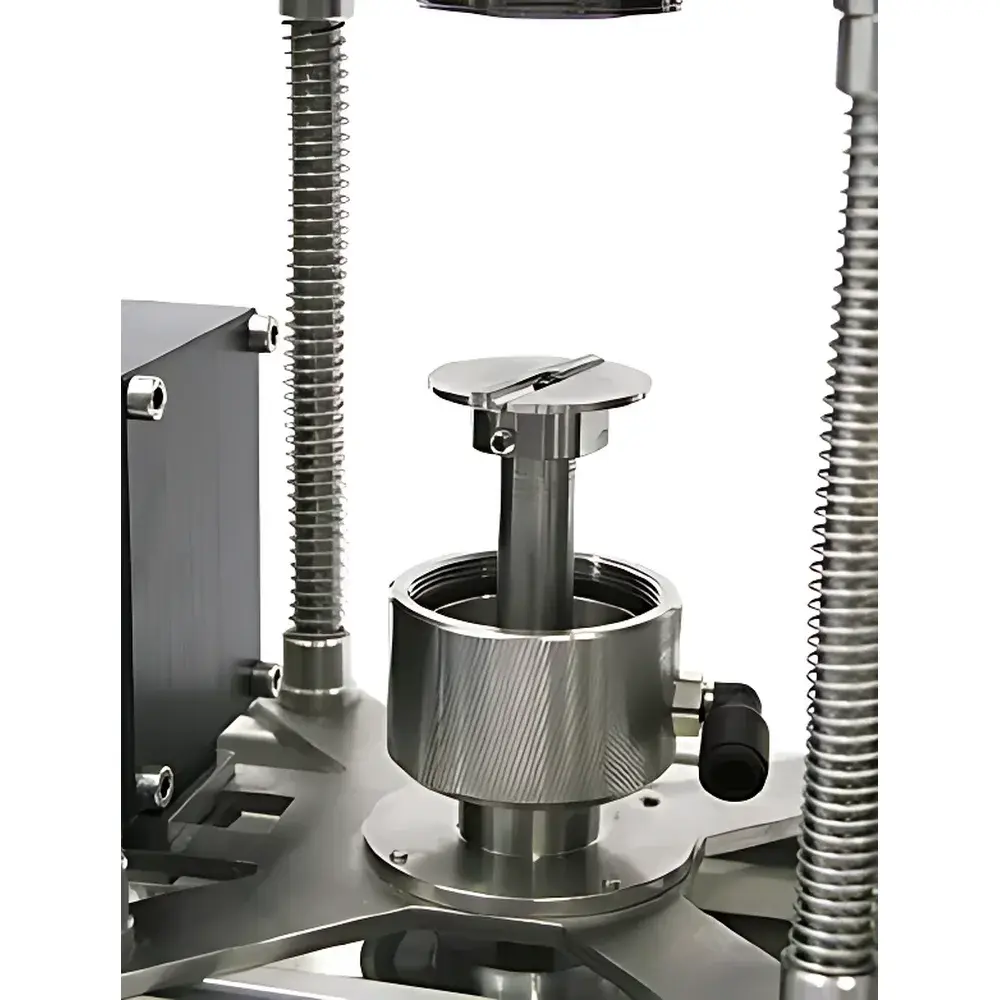
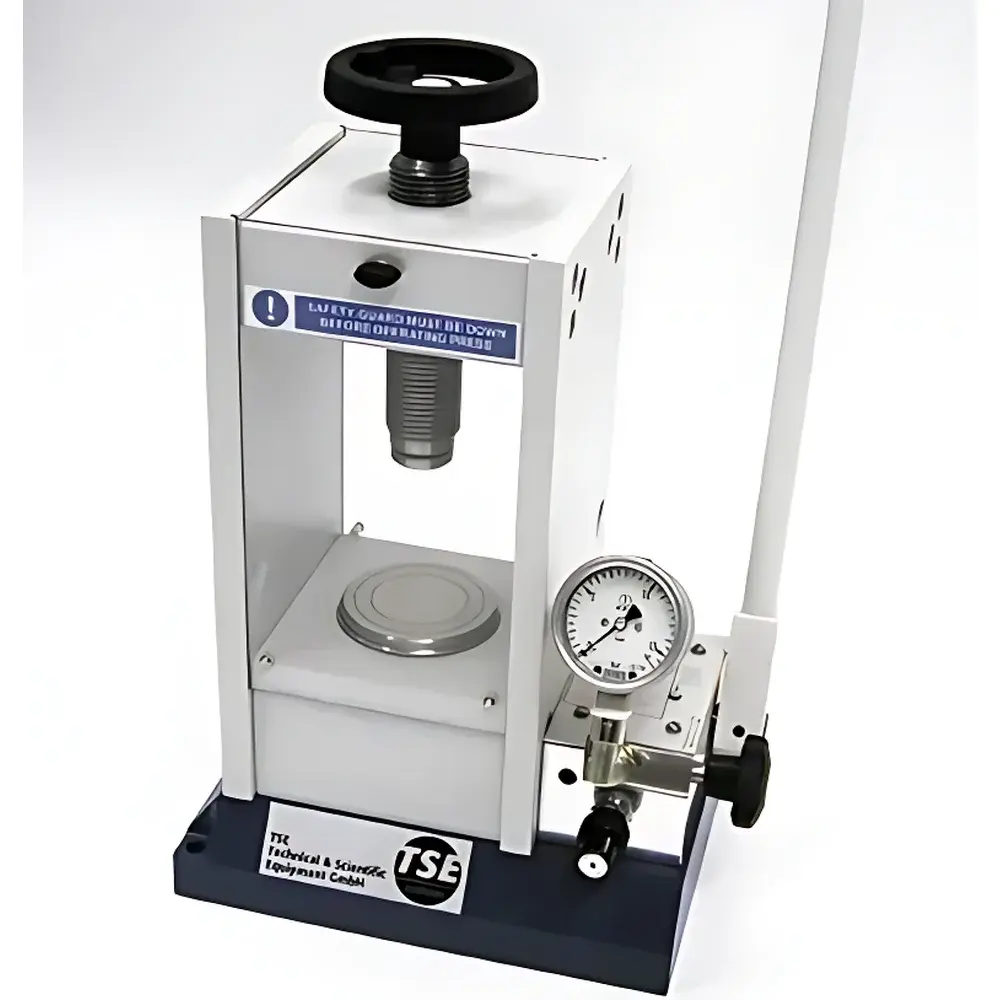
- Consistent dust cake preparation: Manual hydraulic press with integrated pressure gauge ensures standardized compaction force (0–10 kN adjustable) for reproducible cake density and subsequent aerosol release kinetics—critical for GLP-compliant study replication.
- Flexible integration capability: Retrofit kits allow direct coupling with existing exposure chambers (e.g., Glas-Col, CH Technologies, or custom-built systems), preserving infrastructure investment while upgrading aerosol generation fidelity.
- Dust conditioning module (optional): Equipped with motorized stirrer and conditioned air ventilation, the Bundschuh generator maintains constant powder fluidity and electrostatic charge dissipation—minimizing agglomeration and improving aerosol stability across humidity ranges (20–70% RH).
Sample Compatibility & Compliance
The system accommodates a broad spectrum of test materials including pharmaceutical dry powders (e.g., lactose blends, API micronized suspensions), industrial minerals (e.g., silica, titanium dioxide), nanomaterials (e.g., carbon nanotubes, metal oxides), and bioaerosol surrogates (e.g., spray-dried bacteria, fungal spore analogues). All generators are constructed from electropolished stainless steel (AISI 316L) and PTFE-lined components to prevent adsorption, cross-contamination, and chemical degradation. The platform supports full audit trail generation per FDA 21 CFR Part 11 requirements when used with DACO software’s electronic signature and user access control modules. Validation documentation—including IQ/OQ protocols, aerosol output repeatability reports (n ≥ 3 per batch), and particle size distribution (PSD) verification via cascade impactor (Andersen or Next Generation Impactor) —is provided upon request.
Software & Data Management
DACO Inhalation Software serves as the central operational interface, supporting method-driven exposure scheduling, multi-parameter logging (aerosol concentration, chamber temperature/humidity, airflow, pressure differentials), and automated report generation in PDF/CSV formats. Raw sensor data is timestamped at 100 Hz resolution and archived in encrypted SQLite databases compliant with ALCOA+ principles (Attributable, Legible, Contemporaneous, Original, Accurate, Complete, Consistent, Enduring, Available). Optional add-ons include remote monitoring via secure HTTPS API, integration with LIMS (e.g., LabVantage, STARLIMS), and PSD post-processing using MMAD/GSD calculation algorithms aligned with USP and EP 2.9.18.
Applications
- Regulatory toxicology: 28-/90-day subchronic inhalation studies in rats, mice, and guinea pigs per OECD TG 412 and EPA OPPTS 870.3465.
- Inhalation pharmacokinetics: Pulmonary deposition modeling and systemic absorption profiling of inhaled therapeutics (e.g., corticosteroids, bronchodilators).
- Nanotoxicology: Dose-response assessment of engineered nanomaterials with defined primary particle size and surface functionalization.
- Respiratory disease modeling: Chronic exposure to crystalline silica or coal dust to induce pulmonary fibrosis or emphysema phenotypes.
- Medical device evaluation: Biocompatibility testing of inhaler components and dry powder inhaler (DPI) formulations under simulated use conditions.
FAQ
What particle size range can the Dust Aerosols system generate?
The system produces aerosols with mass median aerodynamic diameters (MMAD) ranging from 0.5 µm to 15 µm, depending on generator selection, powder properties, and carrier gas velocity—verified by cascade impactor analysis.
Is the system compatible with nose-only exposure setups for conscious rodents?
Yes—modular adapters and tapered inlet manifolds enable precise alignment with standard rodent restraint tubes; flow distribution uniformity across ports is validated per ISO 10993-12 Annex C.
Can aerosol concentration be maintained constant over extended exposure durations (e.g., 6 hours)?
With closed-loop feedback control and real-time photometric monitoring, concentration stability of ±5% CV is routinely achieved across multi-hour exposures, subject to powder feed consistency and environmental stability.
Does TSE Systems provide validation support for GLP studies?
Yes—comprehensive IQ/OQ documentation, calibration certificates traceable to NIST standards, and protocol templates for aerosol characterization are included; PQ support is available upon project engagement.
Are replacement parts and consumables supplied directly by TSE Systems?
All critical wear components—including dispersion nozzles, feed screws, and optical sensor windows—are manufactured in-house in Germany and distributed globally through authorized technical service partners.