
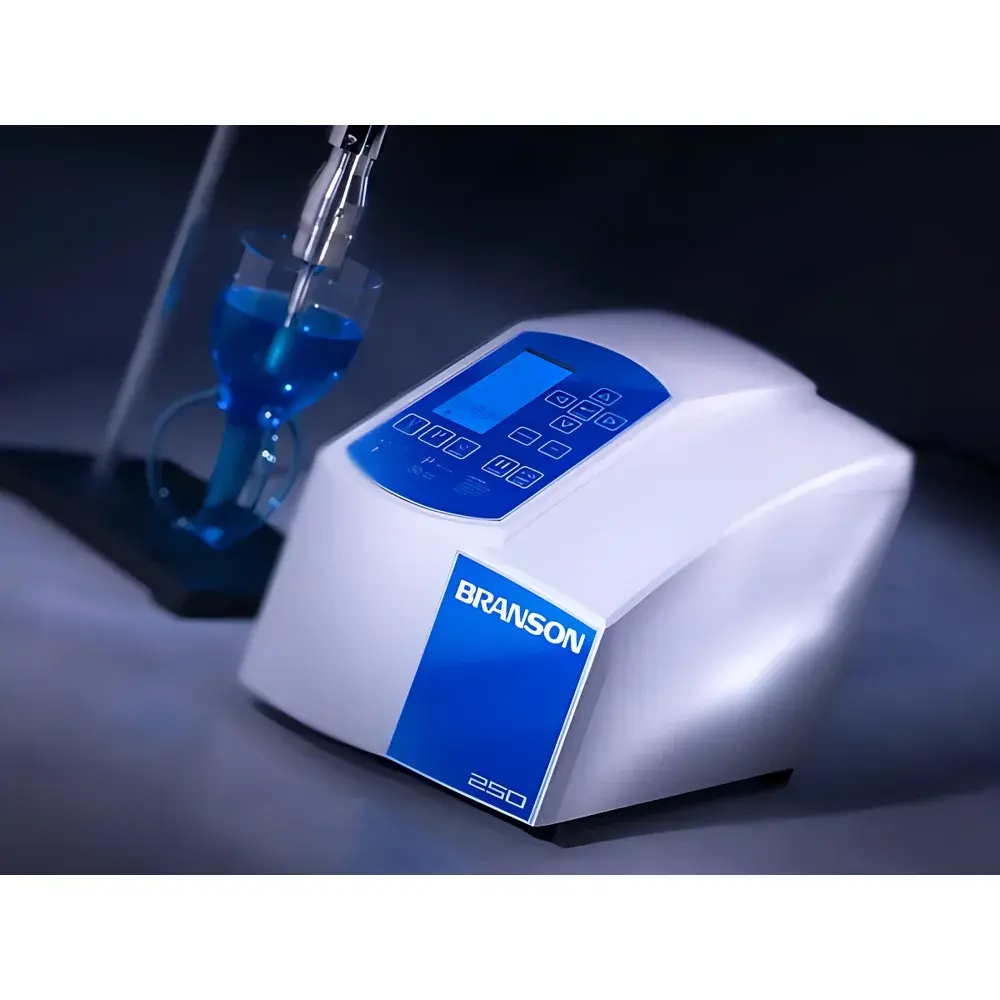
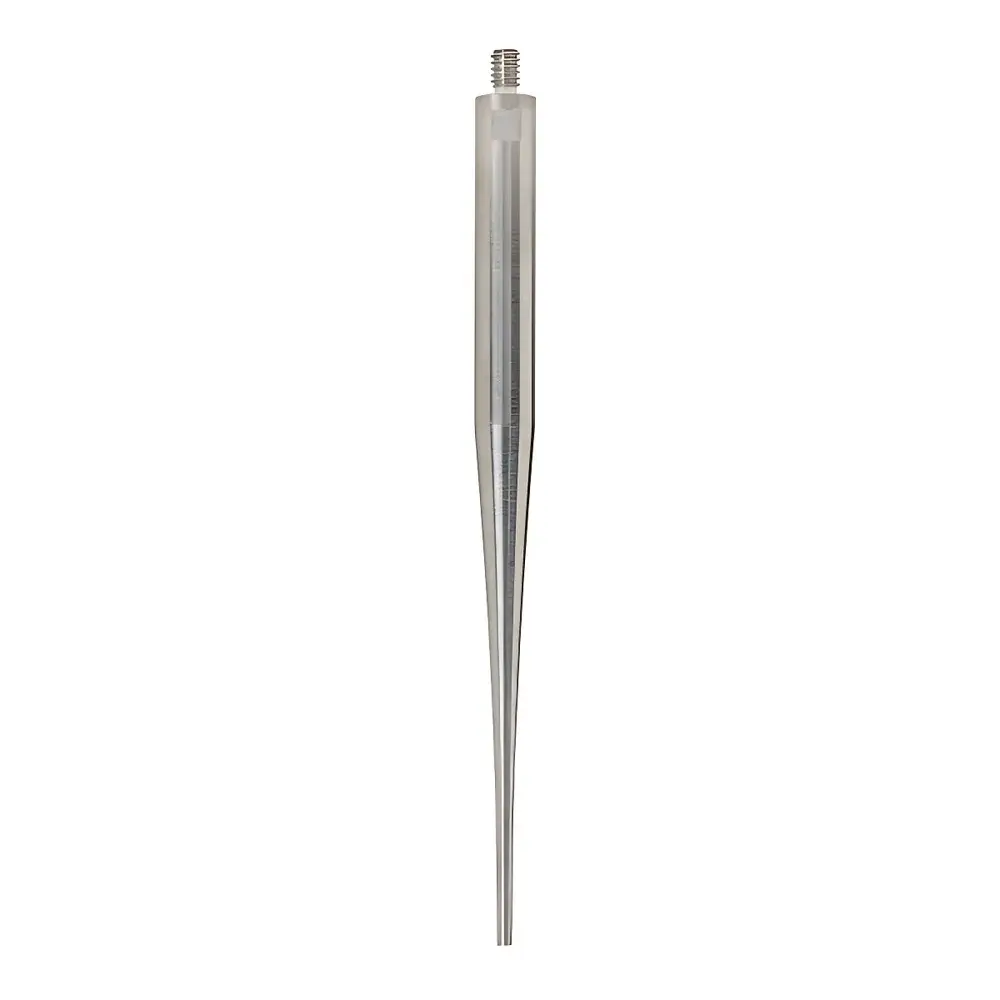
Branson Sonifier SFX250 Ultrasonic Cell Disruptor
| Brand | Branson |
|---|---|
| Origin | Mexico |
| Manufacturer Type | Authorized Distributor |
| Import Status | Imported |
| Model | SFX250 |
| Instrument Type | Ultrasonic Cell Disruptor |
| Ultrasonic Output Power | 250 W |
| Operating Frequency | 20 kHz |
| Sample Temperature Range | 0–100 °C |
| Sample Volume Capacity | 200 µL – 500 mL |
| Throughput | Single-sample processing per cycle |
Overview
The Branson Sonifier® SFX250 is a precision-engineered ultrasonic cell disruptor designed for reproducible, controllable lysis of biological samples in research and quality control laboratories. Based on piezoelectric transduction at a fixed resonant frequency of 20 kHz, the system generates high-intensity acoustic cavitation in liquid media—inducing localized shear forces, microstreaming, and transient hotspots that mechanically disrupt cellular membranes, organelles, and inclusion bodies without chemical or thermal denaturation. Unlike rotor-stator homogenizers or bead-beating systems, ultrasonic disruption delivers superior control over energy input and minimal cross-contamination risk, making it ideal for sensitive applications including protein extraction, nucleic acid isolation, nanoparticle dispersion, and subcellular fractionation. The SFX250 integrates a high-efficiency vertical-mount transducer with titanium alloy probe technology to maximize electroacoustic conversion efficiency (>92%) while minimizing self-heating—eliminating the need for external coolant circulation during standard operation.
Key Features
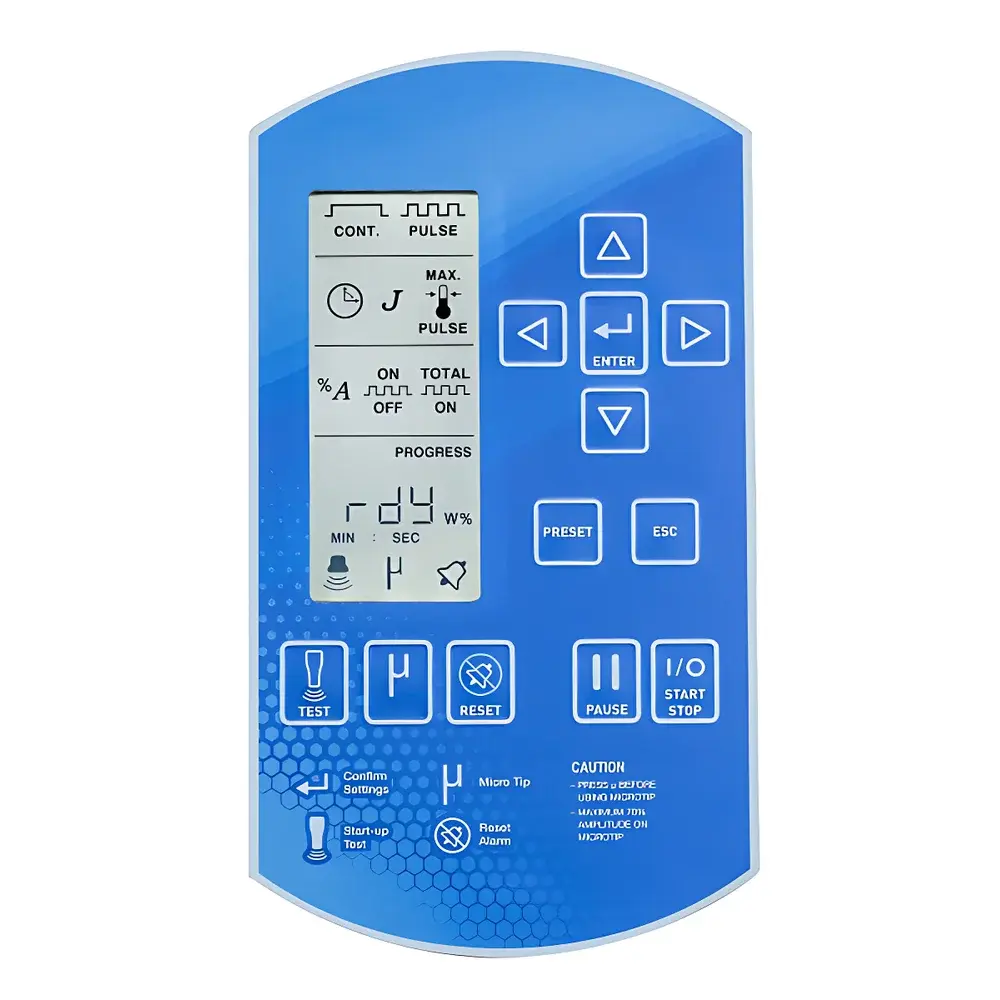
- Digital microprocessor-controlled ultrasonic output with real-time feedback on delivered power (W), cumulative energy (J), and elapsed time (s)
- Three operational modes: Time Mode (0.01 s – 99 h 59 min 59 s), Energy Mode (1–999,999 J), and Temperature-Controlled Mode (0–100 °C, requires optional temperature probe)
- Adjustable amplitude from 10% to 100% in 1% increments for fine-tuned energy delivery across sample viscosities and volumes
- 20 programmable method storage slots supporting full parameter recall—including amplitude, mode, duration, pulse duty cycle, and temperature setpoint
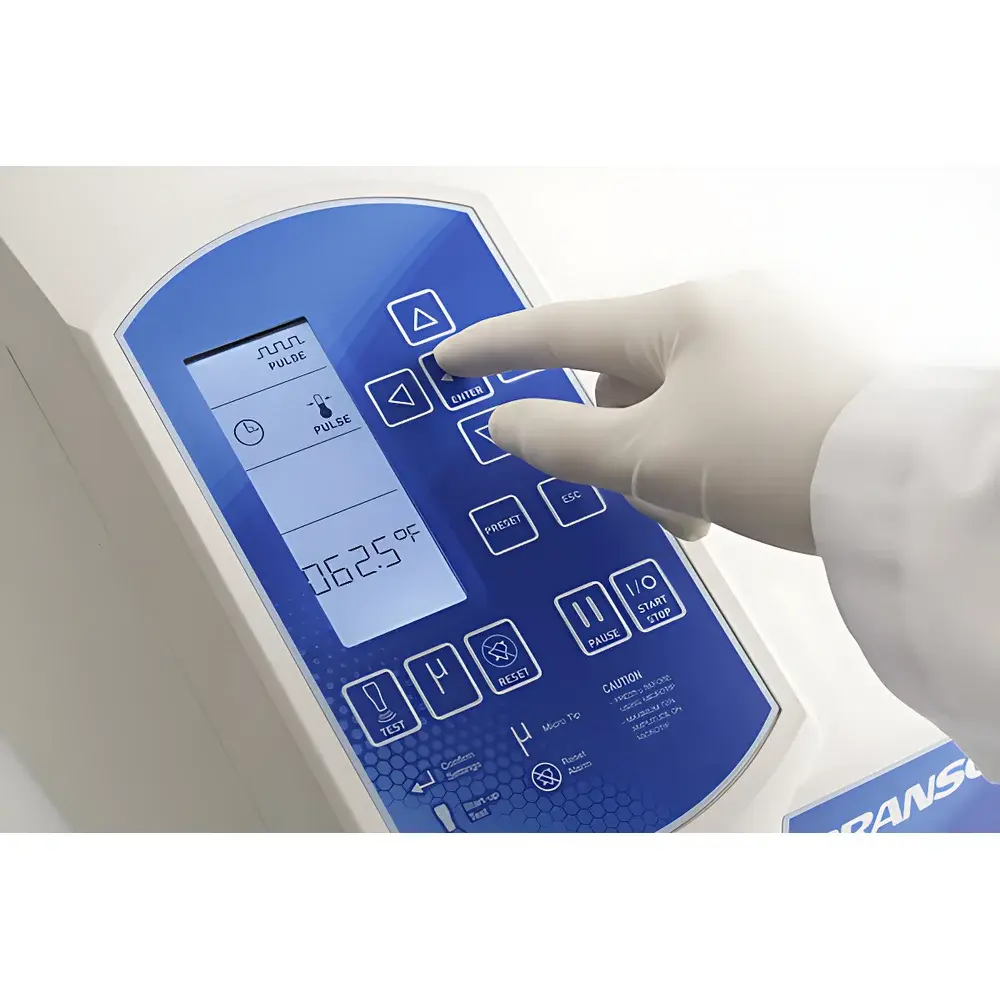
- Intuitive front-panel interface with backlit LCD display and tactile membrane keys enabling “what-you-see-is-what-you-get” operation
- Micro-tip amplitude limiting function to reduce mechanical stress on small-diameter probes (e.g., 3 mm, 6 mm) and extend service life
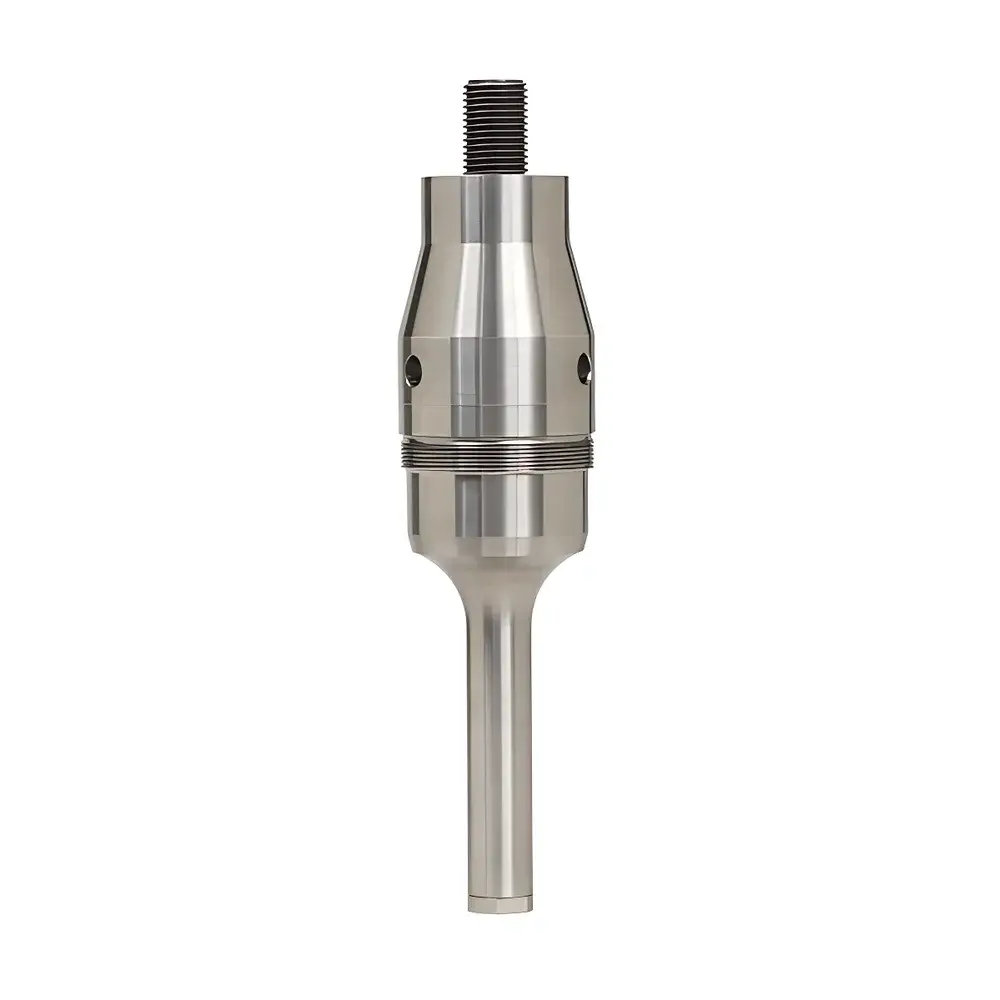
- Standard 13 mm (1/2″) titanium alloy probe included; compatible with optional accessories including cup horns, microtip probes, rack adapters, and acoustic enclosures meeting ISO 11201 noise emission standards
Sample Compatibility & Compliance
The SFX250 accommodates sample volumes from 200 µL (microcentrifuge tubes) up to 500 mL (beakers or jacketed vessels), supporting aqueous buffers, low-viscosity lysates, and suspensions containing bacteria, yeast, mammalian cells, plant tissues, and soft hydrogels. Probe-based sonication is validated under ASTM E2798–21 for reproducibility in microbial lysis protocols and aligns with USP guidelines for physical disruption methods used in biopharmaceutical raw material testing. When operated with audit-trail-enabled software (via optional RS-232/USB interface), the instrument supports GLP/GMP-compliant workflows requiring electronic record retention, user authentication, and change control per FDA 21 CFR Part 11.
Software & Data Management
While the SFX250 operates autonomously via its embedded controller, optional PC connectivity enables advanced data logging and method synchronization using Branson’s proprietary SoniControl™ software (v4.2+). This application provides timestamped export of energy profiles, thermal traces, and fault logs in CSV format; supports multi-user login with role-based permissions; and allows remote firmware updates. All stored methods include metadata fields for SOP version, operator ID, and instrument calibration status—facilitating traceability during internal audits or regulatory inspections.
Applications
- Preparation of soluble protein extracts from E. coli, S. cerevisiae, and HEK293 cells with minimized aggregation
- Chromatin shearing for ChIP-seq and ATAC-seq library preparation
- Dispersion of graphene oxide, liposomes, and polymeric nanoparticles in formulation development
- Routine QC testing of vaccine adjuvant homogeneity and emulsion stability
- Disaggregation of amyloid fibrils and inclusion bodies prior to refolding studies
- Cell wall disruption in Gram-positive bacteria for peptidoglycan analysis
FAQ
What safety certifications does the SFX250 hold?
The instrument complies with IEC 61010-1:2010 for laboratory electrical equipment safety and carries CE marking for EMC (EN 61326-1) and Low Voltage Directive (2014/35/EU) conformity.
Is continuous operation supported at maximum power?
Yes, but sustained 250 W output requires active cooling of the sample bath (e.g., ice-water circulation) when processing volumes >100 mL to maintain thermal stability below 40 °C.
Can the SFX250 be integrated into automated liquid handling platforms?
Via TTL-compatible trigger input/output ports, the unit accepts external start/stop signals and emits process-complete pulses—enabling synchronization with robotic arms or plate handlers in high-throughput screening environments.
What is the recommended maintenance schedule?
Transducer performance verification every 6 months using Branson’s calibrated reference probe and acoustic power meter (Model 4120); annual inspection of probe threads and gasket integrity per manufacturer’s Service Manual Rev. D.
Does Branson provide validation documentation for GxP use?
IQ/OQ protocols and associated test scripts are available upon request for qualified customers; PQ support requires site-specific protocol development aligned with process requirements and local regulatory expectations.




