
NYX GB/T 18426 Coated Fabric Flexing Tester
| Brand | NYX |
|---|---|
| Origin | Tianjin, China |
| Manufacturer Type | Direct Manufacturer |
| Regional Classification | Domestic (China) |
| Model | GB/T 18426 |
| Price Range | USD 420 – 535 |
Overview
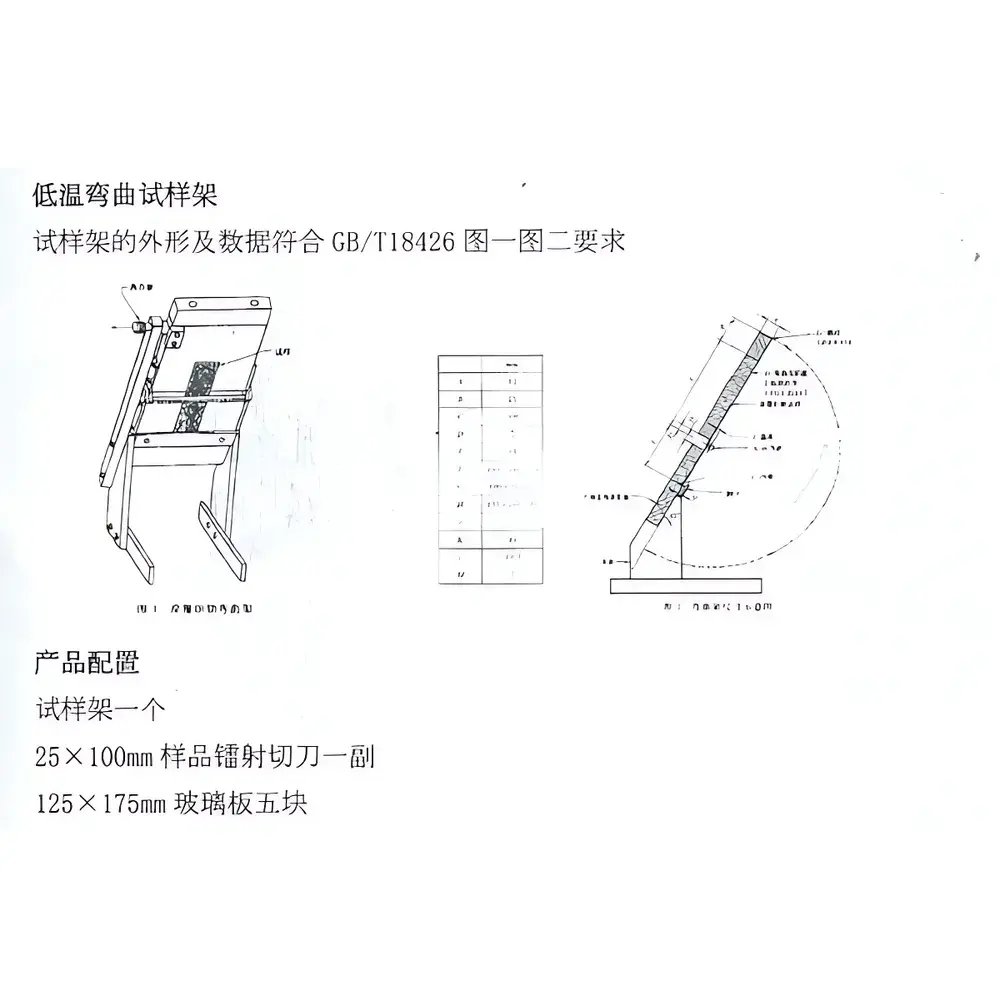
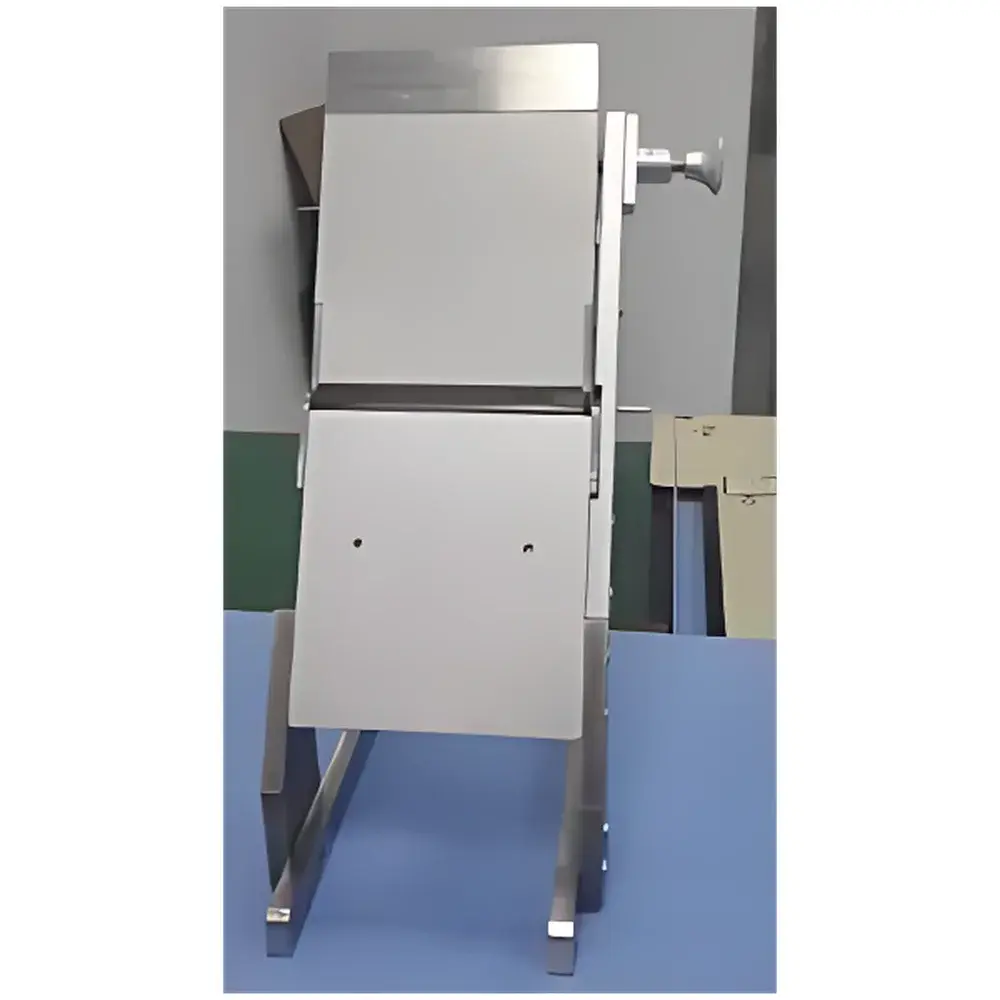
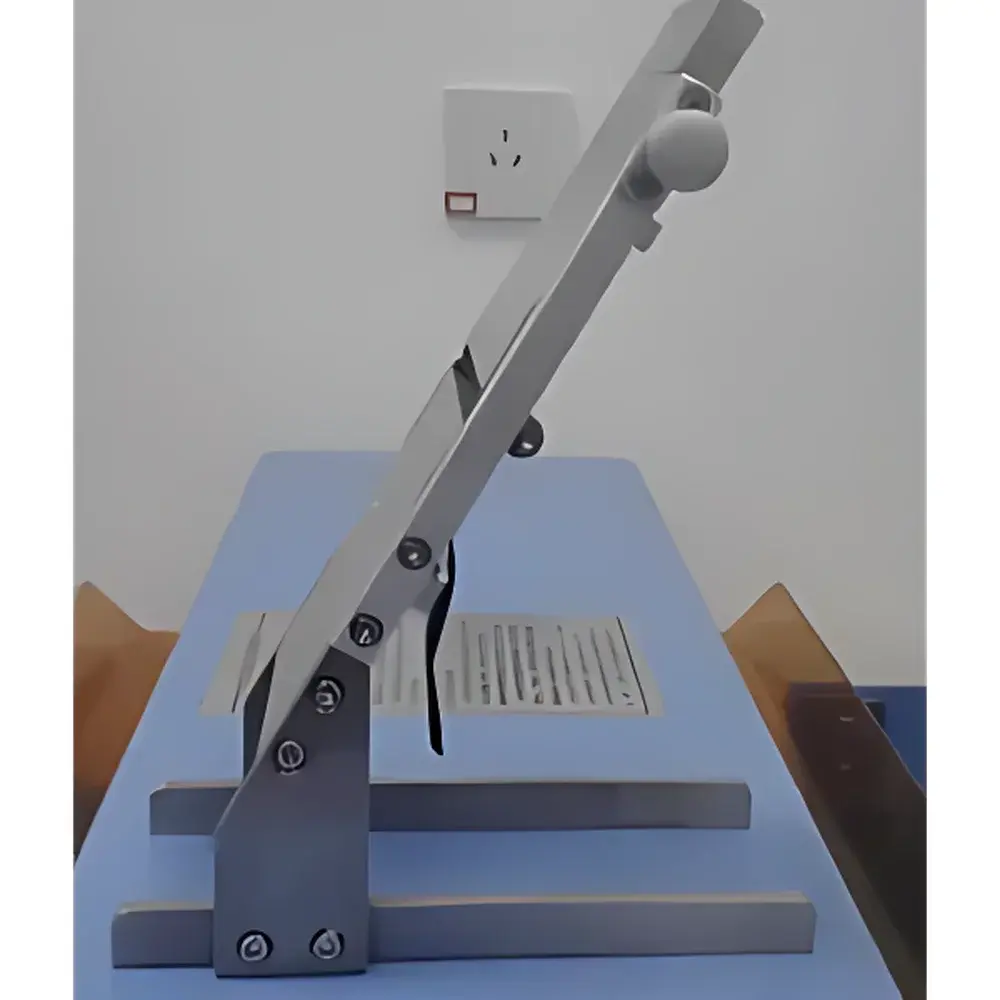
The NYX GB/T 18426 Coated Fabric Flexing Tester is a precision-engineered mechanical property tester designed specifically for evaluating the low-temperature flexibility and cold resistance of rubber- or plastic-coated textile substrates. It operates on the principle of controlled angular deformation under standardized thermal conditions—subjecting conditioned specimens to repeated bending cycles at defined sub-ambient temperatures to assess crack initiation, coating delamination, or substrate embrittlement. This device implements a deterministic flexing mechanism compliant with internationally harmonized test protocols, enabling laboratories to generate reproducible, audit-ready data for quality assurance, material development, and regulatory conformance in automotive interiors, protective apparel, industrial hoses, and coated tarpaulin manufacturing.
Key Features
- Compliant mechanical architecture engineered to replicate the standardized bending radius and stroke amplitude specified in GB/T 18426, ISO 4675, and ASTM D2136.
- Integrated cryogenic specimen conditioning interface supporting stable temperature maintenance from –40 °C to +23 °C (external chiller required for sub-zero operation).
- Adjustable specimen clamping system accommodating coated fabric thicknesses ranging from 0.1 mm to 2.2 mm, with calibrated force distribution to prevent edge slippage during flexing.
- Manual or semi-automated cycle actuation with mechanical counter (0–10,000 cycles), ensuring traceable test duration and repeatability across operator shifts.
- Robust aluminum alloy frame with corrosion-resistant surface treatment, optimized for long-term stability in QC lab environments with high humidity or solvent exposure.
- No electrical or pneumatic components in the flexing head—eliminating calibration drift risks associated with servo positioning or pressure regulation.
Sample Compatibility & Compliance
The tester accommodates flat, non-woven, woven, or knitted textile substrates fully coated on one or both sides with elastomeric or thermoplastic polymers—including PVC, PU, NBR, EPDM, and silicone-based systems. Specimens must be cut to dimensions of 100 mm × 25 mm (length × width) per GB/T 18426 and conditioned for 24 h at standard laboratory ambient (23 ± 2 °C, 50 ± 5 % RH) prior to low-temperature exposure. The instrument supports full alignment with ISO/IEC 17025-compliant testing workflows and provides documented evidence for compliance with GB 20653 (protective clothing), DIN EN 1876-1 (industrial rubber sheets), and ASTM D2136 (low-temp flexibility of coated fabrics). Test reports generated using this apparatus meet minimum evidentiary requirements for GLP audits and supplier qualification dossiers.
Software & Data Management
This mechanical tester does not incorporate embedded firmware or digital control interfaces. All operational parameters—including cycle count, conditioning time, ambient temperature, and post-test visual assessment notes—are recorded manually in accordance with ISO 17025 Clause 7.7 (recording of observations). Laboratories deploying LIMS or ELN platforms may integrate test records via standardized template import (CSV or PDF). For users requiring electronic audit trails, the device is compatible with external USB-cycle counters and calibrated digital thermometers traceable to NIM (National Institute of Metrology, China) or NIST SRM references. No software validation is required under FDA 21 CFR Part 11, as no electronic records are generated directly by the instrument.
Applications
- Evaluation of winter-grade automotive seating fabrics for crack resistance after cold storage (-25 °C, 4 h).
- Quality release testing of flame-retardant coated canvas used in military shelters and emergency response tents.
- Comparative screening of adhesive bond integrity between polyurethane coatings and polyester scrim under thermal cycling stress.
- Supporting R&D of eco-friendly waterborne acrylic coatings by quantifying flex life retention after accelerated aging.
- Verification of specification compliance for ISO 9001-certified suppliers delivering coated technical textiles to Tier-1 OEMs.
FAQ
Does the GB/T 18426 tester include a built-in refrigeration unit?
No. The instrument requires connection to an external programmable chiller or low-temperature environmental chamber capable of maintaining the specified test temperature during flexing.
What is the maximum specimen width supported?
The clamping mechanism is dimensioned for specimens 25 mm wide; wider samples must be trimmed to comply with standard test geometry.
Can this device be used for uncoated textiles?
No. Its mechanical design, bend radius, and load profile are validated exclusively for coated fabric systems per referenced standards—uncoated substrates yield non-comparable results.
Is calibration certification provided with shipment?
A factory verification report confirming dimensional accuracy of the flexing mandrel and clamping gap tolerance (±0.05 mm) is included. Field recalibration is not required unless mechanical impact occurs.
How is pass/fail determined?
Per GB/T 18426, evaluation is visual: specimens are examined under 2× magnification for cracks ≥0.2 mm in coating or substrate separation after completion of the prescribed cycle count at target temperature.





