
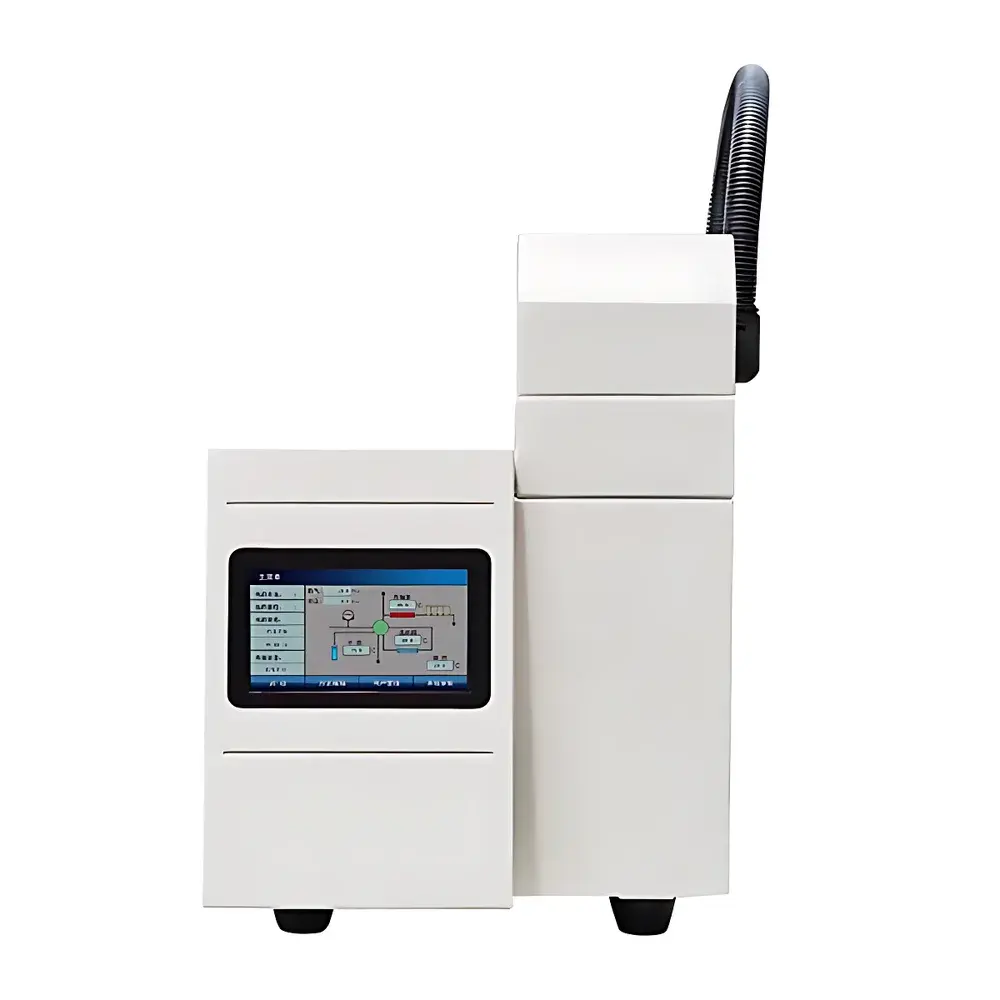
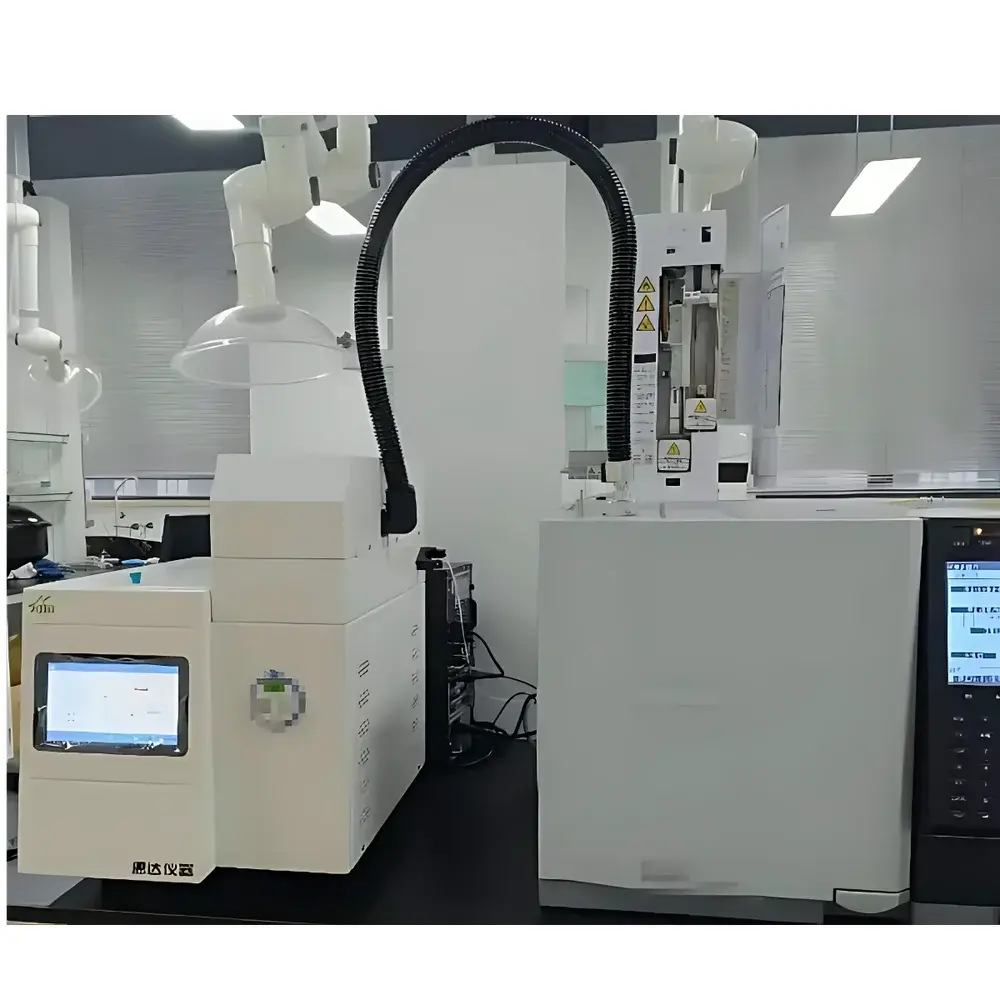
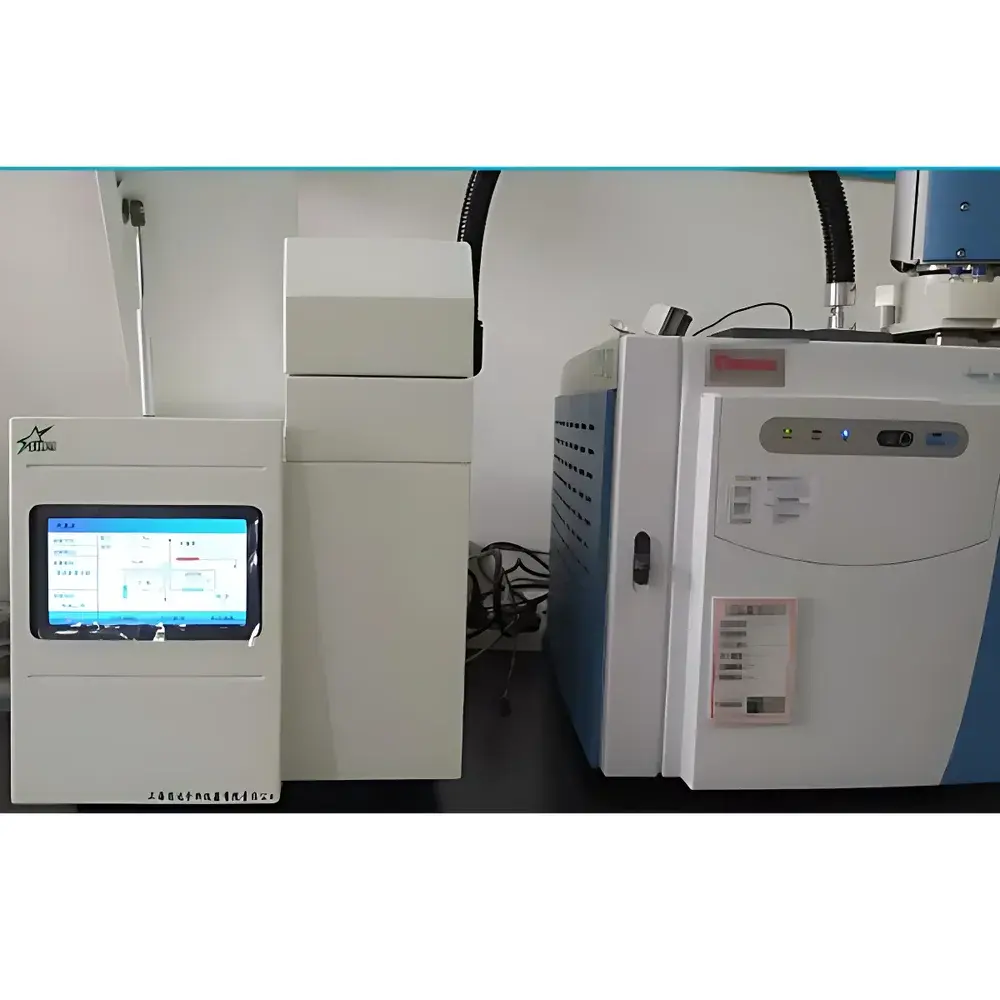
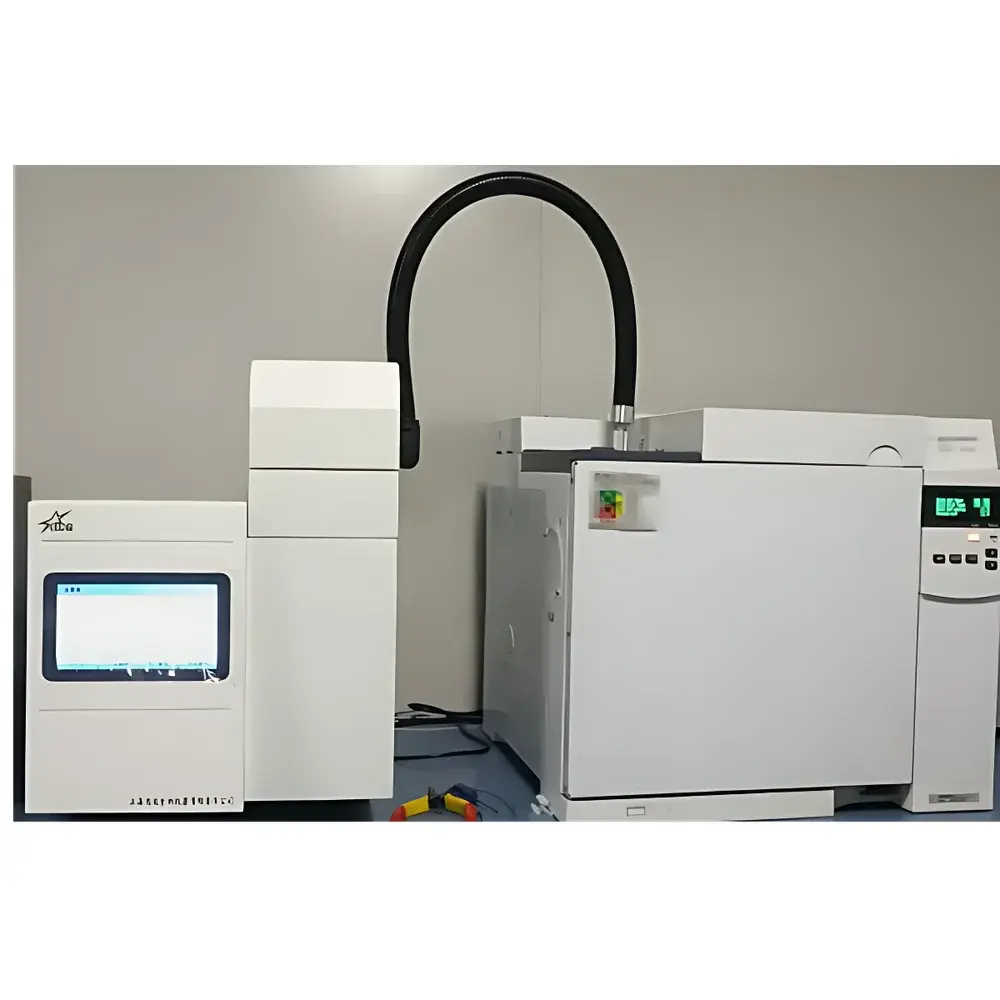
Sida HS-12A Pro Fully Automated Static Headspace Sampler
| Brand | Sida |
|---|---|
| Origin | Shanghai, China |
| Manufacturer Type | Original Equipment Manufacturer (OEM) |
| Product Category | Domestic |
| Model | HS-12A Pro |
| Price Range | USD 7,000 – 14,000 |
| Instrument Type | Static Headspace Sampler |
| Automation Level | Fully Automatic |
| Sample Vial Capacity | 12 positions |
| Vial Format | 20 mL standard crimp-top vials |
| System Heating | Full-path heated zone (oven, transfer line, valve, and injection port) |
| Leak Detection | Integrated automatic leak check with real-time pressure display |
| Pressure Control | Optional Electronic Pressure Control (EPC) module compatible |
| Method Storage | User-definable method library with multi-method queue execution |
| Diagnostic Features | Power-on self-test, auto-positioning carousel, real-time fault detection and on-screen alert |
Overview
The Sida HS-12A Pro is a fully automated static headspace sampler engineered for precise, reproducible volatile organic compound (VOC) analysis in conjunction with gas chromatography (GC) systems. It operates on the principle of static headspace equilibrium—where a sealed sample vial is thermostatically incubated to allow analytes to partition between the liquid/solid matrix and the vapor phase above it. Once equilibrium is reached, a precise volume of headspace gas is withdrawn via a heated syringe or pressurized loop and transferred directly into the GC inlet. This technique eliminates matrix interference, minimizes carryover, and ensures high sensitivity for trace-level VOC quantification in complex samples such as pharmaceuticals, environmental water, food packaging, forensic evidence, and polymer leachables.
Key Features
- Fully automated 12-position carousel with precision stepper-motor-driven positioning and optical home-sensor feedback for repeatable vial access.
- End-to-end heated pathway: sample oven (ambient to 200 °C, ±0.1 °C stability), transfer line (up to 220 °C), and injection valve (up to 250 °C) — eliminating cold spots and preventing condensation-induced peak broadening or discrimination.
- Integrated real-time pressure monitoring and automatic leak verification prior to each injection cycle, ensuring system integrity and method robustness.
- Onboard 7-inch high-resolution TFT touchscreen with intuitive GUI; supports multilingual interface (English default) and contextual help overlays.
- Embedded method manager enabling storage of ≥50 user-defined methods, including temperature ramp profiles, equilibration times, pressurization parameters, and injection volumes — all accessible via quick-select menus or sequence scheduling.
- Optional EPC (Electronic Pressure Control) module provides closed-loop regulation of carrier gas pressure during pressurization and sampling phases, improving retention time reproducibility and compliance with method transfer requirements.
Sample Compatibility & Compliance
The HS-12A Pro accommodates standard 20 mL crimp-top headspace vials (with magnetic or manual crimp sealers), compatible with industry-standard septa (e.g., silicone/PTFE). It supports aqueous, semi-solid, and solid matrices—including tablets, soils, beverages, and polymer films—without modification. The instrument meets essential functional requirements outlined in ASTM D6866, ISO 11843-2, and USP for residual solvent analysis. Its firmware architecture supports audit trail logging (user actions, method changes, error events) and optional 21 CFR Part 11–compliant software modules for regulated environments (GMP/GLP laboratories), including electronic signatures and role-based access control.
Software & Data Management
Control is executed via embedded firmware with USB and RS-232 interfaces for bidirectional communication with GC systems (Agilent, Thermo Fisher, Shimadzu, PerkinElmer). Method export/import uses CSV and XML formats. Raw diagnostic logs (temperature profiles, pressure traces, timing sequences) are timestamped and stored internally (8 GB flash memory) or exported via USB drive. Optional PC-based SidaControl Suite enables remote monitoring, batch report generation (PDF/Excel), and integration with LIMS via HL7 or ASTM E1384-compliant drivers. All data files include embedded metadata: operator ID, instrument serial number, method version, and environmental sensor readings (ambient temp/humidity).
Applications
- Pharmaceutical QC: Residual solvents (Class 1–3 per ICH Q3C) in APIs and finished dosage forms.
- Environmental testing: BTEX, chlorinated hydrocarbons, and volatile pesticides in drinking water and wastewater per EPA Methods 502.2 and 8260.
- Food & beverage safety: Ethanol, acetaldehyde, and off-flavor compounds in dairy, wine, and packaged snacks.
- Forensic toxicology: Blood alcohol concentration (BAC) and volatile drug metabolites using headspace-GC-FID/MS.
- Materials science: Monomer release from adhesives, plasticizers from PVC, and outgassing profiles in aerospace composites.
FAQ
Does the HS-12A Pro support dynamic headspace (purge-and-trap) mode?
No — it is designed exclusively for static headspace analysis. Dynamic headspace capability requires separate hardware (e.g., purge chamber, trap desorption unit) not integrated into this platform.
Can the instrument be validated per IQ/OQ/PQ protocols?
Yes — comprehensive validation documentation (DQ template, OQ test scripts, PQ acceptance criteria) is provided with purchase. Installation Qualification (IQ) covers mechanical and electrical verification; Operational Qualification (OQ) includes temperature uniformity mapping, pressure accuracy checks, and method repeatability testing at three concentration levels.
Is remote diagnostics supported?
Yes — optional Ethernet module enables secure SSH/Telnet access for firmware updates and log retrieval. Real-time system health status (oven temp deviation, pressure drift, motor stall alerts) can be pushed to SNMP-enabled network management systems.
What GC interfaces are certified?
The HS-12A Pro has been tested and verified with Agilent 7890/8890, Thermo ISQ EC, Shimadzu GC-2030, and PerkinElmer Clarus 680. Custom GC trigger signal configuration (TTL, contact closure, or analog) is configurable in firmware.
How often does the syringe require maintenance?
Under normal operation (≤500 injections/week), the heated syringe assembly requires cleaning every 2,000 cycles and replacement every 10,000 cycles. A built-in syringe wear counter tracks cumulative actuations and triggers maintenance alerts.




