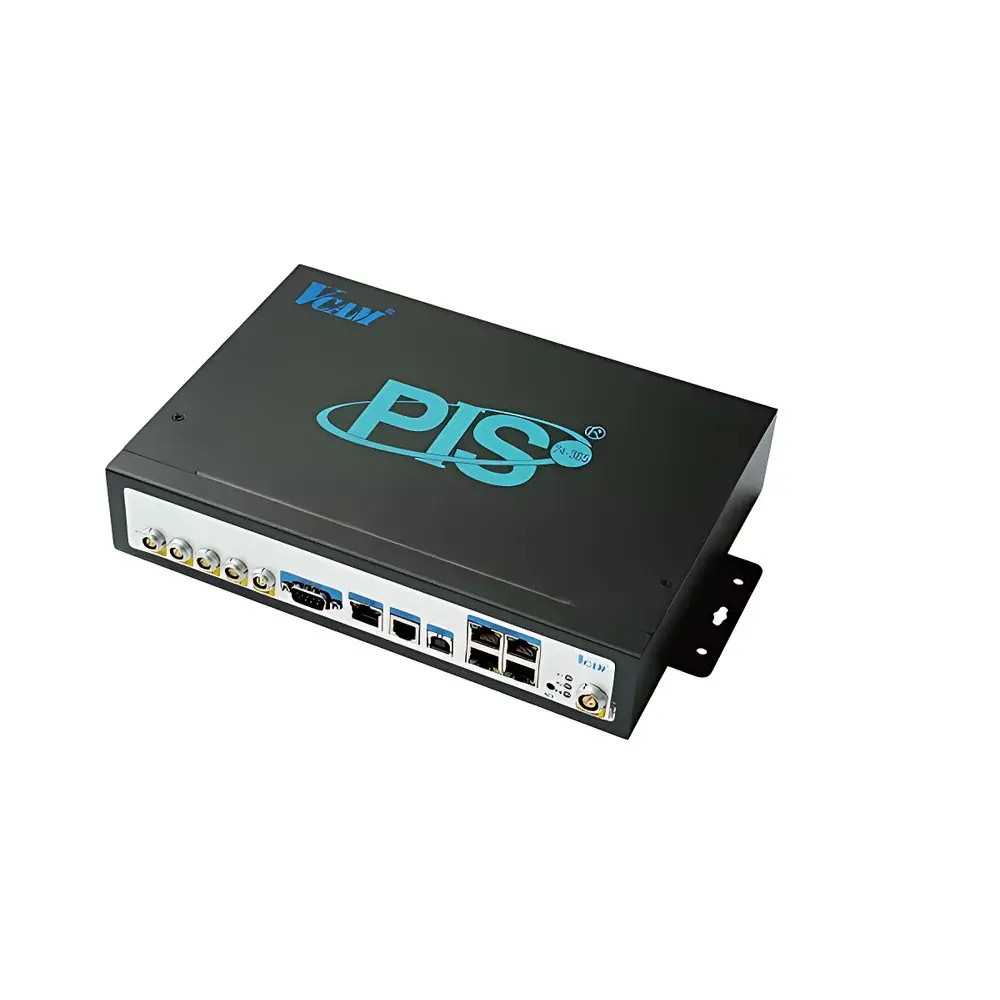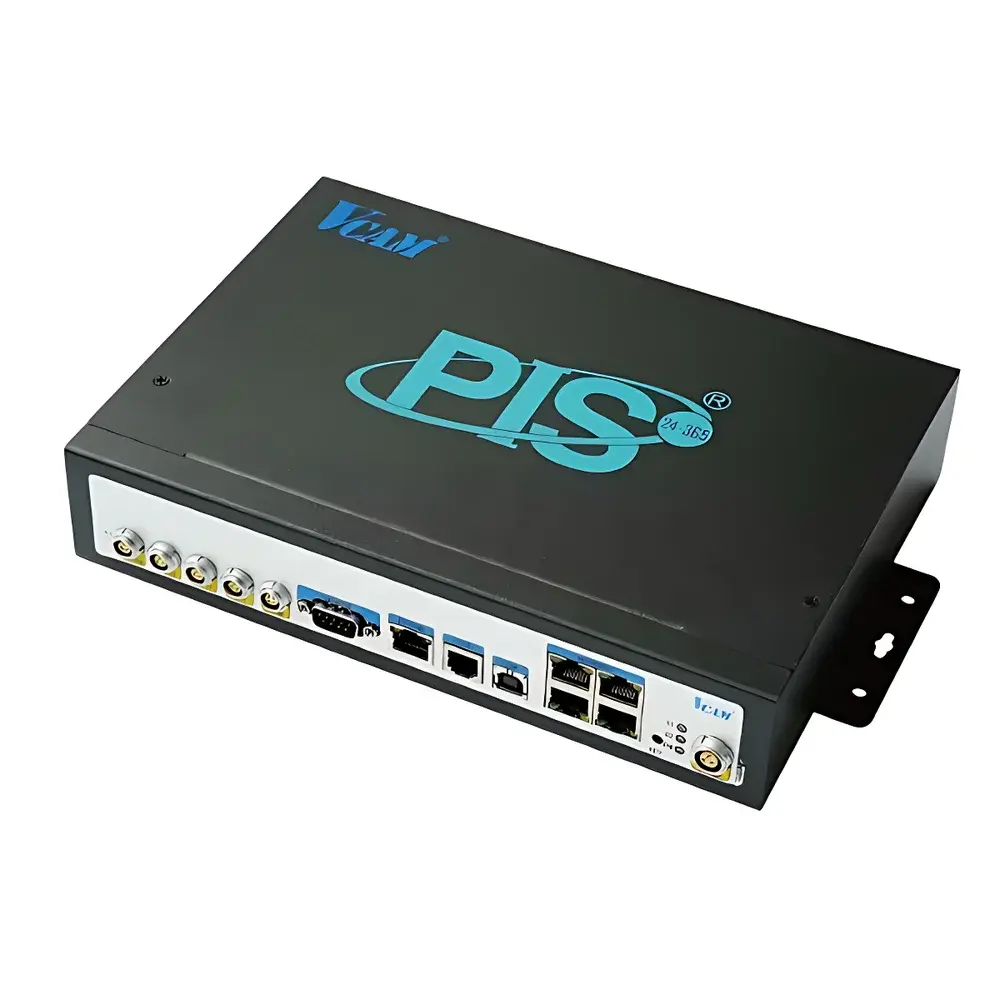
TimePower TP725 Automated Kinematic Viscosity Tester
| Brand | TimePower |
|---|---|
| Model | TP725 |
| Type | Automated Kinematic Viscosity Tester |
| Compliance | ASTM D445, ISO 3104, GB/T 265-1988 |
| Temperature Control Range | 20–100 °C (±0.01 °C stability) |
| Viscometer Type | Ubbelohde capillary |
| Measurement Principle | Gravimetric capillary efflux time |
| Sample Volume | 10–20 mL |
| Cycle Time | ≤15 min per sample (including rinse and dry) |
| Data Output | CSV, PDF, XML |
| Software | TimePower ViscositySuite v3.2 (21 CFR Part 11 compliant audit trail, user role management, electronic signature support) |
| Cleaning Protocol | Solvent-based automated purge with nitrogen drying |
| Power Supply | 220 V AC, 50 Hz |
Overview
The TimePower TP725 Automated Kinematic Viscosity Tester is a fully integrated, microprocessor-controlled laboratory instrument engineered for precise, repeatable determination of kinematic viscosity in petroleum liquids—including lubricating oils, base stocks, fuel oils, and hydraulic fluids—according to internationally recognized standards. It operates on the fundamental principle of capillary efflux time measurement in a gravimetric Ubbelohde viscometer, where kinematic viscosity (ν, in mm²/s or cSt) is calculated from the product of efflux time (t, in seconds) and the calibrated viscometer constant (C, in mm²/s²). The system maintains strict thermal equilibrium within a precision thermostatic bath (±0.01 °C over 30 min), ensuring compliance with ASTM D445, ISO 3104, and GB/T 265–1988 requirements for temperature control, timing resolution, and calibration traceability. Unlike semi-automated systems requiring manual timing or manual cleaning, the TP725 performs end-to-end analysis—including sample aspiration, controlled immersion, efflux timing, calculation, data logging, solvent rinsing, and nitrogen-assisted drying—without operator intervention after initial loading.
Key Features
- Fully automated workflow: Eliminates human timing error and operator-dependent handling; supports unattended batch operation of up to 12 samples per run.
- High-stability thermostatic bath: Dual-sensor PID control with Peltier-assisted heating/cooling and circulation uniformity < ±0.005 °C across the bath volume.
- Optical efflux detection: High-resolution photodiode array precisely identifies meniscus passage at upper and lower timing marks, achieving sub-millisecond timing resolution.
- Integrated cleaning module: Programmable multi-stage solvent flush (e.g., xylene, toluene, or isopropanol) followed by compressed nitrogen purge to prevent residue carryover between runs.
- Modular viscometer holder: Accommodates standard Ubbelohde capillaries (e.g., Cannon-Fenske Routine, BS 188, ASTM D445-compliant types) with quick-release clamping and automatic vertical alignment verification.
- Robust architecture: Stainless-steel fluid pathways, chemically resistant seals, and IP54-rated enclosure for long-term reliability in QC lab environments.
Sample Compatibility & Compliance
The TP725 is validated for transparent, Newtonian, and mildly non-Newtonian petroleum products with kinematic viscosity ranging from 2 to 25,000 mm²/s (cSt) at test temperatures between 20 °C and 100 °C. It supports single-point or multi-point calibration using NIST-traceable reference oils (e.g., Cannon Standard Oils, S100–S10000 series). Instrument qualification includes IQ/OQ documentation per ASTM E2500 and adheres to GLP and GMP data integrity expectations. All raw timing data, environmental logs (bath temperature, ambient humidity), and operator actions are timestamped and stored with immutable audit trails, satisfying FDA 21 CFR Part 11 requirements for electronic records and signatures.
Software & Data Management
TimePower ViscositySuite v3.2 provides full lifecycle data governance: method configuration, real-time monitoring, statistical process control (SPC) charting, and automated report generation. The software enforces user authentication via role-based access control (RBAC), supports electronic signatures for result approval, and maintains full revision history of methods and calibration files. Export formats include CSV (for LIMS integration), PDF (signed analytical reports), and XML (structured data exchange with enterprise QA systems). Data backups are encrypted and configurable for local NAS or secure cloud sync with TLS 1.3 encryption.
Applications
- Refinery QC: Monitoring viscosity drift in crude distillates, vacuum gas oils, and lube base stocks pre- and post-treatment.
- Lubricant manufacturing: Final product release testing per API, OEM specifications (e.g., GM 6094M, Ford WSS-M2C913-A), and ISO VG classification.
- Fuel specification compliance: Verification of diesel (EN 590), jet fuel (ASTM D1655), and marine residual fuels (ISO 8217).
- R&D laboratories: Screening additive effects on shear stability and temperature-viscosity behavior (ASTM D2983 low-temp viscosity).
- Third-party testing labs: Accredited testing under ISO/IEC 17025, with built-in uncertainty estimation per GUM (Guide to the Expression of Uncertainty in Measurement).
FAQ
What standards does the TP725 comply with?
ASTM D445, ISO 3104, IP 71, DIN 51562, and GB/T 265–1988.
Can the instrument handle high-viscosity samples like bitumen or heavy fuel oil?
No—the TP725 is optimized for transparent, low-to-medium viscosity petroleum liquids; heavy crudes or asphaltic materials require vacuum capillary or rotational methods (e.g., ASTM D2161 or D7482).
Is calibration verification required before each analysis session?
Per ASTM D445 Section 8.2, daily verification with a certified reference oil is recommended; full calibration is required after viscometer replacement or every 90 days.
Does the system support remote monitoring or integration with LIMS?
Yes—ViscositySuite includes OPC UA server capability and RESTful API endpoints for bidirectional LIMS communication and real-time dashboard integration.
What maintenance intervals are specified for the optical sensors and bath circulation pump?
Optical sensors require quarterly inspection and cleaning; bath pump maintenance is scheduled every 12 months or 2,000 operational hours—both documented in the onboard maintenance log.