
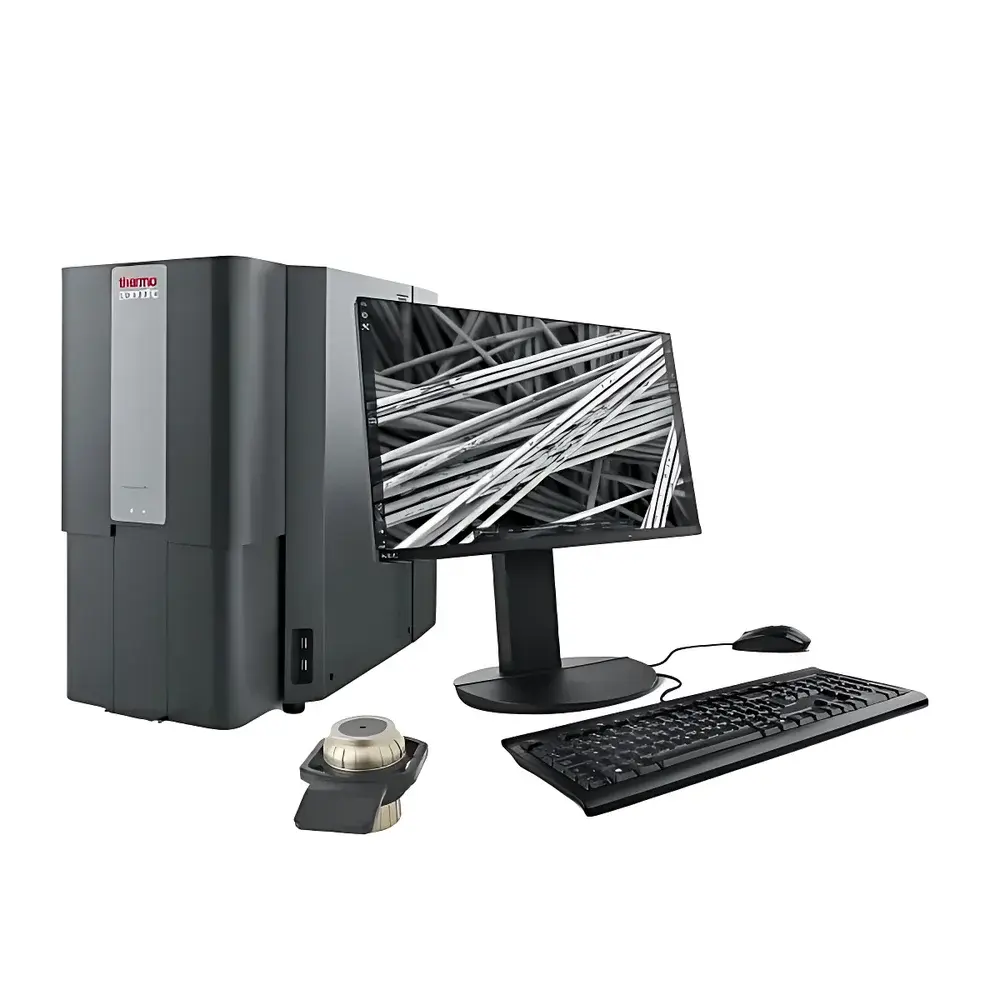
Phenom Pro_6 Desktop Scanning Electron Microscope for Petroleum & Coal Applications
| Brand | Phenom |
|---|---|
| Origin | Netherlands |
| Manufacturer | Phenom-World B.V. |
| Type | Desktop SEM |
| Electron Source | Cerium Hexaboride (CeB₆) |
| Secondary Electron Resolution | 6 nm |
| Maximum Magnification | 350,000× |
| Accelerating Voltage Range | 4.8–20.5 kV |
| Backscattered Electron Resolution | 6 nm |
Overview
The Phenom Pro_6 Desktop Scanning Electron Microscope is an engineered solution for rapid, high-resolution microstructural characterization in petroleum, coal, and energy-related materials science. Designed around a thermally stable CeB₆ electron source and optimized electromagnetic lens system, the instrument operates on standard laboratory power and requires no liquid nitrogen or high-vacuum infrastructure—enabling routine SEM analysis directly on the lab bench. Its core measurement principle relies on scanning a focused electron beam across conductive or coated samples while detecting secondary electrons (SE) and backscattered electrons (BSE) to generate topographic and atomic-number-contrast images, respectively. With a verified SE and BSE resolution of 6 nm at 10 kV and a maximum magnification of 350,000×, the Pro_6 supports quantitative morphological assessment critical to upstream reservoir evaluation, catalyst development, and downstream refining quality control.
Key Features
- Compact desktop architecture with integrated vacuum pumping system—no external turbomolecular pump or chiller required.
- CeB₆ electron gun delivering higher brightness and longer lifetime (>1,500 h) compared to tungsten filaments, ensuring stable beam current for reproducible imaging and EDS mapping.
- Automated eucentric stage with 5-axis motorized control (X/Y/Z/tilt/rotation), enabling precise navigation across heterogeneous geological samples such as shale cores or coal macerals.
- Real-time drift correction and auto-focus algorithms minimize operator dependency and improve throughput for batch analysis of particulate systems (e.g., proppants, catalyst pellets, coke residues).
- Dual-detector configuration: In-lens SE detector for high-resolution surface topography and annular BSE detector for compositional contrast—facilitating rapid phase discrimination in multiphase mineral assemblages.
- Integrated energy-dispersive X-ray spectrometer (EDS) option compliant with ASTM E1508 and ISO 16577 for semi-quantitative elemental analysis of inorganic constituents in oil sands, fly ash, or fluid catalytic cracking (FCC) catalysts.
Sample Compatibility & Compliance
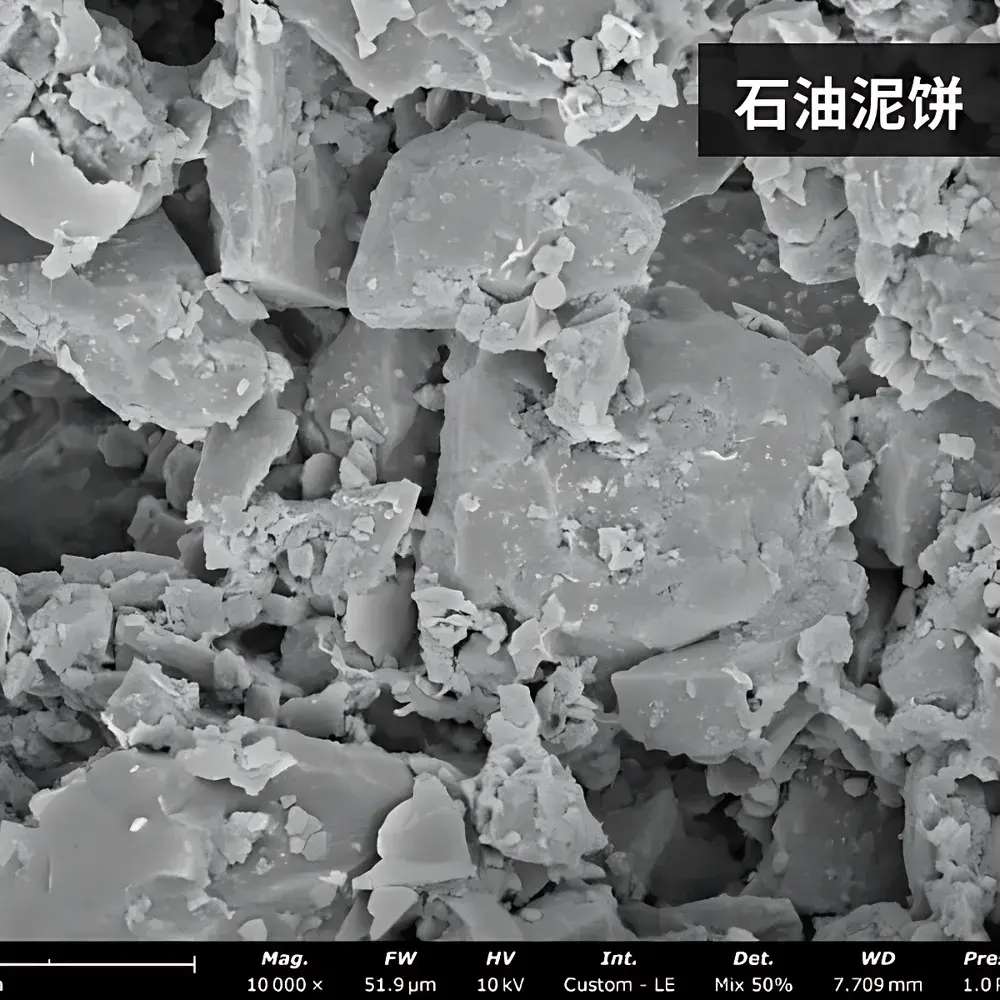
The Phenom Pro_6 accommodates uncoated or carbon-coated solid specimens up to 100 mm in diameter and 40 mm in height—including drill cuttings, polished coal blocks, fractured shale fragments, spent hydroprocessing catalysts, and synthetic proppant granules. Sample chamber design supports low-vacuum mode (10–20 Pa) for mildly outgassing or non-conductive materials without sputter coating. Instrument operation adheres to IEC 61000-6-3 (EMC) and IEC 61010-1 (safety) standards. When equipped with audit-trail-enabled software and user-access controls, the system supports GLP-compliant workflows per OECD Principles of Good Laboratory Practice and can be validated for regulated environments under FDA 21 CFR Part 11 requirements when deployed in QC laboratories serving API or refinery product certification.
Software & Data Management
Acquisition and analysis are managed via Phenom Desktop Software v5.x, a Windows-based platform supporting automated image acquisition sequences, particle size distribution (PSD) analysis per ISO 9276-2, and region-of-interest (ROI) EDS spectrum collection. All raw image data (TIFF/SEM) and metadata—including kV, working distance, dwell time, and detector gain—are embedded in EXIF-compatible headers. The software generates PDF reports with traceable timestamps and user logins; optional LIMS integration enables direct upload to enterprise databases. Data export formats include CSV (for statistical post-processing in MATLAB or Python), CDF (Common Data Format), and standardized HDF5—ensuring interoperability with digital rock physics modeling pipelines used in pore-network extraction and permeability simulation.
Applications
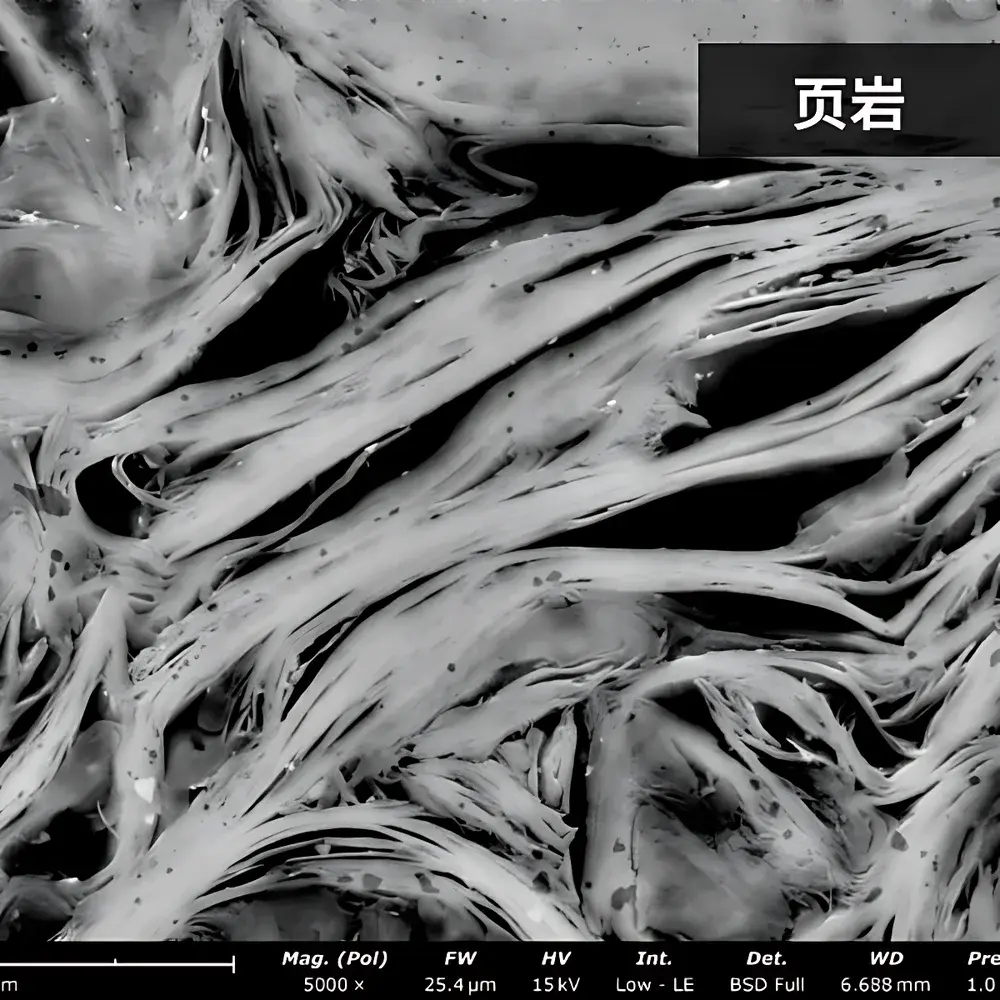
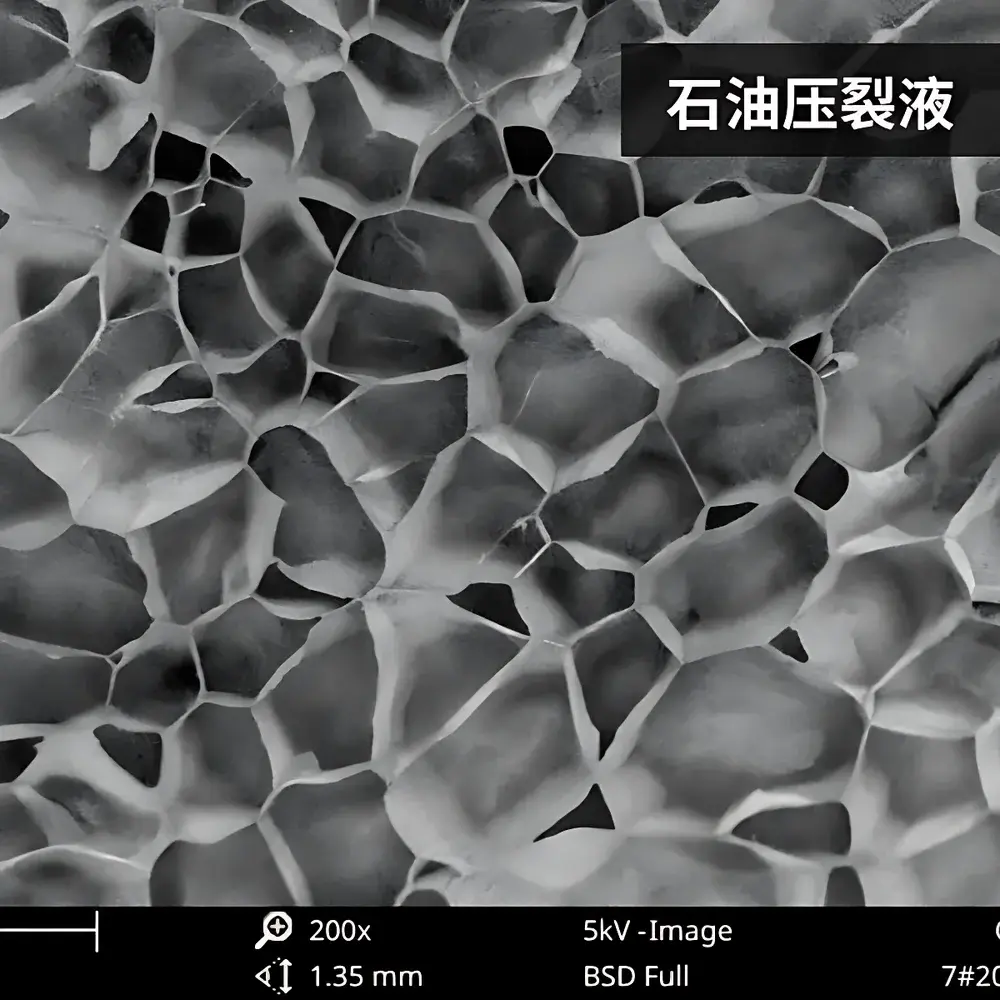
- Shale matrix characterization: Pore throat geometry, organic matter distribution, and clay mineral orientation analysis for hydraulic fracturing optimization.
- Coal petrography: Maceral identification (vitrinite, inertinite, liptinite), reflectance measurement (Ro%), and ash-forming mineral dispersion mapping.
- Proppant quality control: Surface roughness quantification, fracture toughness indicators, and crush resistance correlation via angularity and sphericity metrics.
- Catalyst deactivation studies: Metal sintering, coke deposition morphology, and support degradation tracking across regeneration cycles.
- Refinery residue analysis: Asphaltenes aggregation behavior, vanadium/nickel distribution in vacuum residua, and corrosion product layer composition in heat exchanger fouling deposits.
FAQ
Is the Phenom Pro_6 suitable for analyzing uncoated coal or shale samples?
Yes—the system supports low-vacuum imaging mode and optional charge compensation, allowing direct observation of non-conductive geological specimens without metallization.
Can the instrument be integrated into an existing LIMS or ELN infrastructure?
Yes—via configurable RESTful API endpoints and secure SFTP export protocols, enabling automated data ingestion into laboratory informatics platforms.
What level of training is required for routine operation?
Operators with basic microscopy experience require ≤2 days of hands-on training; full workflow automation (e.g., batch imaging + EDS mapping) is achievable within one week.
Does the CeB₆ source require periodic replacement like tungsten filaments?
No—CeB₆ cathodes exhibit >1,500 hours of operational life under typical operating conditions (10–15 kV, 0.5–1.0 nA beam current), significantly reducing downtime and consumables cost.
How does the Pro_6 comply with regulatory documentation requirements in refinery QA labs?
With optional 21 CFR Part 11-compliant software modules, including electronic signatures, audit trails, and role-based access control—validated per IQ/OQ protocols aligned with ASTM E2500 and GAMP5 guidelines.






