
RadScan 900+ Multi-Function Digital Radiation Detector
| Origin | Germany |
|---|---|
| Manufacturer Type | Authorized Distributor |
| Origin Category | Imported |
| Model | RadScan 900+ |
| Price | USD 1,280 (FOB Hamburg) |
| Detection Types | α, β, γ, X-rays |
| Dose Rate Range | 0.01–1000 µSv/h |
| Pulse Rate Range | 0–30,000 cpm / 0–5,000 cps |
| Cumulative Dose Range | 0.001 µSv–999,999 Sv |
| Sensitivity | ≥108 pulses per µSv/h (Co-60) |
| Operating Temperature | −40 °C to +75 °C |
| Dimensions | 170 × 74 × 30 mm |
| Weight | 250 g |
| Power | 3 × AAA alkaline batteries (30-day continuous operation) |
| Compliance | CE Directive 2014/30/EU (EMC), 2014/53/EU (RED), FCC Part 15 Subpart B |
| Calibration Interval | 5 years (traceable to PTB standards) |
Overview
The RadScan 900+ is a handheld, multi-mode digital radiation detector engineered for field-deployable environmental and occupational monitoring of ionizing radiation. It employs a halogen-quenched Geiger-Müller tube—calibrated and certified by the Physikalisch-Technische Bundesanstalt (PTB), Germany—as its primary sensor. This detector operates on the principle of gas ionization, where incident α, β, γ, and X-ray photons induce discrete electrical pulses proportional to radiation intensity. Designed in direct response to post-9/11 radiological threat assessment requirements, the instrument features ruggedized mechanical architecture compliant with MIL-STD-810G shock and thermal cycling specifications. Its measurement methodology adheres to IEC 60846-1:2014 (Radiation protection instrumentation — Ambient and/or directional dose equivalent (rate) meters and/or monitors for beta, X and gamma radiation), ensuring metrological validity across diverse operational environments—from nuclear decommissioning sites to geological survey teams.
Key Features
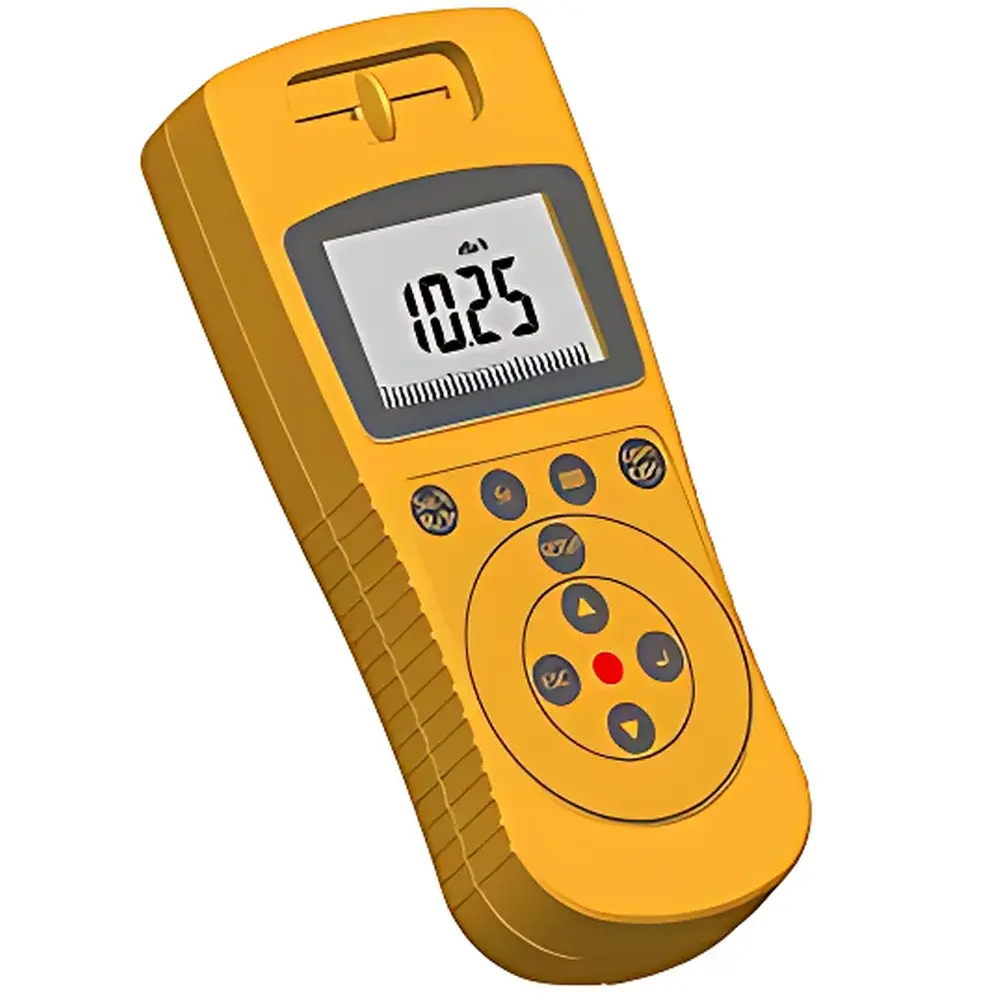
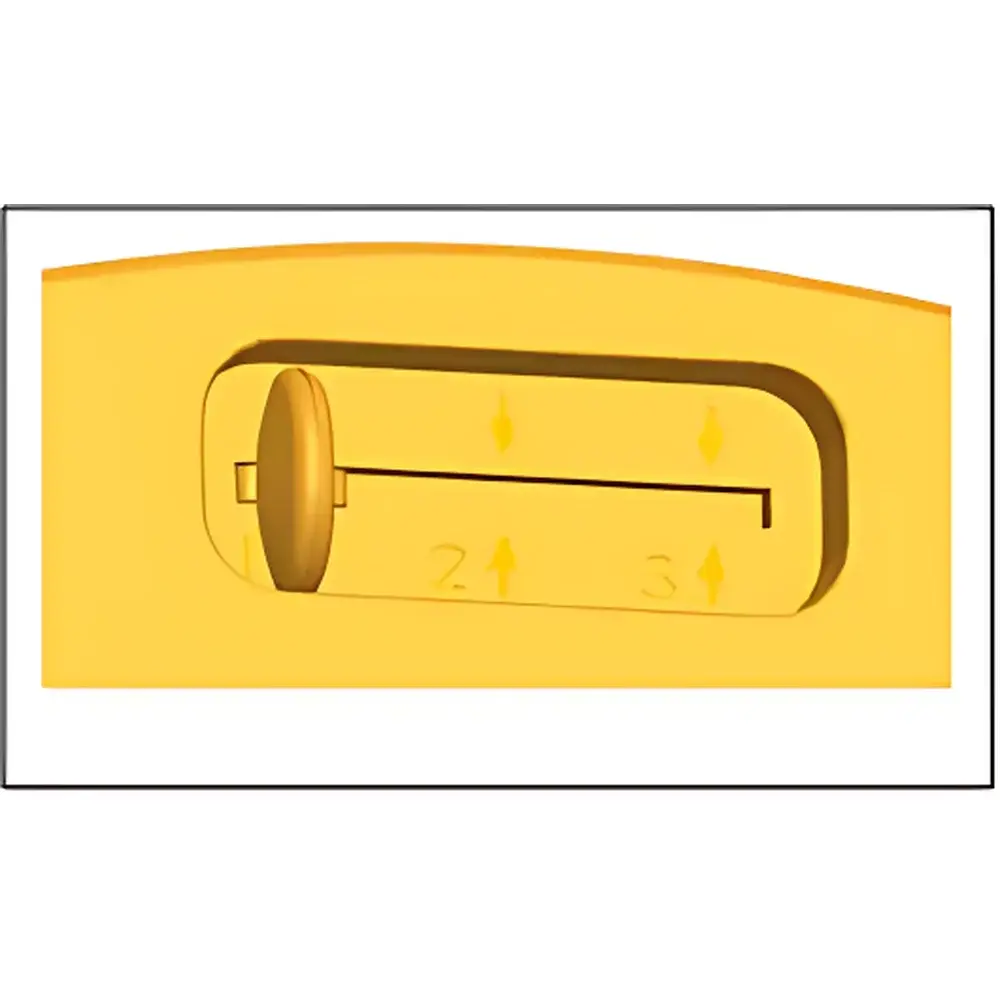
- Radiation mode selector switch enabling real-time discrimination between α, β, γ, and X-ray detection modes
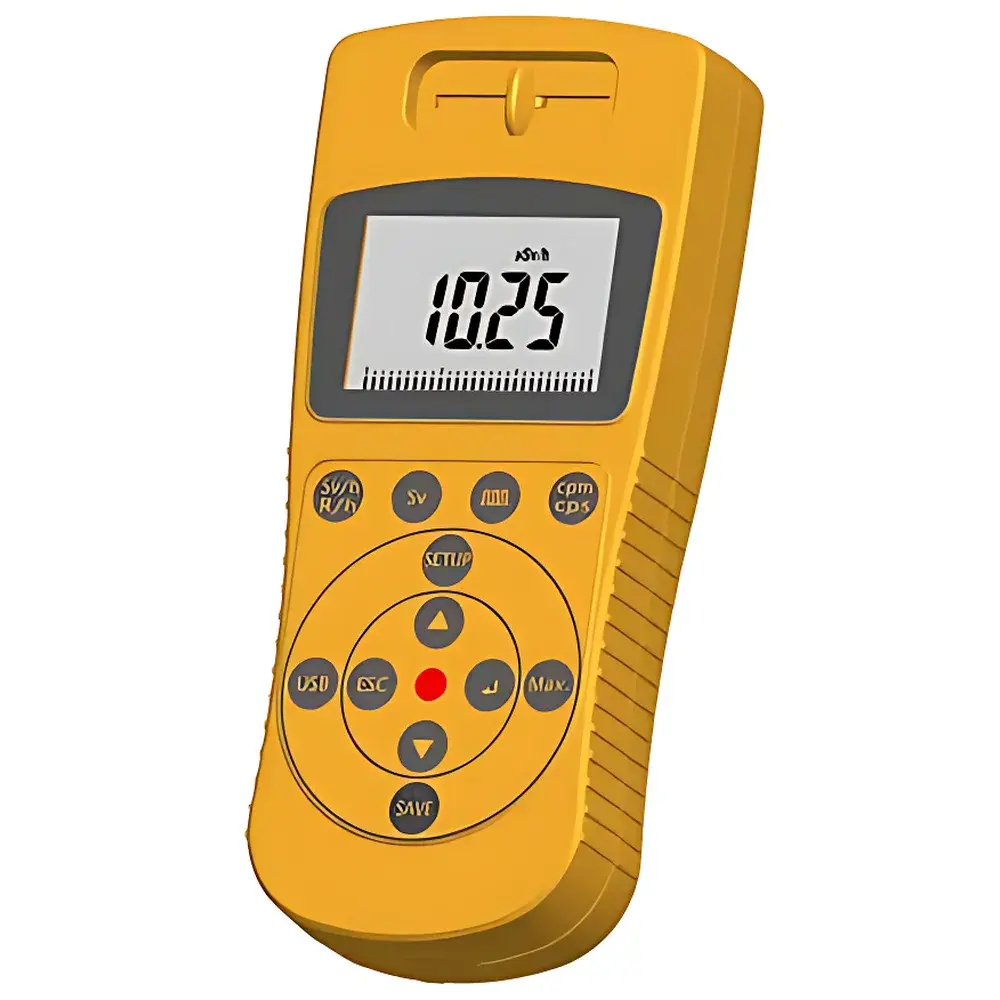
- 6-digit high-contrast LCD display with bar-graph visualization and simultaneous readout of dose rate, cumulative dose, pulse count, timestamp, alarm threshold, and calibration factor
- Configurable averaging time (2–120 s), selectable manually or automatically based on statistical stability criteria
- Maximum hold function capturing peak dose rate during transient exposure events
- Onboard memory storing up to 1,000 data points with manual or time-triggered auto-recording
- USB 2.0 interface supporting real-time bidirectional communication with Windows-based RadScan Analysis Suite v4.2
- User-adjustable alarm threshold (default: 5 µSv/h), configurable via front-panel keypad or software
- Field-serviceable calibration factor adjustment without requiring factory recalibration
- IP65-rated enclosure with reinforced polycarbonate housing; tested for 1.5 m drop impact onto concrete
Sample Compatibility & Compliance
The RadScan 900+ is validated for quantitative assessment of surface contamination (e.g., alpha-emitting radionuclides on granite countertops), airborne radon progeny equilibrium ratios (via integrated scintillation-assisted sampling protocols), and ambient gamma dose fields from natural (K-40, U-238 series) or anthropogenic (Cs-137, Co-60) sources. It meets ASTM D3648-19 (Standard Practices for Measurement of Radioactivity) for low-level environmental screening and supports compliance with EU Council Directive 2013/59/Euratom on basic safety standards for protection against ionizing radiation. Device firmware implements audit-trail logging per ISO/IEC 17025:2017 clause 7.7.1, recording all parameter changes, calibration events, and alarm triggers with UTC timestamps. CE marking confirms conformity with essential health and safety requirements under the Electromagnetic Compatibility and Radio Equipment Directives.
Software & Data Management
RadScan Analysis Suite v4.2 is a Windows-native application providing real-time spectral visualization, time-series trend analysis, and automated report generation compliant with GLP documentation standards. The software supports CSV and XML export formats compatible with LIMS integration (e.g., Thermo Fisher SampleManager, LabWare LIMS). All USB-transmitted data include embedded metadata: detector serial number, firmware revision, UTC acquisition time, GPS coordinates (when paired with optional Bluetooth GNSS module), and uncertainty estimates derived from Poisson statistics. Audit logs are digitally signed and write-protected; modification attempts trigger tamper-evident flags. Software validation documentation—including IQ/OQ/PQ protocols—is available upon request for regulated environments subject to FDA 21 CFR Part 11 requirements.
Applications
- Environmental monitoring: radon potential mapping in residential basements, uranium leaching assessment in mining tailings, and Cs-137 soil contamination surveys following nuclear incidents
- Industrial hygiene: routine scanning of NORM/TENORM materials in oilfield piping, scrap metal yards, and ceramic glaze production lines
- Healthcare QA: verification of X-ray generator output consistency in dental and veterinary imaging suites (per IEC 61223-3-1)
- Emergency response: rapid triage of suspected RDD (radiological dispersal device) contamination at first-responder staging areas
- Regulatory compliance: verification of exemption levels under IAEA Safety Standards Series No. RS-G-1.7 for consumer products containing radioactive materials
- Academic research: teaching laboratories conducting inverse-square law experiments or shielding effectiveness studies
FAQ
What is the traceability basis for factory calibration?
Calibration is performed against PTB-traceable 137Cs and 60Co reference sources, with certificate of calibration (No. RS900-XXXXX) issued per ISO/IEC 17025:2017.
Can the device measure radon gas concentration directly?
No—it detects alpha particles from radon decay progeny deposited on surfaces; quantitative radon assessment requires integration with charcoal canisters or electret ion chambers per EPA Protocol RPD-01.
Is firmware upgrade supported in the field?
Yes—upgrades are delivered via encrypted .bin files through the RadScan Analysis Suite; no hardware modification required.
Does the USB interface support HID or CDC class enumeration?
It implements CDC ACM (Abstract Control Model) for virtual COM port emulation, enabling seamless integration with custom Python or LabVIEW DAQ systems.
What is the minimum detectable activity (MDA) for 241Am alpha emission?
At 2σ confidence level and 60-s counting time, MDA = 0.37 Bq/cm² for a 25 cm² source area, assuming 20% intrinsic detection efficiency and background of 0.02 cpm.
Related Products







