
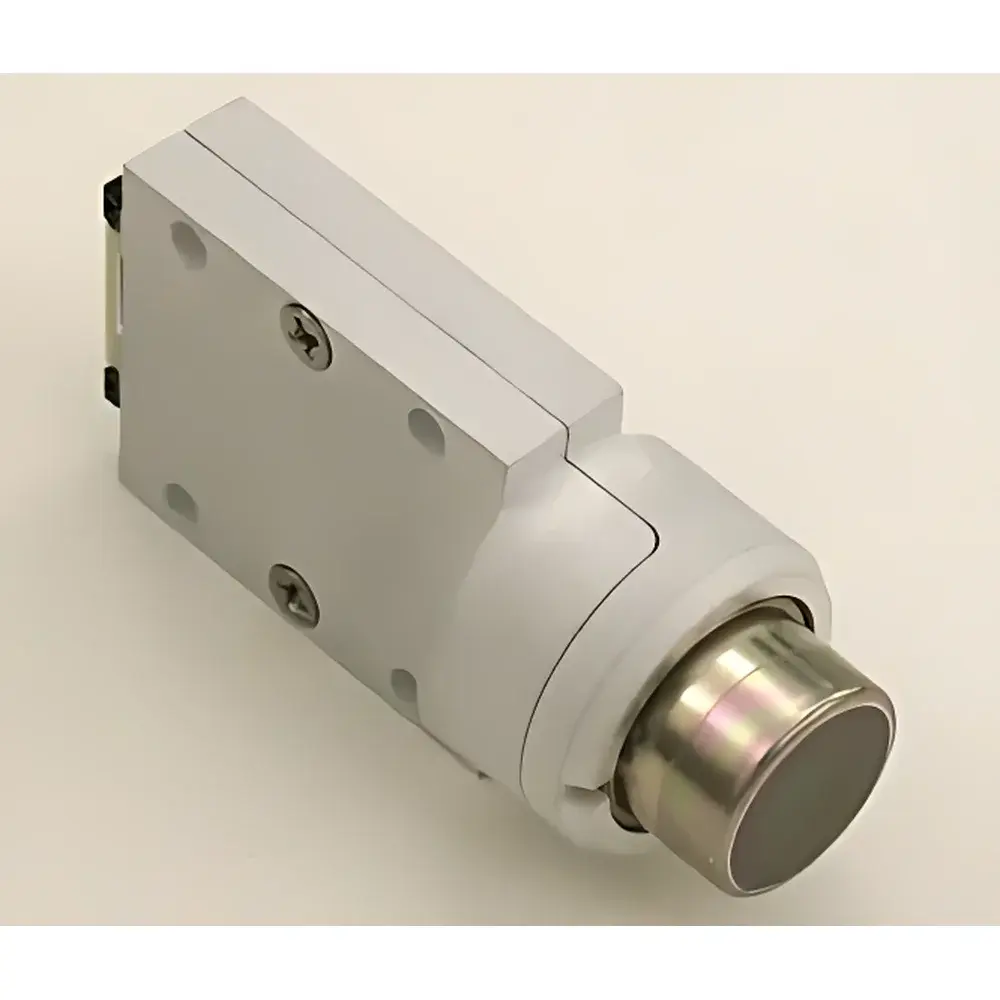
Amptek PA-210/PA-230 X-ray Preamplifier Modules for Si-PIN, SDD, and CdTe Detectors
| Brand | Amptek |
|---|---|
| Origin | USA |
| Model | PA-210/PA-230 |
| Power Supply Requirements | +5 VDC / −5 VDC (±50 mV ripple, 15 mA each) |
| HV Input Range | +100 to +200 V (Si-PIN), −90 to −260 V (SDD/CdTe) |
| TEC Drive | 3.5 V / 350 mA (max), <0.1 Vpp noise |
| Temperature Sensing | 160 µA-biased diode output (calibrated to 230 K minimum operating point) |
| Connector | 10-pin micro coaxial (0.025" pitch) |
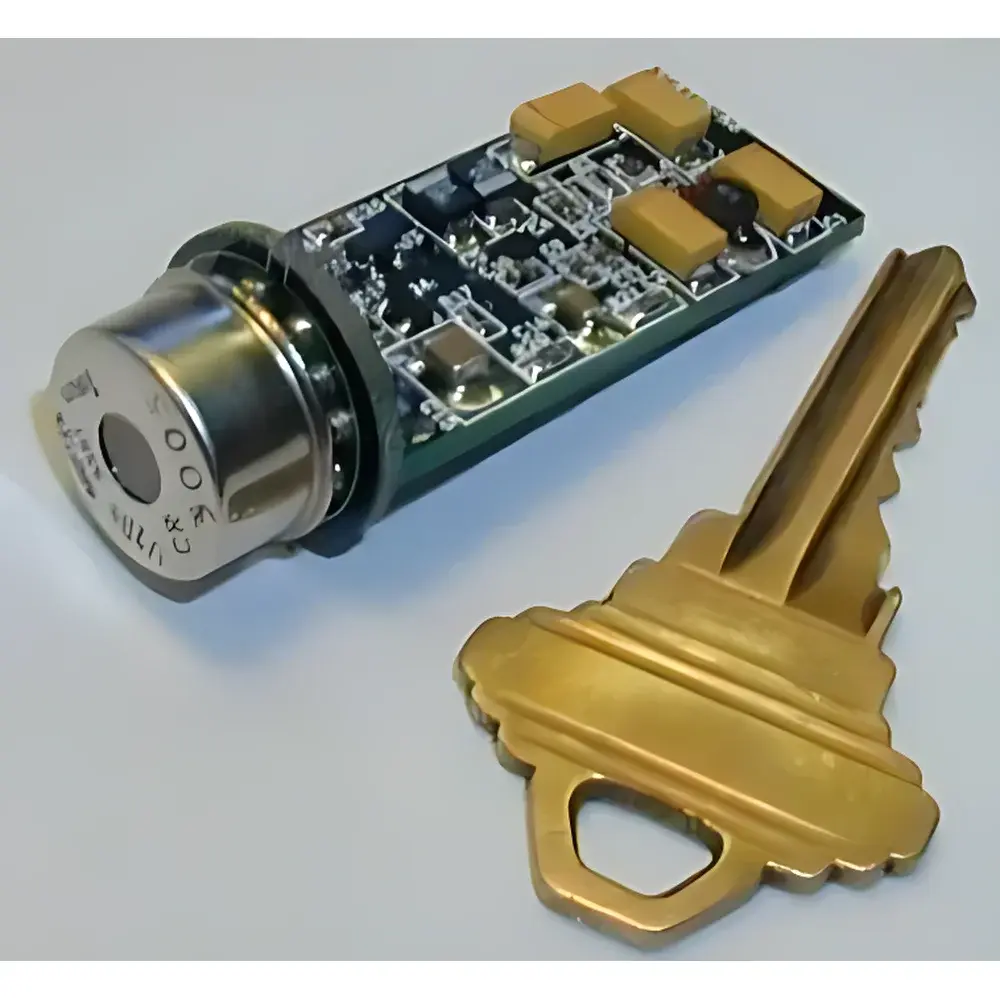
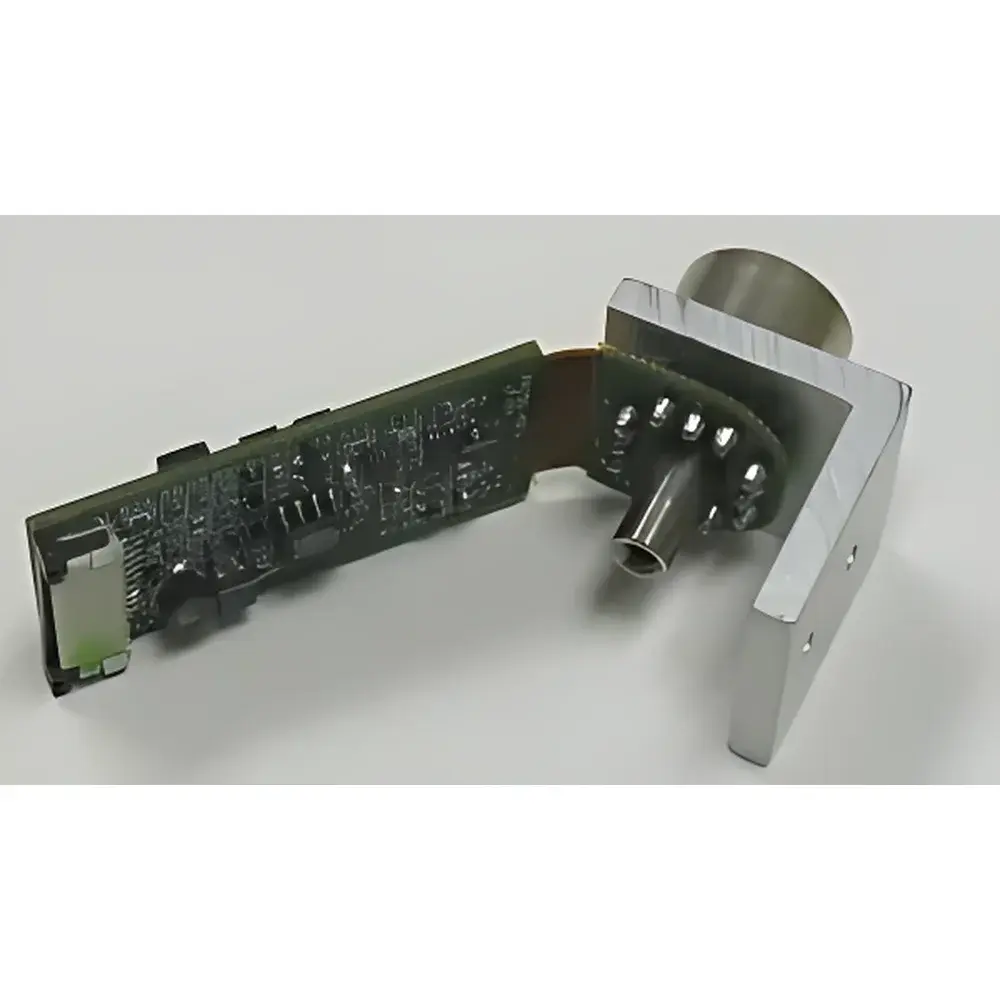
| Mechanical Form Factors | Cylindrical (PA-210, Ø18 mm × 40 mm) and Flexible PCB-mount (PA-230) |
| Compliance | Designed for OEM integration into ISO/IEC 17025-compliant XRF, XRD, and EDX systems |
Overview
The Amptek PA-210 and PA-230 are low-noise, high-stability charge-sensitive preamplifiers engineered for seamless integration with Amptek’s family of X-ray detectors—including silicon PIN diodes (Si-PIN), silicon drift detectors (SDD), and cadmium telluride (CdTe) sensors. These modules serve as the critical first stage in the signal chain for energy-dispersive X-ray spectroscopy (EDS/EDX), portable X-ray fluorescence (pXRF), and laboratory-scale X-ray diffraction (XRD) systems. Operating on the principle of charge-to-voltage conversion, the preamplifier captures minute ionization charges generated by incident X-ray photons and delivers a proportional analog pulse to downstream shaping amplifiers or digital pulse processors (e.g., DP5). Unlike integrated solutions, the PA-210/PA-230 architecture is purpose-built for OEM system developers requiring full control over thermal management, mechanical packaging, grounding topology, and HV biasing strategy—enabling compliance with stringent spectral resolution, count-rate linearity, and long-term stability requirements in regulated analytical environments.
Key Features
- Ultra-low-noise front-end design optimized for FWHM energy resolution preservation across 0.1–100 keV photon energies
- Dual HV polarity support: +100 to +200 V for Si-PIN detectors; −90 to −260 V for SDD and CdTe, with voltage regulation stability better than ±0.1%
- Integrated thermoelectric cooler (TEC) interface supporting closed-loop temperature control down to 230 K (−43 °C), essential for dark current suppression and detector stabilization
- On-board temperature sensing via calibrated 160 µA-biased diode (output voltage linearly traceable to detector junction temperature per Figure 3)
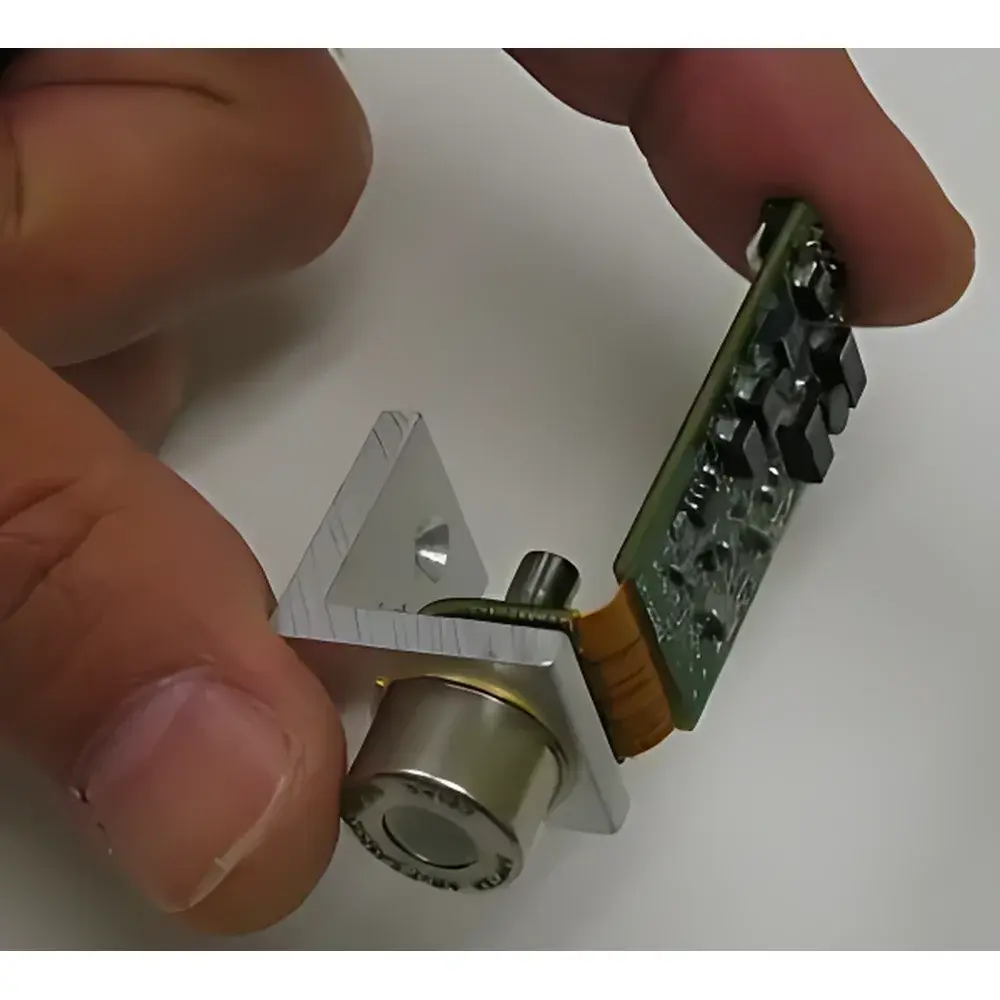
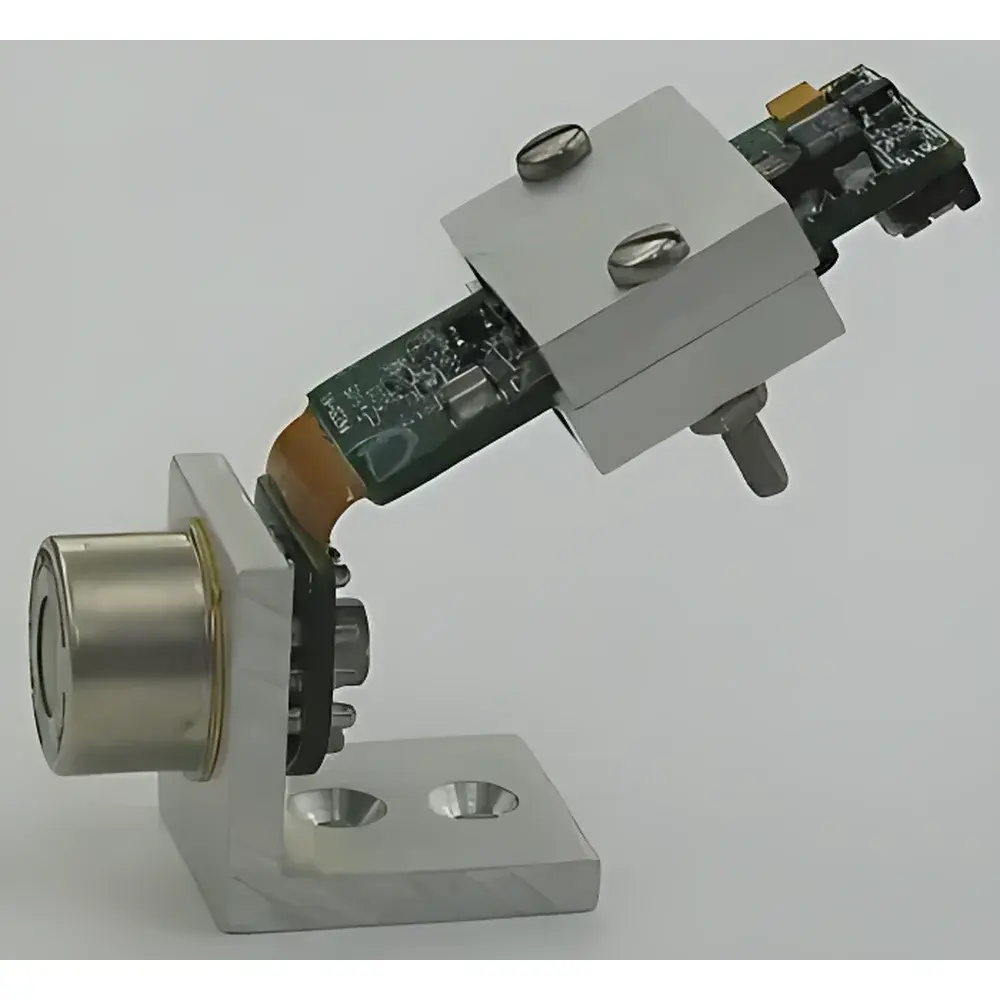
- Compact mechanical options: PA-210 features a rigid cylindrical housing (Ø18 mm × 40 mm) with standardized mounting threads and thermal interface surfaces; PA-230 utilizes a flexible PCB substrate enabling conformal mounting adjacent to detector assemblies
- 10-pin micro-coaxial connector (0.025″ pitch) with defined pinout for signal integrity-critical routing—including separate analog ground (PIN 5), chassis ground (PIN 8), and low-noise power rails
- Compatibility with industry-standard external components: shaping amplifiers (e.g., ORTEC 460), multichannel analyzers (MCAs), and USB/Ethernet-based digital signal processors
Sample Compatibility & Compliance
The PA-210/PA-230 modules are validated for use with all Amptek detector families rated for ambient or cryogenically stabilized operation. They meet the electrical interface specifications required for conformance with ASTM E1301 (standard guide for energy-dispersive X-ray spectrometry), ISO 21043 (XRF instrumentation performance verification), and IEC 61000-4-3 (EMC immunity for measurement equipment). When integrated into GxP-regulated workflows—such as pharmaceutical elemental impurity testing per USP / or RoHS screening—the modules support audit-ready system architectures when paired with FDA 21 CFR Part 11–compliant data acquisition software (e.g., Amptek’s DPPMCA or third-party platforms with secure user authentication and electronic signature capabilities). Thermal design must ensure sustained detector junction temperatures ≤230 K under worst-case ambient conditions (30–35 °C), preserving spectral peak shape fidelity and minimizing escape peak interference.
Software & Data Management
While the PA-210/PA-230 operate exclusively in hardware mode, their analog output signals are fully compatible with Amptek’s DP5 Digital Pulse Processor and associated PC5 power supply module—which provides embedded temperature readout, HV regulation, and real-time spectral acquisition via USB 2.0. For standalone integration, users may interface the preamplifier output with commercial MCA firmware (e.g., Canberra’s Genie 2000 or XIA’s Pixie-Net) supporting GLP/GMP audit trails, calibration certificate logging, and spectral library matching. All temperature-dependent gain correction algorithms require traceable diode calibration data (provided in Figure 3), and system-level validation must include energy scale linearity checks using certified reference sources (e.g., Mn Kα at 5.895 keV, Co Kα at 6.930 keV).
Applications
- OEM development of benchtop and handheld XRF analyzers for mining, scrap metal sorting, and environmental soil screening
- Custom XRD detector arrays requiring low-profile, thermally isolated preamplification near the goniometer focal plane
- Space-qualified radiation monitoring systems where mass, power, and thermal dissipation constraints necessitate distributed signal conditioning
- Academic and national lab setups integrating hybrid detector stacks (e.g., SDD + CdTe coincidence detection) with independent front-end electronics per channel
- In-line process analyzers for cement, polymers, and battery cathode material QC, operating under industrial EMC conditions
FAQ
Do the PA-210/PA-230 modules include built-in high-voltage generation?
No. These are passive preamplifiers requiring externally supplied, highly stable HV bias appropriate to the connected detector type (positive for Si-PIN, negative for SDD/CdTe).
Can I use the PA-210/PA-230 without the DP5/PC5 system?
Yes—however, users must provide discrete +5 VDC/−5 VDC supplies meeting strict noise specifications (<50 mVpp), implement independent TEC driver circuitry, and manage temperature feedback via external controllers.
What is the recommended minimum operating temperature for the detector when using these preamplifiers?
For optimal spectral resolution and long-term detector reliability, maintain detector junction temperature at or below 230 K (−43 °C), allowing ≥10 °C margin above ambient.
Are mechanical housings included with the PA-210/PA-230 modules?
Housings are optional accessories (Figures 7 and 13); they provide EMI shielding, standardized mounting features, and enhanced thermal coupling but are not bundled by default.
Does Amptek provide calibration certificates for the temperature-sensing diode?
Yes—each module includes a factory-measured diode voltage vs. temperature curve (Figure 3) traceable to NIST standards, valid under 160 µA excitation current.






