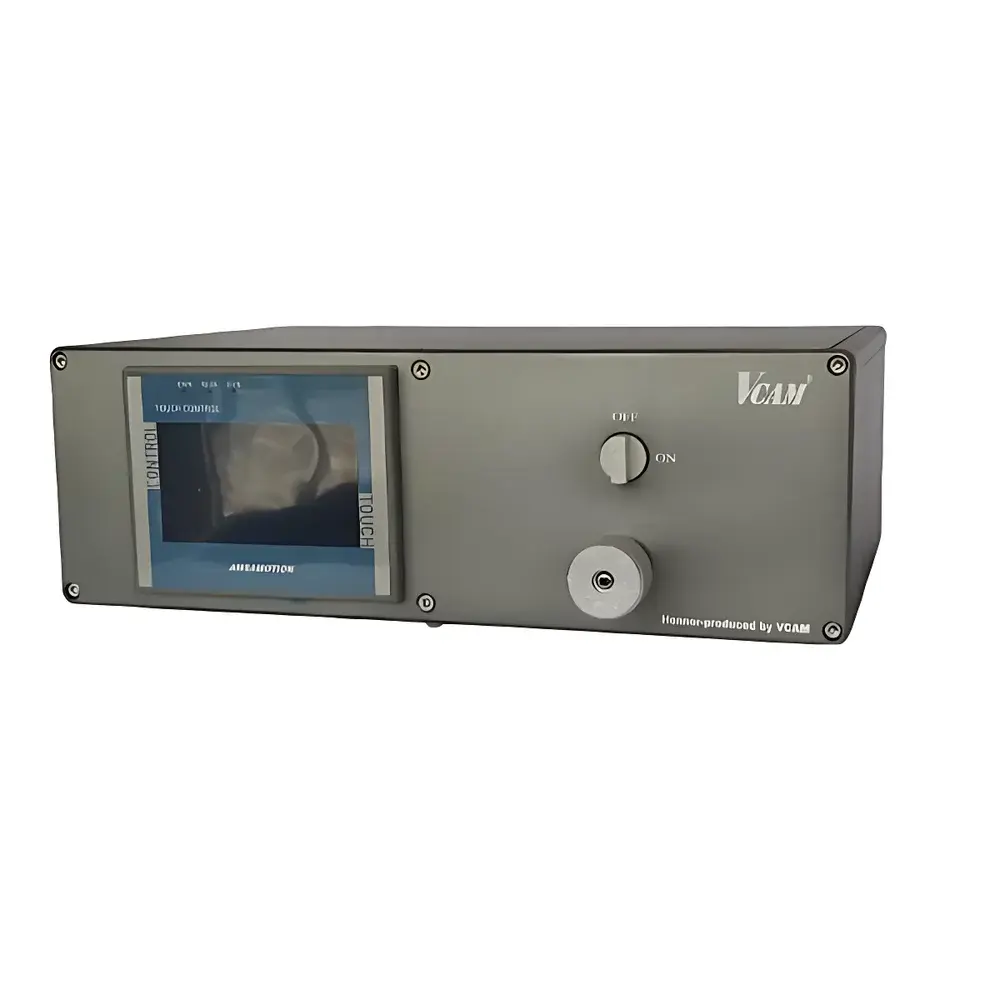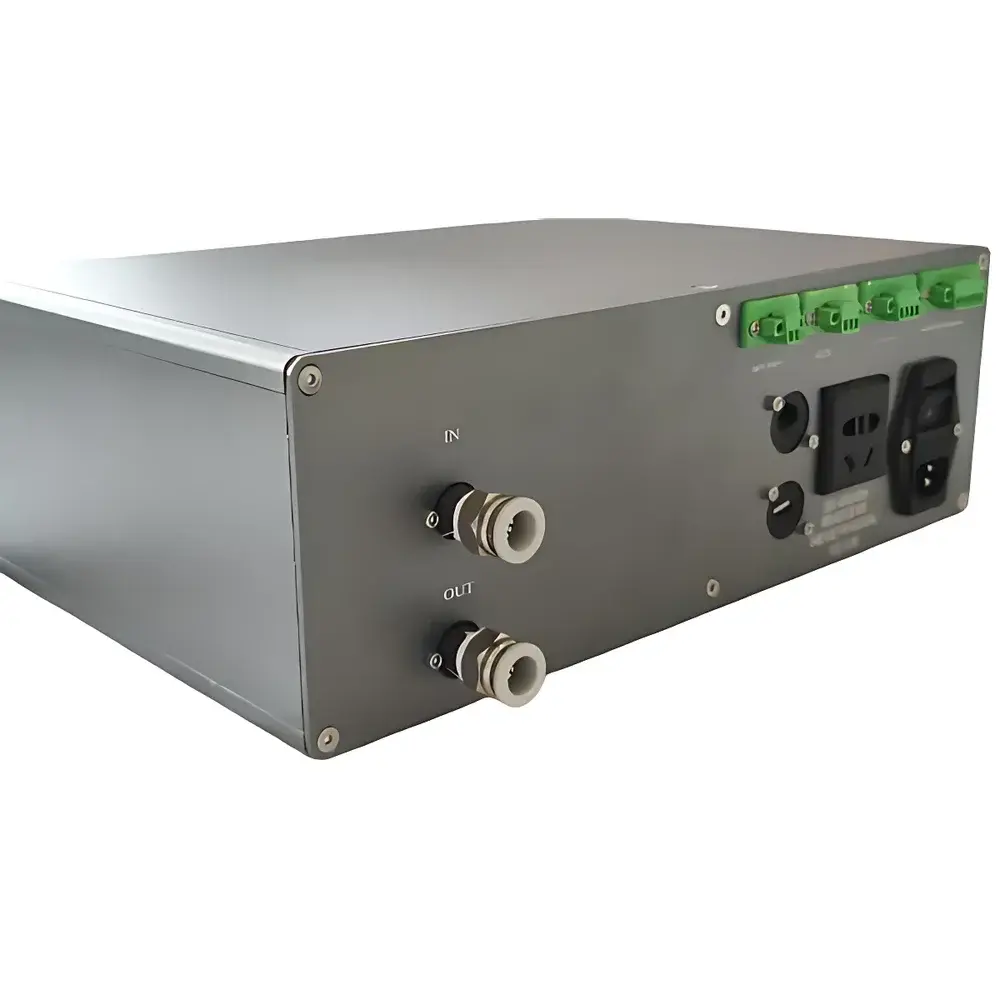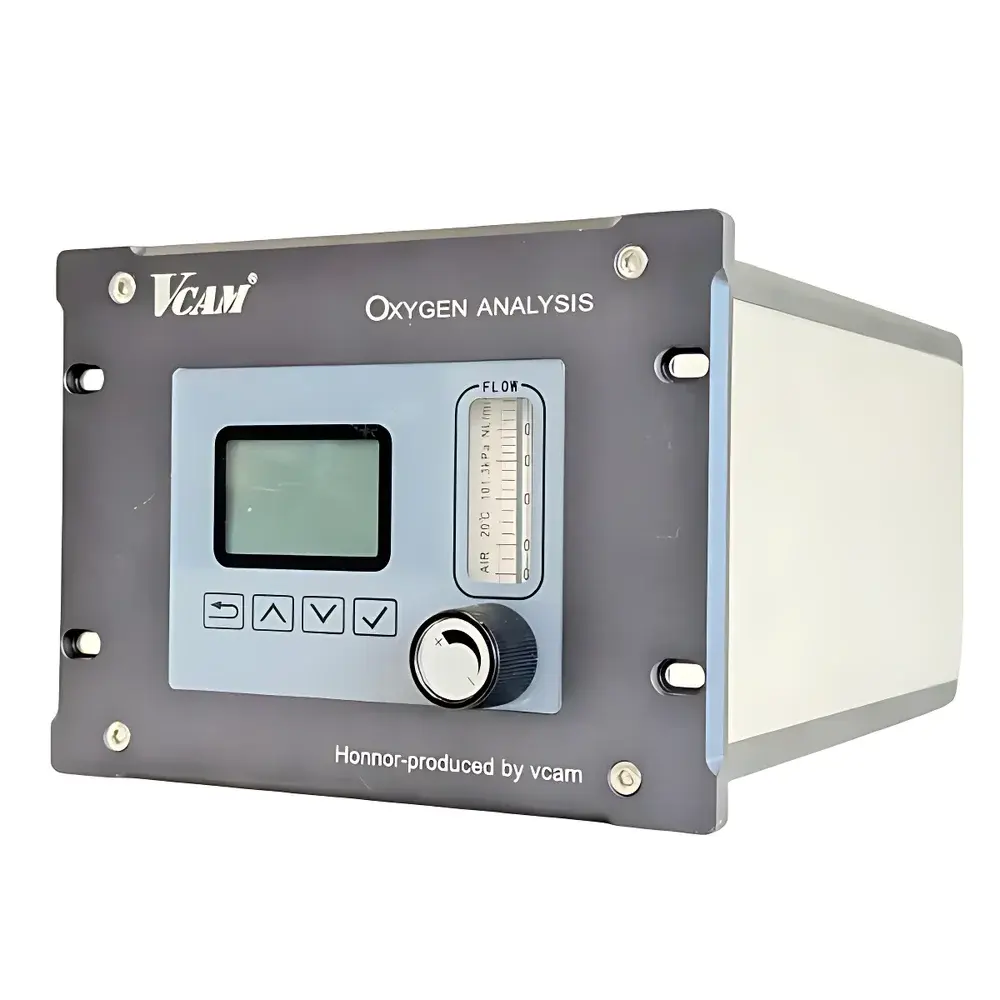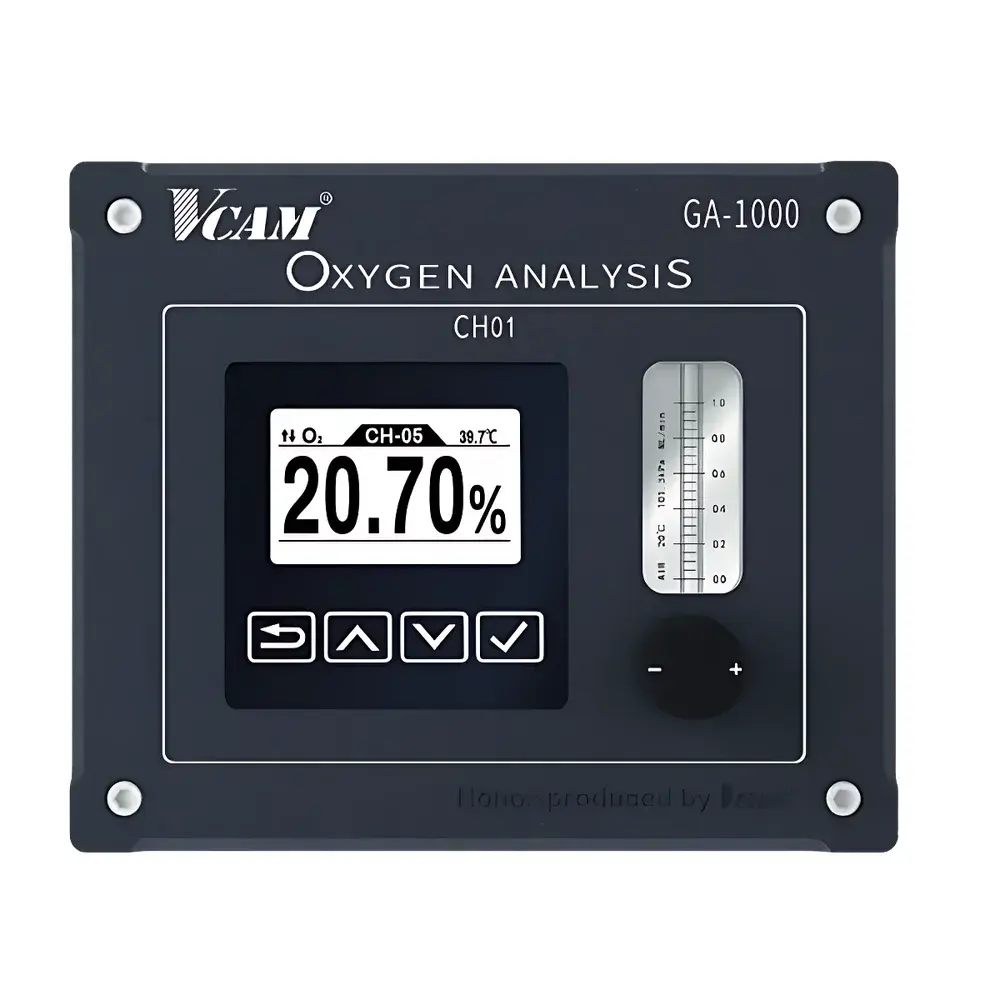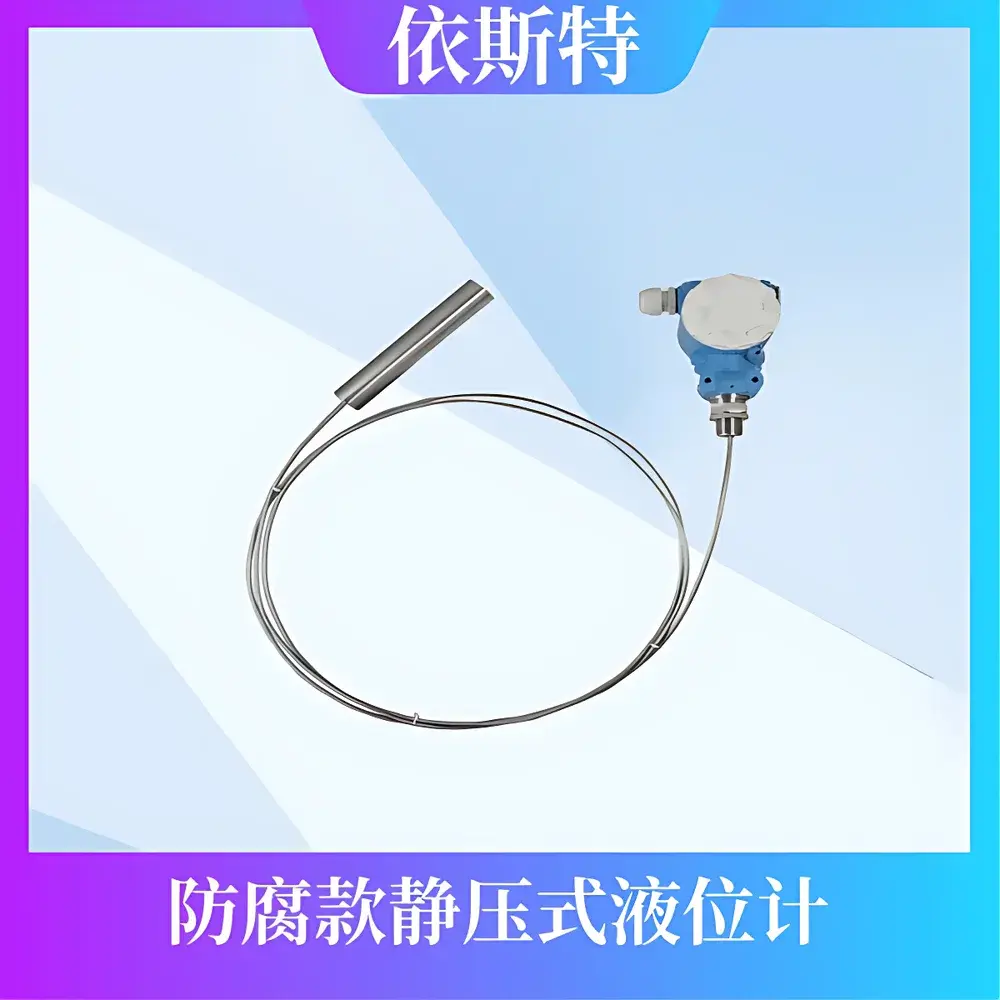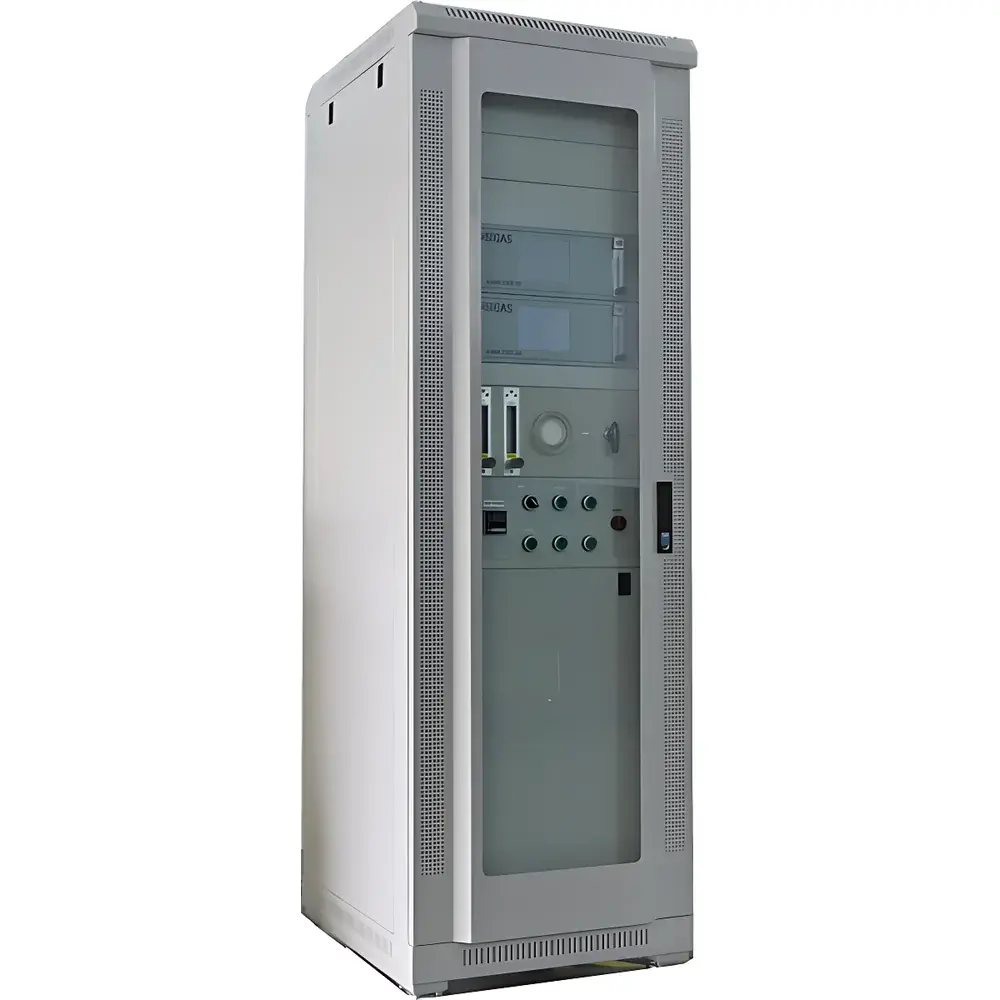
SIGAS S-SYSTEM CEMS Continuous Emission Monitoring System
| Brand | SIGAS |
|---|---|
| Origin | Jiangsu, China |
| Model | S-SYSTEM CEMS |
| Detection Gases | Flue Gas |
| Accuracy | ±1% FS |
| Response Time | T90 < 2 s at 60 L/h flow |
| Warm-up Time | ~2 min |
| Resolution | 0.01 ppm |
| Linearity Error | ≤ ±2% FS to ±5% FS |
| Zero Calibration | Clean Air |
| Inlet Gas Temperature Range | 5–30 °C |
| Display Units | ppm, mg/m³ |
| Output Signals | 4–20 mA, RS485 |
| Enclosure Rating | IP42 (EN 60529) |
Overview
The SIGAS S-SYSTEM CEMS is a fully integrated Continuous Emission Monitoring System engineered for regulatory-grade compliance and long-term operational stability in industrial flue gas streams. Designed in accordance with international performance standards—including ISO 14064-1 (Greenhouse Gas Accounting), EN 15267 (QAL1 certification framework), and aligned with EPA Method 1–10 and China’s HJ 75–2017 and HJ 76–2017 technical specifications—the system provides real-time, traceable measurement of regulated gaseous pollutants (SO₂, NOₓ, CO, CO₂, O₂), particulate matter (PM), and critical flue gas parameters (temperature, pressure, velocity, humidity, and oxygen content). Its modular architecture supports extractive sampling with heated probe and transport line, dilution or direct conditioning, and multi-sensor detection—enabling dry-base, wet-base, and normalized (e.g., 6% O₂, 101.3 kPa) concentration reporting required by environmental authorities. The system operates on the principle of UV/IR absorption spectroscopy for gaseous species and light scattering (nephelometry) or beta attenuation for particulates, ensuring high selectivity and minimal cross-interference under varying stack conditions.
Key Features
- Modular subsystem integration: independently certified gas analyzers, PM monitor, and flue gas parameter sensors—all synchronized via a central data acquisition unit (DAU)
- Fast response kinetics: T90 < 2 s at standard sample flow (60 L/h); optimized to < 1 s at elevated flow (180 L/h), supporting dynamic process control and rapid emission event capture
- High-resolution quantification: 0.01 ppm detection limit for SO₂/NOₓ and 0.01 g/m³ for PM, meeting stringent Tier 2 monitoring requirements per EU IED Annex VIII
- Automated zero calibration using certified clean air—no span gas required for routine drift verification, reducing consumables and maintenance overhead
- Robust thermal management: heated sampling probe and transport line maintain condensate-free sample integrity across ambient temperatures from 5–30 °C
- Industrial-grade enclosure rated IP42 (EN 60529), suitable for indoor control room or protected outdoor mounting near stack interfaces
- Dual-output interface: isolated 4–20 mA analog channels for PLC/DCS integration and RS485 Modbus RTU for bidirectional configuration and diagnostics
Sample Compatibility & Compliance
The S-SYSTEM CEMS is validated for continuous operation in flue gases from coal-fired boilers, waste incinerators, cement kilns, and chemical process heaters. It accommodates gas matrices containing up to 20% CO₂, ≤15% H₂O (v/v), and particulate loadings up to 50 g/m³ (dry basis), with optional filtration and cooling stages for high-dust applications. All analytical modules comply with QAL1 (Quality Assurance Level 1) equivalency per EN 14181 and support periodic AST (Annual Surveillance Test) execution. Data integrity meets GLP/GMP-aligned audit trail requirements: timestamped raw sensor outputs, calibration logs, fault flags, and manual override records are retained for ≥18 months. The system supports configurable reporting formats compliant with national ETS (Emissions Trading System) submission protocols and regional environmental bureau portals (e.g., China’s National Emission Permit Management Platform).
Software & Data Management
The embedded DAU runs SIGAS CEMS-OS v3.x firmware—a deterministic real-time OS supporting dual-redundant storage and automatic data gap-filling per HJ 75–2017 §6.5. The web-based CEMS Manager software (accessible via secure HTTPS) enables remote configuration, trend visualization, alarm thresholding (with email/SMS notification via optional gateway), and automated generation of regulatory reports: hourly averages, daily maxima, monthly mass emissions (kg/h, t/month), and annual totals. All data exports include digital signatures and SHA-256 checksums. Audit logging satisfies FDA 21 CFR Part 11 requirements for electronic records and signatures when deployed in pharmaceutical or biotech manufacturing environments requiring environmental compliance linkage.
Applications
- Regulatory compliance monitoring for thermal power plants under national emission permit systems
- Real-time emission accounting for carbon intensity reporting (Scope 1 GHG inventories)
- Process optimization feedback for combustion control—using O₂, CO, and NOₓ trends to adjust air/fuel ratios
- Stack testing support during commissioning, QAL2 validation, and periodic performance audits
- Integration into enterprise-level MES/EMS platforms for sustainability KPI dashboards
- Environmental impact assessment (EIA) baseline and post-commissioning verification
FAQ
What regulatory standards does the S-SYSTEM CEMS meet?
It conforms to HJ 75–2017 and HJ 76–2017 (China), EN 15267–1/2/3 (EU), and supports alignment with EPA PS-11 and ISO 14064–1 for GHG reporting.
Is the system capable of remote diagnostics and firmware updates?
Yes—via secure TLS-encrypted web interface and optional cellular or fiber-optic backhaul; all updates undergo cryptographic signature verification.
How is data integrity ensured during network outages?
Local DAU storage retains ≥30 days of second-by-second raw data and processed metrics; automatic resynchronization occurs upon connection restoration.
Can the system be expanded to monitor additional gases such as NH₃ or HCl?
Yes—through hot-swappable analyzer modules compatible with UV-DOAS, FTIR, or electrochemical sensor technologies, subject to QAL1 revalidation.
Does the system support third-party SCADA or DCS integration?
Fully supported via Modbus RTU (RS485), OPC UA (optional), and hardwired 4–20 mA with HART-enabled transmitters.