
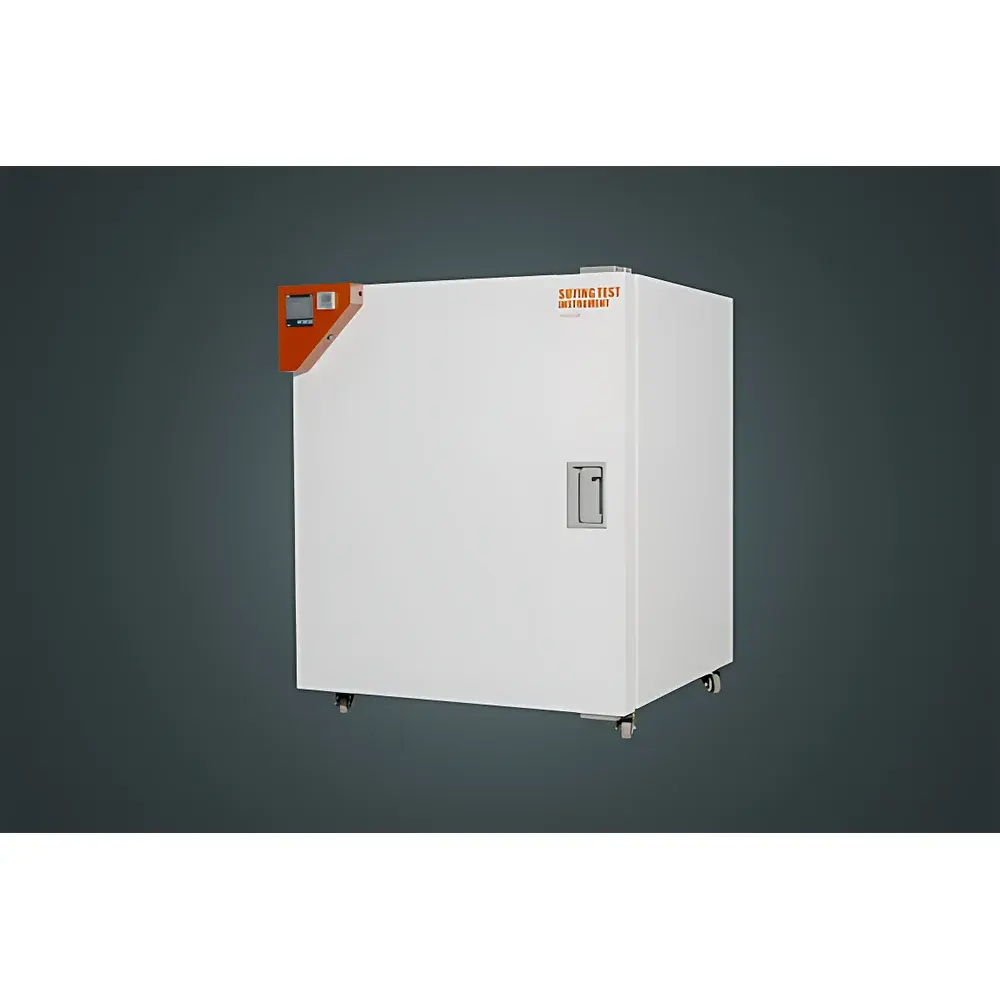
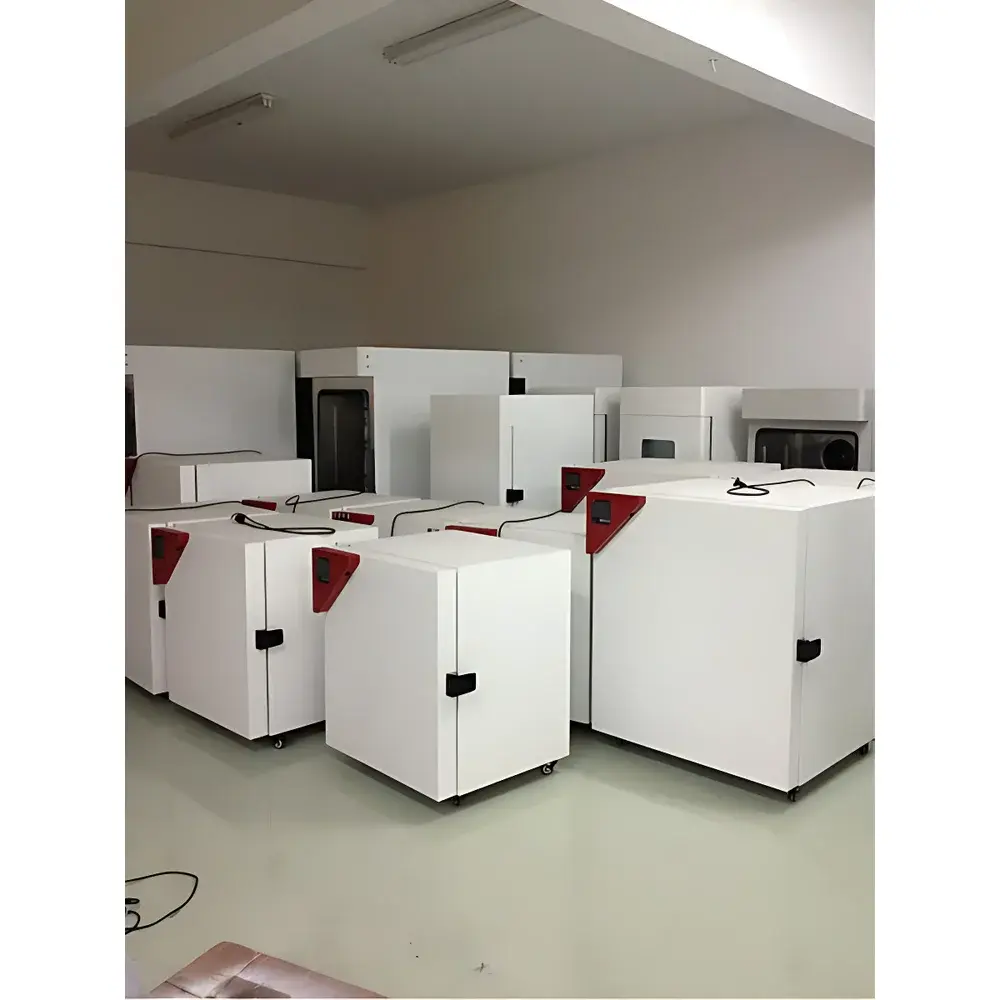
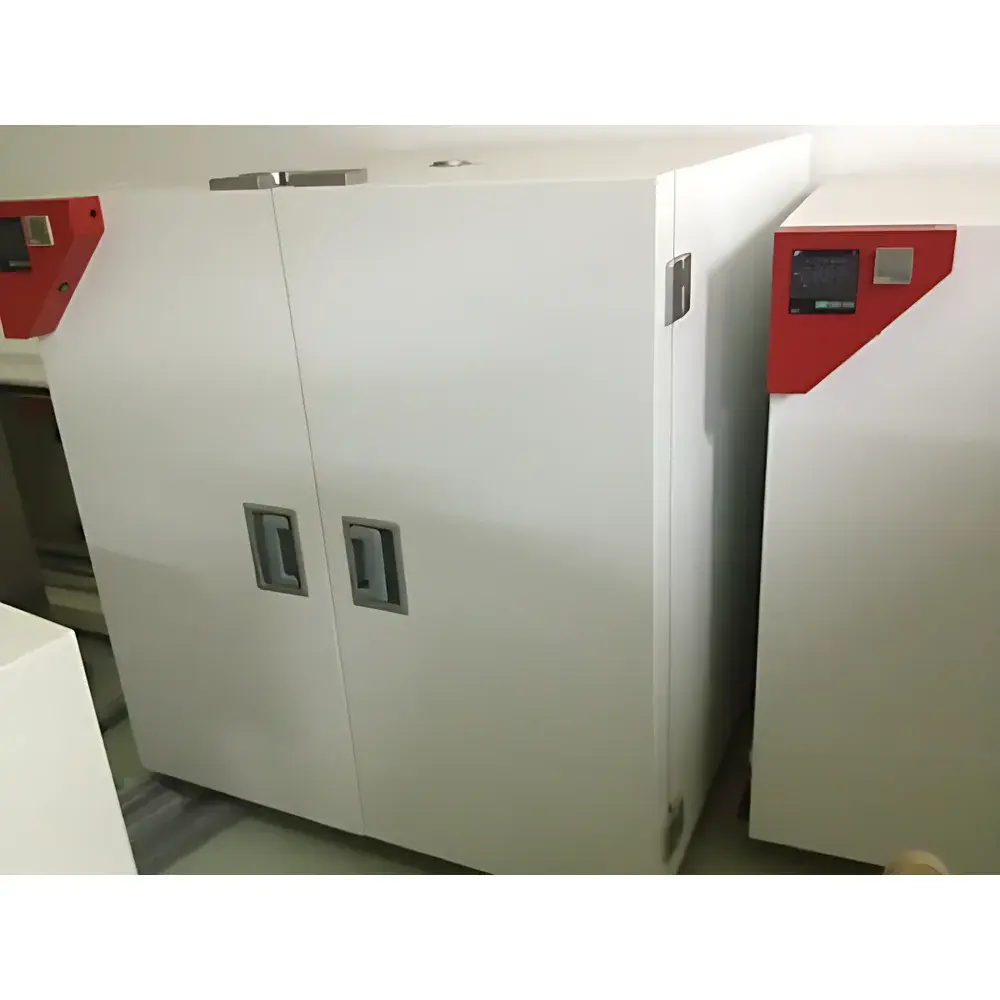
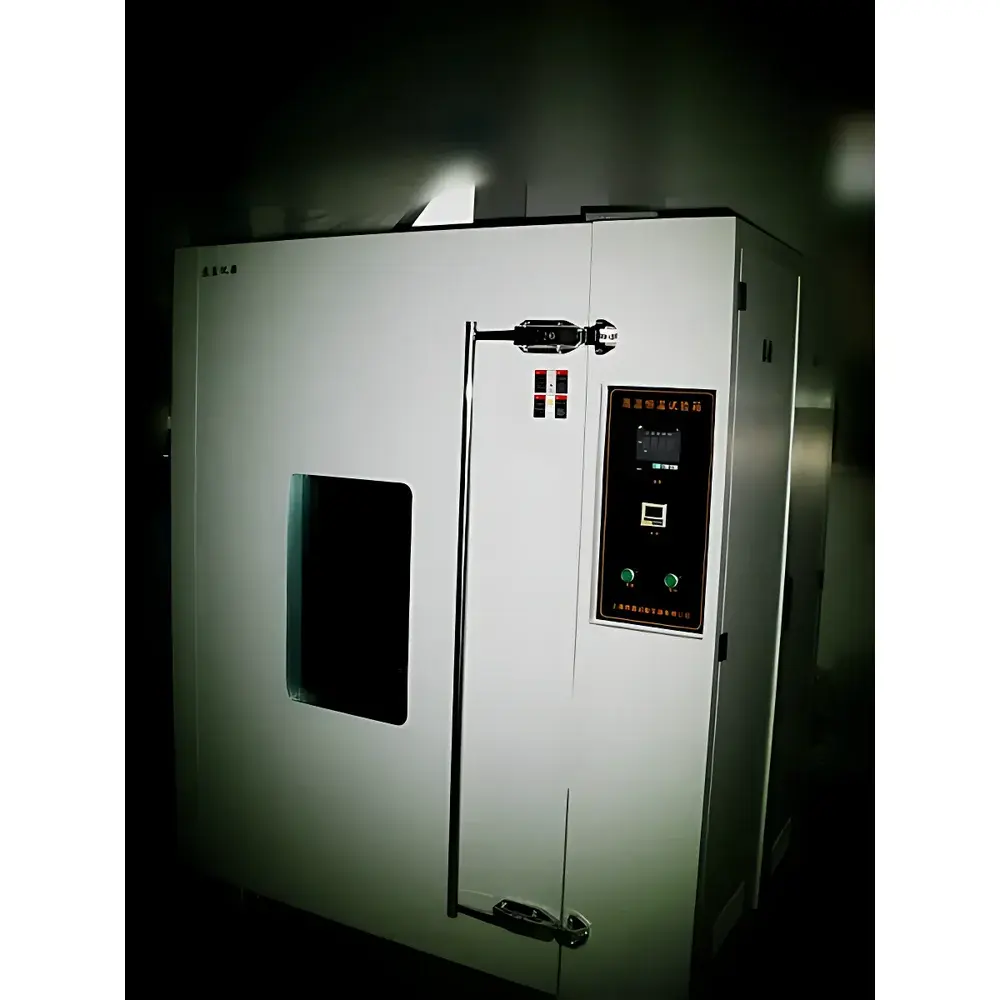
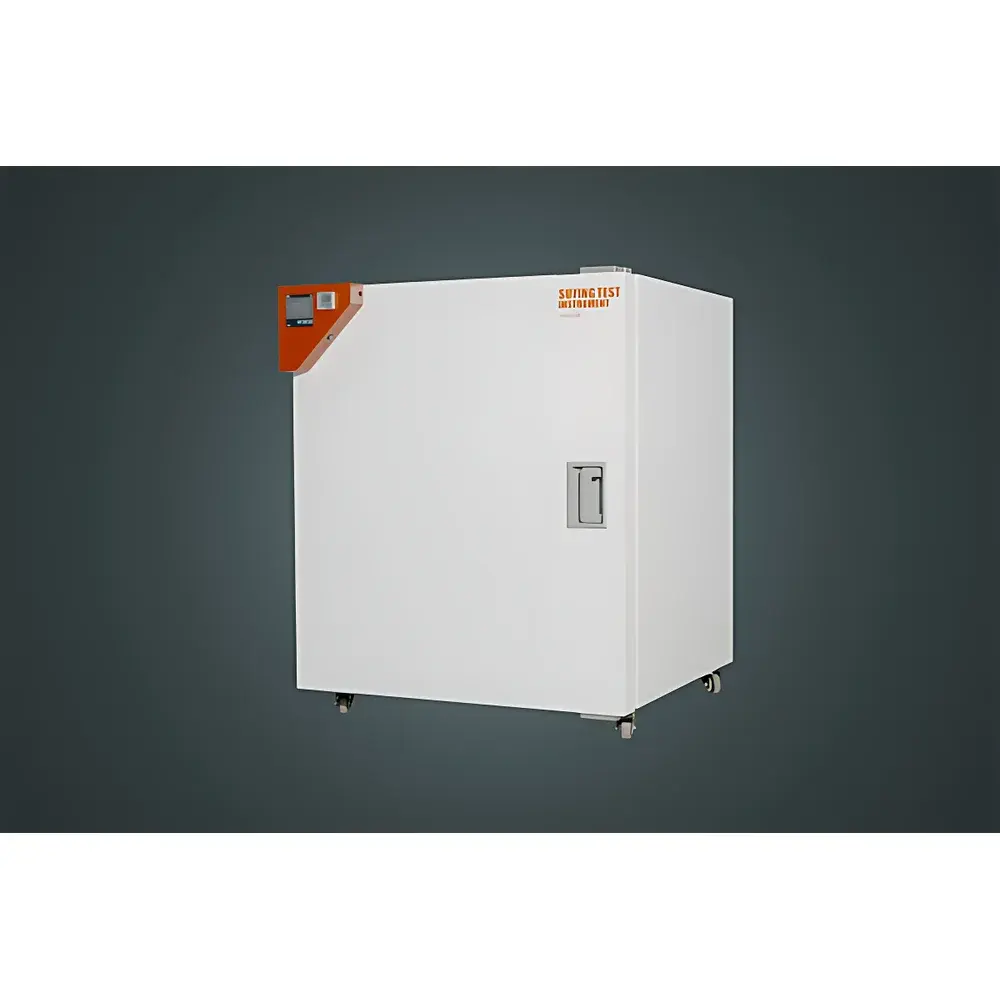
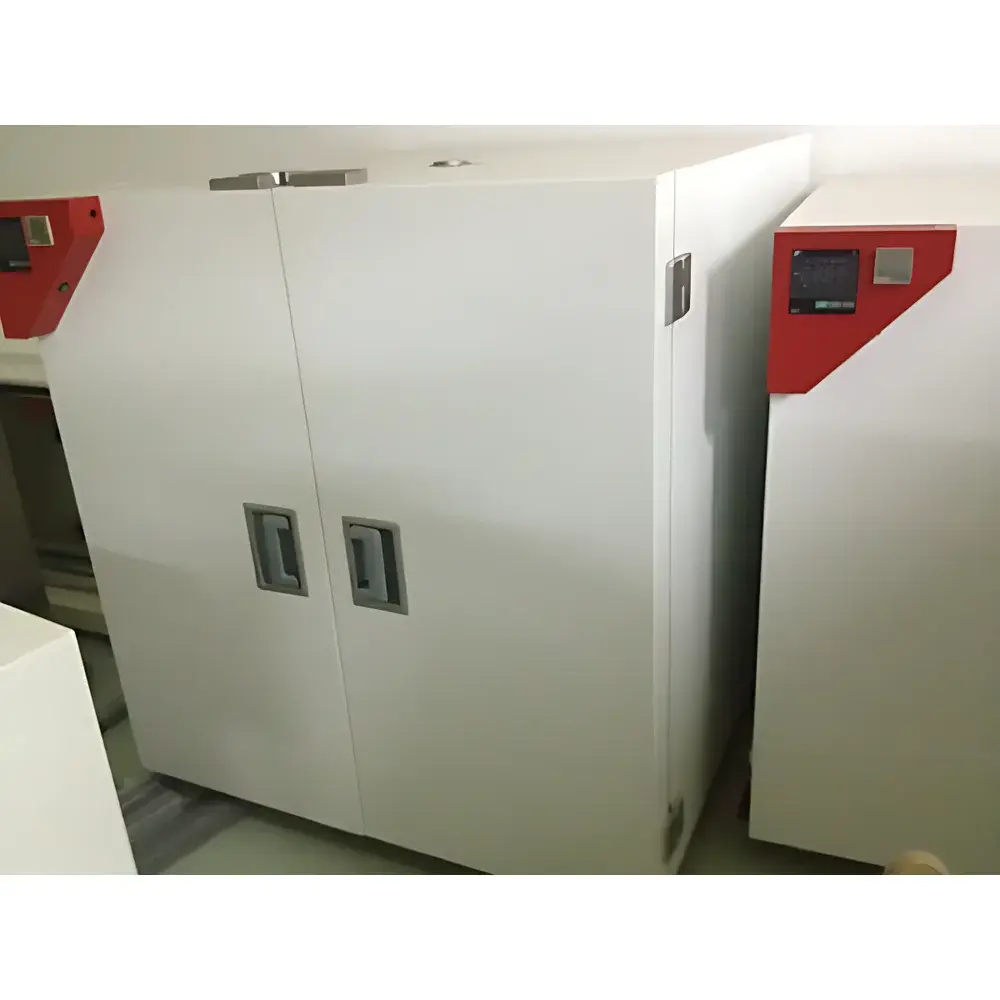
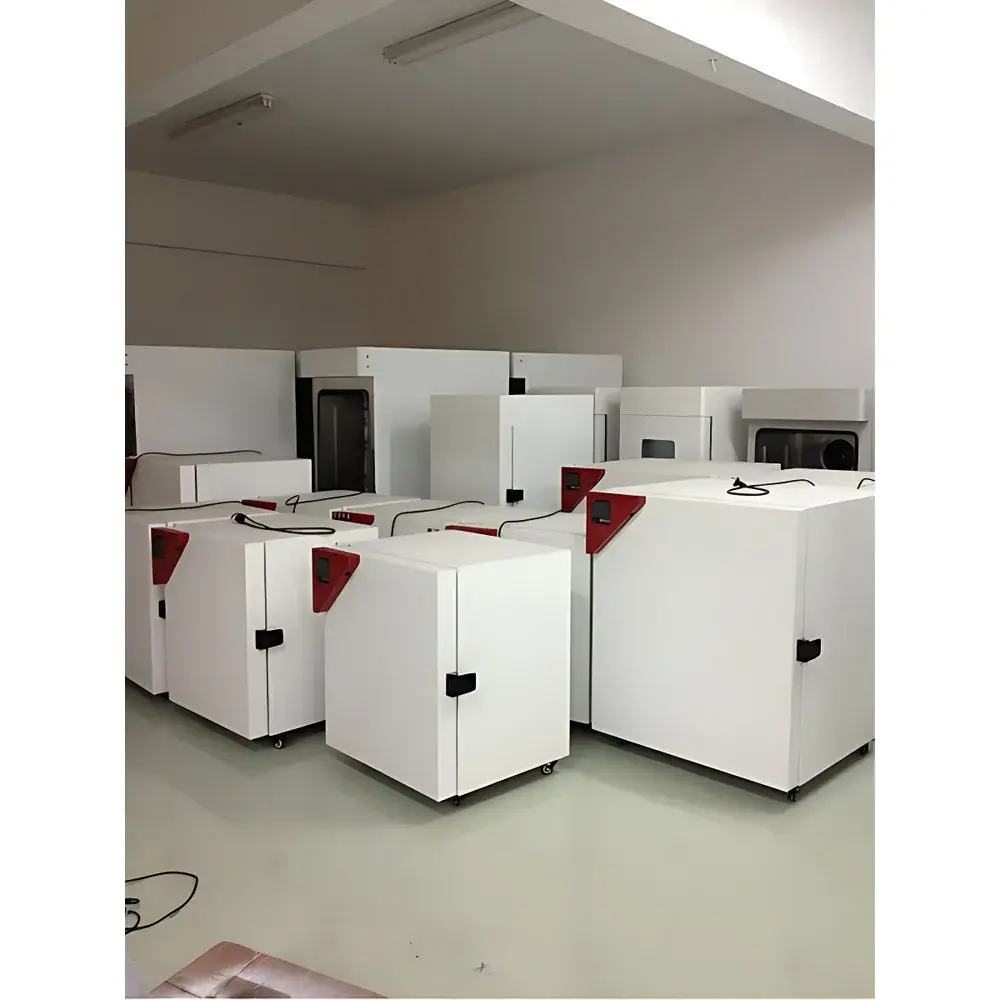
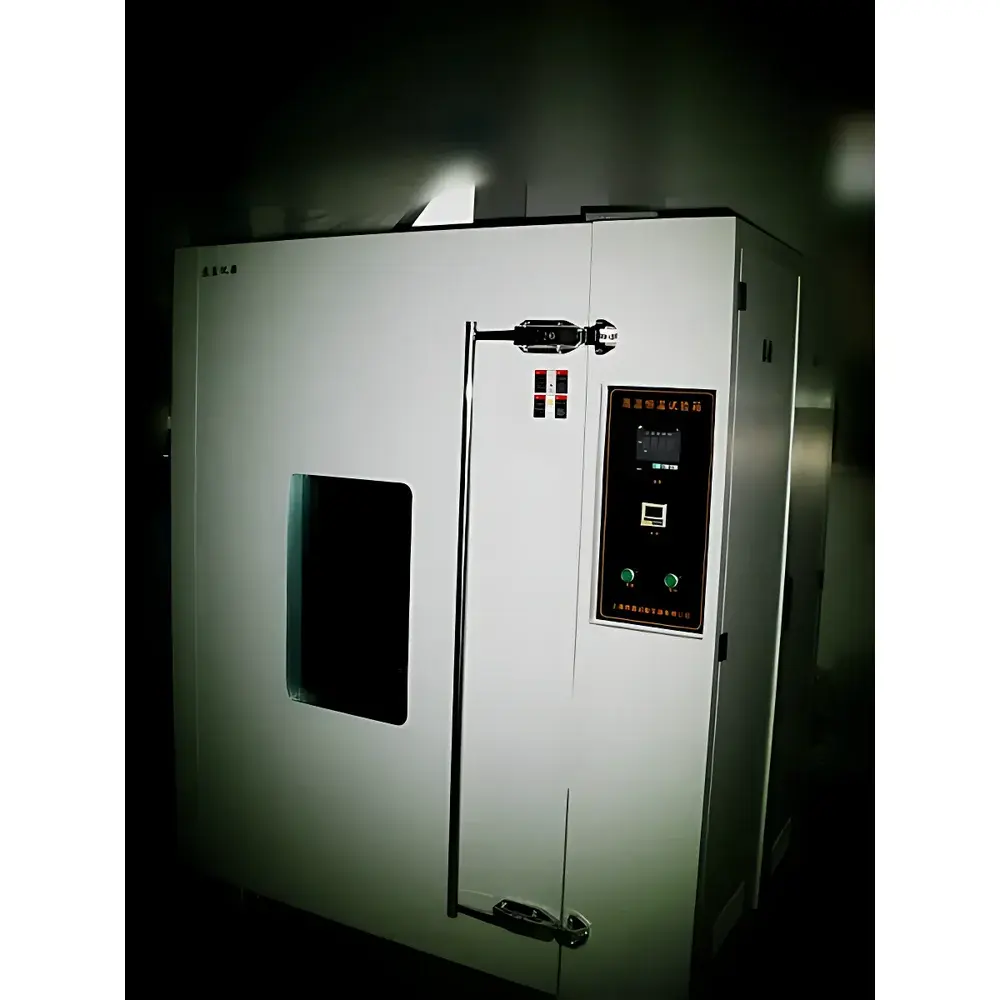
Suying PH-Series Precision High-Temperature Aging Oven
| Brand | Suying |
|---|---|
| Origin | Shanghai, China |
| Manufacturer Type | Authorized Distributor |
| Product Origin | Domestic (China) |
| Models | PH-100 / PH-250 / PH-500 / PH-1000 |
| Price Range | USD 1,400–14,000 (FOB Shanghai) |
| Max Operating Temperature | 250 °C / 300 °C (model-dependent) |
| Temperature Uniformity | ±0.5 °C |
| Control Accuracy | ±0.1 °C |
| Working Chamber Volume | 100 L to 1000 L |
| Ambient Start Temperature | RT+10 °C |
| Construction | Interior – 304 Stainless Steel (TIG-welded) |
| Air Circulation | Dual-axis forced convection (horizontal + vertical), adjustable multi-blade centrifugal fan |
| Controller | Fuji P.I.D. microprocessor-based digital temperature controller with over-temperature deviation protection |
| Sealing | High-temp silicone gasket (rated to 350 °C) |
| Safety Compliance | Meets GB/T 5170.2–2017 (Chinese national standard for temperature test equipment), compatible with ISO 17025 laboratory environmental control requirements |
Overview
The Suying PH-Series Precision High-Temperature Aging Oven is an engineered environmental test chamber designed for controlled thermal aging, high-temperature curing, and long-term stability testing of materials and components under sustained elevated temperatures. Based on the principle of forced-air convection with dual-axis airflow distribution—horizontal and vertical—the system ensures uniform thermal exposure across the entire working chamber volume. It operates within a calibrated temperature range from ambient +10 °C up to 250 °C or 300 °C (depending on model configuration), making it suitable for applications requiring precise thermal profiling in electronics manufacturing, polymer processing, automotive component qualification, and academic materials science research. The chamber’s thermally stable architecture minimizes thermal gradients, supporting reproducible aging protocols aligned with industry-standard accelerated life testing methodologies.
Key Features
- Stainless steel interior (304 grade, TIG-welded) and corrosion-resistant exterior housing ensure structural integrity and longevity under continuous high-temperature operation.
- Dual-axis forced-air circulation system—engineered with a multi-blade centrifugal fan and optimized duct layout—delivers uniform temperature distribution (±0.5 °C) throughout the working chamber.
- Fuji-brand P.I.D. microprocessor controller with real-time digital display, programmable ramp/soak profiles, and independent over-temperature deviation protection circuitry (cut-off at +5 °C above setpoint).
- High-performance silicone door gasket rated for continuous service up to 350 °C, maintaining sealing integrity and minimizing heat loss during extended aging cycles.
- Electrical control system integrates Schneider AC contactors (mechanical life: 20 million operations; electrical life: 2 million operations) and Fuji miniature relays (250 VAC/3 A, 28 VDC/5 A), configured for industrial-grade reliability and fail-safe response.
- Compliant with GB/T 5170.2–2017 for temperature performance verification and supports traceable calibration per ISO/IEC 17025 requirements when used in accredited laboratories.
Sample Compatibility & Compliance
The PH-Series accommodates a broad spectrum of sample types—including PCB assemblies, semiconductor packages, elastomeric seals, thermoset adhesives, battery cells, and molded plastic housings—without risk of cross-contamination or thermal degradation of chamber surfaces. Its inert stainless-steel interior and absence of organic insulation materials prevent outgassing that could compromise sensitive electronic or optical components. While not certified to UL 61010-1 or IEC 61000-4 series by default, the design adheres to fundamental safety principles outlined in those standards, including over-temperature cutoff, grounding continuity, and dielectric strength testing. For regulated environments (e.g., automotive PPAP validation or medical device IQ/OQ), optional documentation packages—including Factory Acceptance Test (FAT) reports, as-built schematics, and calibration certificates traceable to NIM (National Institute of Metrology, China)—are available upon request.
Software & Data Management
The embedded Fuji controller provides local data logging of temperature setpoints, actual chamber readings, and alarm events at user-defined intervals (1 s to 60 min). Logged data can be exported via RS-485 interface (Modbus RTU protocol) to external SCADA systems or laboratory information management systems (LIMS). Optional Ethernet-enabled data acquisition modules support integration with Windows-based monitoring platforms compliant with FDA 21 CFR Part 11 requirements—including electronic signatures, audit trails, and role-based access control—when deployed in GLP/GMP-regulated settings. All firmware versions undergo version-controlled release cycles with documented change logs and backward-compatible configuration file handling.
Applications
- Accelerated thermal aging of automotive wiring harnesses, connectors, and under-hood plastics per SAE J2238 and ISO 16750-4 protocols.
- Curing and post-bake stabilization of epoxy encapsulants and conformal coatings in semiconductor packaging lines.
- Stability assessment of lithium-ion battery separators and cathode materials under isothermal stress conditions.
- Validation of thermal endurance in aerospace-grade adhesives and composite laminates per ASTM D3418 and MIL-STD-810H Method 501.7.
- Research-scale polymer degradation kinetics studies in university materials engineering labs, supporting Arrhenius modeling of activation energy.
- Pre-conditioning of reference standards and metrology artifacts prior to dimensional or mechanical property measurement.
FAQ
What is the maximum allowable operating temperature for each PH-Series model?
The PH-100, PH-250, and PH-500 models are rated for continuous operation up to 250 °C; the PH-1000 variant supports 300 °C with upgraded heating elements and enhanced thermal shielding.
Can the chamber be validated for GMP-compliant processes?
Yes—when equipped with optional data logging hardware and configured with 21 CFR Part 11–compliant software, the system supports IQ/OQ execution and routine performance qualification per Annex 15 and USP .
Is third-party calibration certification available?
Calibration certificates traceable to NIM (China) or internationally recognized NMIs (e.g., NIST, PTB) can be supplied with pre-shipment verification using Class A platinum resistance thermometers (PRTs).
What maintenance intervals are recommended for long-term reliability?
Fan bearings and door gaskets should be inspected every 1,000 operational hours; heating element resistance checks are advised annually. Full preventive maintenance is recommended every 2,000 hours or biannually, whichever occurs first.
Does the system support custom programming for multi-step aging profiles?
Yes—the Fuji controller supports up to 99 segments with ramp rates adjustable from 0.1 to 10 °C/min, soak durations from 1 minute to 999 hours, and automatic cycling between up to 10 stored programs.



