
PRO DPS-20 Dual-Mode Ultrasonic-Mechanical High-Throughput Homogenizer
| Brand | PRO |
|---|---|
| Origin | USA |
| Model | DPS-20 |
| Instrument Type | Ultrasonic & Mechanical Homogenizer |
| Dimensions (W×D×H) | 324 mm × 749 mm × 464 mm |
| Processing Capacity | 20 samples per run |
| Motor Speed Range | 2,000–16,000 rpm |
| Ultrasonic Power Output | 130 W (constant amplitude) |
| Available Probe Diameters | 3 mm and 6 mm |
| Rotor Options | 7 mm × 115 mm and 10 mm × 115 mm (316 stainless steel) |
| Compatible Tube Volumes | 15 mL and 50 mL conical |
| Noise Level | 64 dB(A) |
| Timer Range | 0.01–99.99 hours |
| Weight | 38.52 kg (85 lbs) |
| Power Supply | AC 220 V, 50/60 Hz, 1200 W |
Overview
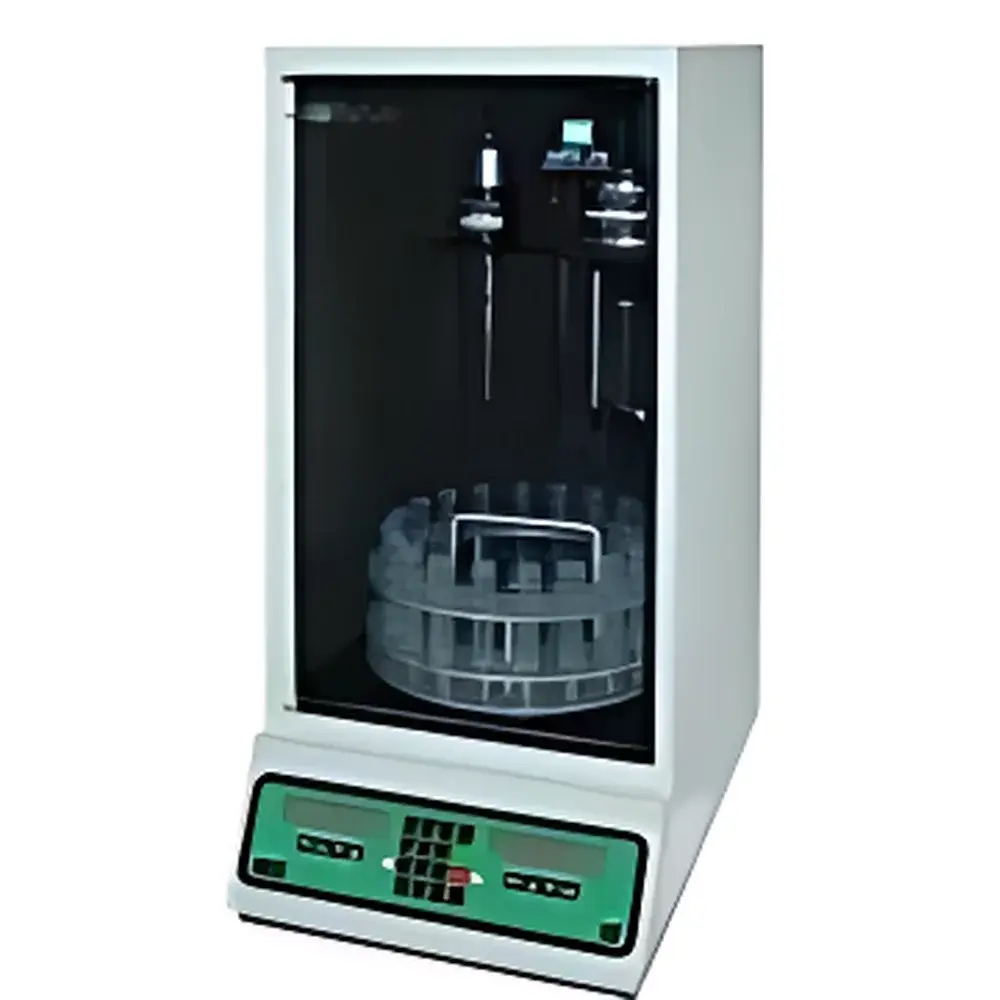
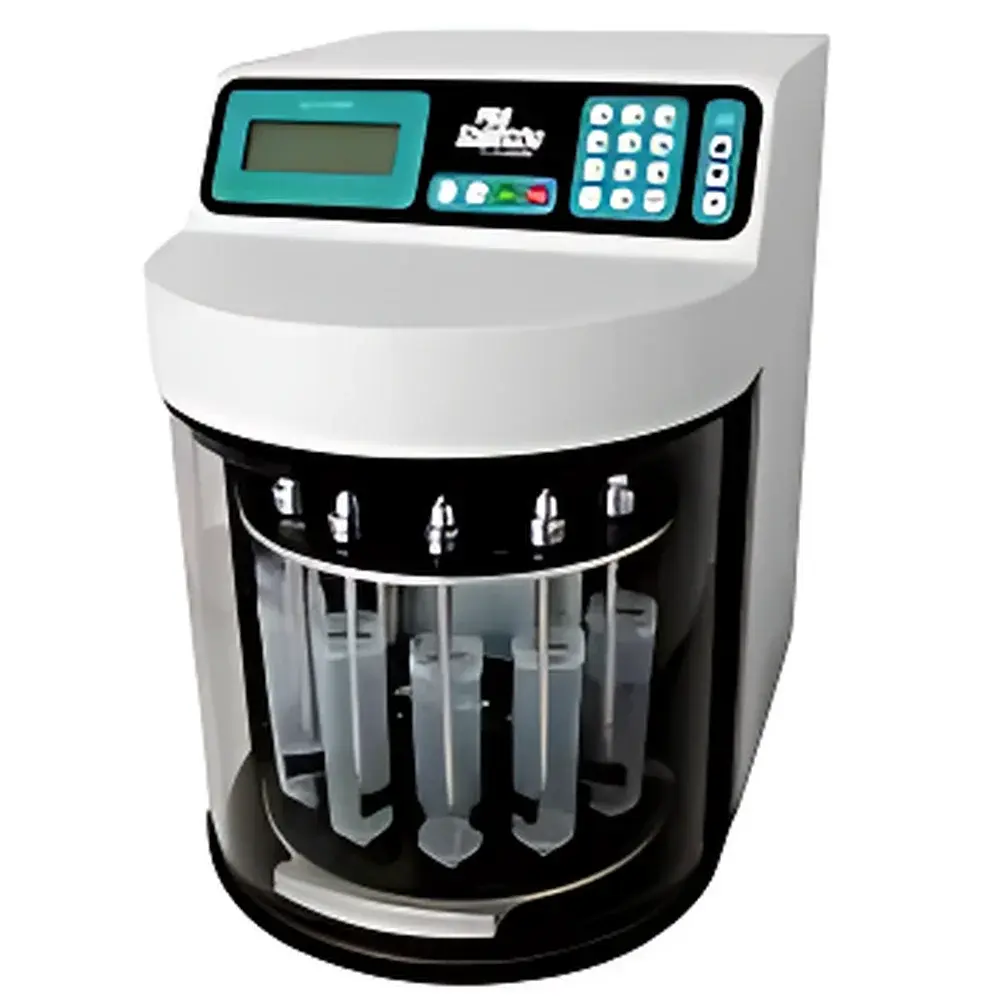
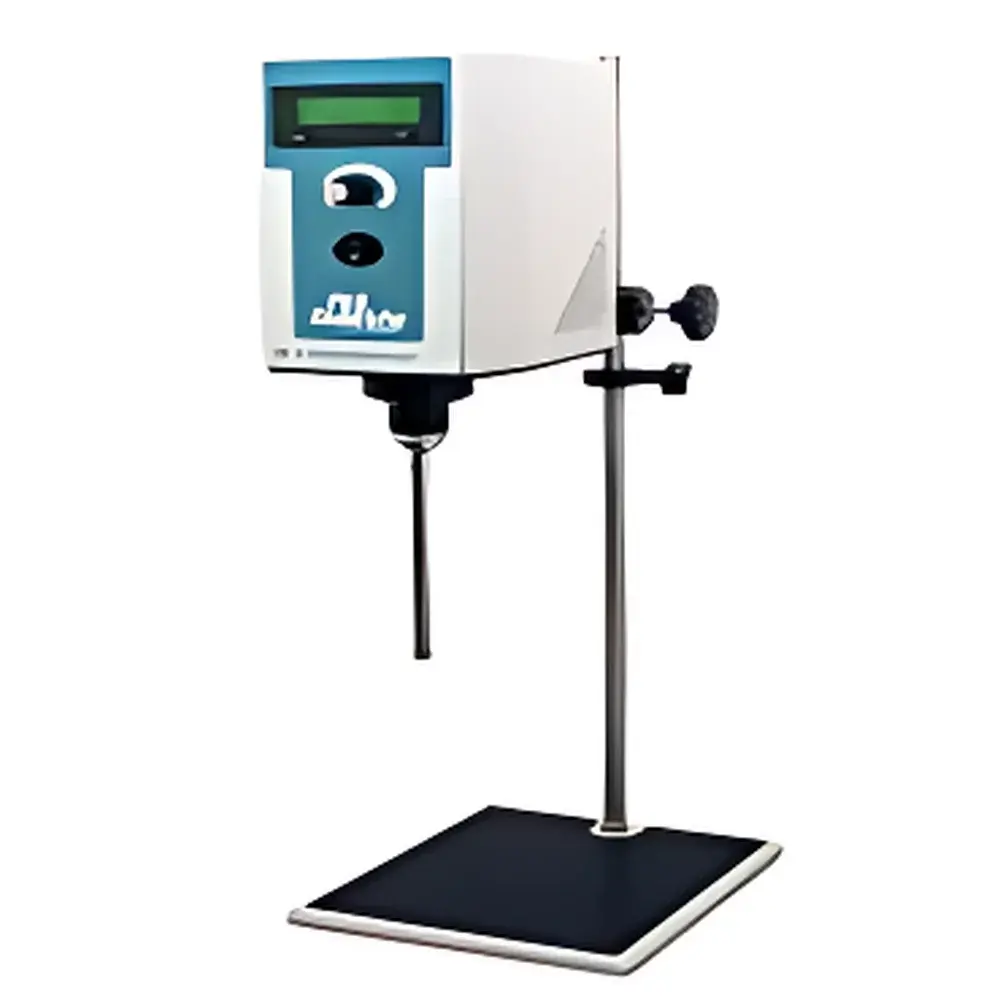
The PRO DPS-20 Dual-Mode Ultrasonic-Mechanical High-Throughput Homogenizer is an engineered solution for laboratories requiring reproducible, scalable, and thermally controlled sample disruption across diverse biological, pharmaceutical, and material science applications. Unlike conventional single-mode homogenizers, the DPS-20 integrates two complementary physical lysis mechanisms—high-frequency ultrasonic cavitation and high-shear mechanical rotor-stator action—within a single, synchronized platform. This dual-energy approach enables efficient cell membrane rupture, tissue dissociation, nanoparticle dispersion, and emulsion formation while minimizing localized thermal accumulation. The system operates with active temperature management via low-heat motor design and optimized acoustic coupling geometry, ensuring sample integrity during extended processing cycles. Its modular architecture supports parallel processing of up to 20 tubes per run, making it suitable for high-throughput screening workflows in QC labs, bioprocessing development, and academic core facilities.
Key Features
- Hybrid energy delivery: Simultaneous or sequential activation of 130 W ultrasonic transduction (with interchangeable 3 mm and 6 mm titanium alloy probes) and high-torque mechanical shearing (2,000–16,000 rpm, brushless DC motor)
- Programmable automation: Full digital control over time, speed, ultrasonic amplitude, probe immersion depth, and carousel positioning—including automated cleaning and standby sequences
- Thermal stability: Optimized heat dissipation pathways and low-noise motor design limit ambient temperature rise; validated operation at ≤64 dB(A) ensures compatibility with shared lab environments
- Modular sample handling: Interchangeable 20-position rotating carousels accommodate standardized conical (15 mL, 50 mL) and round-bottom (16 mL, 19 mL) tubes; optional tube-specific fixtures ensure consistent probe alignment and shear distribution
- Robust construction: Mainframe fabricated from reinforced polymer composites and anodized aluminum; all wetted parts (rotors, probes, tube holders) constructed from ASTM F899-certified 316 stainless steel for corrosion resistance and cleanability
- Integrated visual monitoring: Polycarbonate observation door with LED interior illumination provides real-time process verification without interrupting operation or compromising containment
Sample Compatibility & Compliance
The DPS-20 demonstrates broad compatibility with soft and semi-solid biological matrices—including mammalian cell suspensions, bacterial cultures, plant tissues, yeast pellets, and lipid-based formulations—as well as synthetic colloids and polymer dispersions. Its dual-mode flexibility allows method optimization: ultrasonic mode excels in nucleic acid extraction and subcellular organelle isolation, while mechanical mode delivers superior performance for fibrous tissues or viscous slurries. The system conforms to ISO 13485 design controls for medical device-related research use and supports GLP-compliant documentation through audit-trail-enabled software (see Software & Data Management). All consumables meet USP Class VI biocompatibility standards, and rotor/probe geometries comply with ASTM D4290 (standard practice for ultrasonic dispersion of particulates). No internal vacuum or pressurization is employed, eliminating regulatory constraints associated with sealed-vessel systems.
Software & Data Management
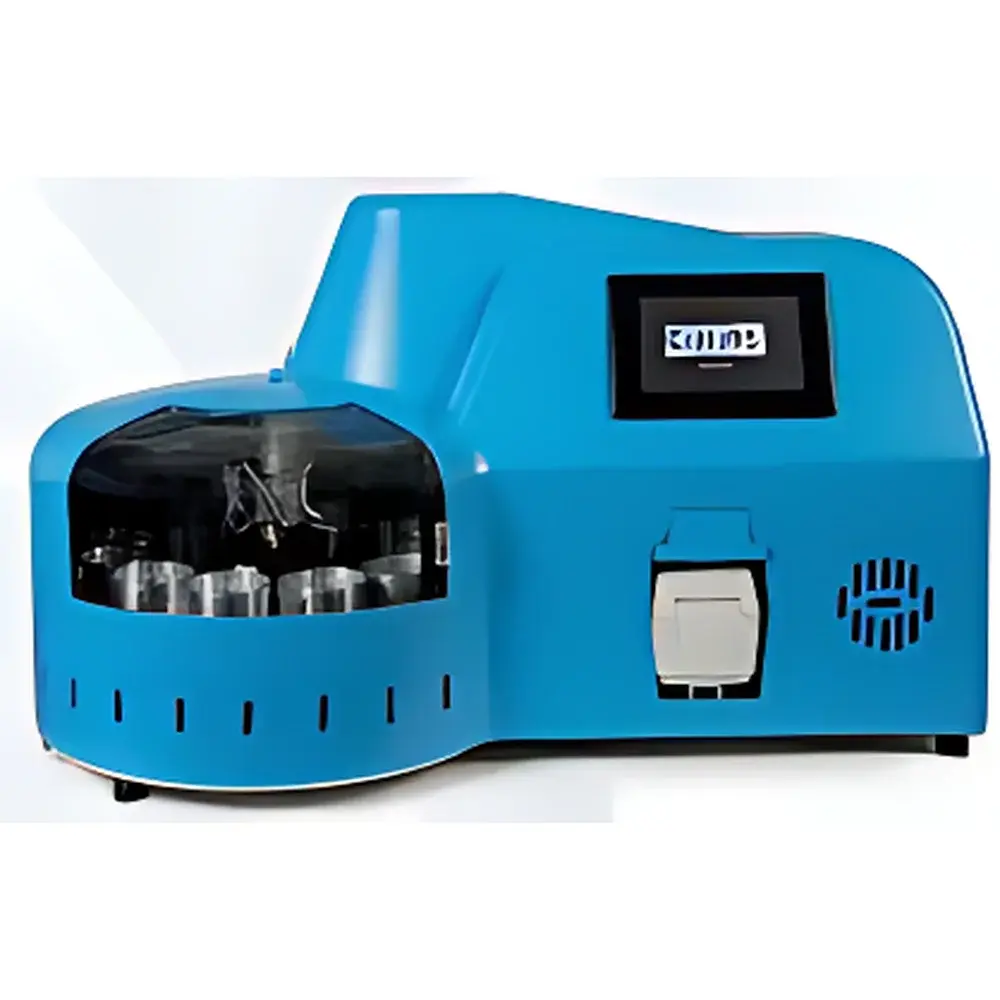
The DPS-20 operates via an embedded touchscreen HMI with firmware supporting user-defined protocol libraries (up to 100 stored methods), parameter locking for SOP enforcement, and timestamped event logging. Optional Ethernet or USB-C connectivity enables integration with LIMS platforms and centralized instrument management servers. Raw operational data—including actual RPM, ultrasonic duty cycle, elapsed time, and motor current draw—is recorded at 100 ms intervals and exportable in CSV format. For regulated environments, optional 21 CFR Part 11-compliant software add-ons provide electronic signatures, role-based access control, and immutable audit trails—fully traceable to individual user IDs and session timestamps. All firmware updates are digitally signed and verified prior to installation.
Applications
- High-yield genomic DNA and total RNA isolation from challenging samples (e.g., fibrous plant tissue, Gram-positive bacteria)
- Preparation of uniform submicron emulsions for topical drug delivery and nutraceutical formulation
- Dispersion stabilization of carbon nanotubes, graphene oxide, and metal-organic frameworks (MOFs) in aqueous and organic media
- Cell lysis and organelle enrichment for proteomic and metabolomic profiling workflows
- Homogenization of frozen tissue sections prior to LC-MS analysis, maintaining analyte stability
- QC release testing of suspension-based vaccines and nanoparticle therapeutics under cGMP-aligned protocols
FAQ
What safety certifications does the DPS-20 hold?
The DPS-20 is CE-marked per IEC 61010-1:2010 for laboratory equipment safety and complies with EMC Directive 2014/30/EU. It carries UL recognition for North American markets (UL 61010-1, 3rd edition).
Can the DPS-20 be validated for GMP use?
Yes—when configured with Part 11-compliant software, IQ/OQ documentation packages, and calibrated probe-to-tube distance gauges, the system supports full GMP validation per Annex 15 and WHO TRS 986 requirements.
Is rotor wear monitored automatically?
No real-time wear sensing is built in; however, the firmware logs cumulative operating hours per rotor ID (via RFID-tagged accessories), enabling predictive maintenance scheduling based on manufacturer-recommended service intervals.
How is cross-contamination prevented between runs?
The system includes an automated probe rinse sequence using ethanol or aqueous disinfectant, coupled with UV-C irradiation (optional accessory) of the chamber interior between cycles.
Does the DPS-20 support remote monitoring?
Via optional PRO Connect Module, users can receive SMS/email alerts for cycle completion, fault conditions, or temperature excursions—and initiate diagnostic routines remotely through secure TLS-encrypted web interface.



