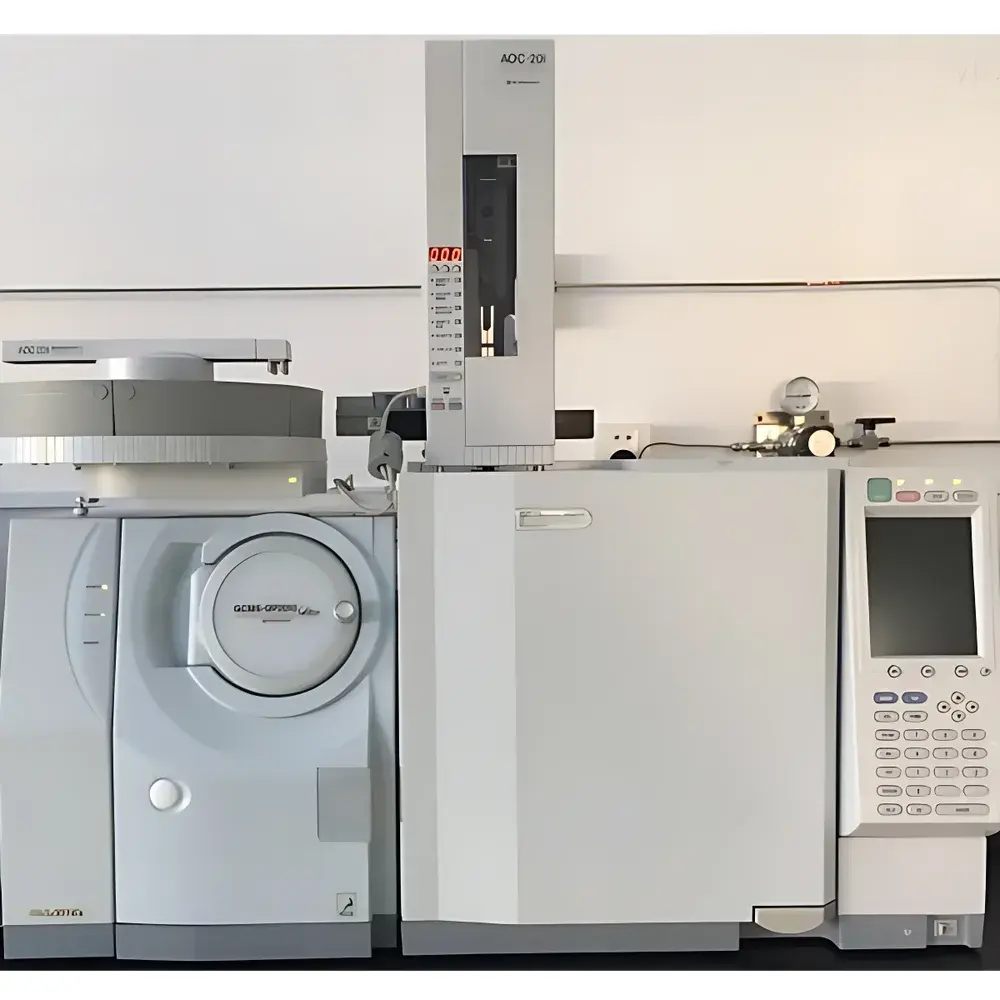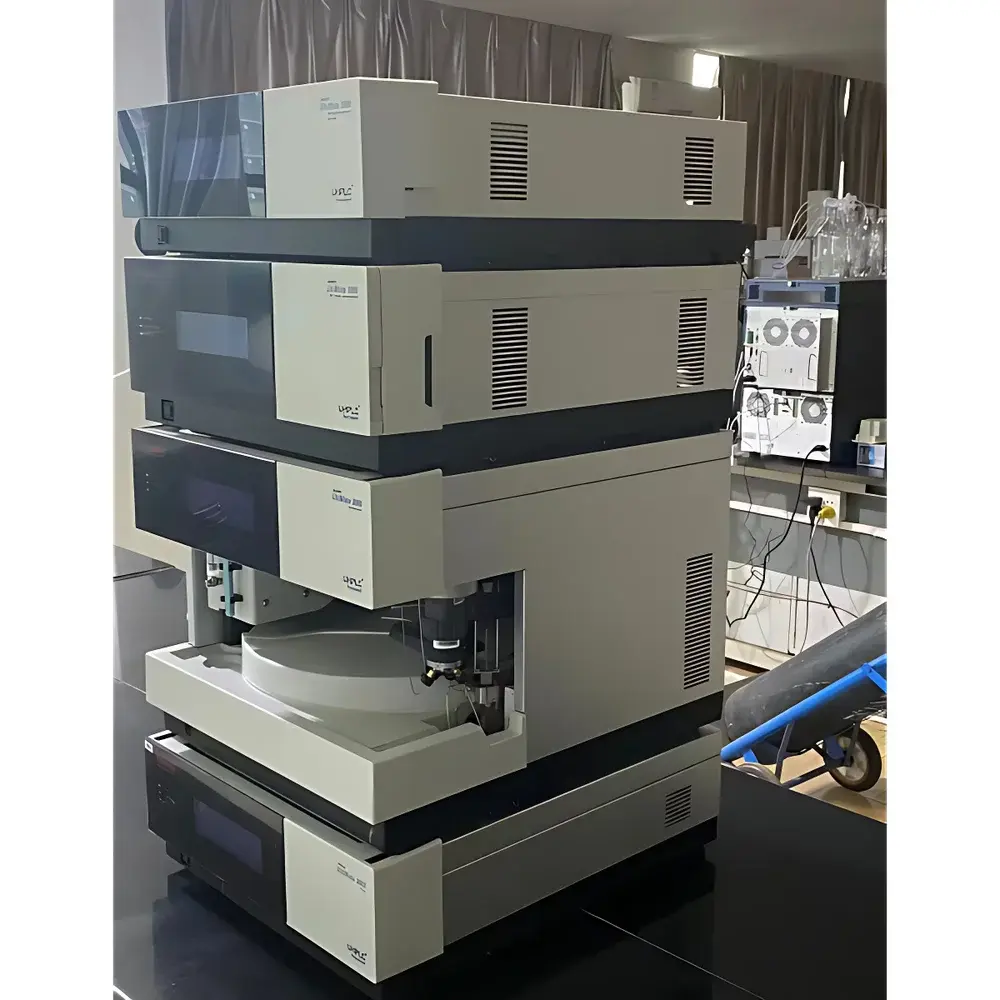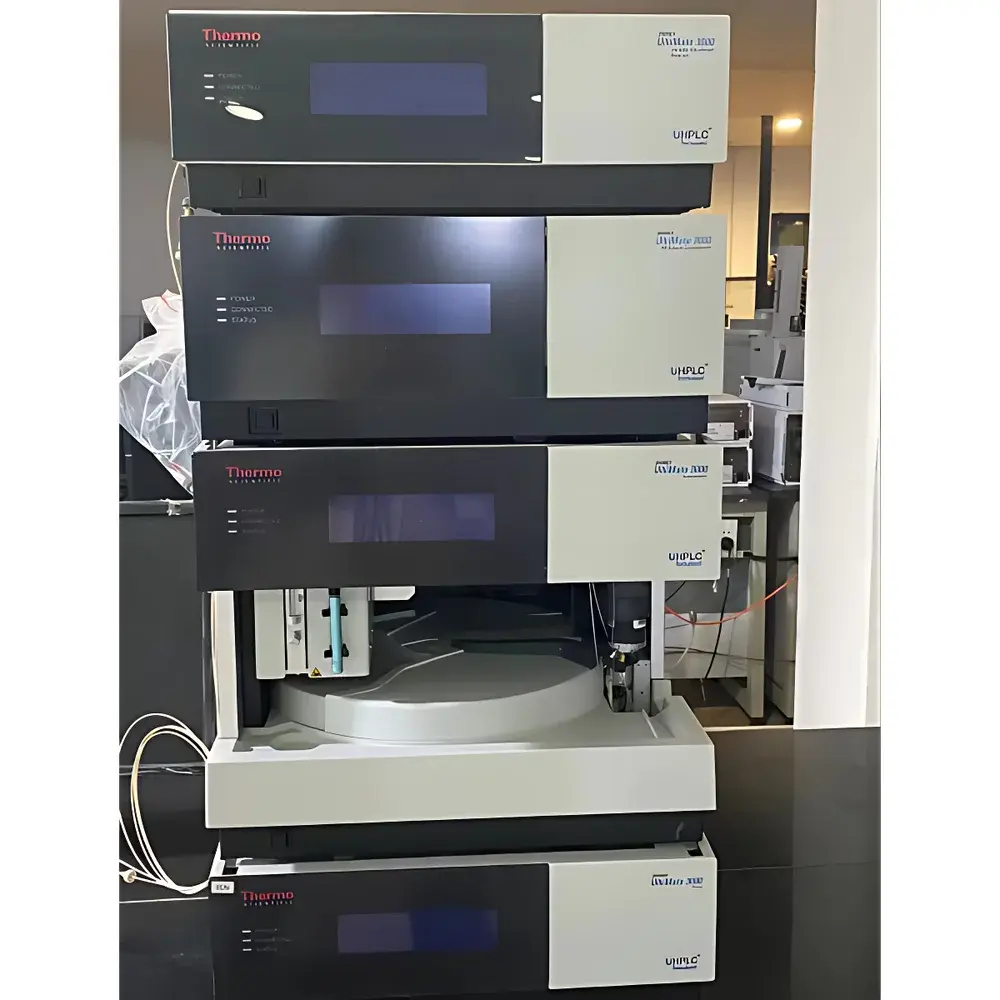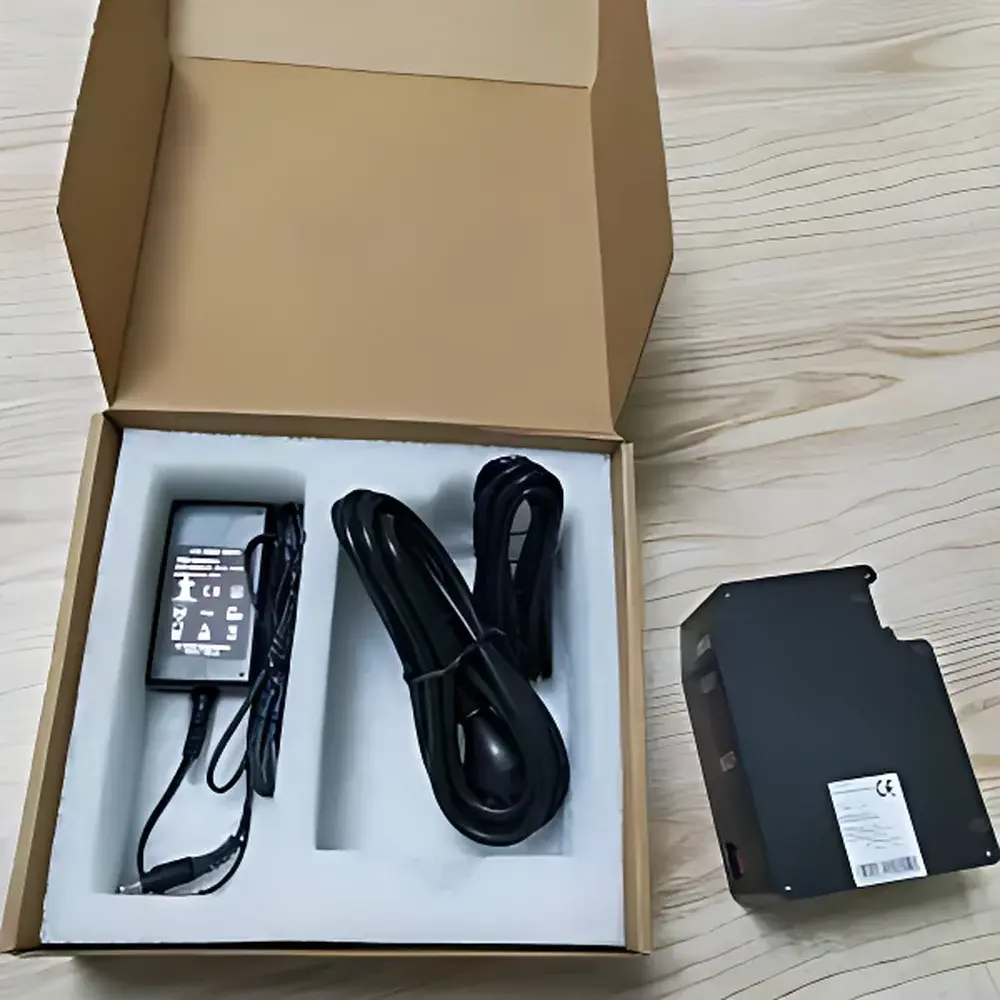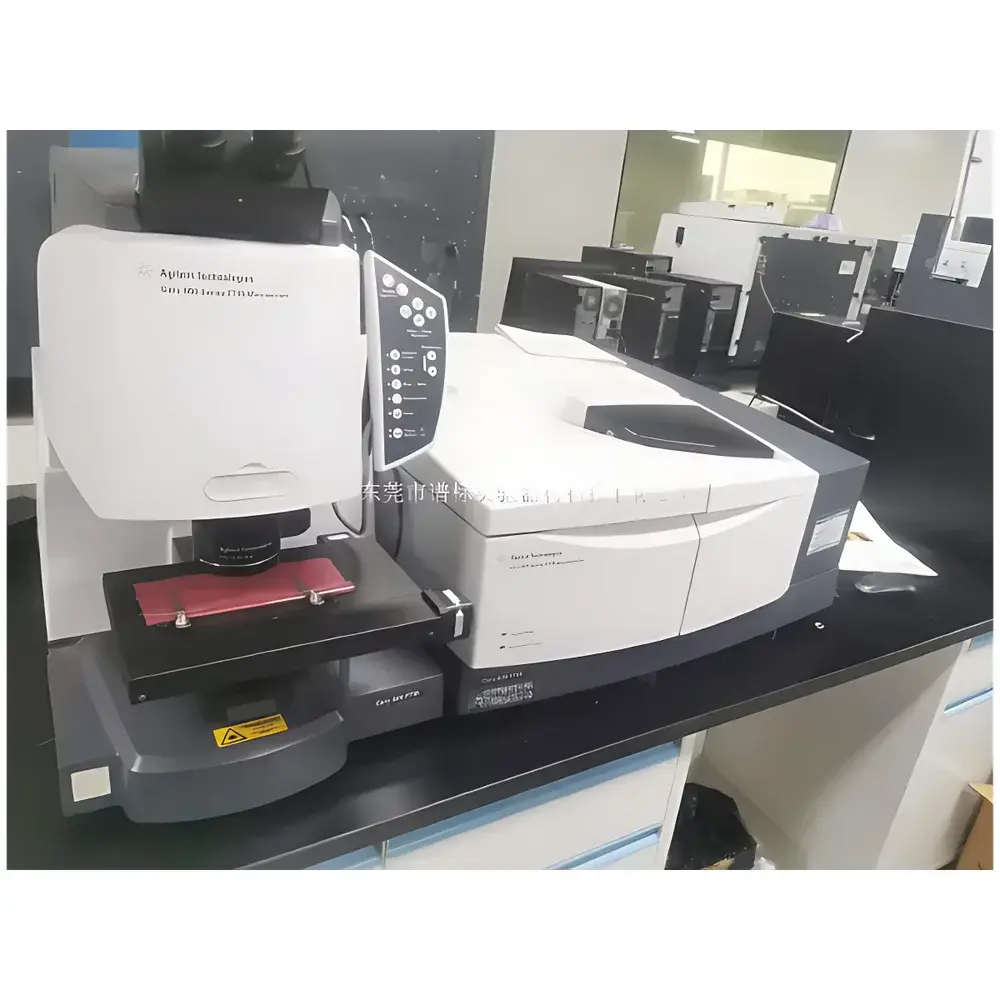
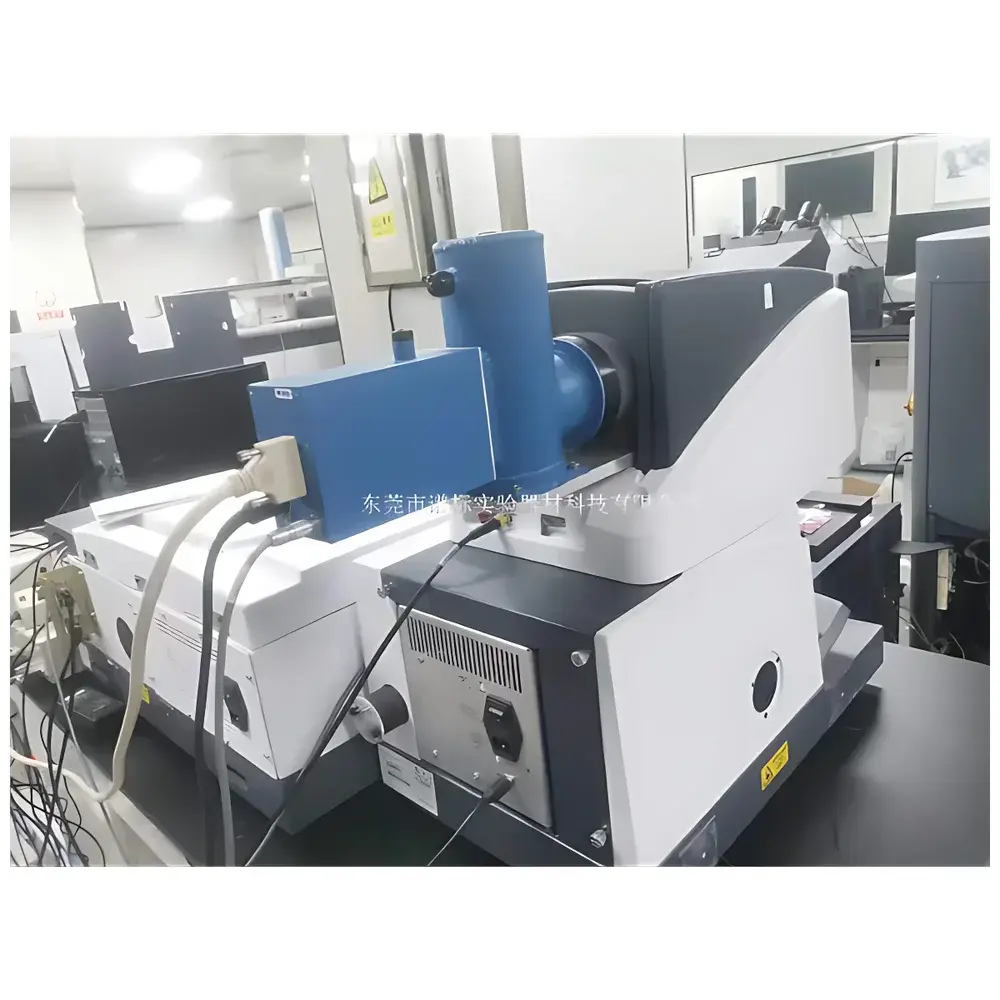
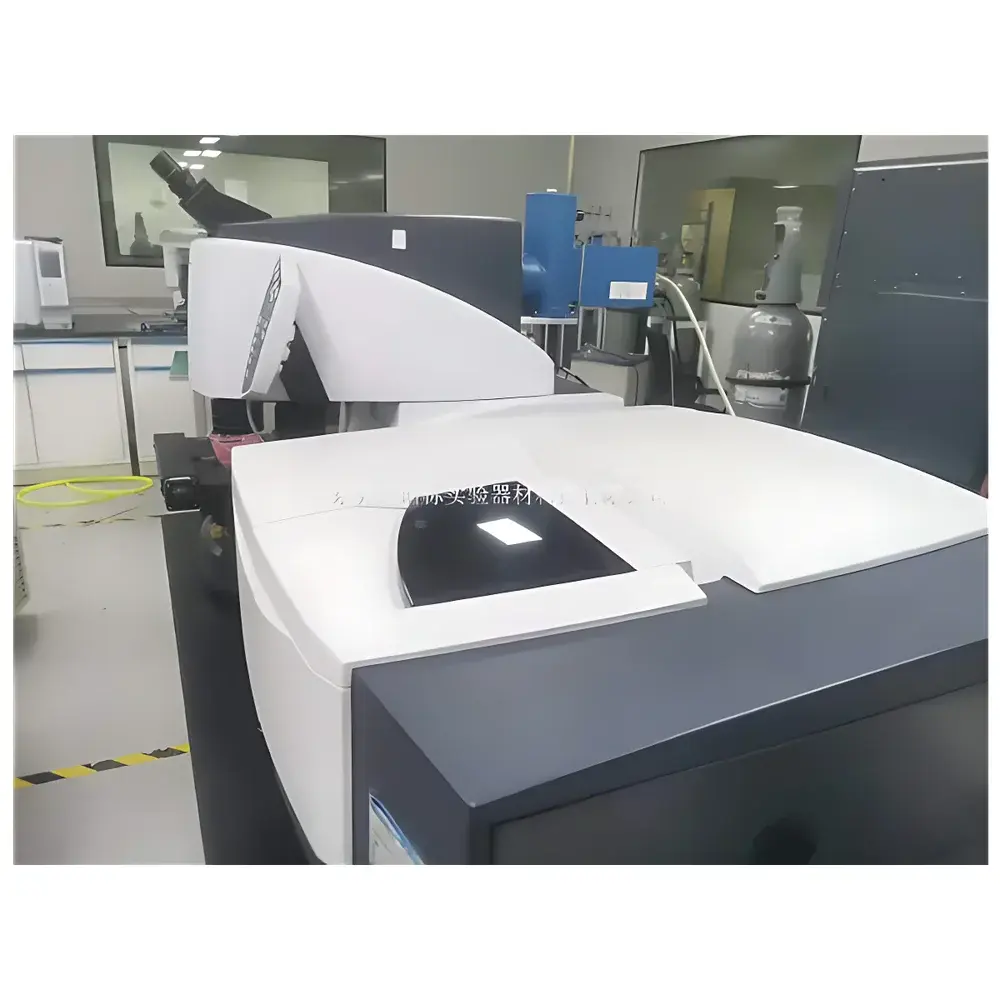
Agilent Cary 670 FTIR Spectrometer + Cary 620 FTIR Microscope and Chemical Imaging System
| Brand | Agilent Technologies |
|---|---|
| Origin | USA |
| Manufacturer Type | Authorized Distributor |
| Origin Category | Imported |
| Model | Cary 670 FTIR + Cary 620 FTIR |
| Warranty | 1 Year |
| Instrument Age | 10 Years |
| Primary Application Domain | Materials Science, Pharmaceutical QA/QC, Biomedical Research, Polymer & Coating Analysis |
| Software Platform | Resolutions Pro FTIR |
| Optical Configuration | Air-Bearing Interferometer (Cary 670) + FPA-Based FTIR Microscopy (Cary 620) |
| Spatial Resolution | Sub-5.5 µm (with 4× IR objective and ATR imaging mode) |
| Detector | Liquid Nitrogen-Cooled MCT (Cary 620), High-Sensitivity DTGS (Cary 670 optional) |
Overview
The Agilent Cary 670 FTIR Spectrometer coupled with the Cary 620 FTIR Microscope and Chemical Imaging System constitutes a fully integrated, research-grade Fourier Transform Infrared (FTIR) platform engineered for high-fidelity molecular fingerprinting, spatially resolved chemical mapping, and quantitative microanalysis. This dual-instrument configuration leverages the Cary 670’s air-bearing interferometer—delivering industry-leading optical stability, ultra-high energy throughput (>4× that of conventional benchtop FTIR systems), and exceptional signal-to-noise ratio (S/N)—paired with the Cary 620’s focal plane array (FPA) detector and advanced infrared microscopy optics. The system operates on the fundamental principle of interferometric detection of mid-infrared absorption spectra (typically 4000–600 cm⁻¹), enabling label-free, non-destructive identification of functional groups, crystallinity, phase distribution, and chemical heterogeneity across solid, semi-solid, and hydrated biological samples. Designed for compliance-critical environments, it supports method validation frameworks aligned with ASTM E1252, ISO 18380, and USP , and is routinely deployed in GLP-compliant polymer characterization labs, pharmaceutical formulation development, and academic biomedical spectroscopy facilities.
Key Features
- Air-bearing interferometer (Cary 670): Eliminates mechanical drift, ensuring long-term spectral reproducibility and sub-0.02 cm⁻¹ wavenumber accuracy over extended acquisition periods.
- FPA-based chemical imaging (Cary 620): 128 × 128 pixel MCT detector enables rapid, diffraction-limited mapping at ≤5.5 µm spatial resolution using the proprietary 4× reflective IR objective—no stage scanning required for large-area survey imaging.
- Live ATR imaging mode: Enables direct, pressure-controlled contact-mode imaging of delicate, hydrated, or thermally labile specimens—including live cells in aqueous media—without embedding, sectioning, or drying.
- Intelligent hardware recognition: Embedded firmware auto-detects installed accessories (e.g., TGA-IR interface, step-scan module, transmission/reflection stages), dynamically loading optimal instrument parameters and calibration files.
- Resolutions Pro FTIR software suite: Provides full control of both spectrometer and microscope, including multivariate analysis (PCA, cluster analysis), spectral library searching (Sadtler, BioRad, custom), kinetic time-series mapping, and automated particle analysis.
- Modular expandability: Compatible with hyphenated techniques including TGA-FTIR, GC-FTIR (via transfer line), and synchrotron-compatible beamline coupling for ultra-high-resolution microspectroscopy.
Sample Compatibility & Compliance
The system accommodates diverse sample forms without destructive preparation: thin films (<1 µm), polymer laminates, pharmaceutical tablets, tissue cryosections (5–20 µm), semiconductor wafers, corrosion layers, and intact biofilms. It meets ISO/IEC 17025 requirements for analytical instrument qualification, supporting IQ/OQ/PQ documentation packages. Data integrity complies with FDA 21 CFR Part 11 through Resolutions Pro’s audit-trail-enabled user authentication, electronic signatures, and immutable raw-data archiving. All spectral acquisitions adhere to ASTM E168 and E1252 guidelines for spectral quality assurance, including mandatory background subtraction protocols, co-addition validation, and water vapor/CO₂ compensation routines.
Software & Data Management
Resolutions Pro FTIR provides a unified, scriptable environment for instrument control, real-time spectral visualization, and post-acquisition chemometrics. Raw interferograms and processed spectra are stored in vendor-neutral HDF5 format with embedded metadata (date/time, operator ID, instrument serial, accessory configuration). Batch processing workflows support automated baseline correction, peak integration, and multivariate model deployment across hundreds of imaging tiles. Integrated reporting tools generate PDF/HTML reports compliant with internal SOPs and regulatory submissions. Data export options include CSV, JCAMP-DX, and OMICs-ready .mzML derivatives for cross-platform integration with MATLAB, Python (scikit-learn, HyperSpy), or commercial LIMS platforms.
Applications
- Pharmaceutical: Quantitative assay of API distribution in tablets; detection of polymorphic transitions during stability testing; counterfeit drug screening via spectral library matching.
- Materials Science: Mapping oxidation gradients in aerospace composites; identifying contaminant species in battery electrode coatings; characterizing interfacial adhesion failure in multi-layer packaging films.
- Life Sciences: Label-free histopathology of unstained tissue sections; metabolic profiling of single-cell responses to pharmacological stimuli; lipid/protein ratio mapping in atherosclerotic plaques.
- Electronics: Defect localization in SiC power devices; residue analysis on photomasks; thermal degradation assessment of underfill epoxies.
- Environmental: Microplastic identification and polymer typing in wastewater sludge; organic contaminant speciation in soil micromorphology studies.
FAQ
Is this a refurbished or used instrument? What refurbishment standards apply?
This is a pre-owned Agilent system, professionally serviced by an Agilent-authorized distributor. Refurbishment includes full optical alignment verification, interferometer recalibration, MCT detector performance validation, vacuum purge system integrity test, and comprehensive software reinstallation with latest certified firmware (v10.10.2+). A full service history log is provided.
Does the system include original Agilent documentation and software licenses?
Yes—the shipment includes original installation manuals, safety documentation, Resolutions Pro software license key, and certificate of calibration traceable to NIST SRM 1921b. Software activation requires Agilent’s online entitlement portal, supported under the included 1-year warranty.
Can the Cary 620 be operated independently of the Cary 670?
Yes—the Cary 620 functions as a standalone FTIR microscope when paired with its internal DTGS source. However, maximum sensitivity, spectral resolution (≤0.25 cm⁻¹), and dynamic range are achieved only when coupled to the Cary 670’s high-energy air-bearing source.
What maintenance contracts are available post-warranty?
Agilent offers extended CarePack service agreements covering preventive maintenance, priority remote diagnostics, and on-site engineer dispatch within 4 business hours for critical failures—available for annual renewal upon warranty expiration.
Are consumables and spare parts still supported by Agilent?
All core components—including MCT detectors, IR objectives, KBr beamsplitters, and ATR crystals—are actively supported by Agilent’s global spare parts network with typical lead times under 10 business days. Legacy accessories remain available through Agilent’s End-of-Life (EOL) program.