
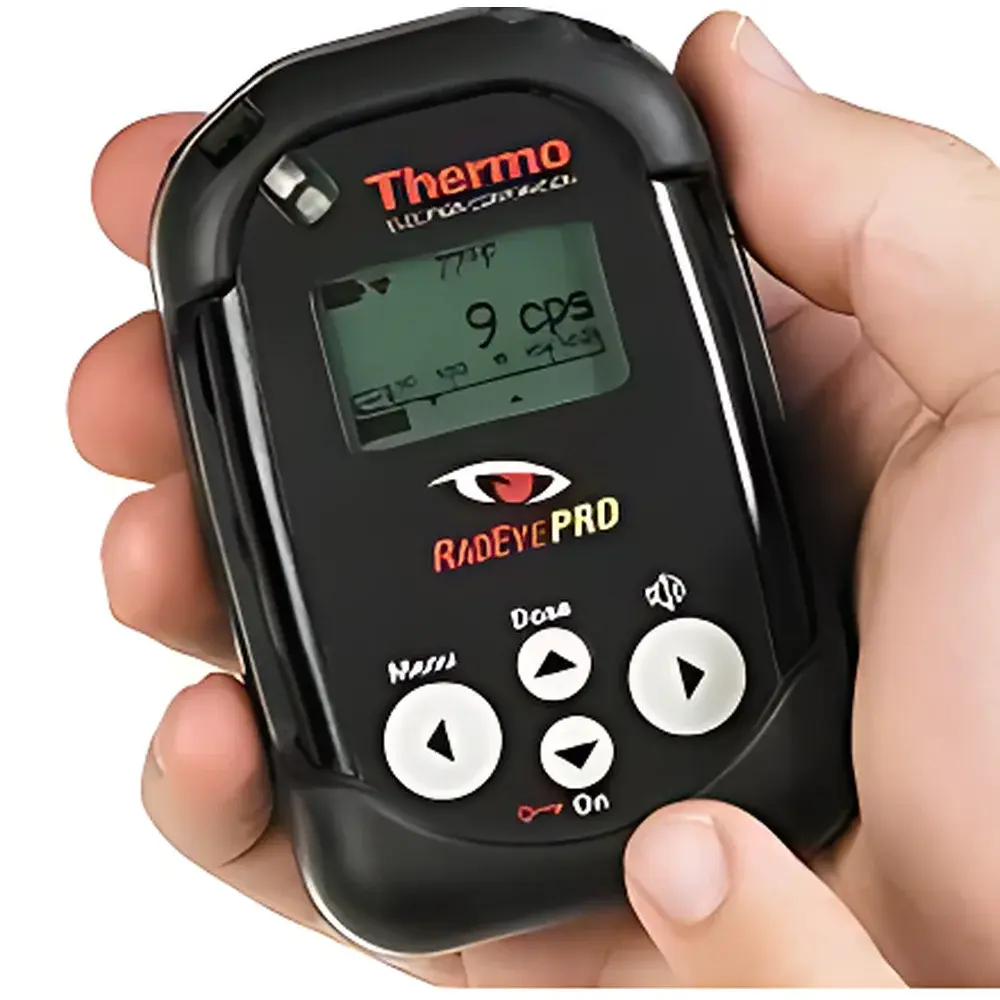
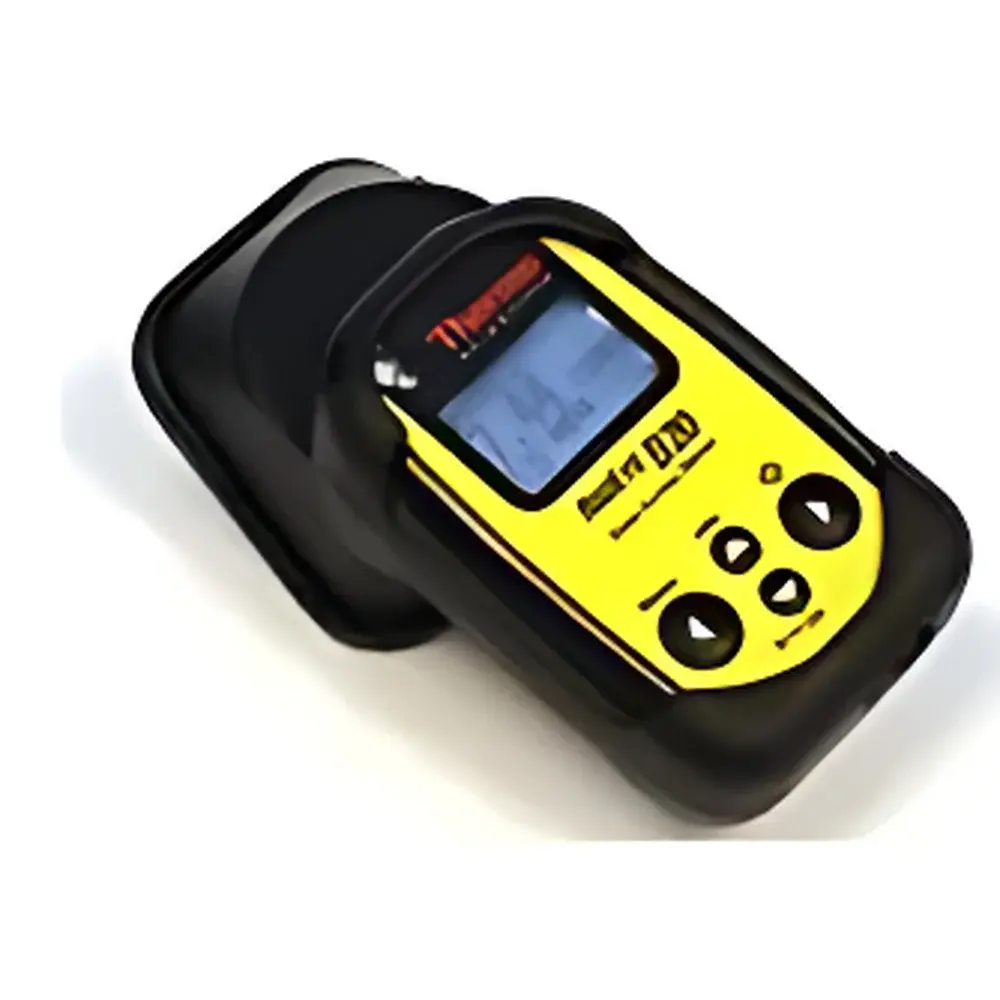
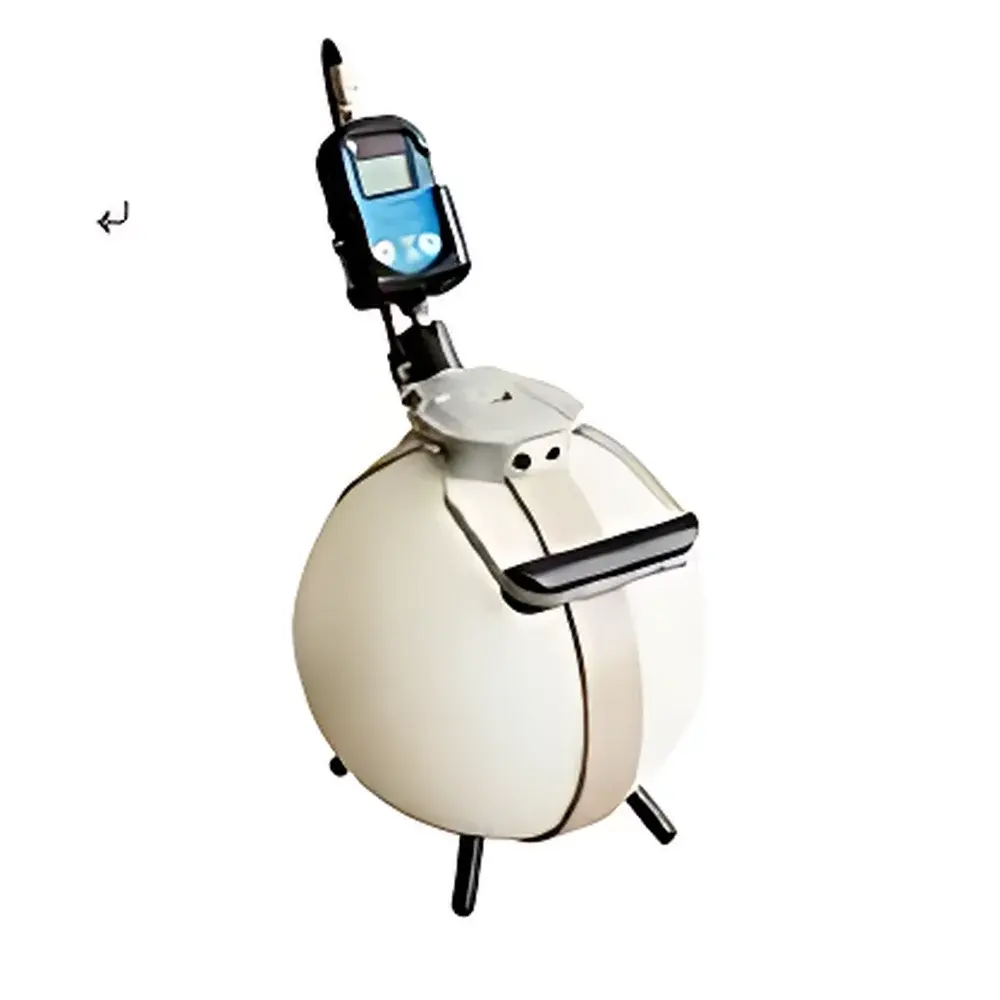
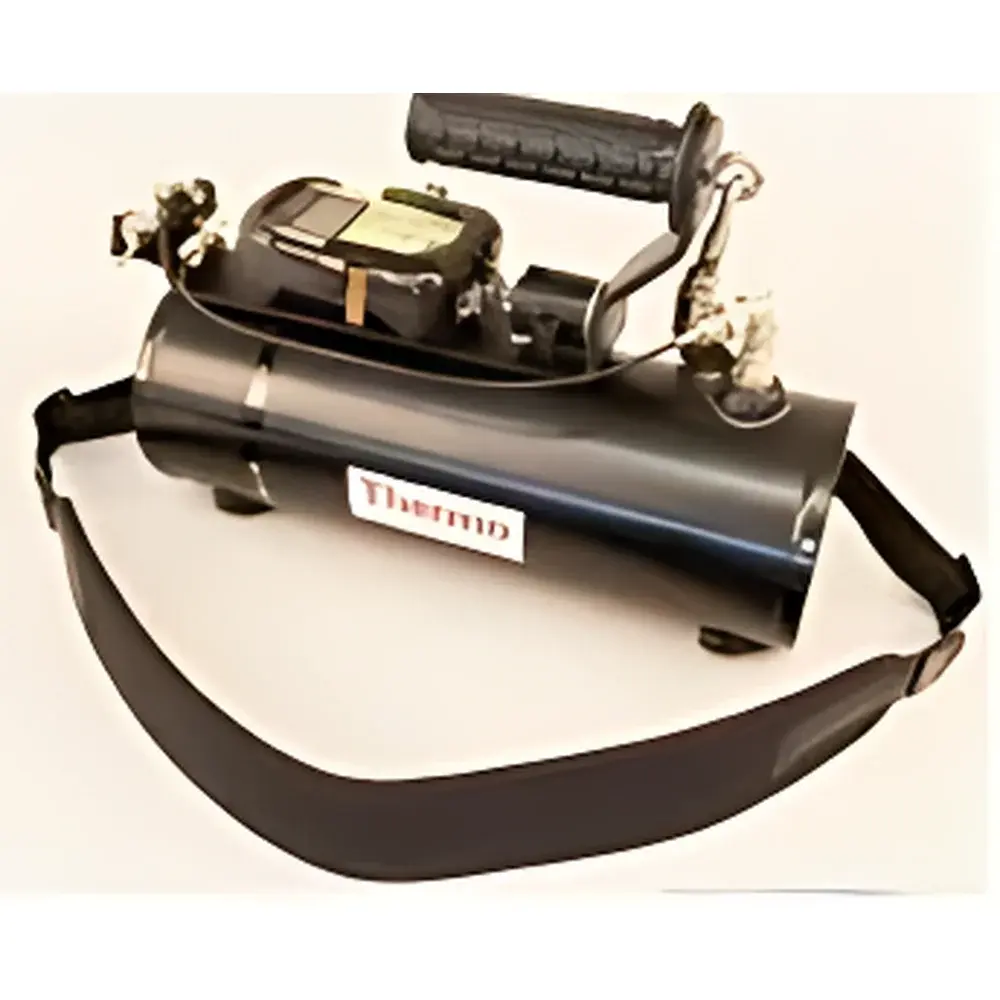
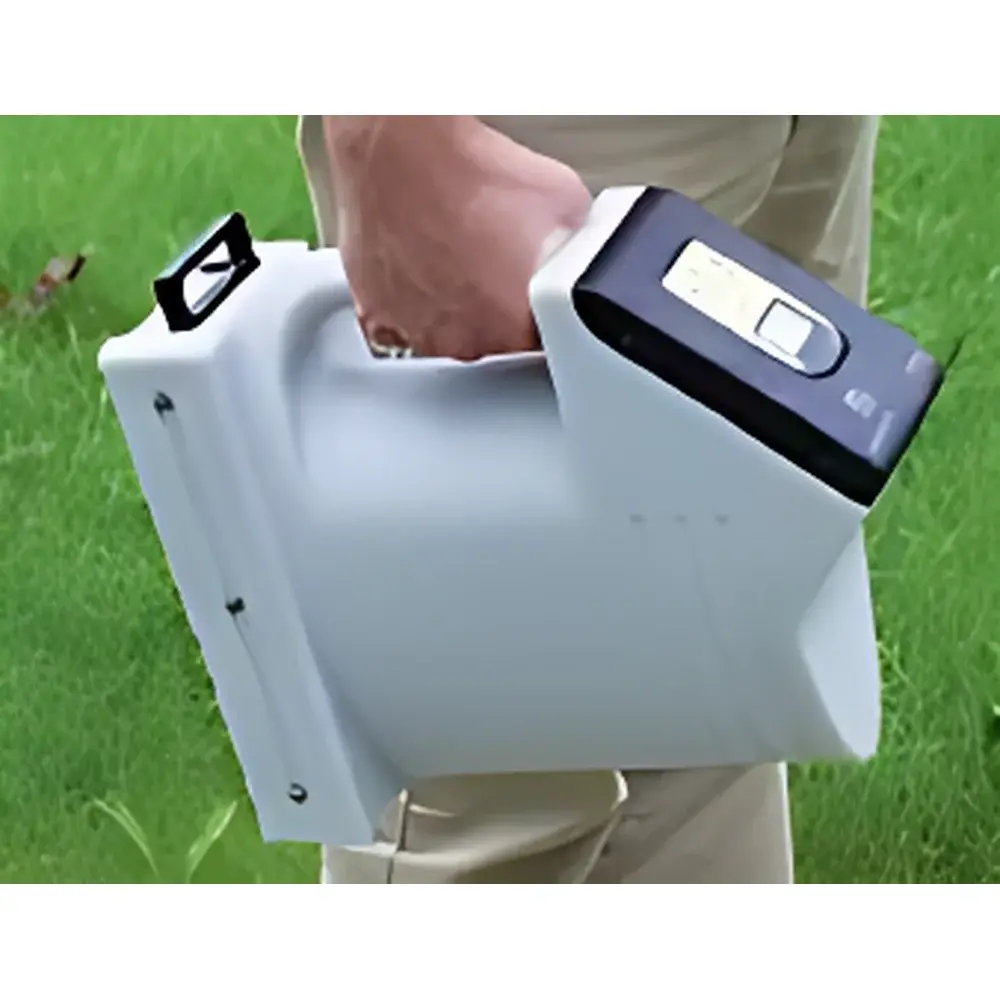
Thermo Fisher Scientific RadEye Series Portable Radiation Detector
| Origin | USA |
|---|---|
| Manufacturer Type | Authorized Distributor |
| Origin Category | Imported |
| Model | RadEye G-10 / PRD-ER / B20 / G/N |
| Pricing | Available Upon Request |
| Detector Options | GM Tube, NaI(Tl) Scintillator, He-3 Tube, End-Window GM, Plastic Scintillator |
| Radiation Types Detected | α, β, X, γ, and Thermal Neutrons |
| Energy Ranges | 50 keV–3 MeV (G-10), 60 keV–1.3 MeV (PRD-ER), ≥40 keV (B20), Thermal Neutrons + γ (G/N) |
| Dose Rate Ranges | 0.01 µSv/h–100 mSv/h (PRD-ER), 0.5 µSv/h–100 mSv/h (G-10), Wide-Spectrum (B20, G/N) |
| Cs-137 Sensitivity | 1.7 cps/µSv/h (G-10), 150 cps/µSv/h (PRD-ER) |
Overview
The Thermo Fisher Scientific RadEye Series is a family of ruggedized, handheld radiation detection instruments engineered for rapid deployment in emergency response, environmental monitoring, nuclear facility operations, and first-responder scenarios. Built on a modular architecture, the RadEye platform integrates solid-state and gas-filled detector technologies—including Geiger-Müller (GM) tubes, sodium iodide [NaI(Tl)] scintillators, helium-3 (He-3) proportional counters, and thin-window end-window GM detectors—to deliver real-time, spectrally informed or dose-rate–based measurements across multiple radiation modalities. Each unit operates on the principle of ionizing radiation interaction with detector media: GM tubes generate discrete pulses per ionization event; NaI(Tl) crystals produce light photons proportional to deposited energy (enabling basic spectroscopic identification); He-3 tubes detect thermal neutrons via the 3He(n,p)3H reaction; and plastic scintillators provide high-efficiency beta/gamma screening. The instruments comply with ANSI N42.32, IEC 60846-1:2014, and IEC 62401:2010 standards for portable radiation detection equipment, ensuring metrological traceability and operational reliability under field conditions.
Key Features
- Rugged IP67-rated enclosure tested to MIL-STD-810G for shock, vibration, dust, and immersion resistance—capable of sustained operation in temperatures from –20 °C to +50 °C.
- Dual-alert system: 95 dB audible alarm + tactile vibration feedback, configurable by dose rate threshold, accumulated dose, or count rate—critical for noisy or visually obstructed environments.
- Modular detector interface supporting hot-swappable probes (e.g., RadEye G-10 for gamma-only surveying, PRD-ER for enhanced low-dose sensitivity, B20 for alpha/beta contamination screening, and G/N for simultaneous neutron/gamma detection).
- Integrated GPS geotagging and Bluetooth 5.0 for real-time telemetry transmission to incident command systems or cloud-based radiation mapping platforms.
- Rechargeable Li-ion battery providing >100 hours of continuous operation (typical usage) with state-of-charge monitoring and low-power sleep mode.
- Backlit, sunlight-readable OLED display with intuitive icon-driven menu navigation—no training required for basic survey protocols.
Sample Compatibility & Compliance
The RadEye series accommodates direct measurement of surface contamination (alpha/beta emitters such as 241Am, 90Sr/90Y, 137Cs), ambient gamma fields (e.g., from 60Co, 133Ba, natural background), and thermal neutron fluxes (e.g., near spent fuel pools or research reactors). All models are calibrated against NIST-traceable sources and support user-defined calibration factors per radionuclide or application (e.g., soil screening, waste drum assay, personnel decontamination verification). Regulatory compliance includes adherence to ISO 11929:2019 (evaluation of measurement uncertainty), ASTM E666-22 (radiation protection instrumentation), and US NRC Regulatory Guide 4.15 for emergency response instrumentation. Units maintain full audit trail capability when paired with Thermo’s RadEye Connect software—supporting ALARA documentation and GLP/GMP-aligned record retention.
Software & Data Management
RadEye Connect (Windows/macOS) provides secure firmware updates, customizable alarm configuration, spectral analysis (for PRD-ER), and automated report generation compliant with IAEA RS-G-1.8 and DOE G 441.1-XX reporting templates. Data export supports CSV, XML, and .RAD binary formats; time-stamped logs include GPS coordinates, detector ID, ambient temperature, and battery voltage. The software enforces role-based access control and meets FDA 21 CFR Part 11 requirements for electronic records and signatures—ensuring data integrity during regulatory inspections or forensic radiological investigations.
Applications
- Emergency Response: Rapid identification and localization of orphan sources, RDDs (radiological dispersal devices), or lost industrial gauges in urban or rural settings.
- Environmental Remediation: In-field screening of soil, water, and sediment samples for legacy contamination (e.g., uranium mill tailings, radium-226 in pipeline scale).
- Nuclear Power Plants: Routine perimeter monitoring, spent fuel pool surveillance, and post-maintenance contamination checks per ANSI/ANS-2.20.
- Healthcare & Research Facilities: Verification of shielding integrity, wipe test validation, and LINAC/radiotherapy room clearance surveys.
- Border Security & Customs: Mobile scanning of cargo containers, vehicles, and postal shipments using optional external probes and directional collimation accessories.
FAQ
What radiation types can the RadEye G-10 detect?
It detects X-rays and gamma rays using a halogen-quenched GM tube; it does not respond to alpha, beta, or neutron radiation.
Is the PRD-ER suitable for low-level environmental monitoring?
Yes—the NaI(Tl) detector offers 150 cps/µSv/h sensitivity at 662 keV (137Cs), enabling reliable detection down to 0.01 µSv/h, well below typical natural background fluctuations.
Can the RadEye B20 differentiate between alpha and beta emissions?
It identifies gross alpha/beta activity via pulse-height discrimination but does not provide nuclide-specific identification without laboratory alpha spectrometry.
Does the RadEye G/N require moderation for neutron detection?
Yes—the He-3 tube requires a polyethylene moderator to thermalize fast neutrons; the integrated moderator is optimized for fission-spectrum neutrons (0.025 eV–1 MeV).
Are firmware updates and calibration certificates included with purchase?
Firmware updates are provided free of charge via RadEye Connect; NIST-traceable calibration certificates are issued at time of shipment and are valid for 12 months under normal operating conditions.
Related Products







