
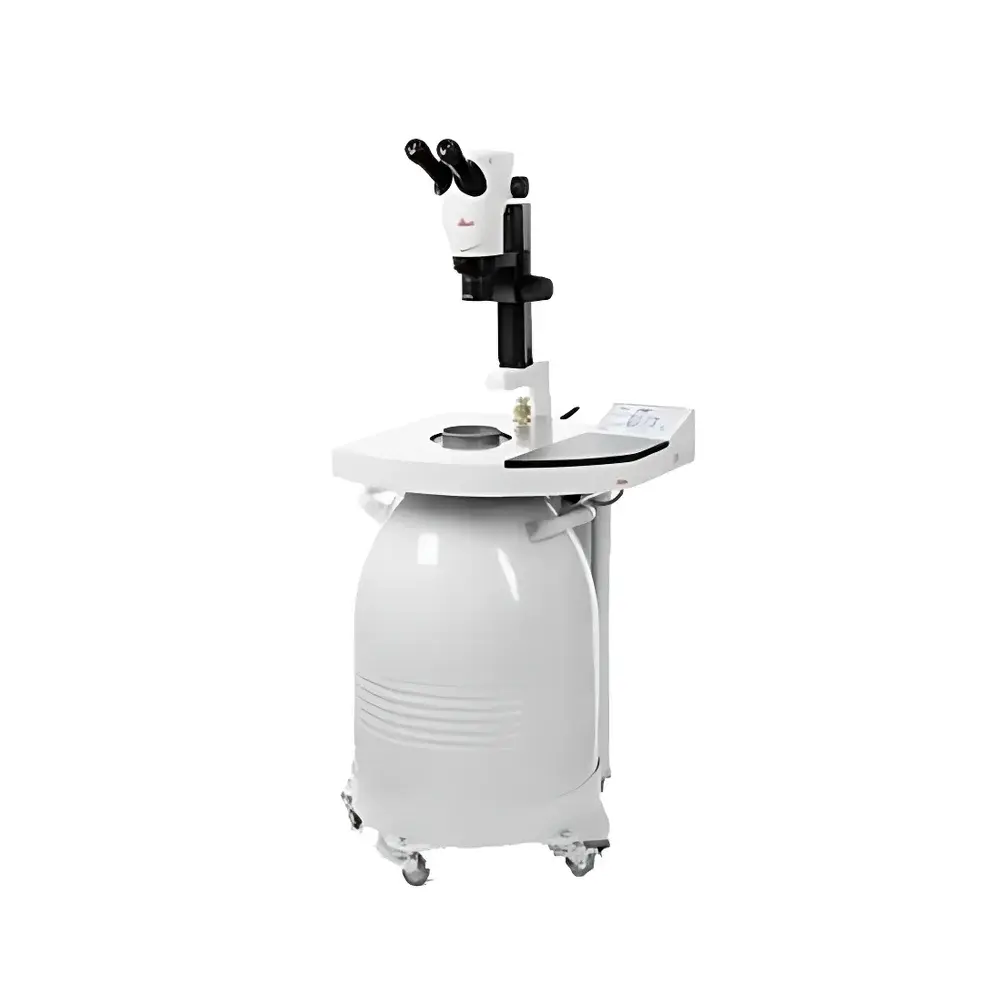
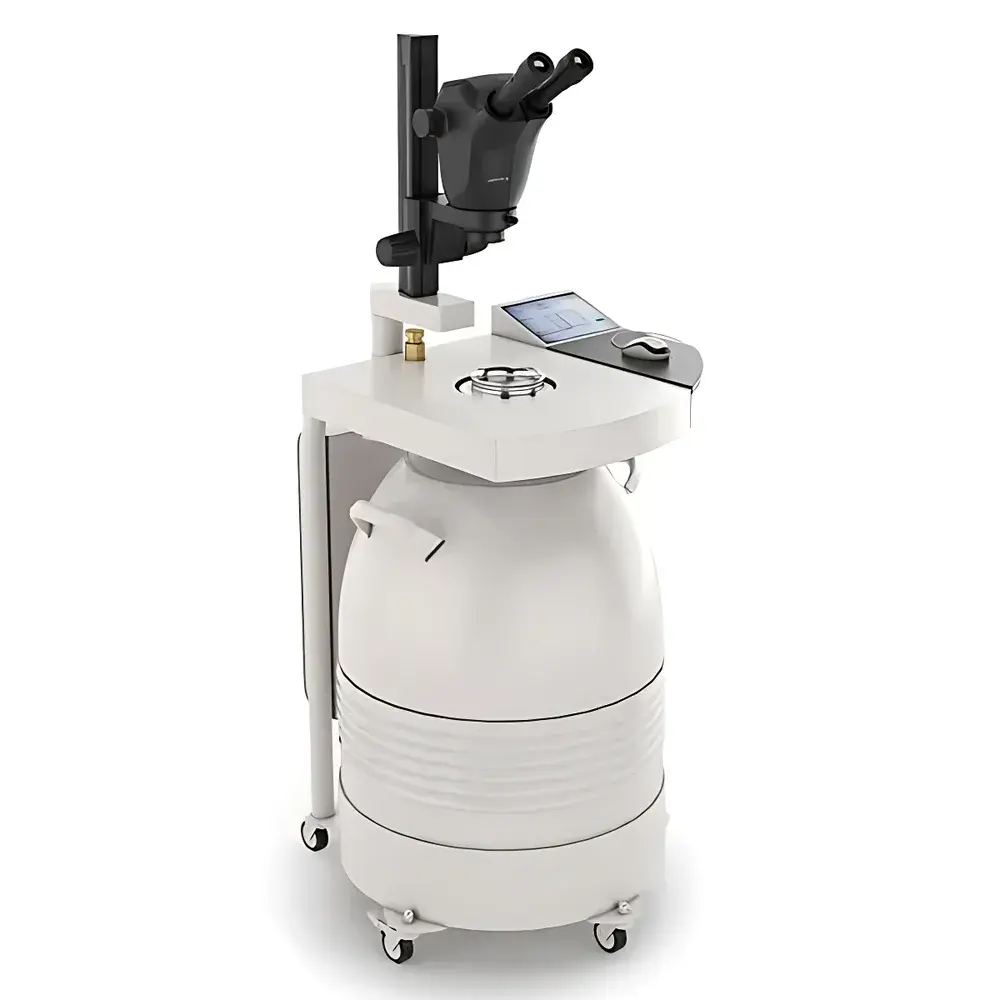
Leica EM AFS2 Automatic Freeze Substitution System
| Brand | Leica |
|---|---|
| Origin | Germany |
| Model | Leica EM AFS2 |
| Application | Automated freeze substitution and graded temperature transition for cryo-preparation of biological and materials science specimens |
| Compliance | Designed for integration into cryo-EM sample preparation workflows compliant with ISO 13041-1 (electron microscopy specimen preparation) and GLP-aligned laboratory environments |
Overview
The Leica EM AFS2 is an automated freeze substitution system engineered for high-precision, reproducible cryo-preparation of biological and soft-material specimens destined for transmission electron microscopy (TEM), scanning electron microscopy (SEM), and correlative light-electron microscopy (CLEM). It operates on the principle of controlled low-temperature solvent exchange—replacing ice within frozen-hydrated samples with organic solvents (e.g., acetone, ethanol) while maintaining sub-zero temperatures (−90 °C to −50 °C) to prevent recrystallization and structural artifacts. The system integrates thermal gradient control, programmable reagent delivery, and in-chamber UV polymerization to enable fully automated freeze substitution, low-temperature resin infiltration (e.g., Lowicryl HM20, LR White), and cold-stage polymerization—all within a single, sealed cryo-environment.
Key Features
- Programmable multi-step freeze substitution protocols: Supports up to 12 user-defined temperature steps and reagent transitions, with temperature stability ±0.5 °C across the operating range (−90 °C to +20 °C).
- Integrated Leica EM FSP (Freeze Substitution Processor): An automated reagent handling module that performs precise dilution, sequential exchange, and waste evacuation without manual intervention—eliminating operator-induced variability in solvent concentration and exposure time.
- Adjustable liquid nitrogen boil-off rate: Enables dynamic control of chamber humidity and vapor pressure to maintain desiccated conditions (<5% relative humidity at −80 °C), minimizing ice contamination and surface condensation during long-duration protocols.
- Dual LED illumination system: High-intensity white LEDs mounted inside the specimen chamber and beneath the integrated stereo microscope facilitate real-time visual monitoring and precise sample positioning under cryo-conditions.
- In-chamber UV polymerization: Built-in 365 nm UV lamps (FSP-integrated) enable cold-curing of acrylic or methacrylate resins directly within the substitution chamber—ensuring minimal thermal drift and optimal ultrastructural preservation.
- Intuitive touchscreen interface with protocol library: Preconfigured methods for common applications (e.g., HPF–AFS–embedding for mammalian cells, plant tissue AFS with osmium tetroxide post-fixation) are stored and editable; all parameter changes are logged with timestamp and user ID.
Sample Compatibility & Compliance
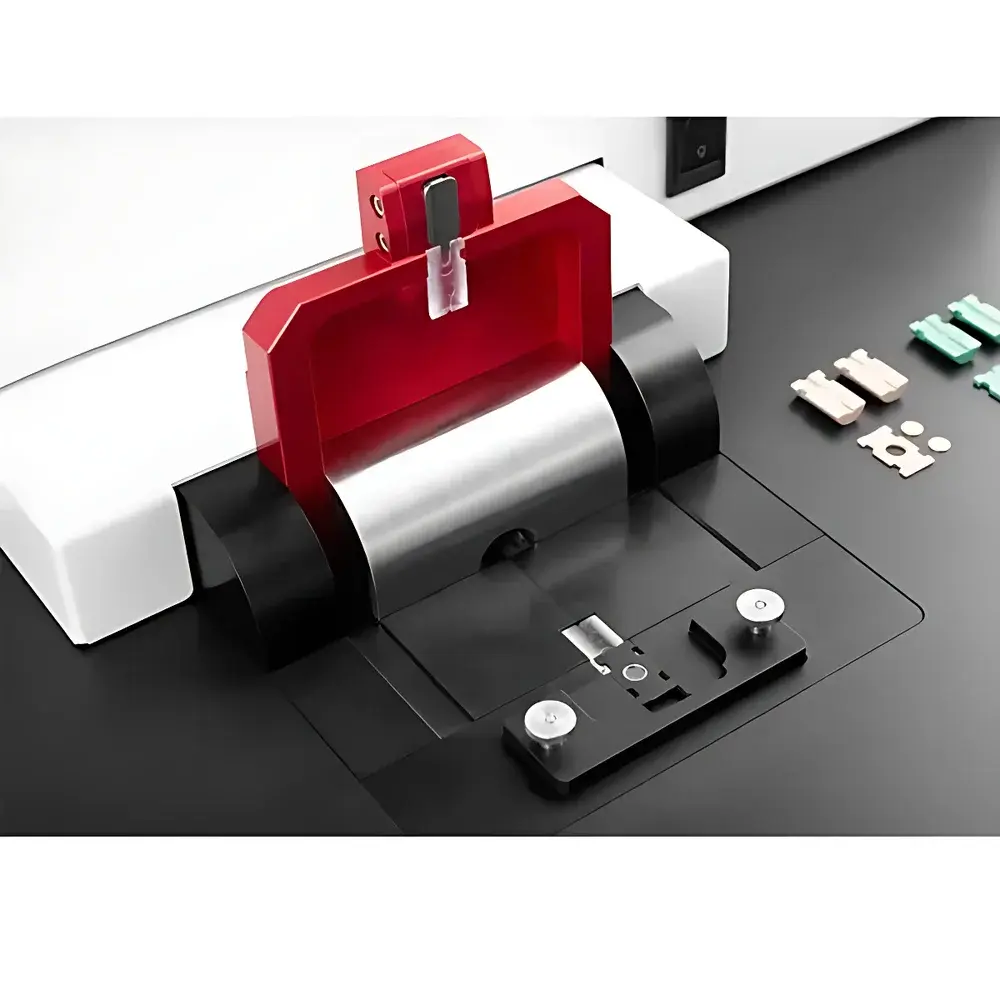
The Leica EM AFS2 accommodates standard TEM specimen carriers (e.g., aluminum planchettes, copper specimen pins, Leica EM PACT2-compatible carriers) and supports sample volumes from single-cell suspensions to 1-mm³ tissue blocks. Its closed-system architecture prevents cross-contamination between runs and complies with biosafety Level 2 (BSL-2) containment practices when handling fixed or chemically treated specimens. The instrument meets mechanical safety requirements per EN 61000-6-2 (immunity) and EN 61000-6-3 (emissions), and its data logging functionality supports audit trails required under GLP and FDA 21 CFR Part 11 for regulated research environments.
Software & Data Management
The embedded control software records all critical process variables—including actual chamber temperature, reagent volume dispensed, UV irradiation dose (mJ/cm²), and elapsed time per step—with automatic export to CSV or XML formats. All user actions, protocol modifications, and system alerts are time-stamped and attributed to individual login credentials. Raw log files are digitally signed and tamper-evident, enabling traceability for quality assurance documentation and regulatory submissions. Optional integration with Leica’s EM Workflow Manager allows synchronization with upstream (HPF) and downstream (ultramicrotomy, TEM imaging) instrumentation metadata.
Applications
- Routine freeze substitution for high-pressure frozen (HPF) biological specimens prior to resin embedding and ultrathin sectioning.
- Low-temperature infiltration and polymerization of hydrophilic resins (e.g., Lowicryl K4M, HM20) for immunolabeling-compatible ultrastructure preservation.
- Graded temperature transition protocols for studying lipid phase behavior, membrane domain organization, or protein aggregation kinetics under cryo-stabilized conditions.
- Materials science applications including freeze-drying of nanocomposites, solvent exchange in metal–organic frameworks (MOFs), and cryo-stabilized catalyst characterization.
- Correlative workflow support: Seamless transition from AFS to cryo-FIB/SEM lamella preparation or cryo-LM stage mounting.
FAQ
What temperature range does the Leica EM AFS2 support during freeze substitution?
The system operates from −90 °C to +20 °C, with programmable ramp rates as low as 0.1 °C/min and hold stability maintained within ±0.5 °C.
Can the EM AFS2 be used with osmium tetroxide or uranyl acetate in the substitution medium?
Yes—the FSP module is chemically resistant to common heavy-metal fixatives and oxidizing agents; all fluidic pathways are constructed from PTFE, PEEK, and sapphire components to ensure compatibility and longevity.
Is remote monitoring or protocol initiation possible?
The system supports Ethernet-based network connectivity for status polling and emergency stop via local LAN; however, full remote protocol execution requires on-site authentication and is disabled by default for safety and data integrity reasons.
How is calibration verified and maintained?
Temperature sensors are factory-calibrated against NIST-traceable references; users may perform verification using certified cryo-thermocouples inserted into designated ports—calibration logs are retained in the system archive.
Does the EM AFS2 meet ISO 13041-1 requirements for cryo-EM specimen preparation?
It conforms to the environmental control, documentation, and reproducibility provisions outlined in ISO 13041-1:2020, particularly clauses 6.2 (thermal stability), 7.3 (reagent handling traceability), and Annex B (cryo-preparation validation guidance).



