
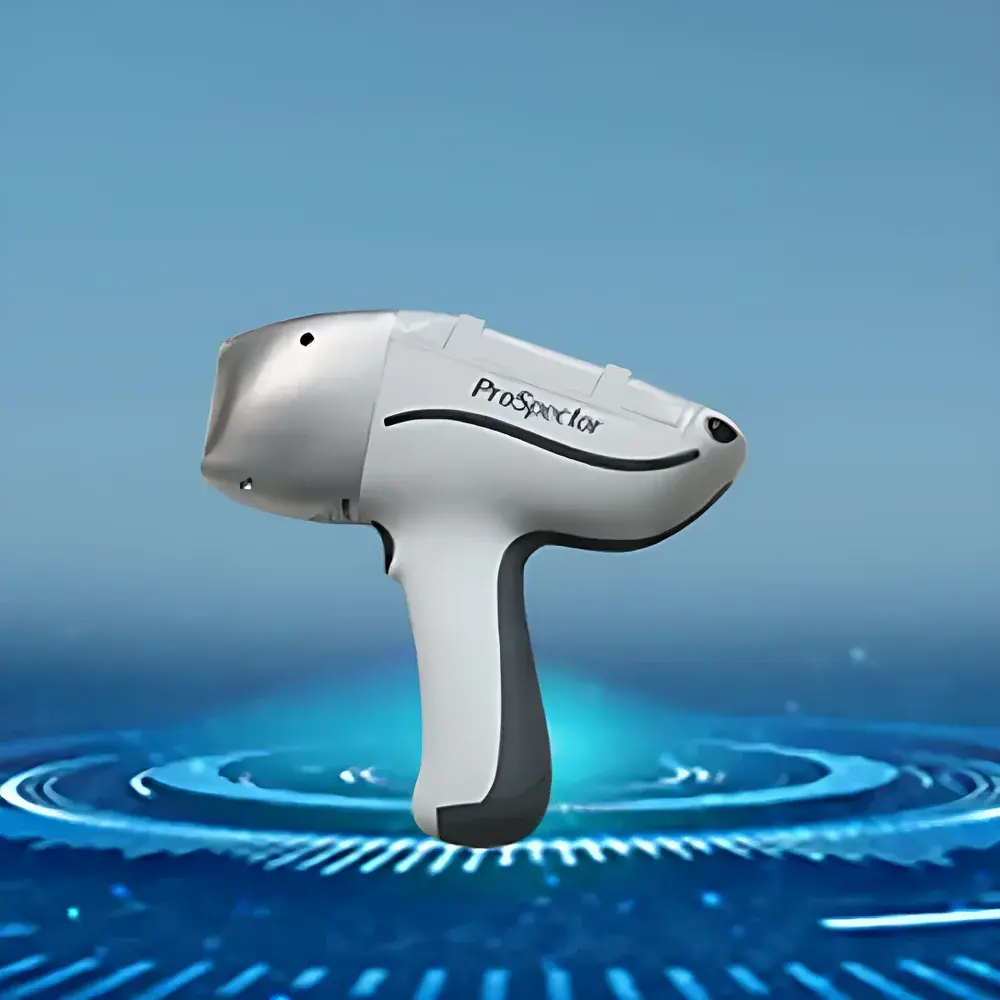
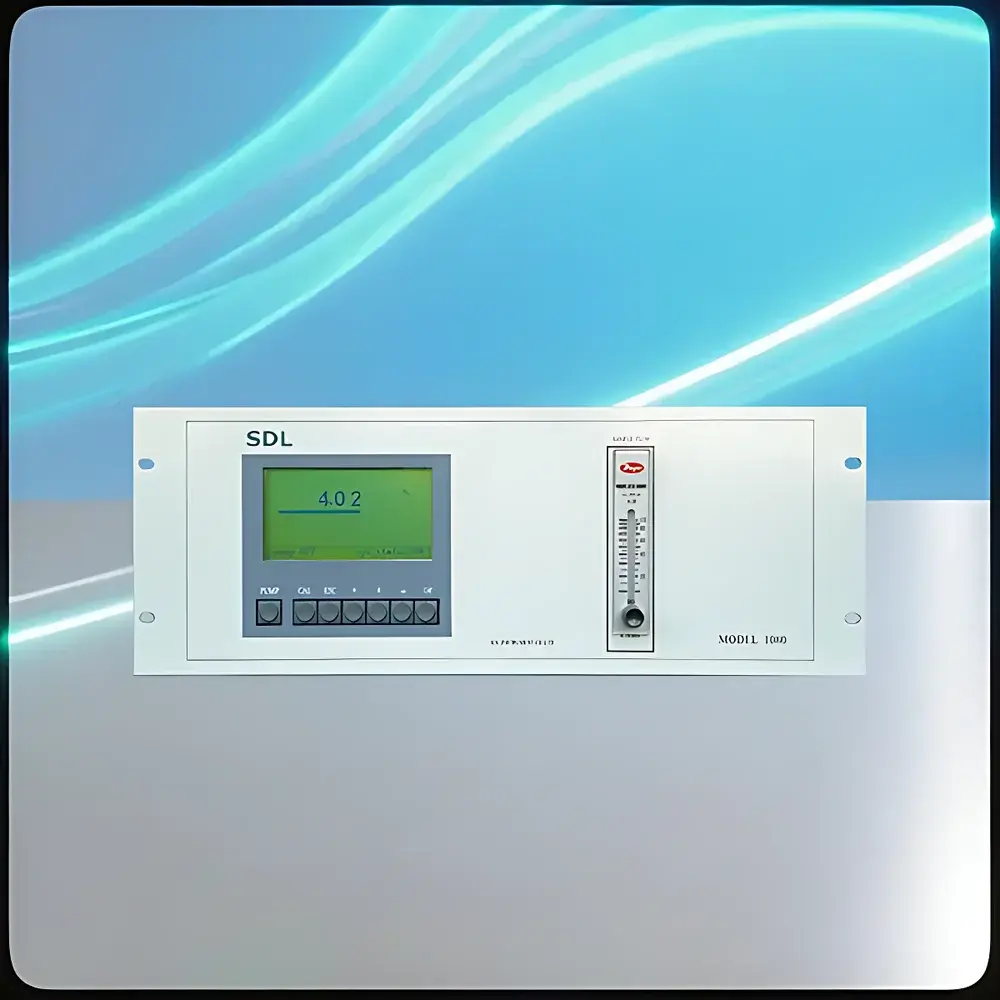
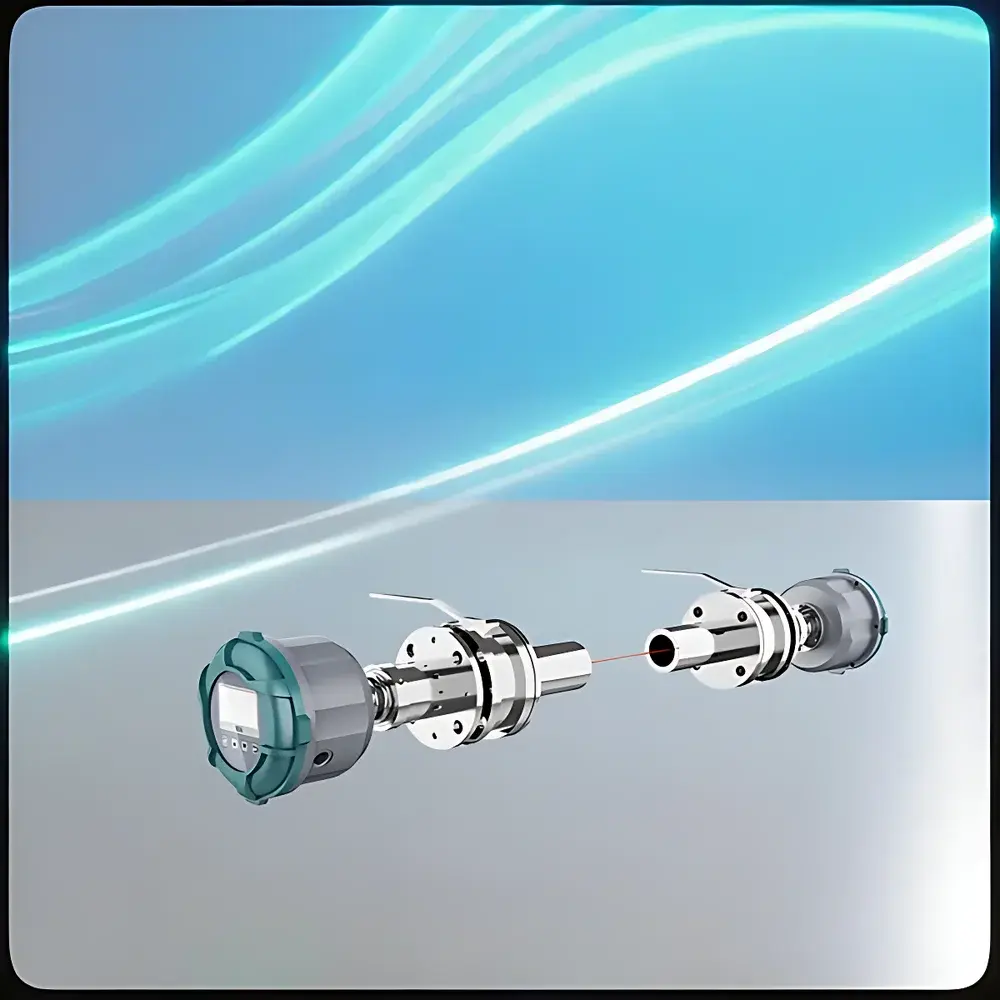
SDL ElvaX ProSpector Handheld Energy Dispersive X-Ray Fluorescence Spectrometer
| Brand | SDL |
|---|---|
| Origin | Beijing, China |
| Manufacturer Type | Original Equipment Manufacturer (OEM) |
| Product Category | Domestic |
| Model | ElvaX ProSpector |
| Application | Field-Portable |
| Instrument Type | Conventional ED-XRF |
| Industry-Specific Use | Soil & Ambient Air Monitoring |
| Element Detection Range | Customizable per regulatory requirements (e.g., As, Cd, Cr, Cu, Hg, Ni, Pb, Zn, Mn, Fe, Ca, K, Ti, V, Co, Mo, Sb, Se, Br) |
| Detection Limits | Sub-ppm to low-ppm range (matrix-dependent) |
| Energy Resolution | ≤145 eV at Mn Kα (typical for high-performance SDD) |
| Repeatability | RSD < 2% for major elements under standardized field conditions |
| Detector | Silicon Drift Detector (SDD), active area ≥25 mm² |
Overview
The SDL ElvaX ProSpector is a field-deployable, handheld energy dispersive X-ray fluorescence (ED-XRF) spectrometer engineered for rapid, non-destructive elemental analysis of heterogeneous environmental matrices—primarily soil, sediment, dust, and airborne particulate matter collected on filters. Based on the fundamental principle of X-ray fluorescence emission, the instrument irradiates a sample with primary X-rays from a miniature Rh anode X-ray tube; characteristic secondary X-rays emitted by constituent elements are resolved by a high-resolution silicon drift detector (SDD) and quantified using fundamental parameter (FP) algorithms calibrated against certified reference materials (CRMs). Designed for continuous 7×24 operation in demanding outdoor environments—including construction sites, brownfield assessments, agricultural monitoring zones, and EPA Region-certified air quality sampling stations—the ElvaX ProSpector integrates ruggedized mechanical architecture with real-time spectral processing firmware to deliver laboratory-grade data acquisition without benchtop infrastructure.
Key Features
- High-sensitivity SDD detector with ≥25 mm² active area and typical energy resolution ≤145 eV at Mn Kα, enabling robust detection of trace heavy metals (e.g., Pb, As, Cd) in complex soil matrices.
- Automated environmental compensation: onboard pressure and temperature sensors enable real-time spectral correction during field deployment across altitudes up to 4,000 m and ambient temperatures from –10 °C to +50 °C.
- Five-position programmable filter wheel optimized for sequential excitation of light (Na–Ca), mid-Z (Ti–Zn), and heavy (Pb–U) elements—enhancing peak-to-background ratios and minimizing matrix interference.
- Dual safety interlock system: hardware-enforced beam inhibition when no sample is detected at the measurement window, plus automatic X-ray shutdown during low-count-rate conditions to minimize dose exposure and extend tube lifetime.
- Integrated triaxial accelerometer logging impact events and enabling dynamic power management—extending battery runtime beyond 8 hours per charge under typical soil screening protocols.
- Ruggedized IP54-rated magnesium alloy housing with shock-absorbing elastomer grips and chemically resistant detector window guard—certified to MIL-STD-810G for drop resistance from 1.2 m onto concrete.
Sample Compatibility & Compliance
The ElvaX ProSpector supports direct analysis of unprepared or minimally homogenized solid samples, including bulk soil cores, dried filter media (e.g., Teflon® or quartz fiber), slag, construction debris, and contaminated sediments. It complies with ISO 12885:2000 (soil analysis by portable XRF), ASTM D8167-22 (standard guide for field screening of soils using portable XRF), and EU Council Directive 2004/35/EC (Environmental Liability Directive) Annex III analytical requirements. For regulatory reporting, the system supports audit-ready data export conforming to EPA Method 6200 (Field Portable XRF for Elemental Analysis) and enables GLP-compliant metadata tagging (operator ID, GPS coordinates, timestamp, atmospheric pressure, humidity, sample ID) embedded directly into spectrum files.
Software & Data Management
Instrument control, spectral acquisition, and quantitative analysis are performed via the proprietary ElvaX Control Suite v4.x—a Windows-based application supporting both real-time and post-acquisition processing. The software implements FP-based quantification with optional empirical calibration using NIST SRM 2710a, 2711a, and IAEA Soil-7 reference standards. All spectra are stored in .spc format compliant with ASTM E1318-21; raw data, processed results, and QA/QC logs (including daily verification check standards) are exportable as CSV, PDF, or XML. Full 21 CFR Part 11 compliance is available via optional secure user authentication, electronic signature workflow, and immutable audit trail generation—enabling use in regulated environmental consulting and remediation projects requiring FDA- or EPA-auditable records.
Applications
- Rapid field screening of As, Pb, Cd, Cr, and Hg in topsoil prior to excavation or land-use change (ASTM D8167 Tier 1 assessment).
- On-site verification of remediation endpoints during brownfield redevelopment, reducing lab turnaround time by >90%.
- Real-time analysis of PM10/PM2.5 filter samples for source apportionment studies in urban air quality monitoring networks.
- Mobile surveying of industrial sites for legacy contamination mapping using integrated GNSS geotagging and GIS-compatible KML output.
- Support for ISO 17025-accredited laboratories performing method validation of portable XRF against ICP-MS reference methods.
FAQ
Does the ElvaX ProSpector require annual recalibration?
No—its self-calibrating detector and environmental sensor suite eliminate routine recalibration. However, daily verification using a supplied check standard (e.g., stainless steel 316 or soil CRM) is recommended per ASTM D8167 Section 8.3.
Can it analyze wet or frozen soil samples?
Direct analysis of high-moisture samples is not advised due to attenuation effects. Air-drying to <15% moisture content (per ASTM D2216) is required for quantitative accuracy.
Is radiation shielding required during operation?
The device meets IEC 62495:2010 Class II B requirements for handheld XRF. No external shielding is needed; operator dose remains below 1 µSv/h at 5 cm distance during normal use.
What spectral processing algorithms are included?
Baseline deconvolution (SNIP), peak fitting (Pseudo-Voigt), matrix correction (Fundamental Parameters), and multivariate regression (PLS) for complex interference scenarios.
How is data integrity ensured during wireless transfer?
All Bluetooth and Wi-Fi transmissions use TLS 1.2 encryption; locally stored spectra include SHA-256 checksums to prevent tampering or corruption.
Related Products




