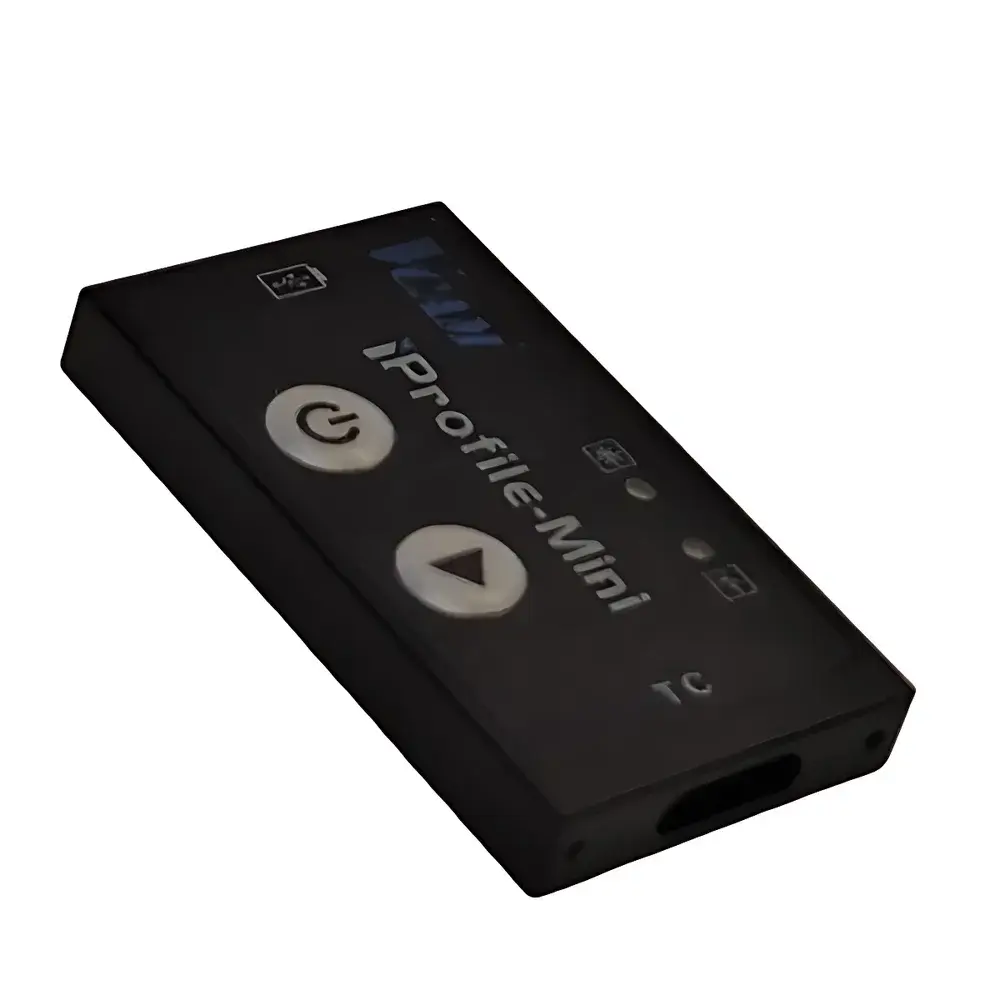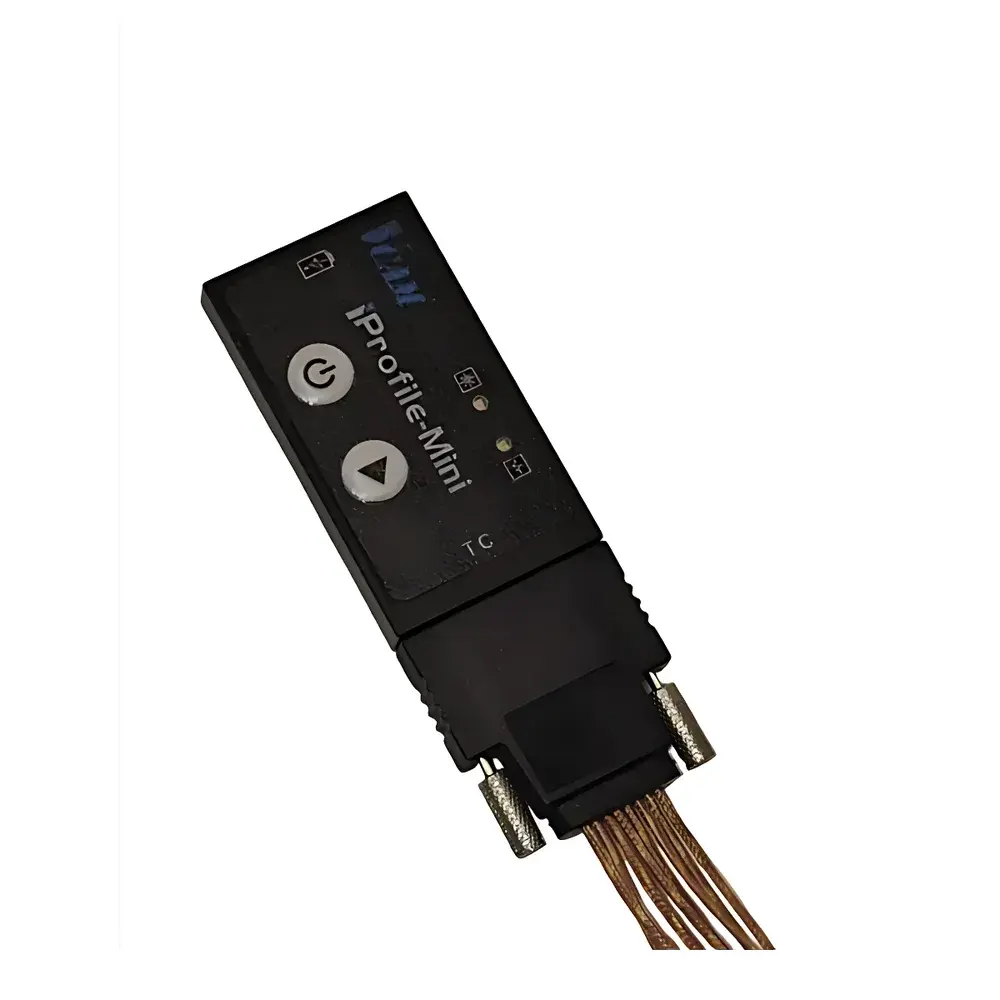
Auniontech Aut-S600 Fiber Bragg Grating Micro-Strain Sensor
| Brand | Auniontech |
|---|---|
| Model | Aut-S600 |
| Center Wavelength | 1528–1568 nm (±0.1 nm) |
| Strain Range | ±1500 / ±3000 / ±5000 με |
| Accuracy | ±2 με |
| Resolution | 0.1 με |
| Strain Sensitivity | 1.2 pm/με |
| Temperature Sensitivity | Calibrated |
| Operating Temperature | −40 to +300 °C |
| Weight | <25 g |
| FWHM | <0.3 nm |
| Side Mode Suppression Ratio | >12 dB |
| Peak Reflectivity | >70% |
| Connector | FC/APC |
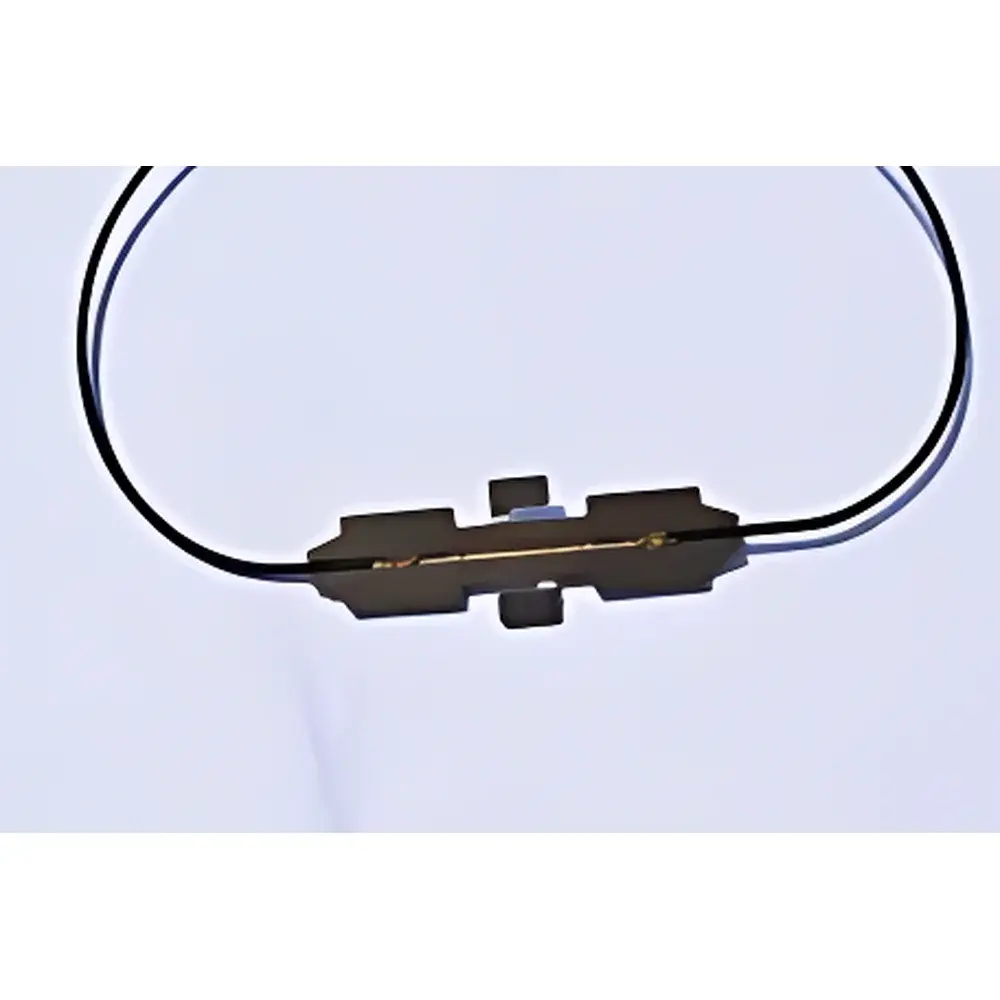
| Packaging | Metallic or Flexible Substrate |
| Bonding | Adhesive-free Encapsulation |
Overview
The Auniontech Aut-S600 Fiber Bragg Grating (FBG) Micro-Strain Sensor is an engineered optical sensing device designed for high-fidelity, long-term static and quasi-static strain monitoring in civil infrastructure and critical industrial assets. It operates on the fundamental principle of wavelength-encoded strain transduction: mechanical deformation induces a linear shift in the Bragg wavelength (λB) of the embedded grating, governed by the photoelastic effect and geometric elongation. This shift—measured in picometers—is directly proportional to axial microstrain (με), enabling traceable, absolute measurement without drift or zero-point degradation. Unlike resistive strain gauges, the Aut-S600 is immune to electromagnetic interference (EMI), galvanic corrosion, and lightning-induced surges—making it suitable for deployment in electrically noisy, explosive, or high-voltage environments such as power substations, wind turbine blades, and rail track beds. Its all-dielectric construction and passive operation eliminate intrinsic power requirements at the sensing point, supporting distributed multiplexing over single-mode fiber up to tens of kilometers.
Key Features
- Adhesive-free encapsulation technology ensures long-term stability and eliminates creep-induced signal hysteresis common in epoxy-bonded FBG sensors.
- Pre-strained FBG element mounted on stainless steel or flexible polymer substrate enables repeatable, linearity-preserving strain transfer across thermal and mechanical cycling.
- Two-fiber-pigtail configuration (input/output) allows daisy-chain multiplexing—up to 30+ sensors per fiber line using standard wavelength-division multiplexing (WDM) interrogation.
- Robust mechanical packaging meets IEC 60793-2-50 and Telcordia GR-1221-CORE specifications for tensile strength, bend radius, and crush resistance.
- Factory-calibrated temperature-compensated strain response with documented traceability to NIST-traceable reference standards.
- FC/APC connector interface ensures low back-reflection (<−60 dB) and compatibility with commercial FBG interrogators from Micron Optics, HBM FiberSensing, and Luna Innovations.
Sample Compatibility & Compliance
The Aut-S600 is compatible with conventional surface-mounting techniques used for foil strain gauges—including spot welding (for metallic substrates), cyanoacrylate bonding (for non-conductive surfaces), and mechanical clamping via custom brackets. Its lightweight design (<25 g) imposes negligible inertial loading on thin-walled or vibration-sensitive structures. The sensor conforms to ASTM E2872–22 (Standard Guide for Structural Health Monitoring of Bridges Using Optical Fiber Sensors) and supports compliance with ISO 14971:2019 (risk management for medical devices) where deployed in regulated biomedical instrumentation. For nuclear or aerospace applications, the device satisfies MIL-STD-810H environmental test profiles for shock, vibration, and thermal cycling (−40 °C to +300 °C). All units undergo 100% spectral verification, including FWHM (12 dB), and reflectivity (>70%) screening prior to shipment.
Software & Data Management
Raw Bragg wavelength data from the Aut-S600 is acquired via third-party FBG interrogation systems supporting IEEE 1451.4 TEDS (Transducer Electronic Data Sheet) metadata embedding. Auniontech provides optional ASCII-based calibration files (.csv) containing polynomial coefficients for strain/temperature cross-sensitivity correction. When integrated into SCADA or cloud-based SHM platforms (e.g., Siemens Desigo CC, Bentley AssetWise), the sensor supports audit-ready data logging compliant with FDA 21 CFR Part 11 requirements—including electronic signatures, change history, and secure user access control. Time-synchronized acquisition at ≤10 Hz sampling rate enables modal analysis and slow-drift trending without aliasing artifacts.
Applications
- Long-term structural health monitoring (SHM) of bridges, dams, tunnels, and historical masonry—tracking creep, settlement, and fatigue accumulation over decades.
- In situ strain validation during pre-stressed concrete curing and post-tensioning operations, meeting ACI 318 and EN 1992-1-1 requirements.
- Thermal-mechanical strain mapping on composite fuselage panels, rocket motor casings, and satellite solar array hinges under vacuum and thermal cycling.
- Distributed load testing of railway sleepers, offshore platform jackets, and wind turbine tower base sections under operational loading spectra.
- Multi-point strain rosettes for experimental stress analysis in laboratory-scale mechanical testing frames (ASTM E8/E21).
FAQ
What is the maximum number of Aut-S600 sensors that can be multiplexed on a single fiber?
Up to 32 sensors are supported within the C-band (1528–1568 nm) using 0.8 nm channel spacing and standard broadband light sources with ≥40 nm spectral width.
Does the Aut-S600 require temperature compensation during strain measurement?
Yes—simultaneous temperature measurement using a co-located FBG temperature sensor or built-in dual-grating configuration is required for quantitative strain resolution below ±5 με accuracy.
Can the Aut-S600 be embedded in concrete during casting?
Yes—its metal or flexible encapsulation and adhesive-free design allow direct embedment; however, strain transfer efficiency must be validated per ACI 237R-17 guidelines for embedded optical sensors.
Is the sensor compatible with existing FBG interrogation hardware?
Yes—the Aut-S600 meets ITU-T G.671 spectral grid alignment and operates with any C-band FBG interrogator supporting ≥0.1 pm wavelength resolution and FC/APC interface.
What documentation is provided for regulatory validation?
Each unit ships with a Certificate of Conformance, spectral characterization report, calibration certificate (traceable to NIST SRM 2800), and RoHS/REACH compliance statement.