
IST Powdershape Advanced Particle Image Analysis System
| Brand | IST Switzerland |
|---|---|
| Origin | Switzerland |
| Model | Powdershape |
| Measurement Range | 2.5 µm to 3 cm |
| Configurations | Powdershape MF, Aqua, Automatic, Standard, Light |
| Sample Modes | Dry & Wet (Aqua), Manual & Automated Feeding |
| Key Output Parameters | Equivalent Circle Diameter, Maximum Feret, Minimum Feret, Aspect Ratio, Convexity, Solidity, Color Distribution, Elongation, Roundness |
Overview
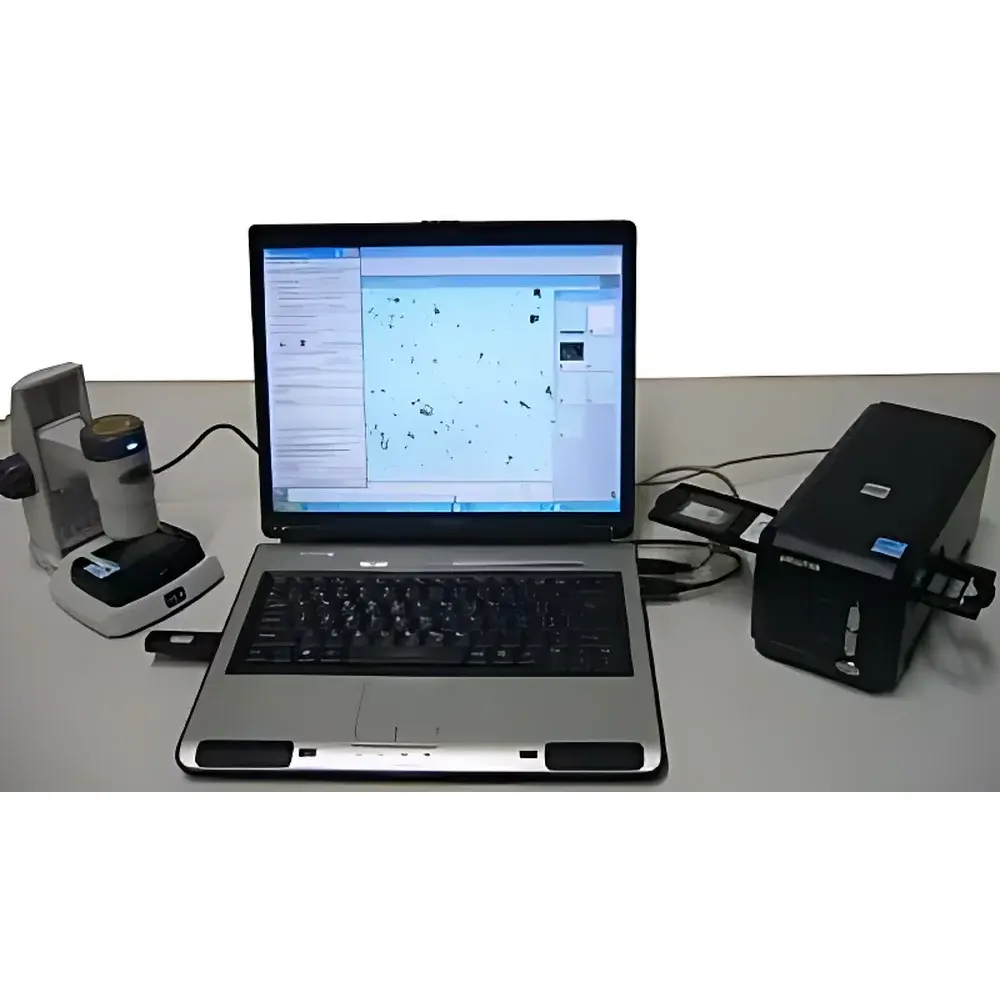
The IST Powdershape Advanced Particle Image Analysis System is a high-precision, ISO-compliant digital imaging platform engineered for quantitative morphological and dimensional characterization of particulate solids and suspensions. Unlike laser diffraction or dynamic light scattering techniques—which infer size distributions statistically—Powdershape employs calibrated high-resolution static image capture and deterministic pixel-based segmentation to deliver direct, traceable measurements of individual particle geometry. Its optical architecture integrates industrial-grade A4 flatbed scanners (for dry/wet bulk samples), transmitted-light film scanners (Powdershape Light), and optional digital microscopy modules, enabling consistent magnification calibration across the full operational range—from sub-micron nanoparticles (2.5 µm) to macroscopic fragments up to 30 mm. Designed explicitly for quality control laboratories operating under GMP/GLP frameworks, the system complies with ASTM E2457 (Standard Practice for Characterizing Particulate Matter by Image Analysis) and supports audit-ready data integrity through embedded timestamping, user access logs, and raw image archiving.
Key Features
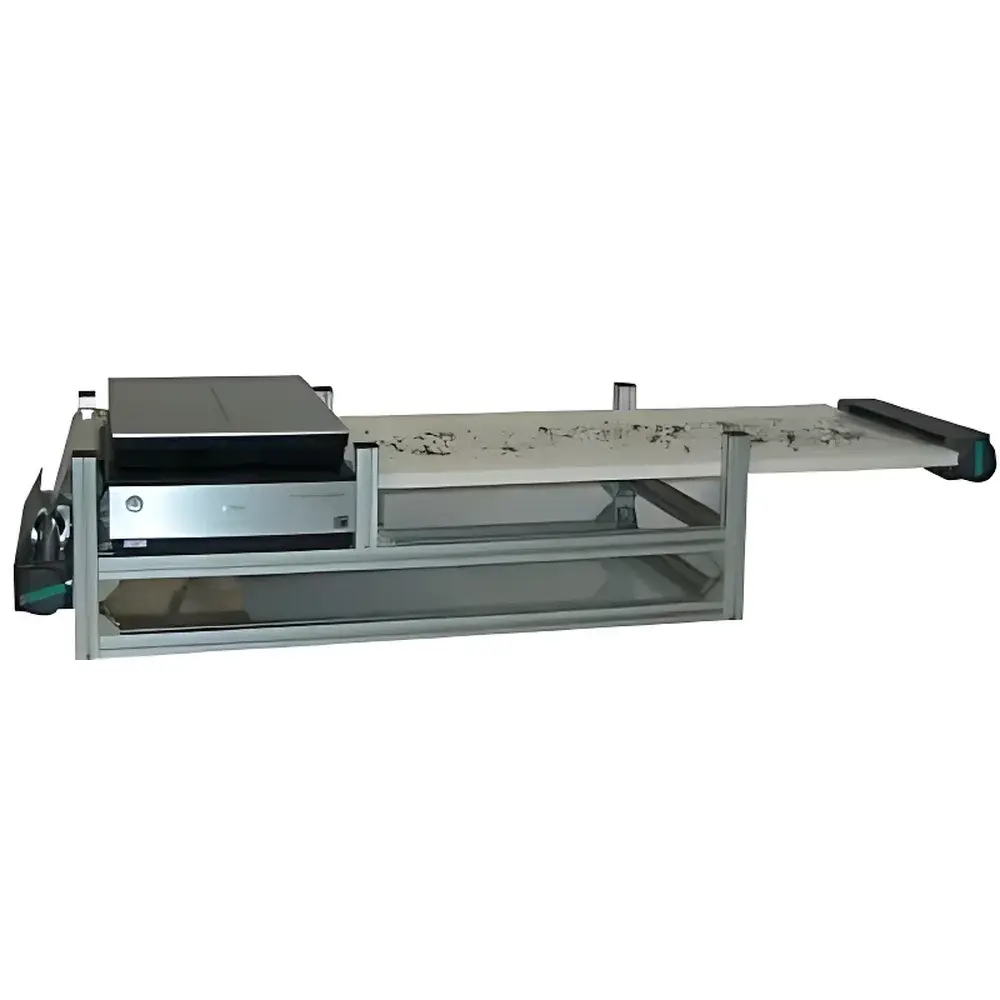
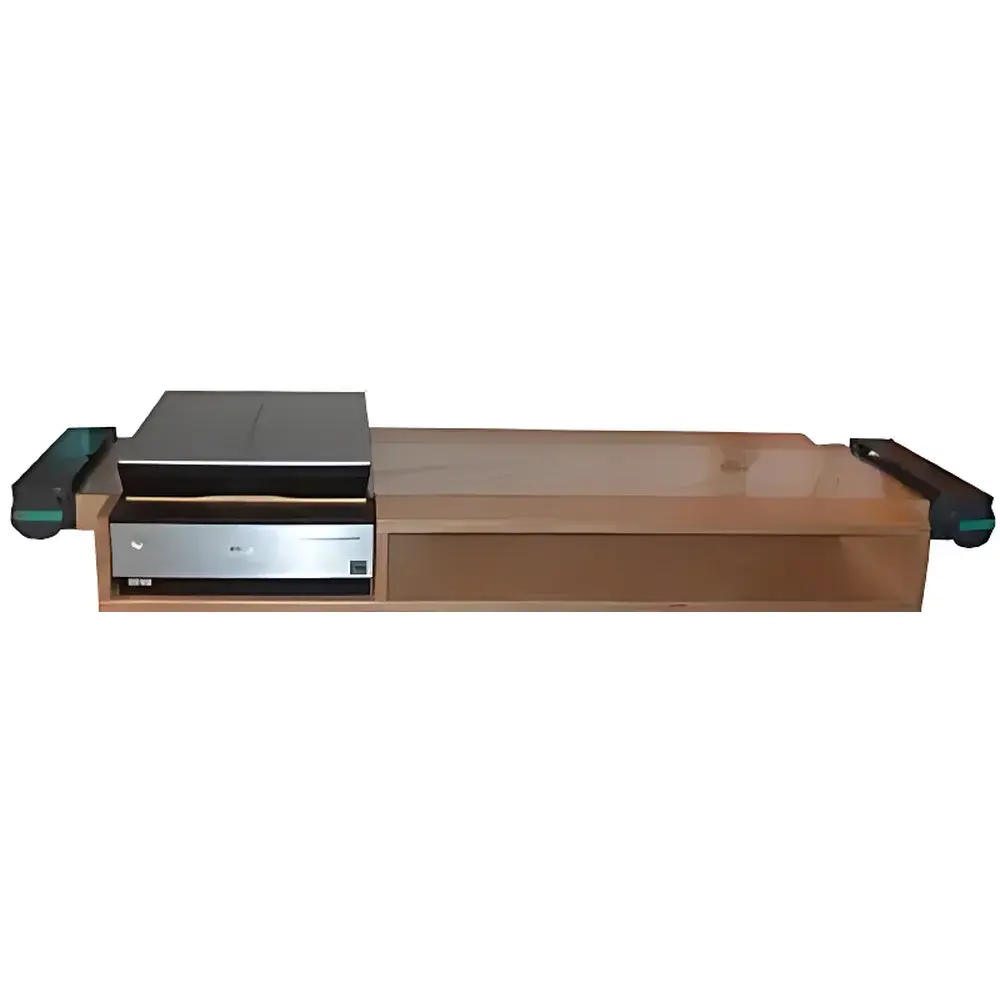
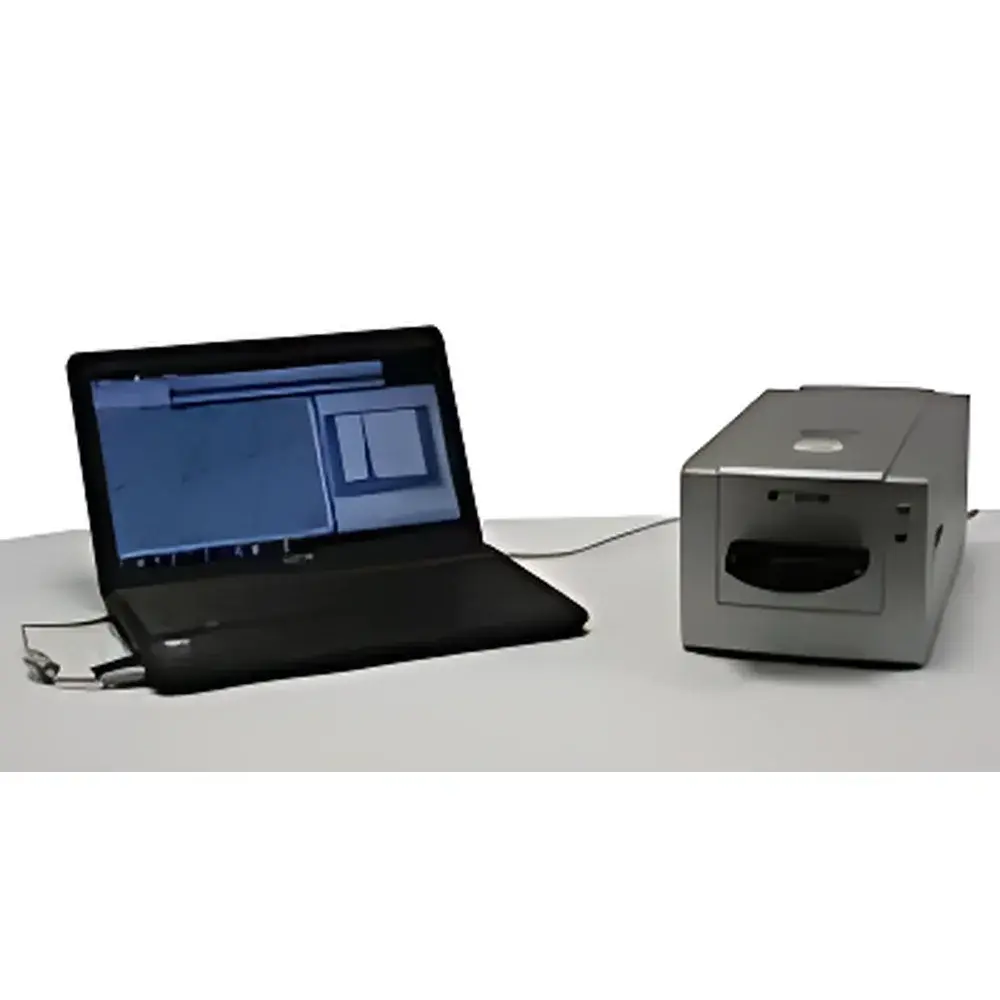
- Multi-configuration modularity: Select from five dedicated hardware variants—Powdershape MF (medium-format scanning), Aqua (liquid dispersion analysis), Automatic (patented Swiss auto-feeder), Standard (manual dry/wet loading), and Light (transmission-mode microanalysis)—each optimized for specific sample types and throughput requirements.
- Calibrated geometric metrology: Measures >20 morphological descriptors per particle—including equivalent circle diameter, maximum/minimum Feret diameters, aspect ratio, convexity, solidity, roundness, elongation, and RGB color intensity distribution—calculated directly from binary masks with sub-pixel edge detection.
- Validated sample handling: Dry powder analysis requires no solvent; wet analysis (Powdershape Aqua) uses standardized dispersion trays with controlled settling time and laminar flow design to minimize agglomeration artifacts. All configurations support ISO 13322-1 compliant sample preparation protocols.
- Reproducible workflow: Integrated software enforces step-by-step SOP execution—from auto-focus and illumination normalization to threshold optimization and outlier rejection—ensuring inter-operator consistency and reducing subjectivity in image segmentation.
- Regulatory-ready output: Generates PDF reports with embedded raw images, metadata (camera settings, calibration certificate ID, operator ID), statistical summaries (D10/D50/D90, span, skewness), and histogram overlays—all exportable in CSV, Excel, and XML formats for LIMS integration.
Sample Compatibility & Compliance
Powdershape accommodates diverse particulate matrices without chemical modification or dilution: free-flowing powders (metallic, ceramic, pharmaceutical APIs), cohesive agglomerates, granules, sand fractions, milled crop grains, WC-Co sintered precursors, gypsum whiskers, and colloidal suspensions. The Aqua configuration enables stable aqueous or organic dispersions (e.g., TiO₂ in ethanol, SiO₂ in water) using gravity-fed sample trays with anti-sedimentation baffles. All hardware meets CE marking requirements and conforms to IEC 61000-6-3 (EMC) and IEC 61000-6-2 (immunity). Data management complies with FDA 21 CFR Part 11 via electronic signatures, audit trails, and role-based access controls within the Powdershape software suite.
Software & Data Management
The proprietary Powdershape Analysis Suite (v5.2+) runs on Windows 10/11 and features a validated, wizard-driven interface with zero-code method scripting. It includes automated batch processing, customizable report templates aligned with USP , EP 2.9.31, and ISO 9276-2 reporting conventions, and real-time statistical process control (SPC) charting. Raw TIFF images are stored with EXIF metadata and linked to analytical results via UUID referencing. The system supports secure network deployment with SQL Server backend, enabling multi-site data aggregation and trend analysis across production batches. All software updates undergo IQ/OQ validation documentation per GAMP 5 guidelines.
Applications
Powdershape delivers actionable insights across R&D, manufacturing, and regulatory submission workflows: optimizing spray-dried inhalation powder aerodynamic performance; verifying granule friability and compression behavior in tablet formulation; quantifying aspect ratio distribution of high-aspect-ratio additives (e.g., nanocellulose, wollastonite) for composite reinforcement modeling; validating sieve-cut consistency in catalyst support materials; assessing degradation-induced fragmentation in lyophilized biopharmaceuticals; and characterizing angularity and surface texture of construction aggregates per EN 933-5. Case studies demonstrate correlation coefficients >0.98 between Powdershape-derived D50 and cascade impactor deposition data for DPI formulations.
FAQ
What standards does Powdershape comply with for particle shape analysis?
ASTM E2457, ISO 13322-1, ISO 9276-2, and USP for morphological descriptor definitions and reporting conventions.
Can Powdershape analyze particles smaller than 5 µm reliably?
Yes—the Powdershape Light configuration achieves 2.5 µm resolution using transmitted-light film scanning with 4800 dpi optical capture and sub-pixel centroid interpolation.
Is wet dispersion mandatory for liquid samples?
No—Powdershape Aqua uses static sedimentation in calibrated trays; ultrasonication or surfactants are optional and documented in method parameters.
How is measurement reproducibility verified?
Each system ships with NIST-traceable calibration slides; daily verification uses certified glass microsphere standards (PSL, 10–100 µm), with %RSD ≤2.5% across 10 repeated measurements.
Does the software support multi-user environments with audit trails?
Yes—role-based permissions, electronic signatures, and immutable audit logs meet FDA 21 CFR Part 11 and EU Annex 11 requirements.
Related Products



