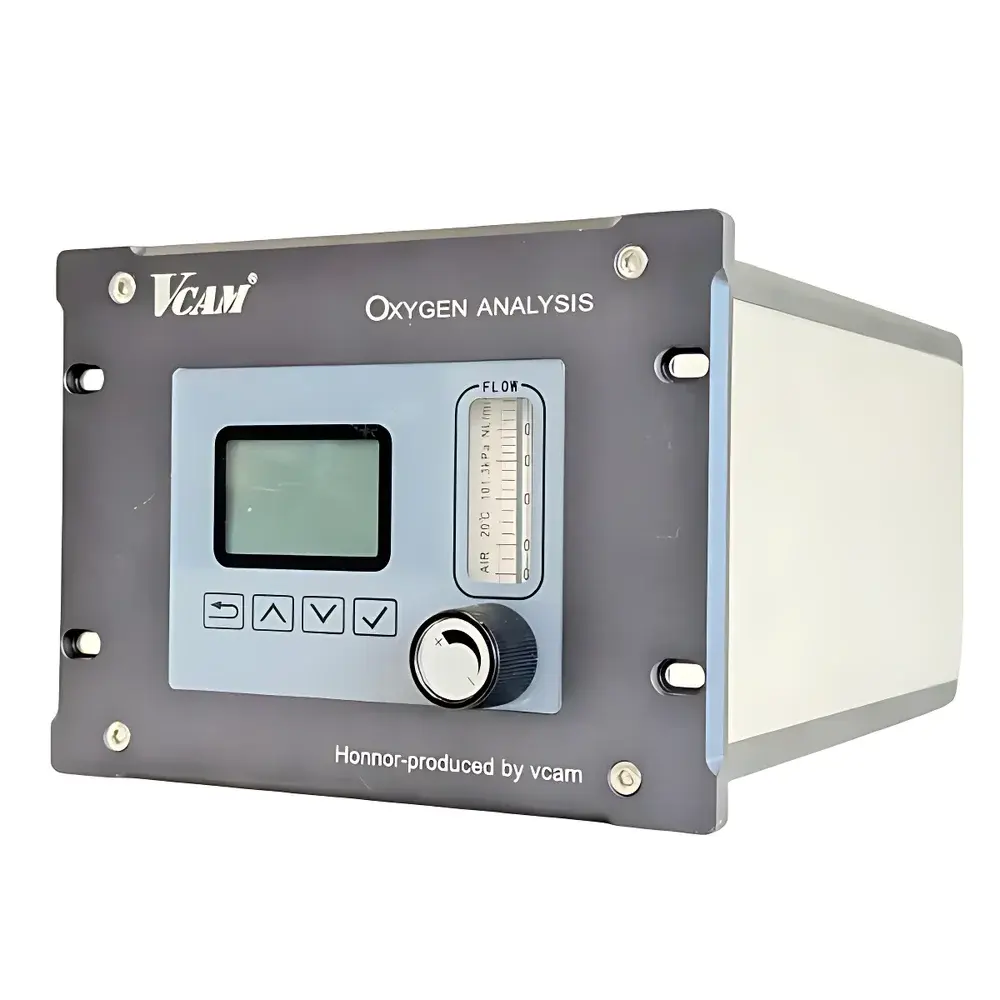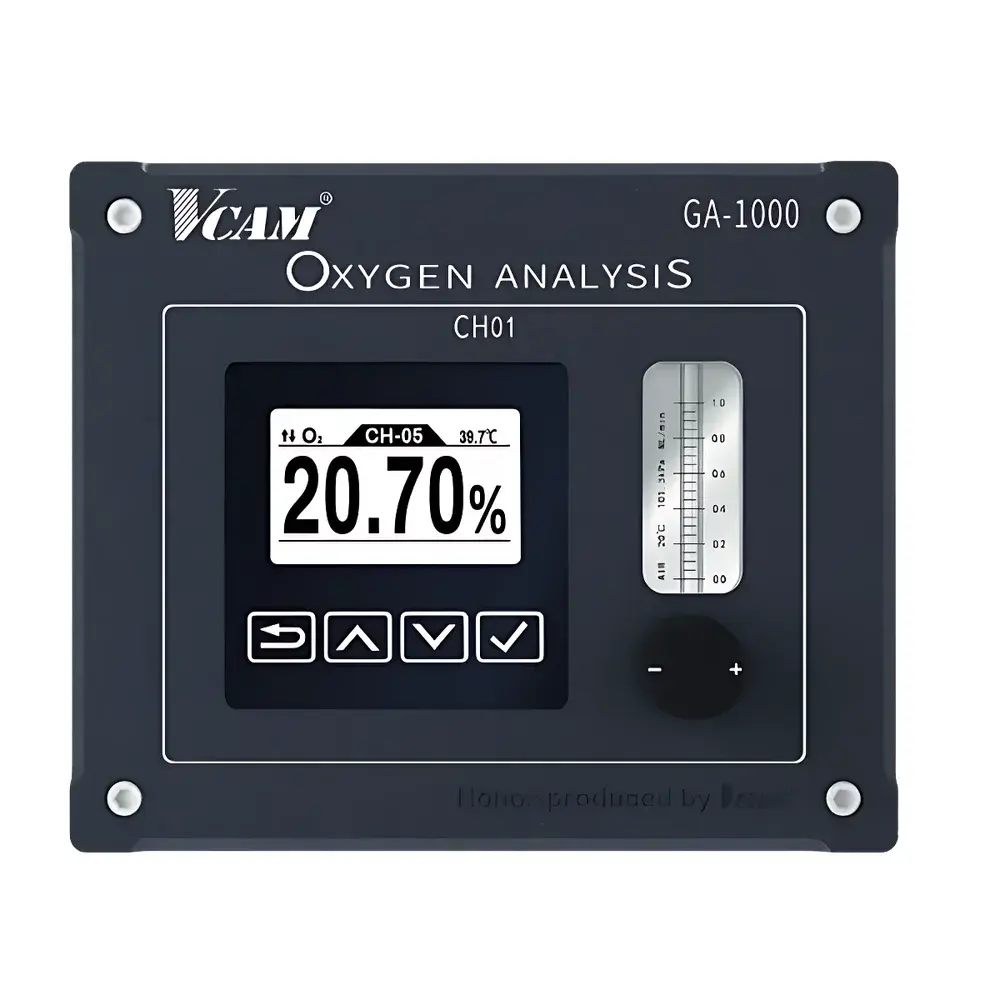
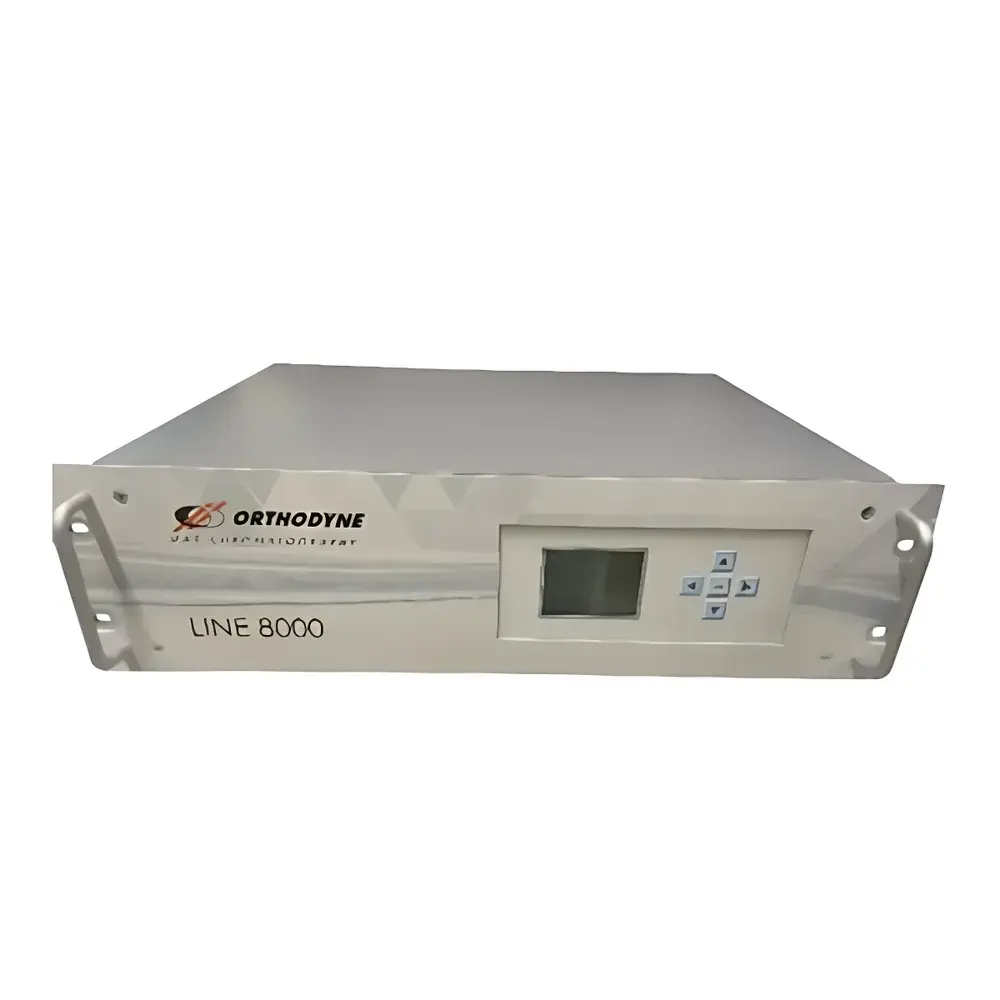
SDL OZR8000 Online Zirconia-Based Trace Oxygen Analyzer for Environmental Monitoring
| Brand | SDL (Sailong) |
|---|---|
| Origin | Belgium |
| Manufacturer | ORTHODYNE S.A. |
| Type | Imported Industrial Analyzer |
| Model | OZR8000 |
| Price Range | USD 135,000 – 1,350,000 |
Overview
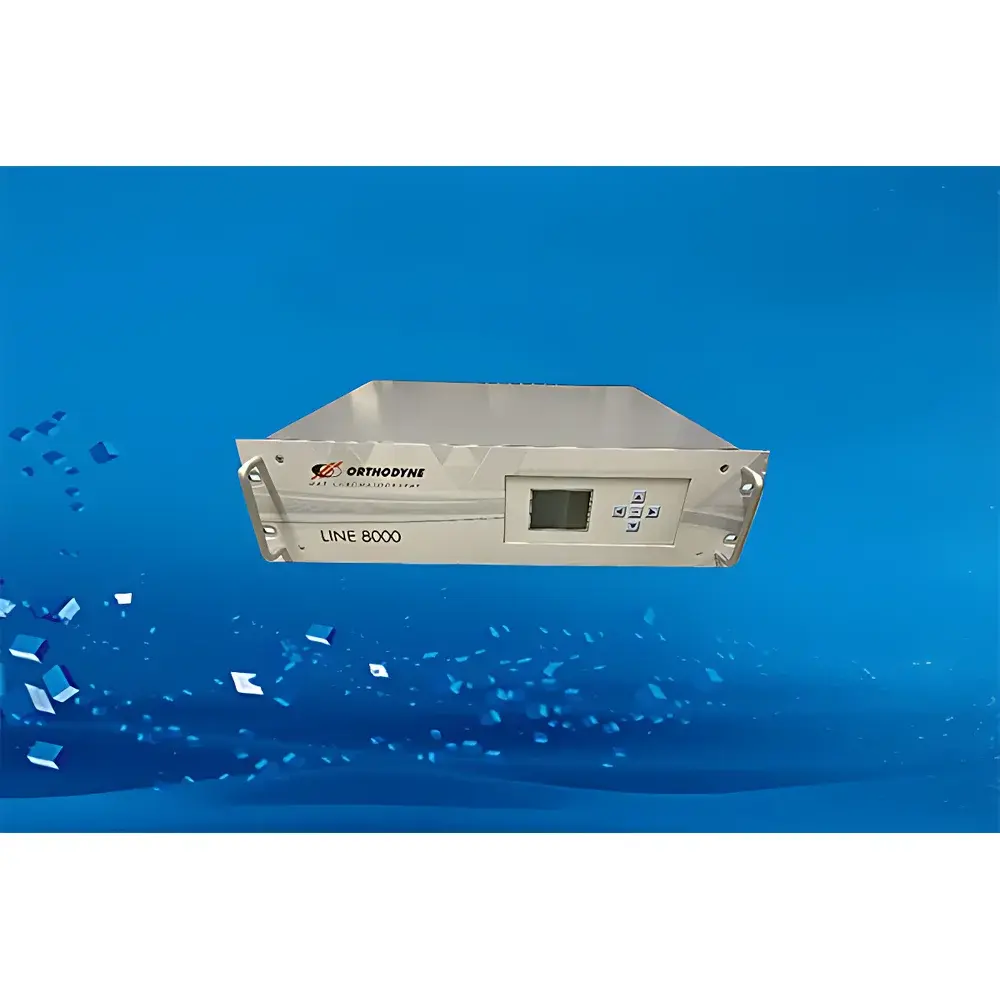
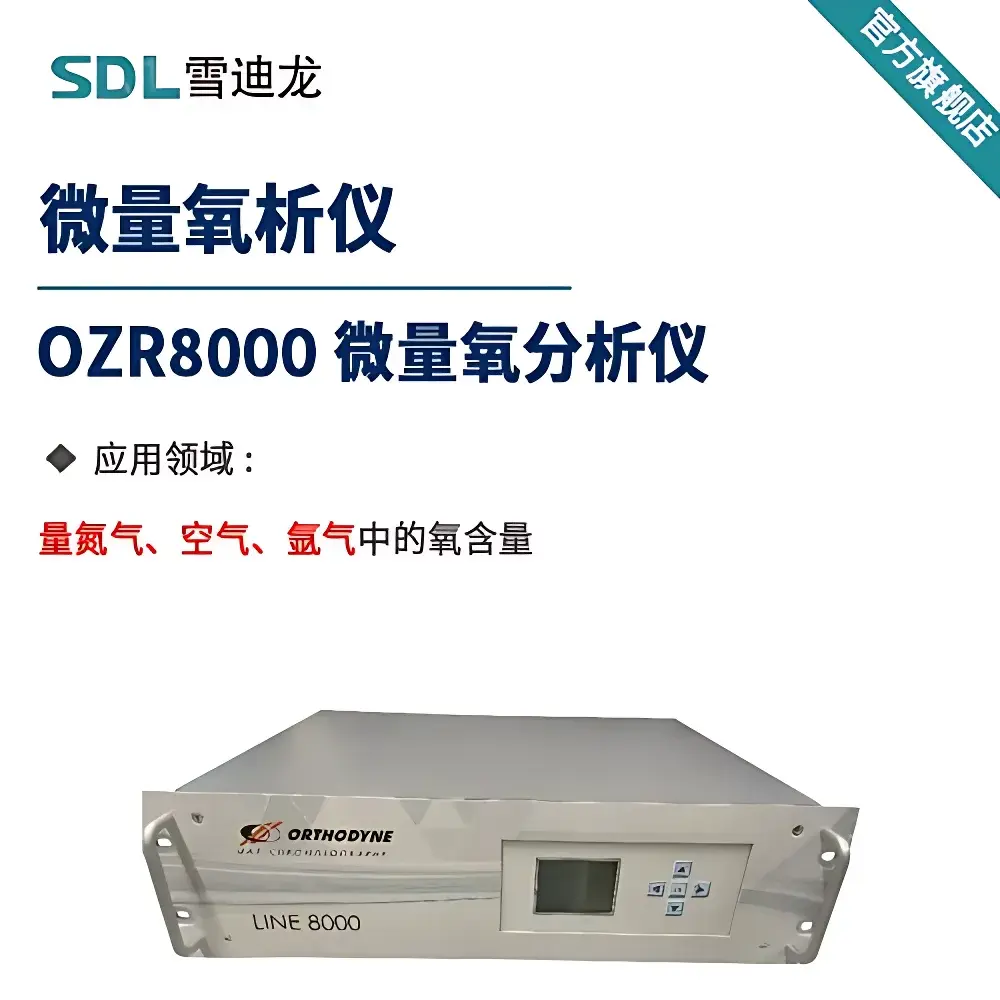
The SDL OZR8000 is an industrial-grade, online trace oxygen analyzer engineered specifically for continuous, high-stability measurement of oxygen concentrations in ultra-pure inert gas streams—primarily nitrogen (N₂), argon (Ar), and compressed air—within environmental monitoring, flue gas treatment, and emissions compliance applications. Built upon electrochemical zirconia (ZrO₂) sensor technology, the OZR8000 operates on the principle of oxygen ion conduction across a heated stabilized zirconium dioxide electrolyte at elevated temperatures (typically 650–750 °C). In this solid-state galvanic cell configuration, oxygen partial pressure differentials between sample and reference gases generate a Nernst potential proportional to log[O₂], enabling precise quantification down to sub-ppm levels (0–10 ppm, 0–100 ppm, or 0–1000 ppm full-scale ranges configurable per installation). Its robust thermal management system ensures minimal drift and long-term baseline stability—critical for regulatory-grade continuous emission monitoring systems (CEMS) deployed in wastewater treatment off-gas lines, biogas upgrading units, and catalytic oxidation scrubber bypass streams.
Key Features
- Zirconia-based sensing element with integrated heater and thermocouple for active temperature control and compensation
- Long-life measurement cell rated for ≥24 months continuous operation under typical environmental process conditions
- Auto-calibration capability using zero gas (e.g., high-purity N₂) and span gas (e.g., certified 100 ppm O₂ in N₂), configurable via front-panel interface or remote command
- Real-time diagnostic monitoring: sensor impedance tracking, heater current verification, and signal-to-noise ratio assessment
- Automated maintenance alert system with configurable thresholds for sensor degradation, flow deviation, or temperature excursion
- IP65-rated stainless steel enclosure with explosion-proof optional certification (ATEX/IECEx Zone 2 compliant variants available)
- Dual 4–20 mA analog outputs with HART® 7 protocol support for integration into DCS/SCADA platforms
Sample Compatibility & Compliance
The OZR8000 is validated for use with dry, non-corrosive, particle-free gas matrices including technical-grade nitrogen, argon, synthetic air, and low-humidity instrument air. It is not suitable for samples containing condensable vapors, halogenated compounds, sulfur oxides, or hydrogen sulfide above 1 ppmv without upstream conditioning (e.g., heated particulate filter, desiccant dryer, and catalytic scrubber). The analyzer complies with EN 14181 (QAL1/QAL2 requirements for automated measuring systems), meets the performance criteria outlined in EPA Method 3A for oxygen measurement in stationary source emissions, and supports audit-ready data logging aligned with ISO 17025 laboratory quality management principles. All firmware and calibration records adhere to ALCOA+ data integrity standards and are compatible with FDA 21 CFR Part 11-compliant electronic record architectures when deployed with approved SCADA historian modules.
Software & Data Management
The embedded firmware provides local configuration via a 5.7″ TFT color touchscreen with multilingual UI (English, French, German, Chinese). Remote access is enabled through Modbus TCP or Ethernet/IP protocols, allowing seamless integration into plant-wide asset management systems. Data logging includes timestamped O₂ concentration values, sensor diagnostics (impedance, temperature, offset voltage), alarm history, and calibration event metadata—stored internally for up to 30 days (configurable) and exportable via USB or FTP. Optional cloud-enabled telemetry (via MQTT over TLS 1.2) supports predictive maintenance analytics, including remaining useful life (RUL) estimation based on cumulative thermal cycles and impedance decay trends. Audit trails are immutable and include user ID, action type, timestamp, and pre-/post-change parameter values.
Applications
- Continuous monitoring of oxygen breakthrough in nitrogen blanketing systems for activated sludge basins and anaerobic digesters
- Verification of inerting efficiency in biogas upgrading facilities prior to membrane separation or pressure swing adsorption
- Leak detection and purge validation in flue gas desulfurization (FGD) bypass ducts and selective catalytic reduction (SCR) ammonia injection zones
- Quality assurance of high-purity carrier gases used in environmental GC-MS laboratories performing VOC analysis per TO-15/TO-17 protocols
- Process optimization of thermal oxidizers and regenerative thermal oxidizers (RTOs) where sub-stoichiometric O₂ control minimizes NOₓ formation
FAQ
What is the typical measurement range and detection limit for the OZR8000?
The standard configuration supports 0–10 ppm, 0–100 ppm, or 0–1000 ppm full-scale ranges; detection limits are ≤0.5% of full scale (e.g., 0.05 ppm for the 10 ppm range) under stable thermal and flow conditions.
Does the OZR8000 require periodic replacement of consumables?
The zirconia sensor cell is field-replaceable and designed for ≥24 months service life; no electrolyte refills or membrane replacements are required.
Can the analyzer be integrated into an existing PLC-based CEMS architecture?
Yes—native Modbus RTU/TCP, Profibus DP, and 4–20 mA/HART interfaces ensure compatibility with major industrial automation platforms including Siemens Desigo, Honeywell Experion, and Emerson DeltaV.
Is third-party certification available for regulatory reporting?
Upon request, SDL provides QAL1 test reports per EN 14181 and factory calibration certificates traceable to NIST and BIPM standards, supporting TÜV or UKAS-accredited site validation.
What maintenance intervals are recommended for routine operation?
Preventive maintenance is advised every 6 months: visual inspection of inlet filter, verification of zero/span response, and review of diagnostic logs; full sensor recalibration is recommended annually or after any process upset event.