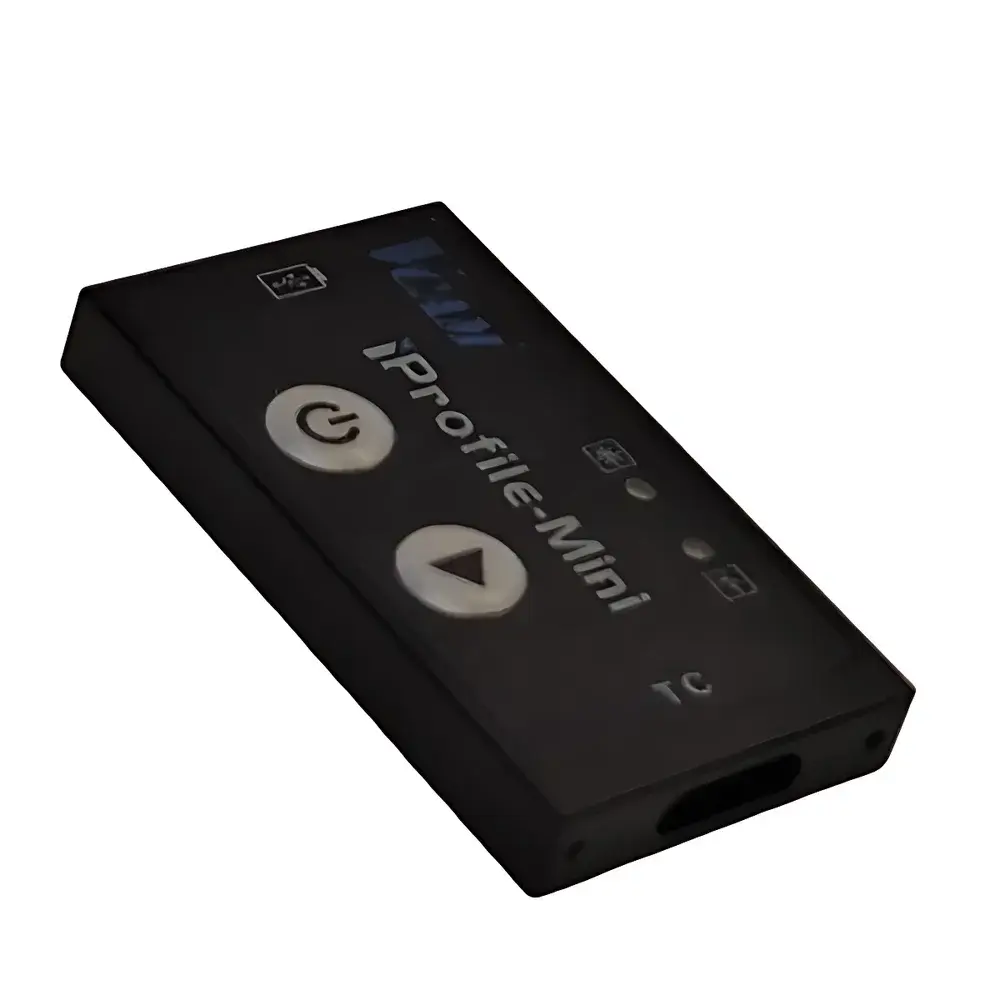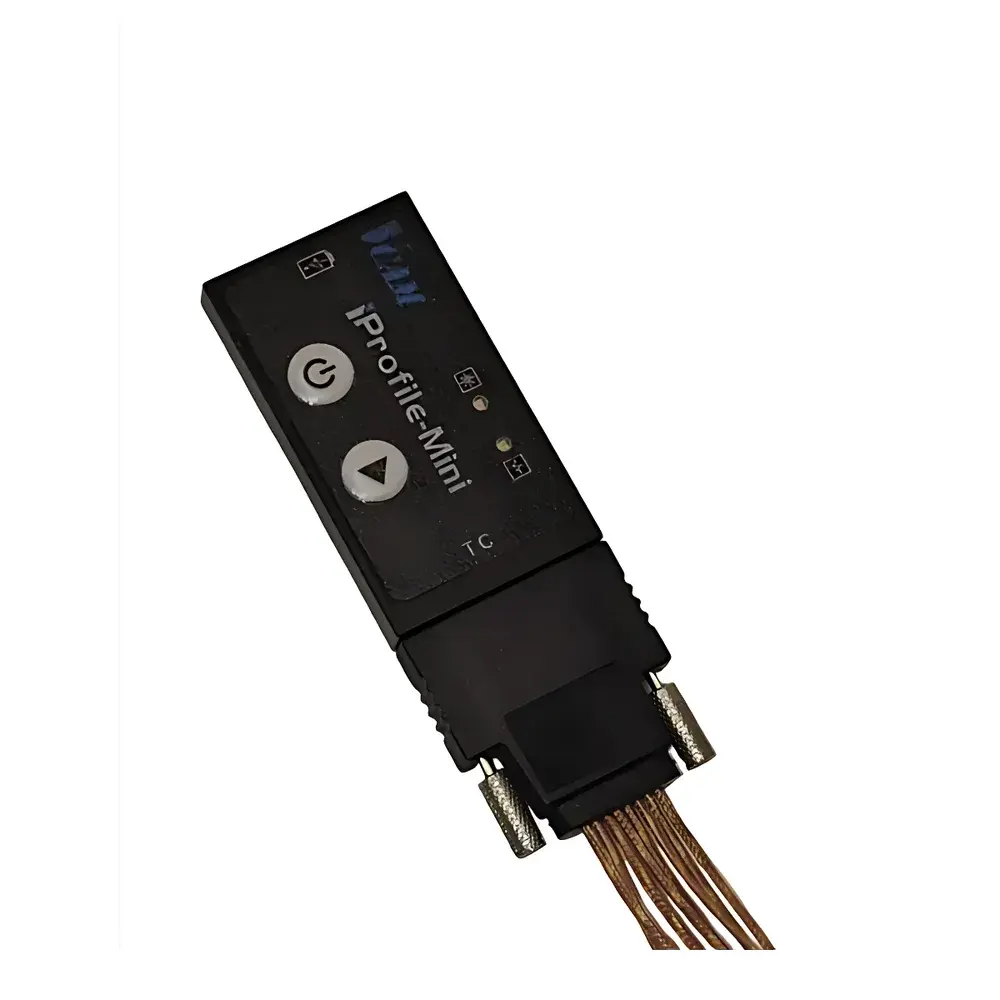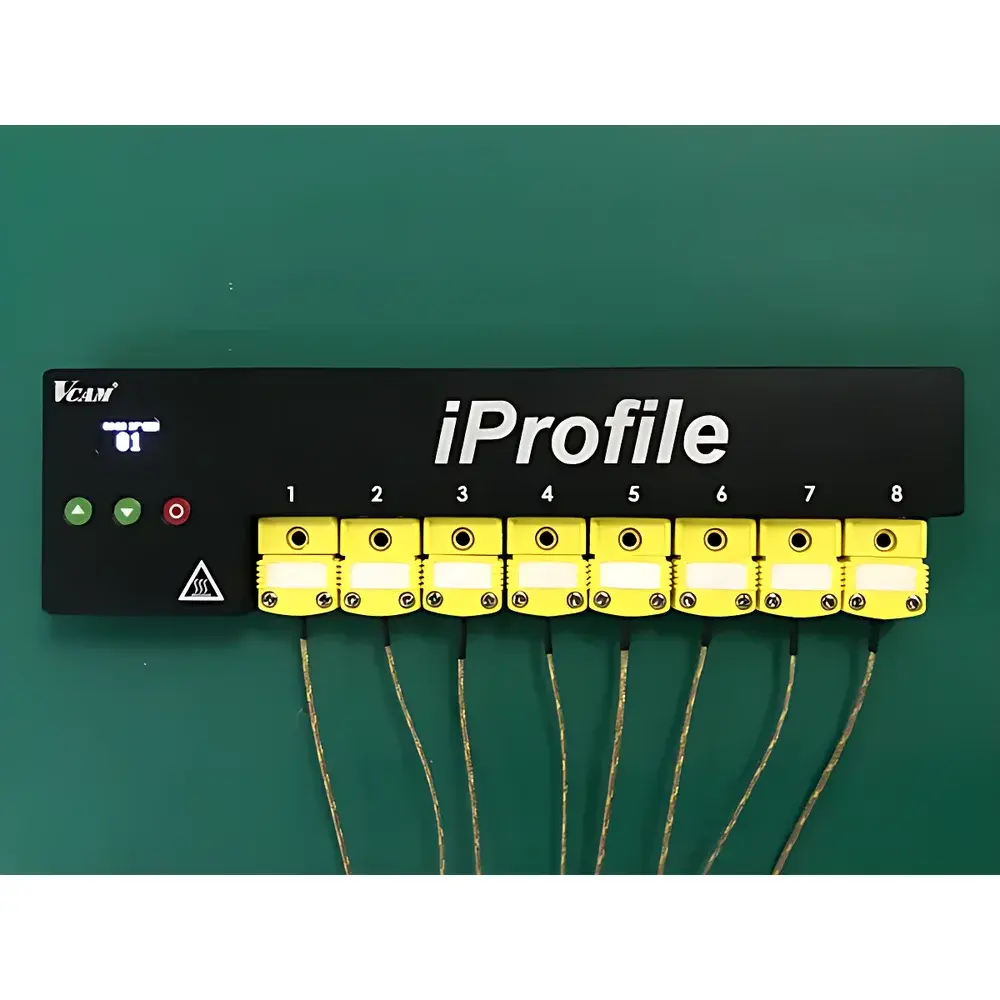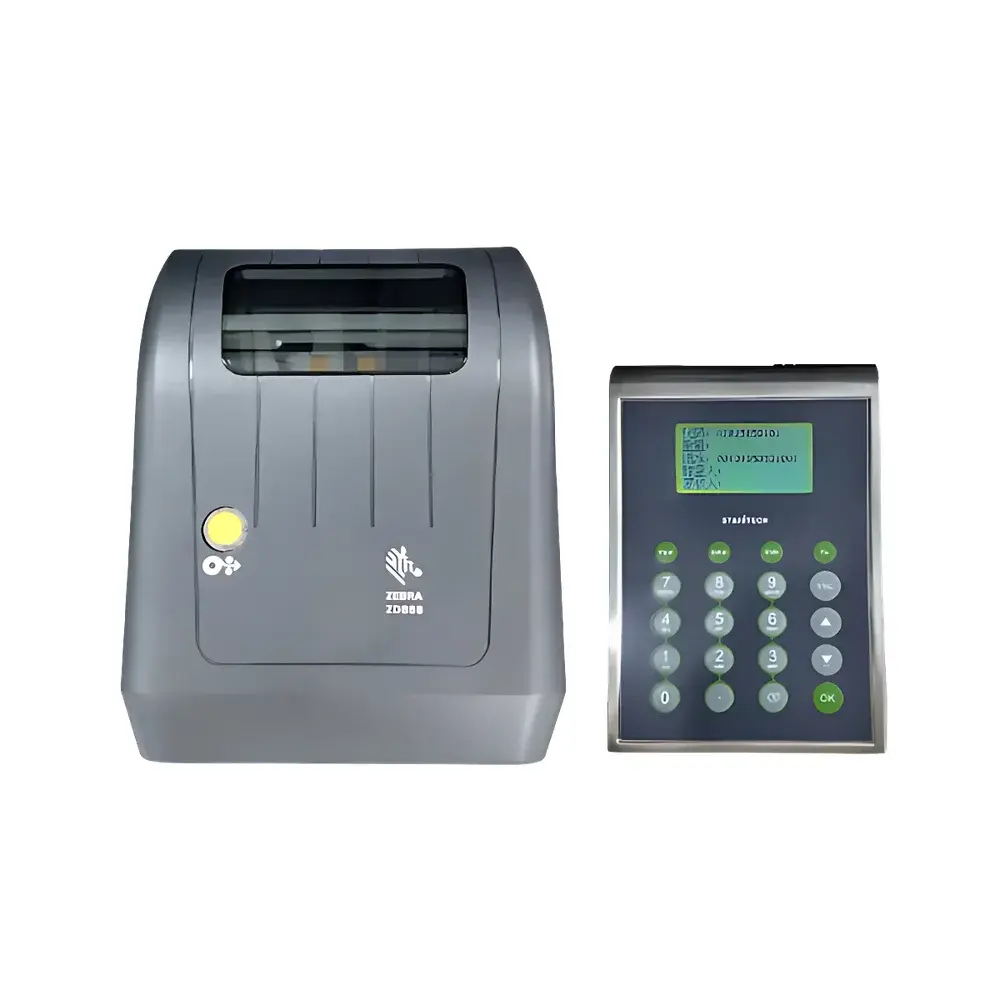
STARiTECH TX-310 Balance-to-Label Printer Interface Adapter
| Brand | STARiTECH |
|---|---|
| Origin | Beijing, China |
| Manufacturer Type | Authorized Distributor |
| Country of Origin | China |
| Model | TX-310 |
| Pricing | Available Upon Request |
Overview
The STARiTECH TX-310 Balance-to-Label Printer Interface Adapter is a dedicated industrial communication bridge engineered to integrate precision weighing instruments—including analytical balances, precision scales, and industrial floor scales—with standard Zebra® thermal label printers. It operates as a protocol-transparent serial interface converter, supporting RS-232, RS-485, and USB virtual COM port configurations to receive real-time weight data streams from balance output interfaces (e.g., METTLER TOLEDO, SARTORIUS, SHIMADZU, OHAUS, and STARiTECH-compatible devices). Unlike generic serial-to-USB adapters, the TX-310 embeds deterministic parsing logic compliant with common balance data protocols (e.g., ASCII-based STX/ETX framing, Modbus RTU, or proprietary vendor formats), enabling reliable extraction of gross/net/tare weight, stability status, unit identifiers, and timestamp metadata. Its primary application domain spans regulated laboratory environments, pharmaceutical manufacturing (cGMP), food processing QA/QC labs, and warehouse inventory control systems where traceable, auditable label generation—linked directly to instrument output—is required per ISO/IEC 17025, FDA 21 CFR Part 11, and GLP documentation standards.
Key Features
- Protocol-adaptive data acquisition engine supporting configurable baud rates (300–115,200 bps), parity, stop bits, and framing modes for seamless compatibility with legacy and modern balance models.
- On-device template management system storing up to four independent label layouts; each template retains its own field mapping rules, font sizing, barcode symbology (Code 128, UPC-A, QR Code), and conditional logic.
- Integrated label content editor with multi-input method support: direct keyboard entry, Pinyin-based Chinese character input, dropdown selection from preloaded material libraries, and database-driven code expansion (e.g., entering “M-047” auto-populates full material name, specification, CAS number, and storage condition).
- Role-based access control with encrypted user login, password complexity enforcement, and audit-trail logging of all configuration changes and print commands—essential for compliance with GxP and internal SOPs.
- Real-time data transformation capability: arithmetic operations (e.g., weight × density = volume), string concatenation, date/time stamping with timezone-aware formatting, and automatic prefix/suffix injection based on balance status flags.
- Media-agnostic thermal printing support for common label substrates including direct thermal paper, silver metallic (silver foil), coated glossy stock, and synthetic polyester films—compatible with Zebra ZT410, ZD420, GX430t, and similar industrial printer families.
Sample Compatibility & Compliance
The TX-310 is validated for use with balances and scales emitting standardized ASCII or Modbus RTU output via physical serial or USB-CDC interfaces. It does not require driver installation on host PCs and functions as a transparent pass-through device when deployed in line between balance and printer. All firmware and configuration utilities comply with IEC 61000-4 electromagnetic compatibility standards and meet RoHS Directive 2011/65/EU requirements. While the adapter itself is not an accredited measuring instrument, its integration workflow supports metrological traceability when used within documented calibration-controlled environments per ISO 9001 and ISO/IEC 17025 clause 6.4.1.
Software & Data Management
Configuration is performed via a Windows-based utility (v3.2+) offering secure TLS-encrypted remote setup over local networks. The software enables template versioning, export/import of .lbl files, batch parameter deployment across multiple TX-310 units, and CSV-based material database synchronization. Print logs—including timestamp, operator ID, template ID, raw balance data packet, and rendered label image thumbnail—are stored locally with optional forwarding to network shares or SQL databases. Audit trails conform to FDA 21 CFR Part 11 requirements for electronic records, including electronic signatures, operation locking, and immutable log archiving.
Applications
- Pharmaceutical secondary packaging: generating compliant labels for API aliquots, reference standards, and stability study samples with embedded 2D DataMatrix codes linked to LIMS sample IDs.
- Food safety laboratories: printing traceable weigh-and-label tags for raw material intake batches, including lot number, supplier ID, received weight, and QC release status.
- Chemical R&D facilities: automating label creation for reaction vessels and reagent vials containing mass-corrected concentrations, molar equivalents, and expiration dates.
- University core facilities: enabling student-accessible balances to generate standardized experiment labels without exposing instrument configuration menus.
- Contract manufacturing organizations (CMOs): enforcing consistent label formatting across multi-site balance fleets using centrally managed template policies.
FAQ
Does the TX-310 require a computer to operate?
No—it functions as a standalone hardware interface; once configured, it operates without continuous PC connection.
Can it support non-Zebra thermal printers?
Yes, provided the target printer accepts standard ESC/POS or ZPL-II command sets and connects via RS-232, RS-485, or USB CDC emulation.
Is Chinese character rendering supported on all label media?
Yes, UTF-8 encoded text—including Simplified Chinese, Latin, Greek, and Cyrillic—is fully supported and rendered at native printer resolution without font substitution artifacts.
How is firmware updated?
Via the configuration utility using signed binary packages; updates preserve existing templates and user databases.
What is the maximum number of material records supported?
Up to 1,000 entries in the onboard database, expandable via external CSV import with validation against duplicate codes.