
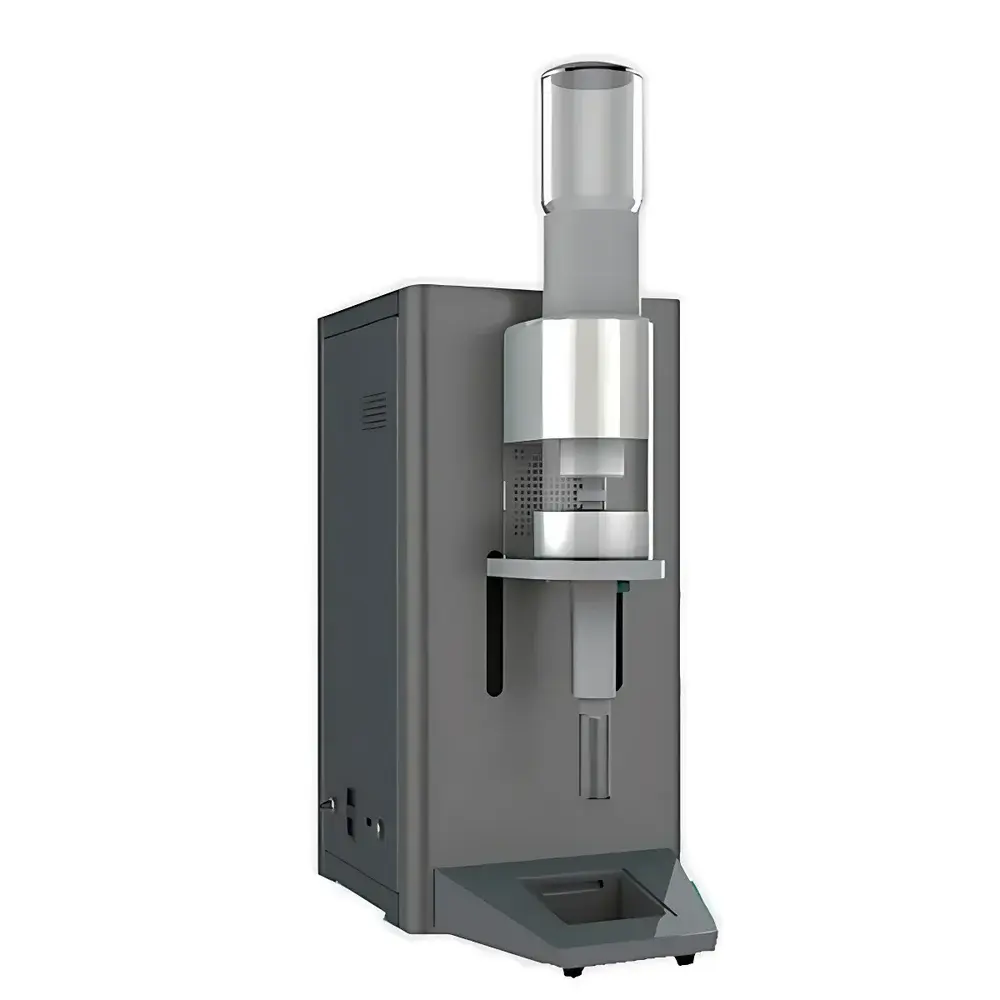
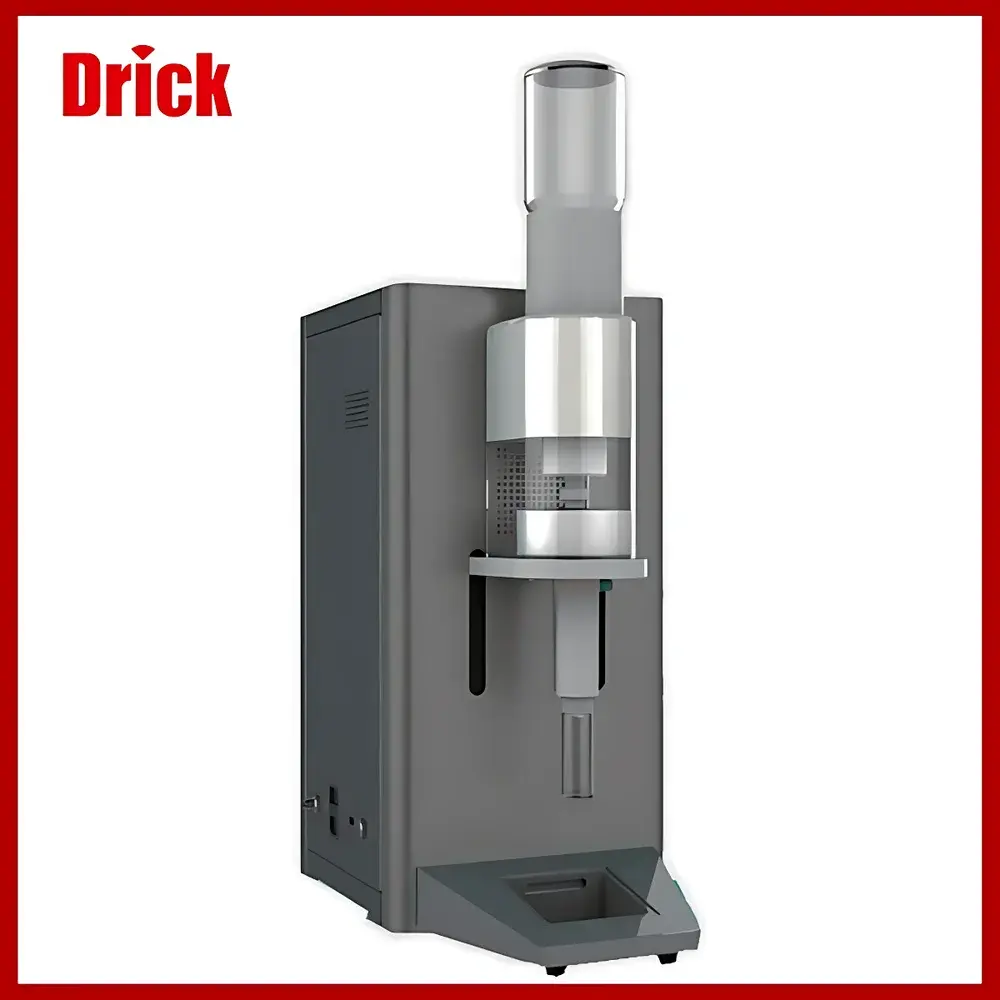
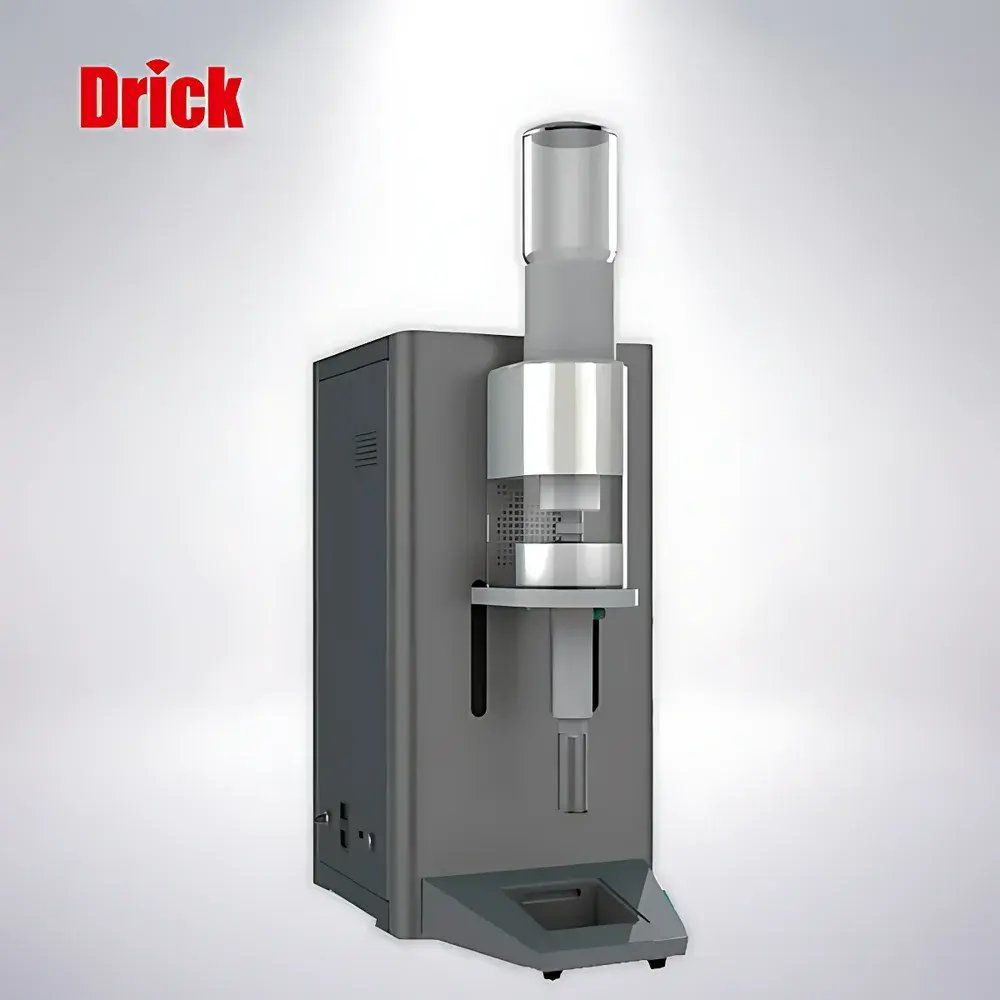
Drick DRK-D Series Automated Solid-Phase Extraction System
| Brand | Drick |
|---|---|
| Origin | Shandong, China |
| Manufacturer Type | OEM Manufacturer |
| Region of Origin | Domestic (China) |
| Model | DRK-D Series |
| Price | USD 7,000 (approx.) |
Overview
The Drick DRK-D Series Automated Solid-Phase Extraction System is an engineered solution for high-throughput, reproducible sample preparation in environmental and regulatory laboratories. It implements vacuum-driven membrane-based solid-phase extraction (SPE) — a methodology grounded in controlled mass transfer across hydrophobic or ion-exchange membranes under negative pressure — to isolate and concentrate trace organic analytes from large-volume aqueous matrices. Unlike conventional positive-pressure SPE systems reliant on peristaltic or syringe pumps, the DRK-D eliminates flow-rate dependency during loading, thereby removing a primary source of inter-run variability and column channeling. The system is purpose-built for compliance-critical workflows involving EPA Methods 508.1, 525.3, 537.1, ISO 17993, and ASTM D7784, where precision in analyte recovery (typically 85–115% for target compounds), low procedural blanks (<0.5 ng/L for PAHs and pesticides), and minimal carryover (<0.1%) are mandatory.
Key Features
- Vacuum-assisted membrane SPE architecture: Enables uniform sample wetting and enhanced elution efficiency without flow regulation — eliminating pump-induced pulsation and bed compression.
- Dual-level liquid sensing: Independent lower and upper optical liquid level sensors provide real-time monitoring during sample loading; the lower sensor prevents column dry-out, while the upper sensor detects overflow or seal failure to maintain vacuum integrity.
- Integrated leak detection and auto-pause: A pressure-decay algorithm continuously monitors vacuum stability; upon detecting abnormal pressure rise indicative of leakage, the system halts operation and triggers audible/visual alerts.
- Eight-channel solvent delivery module: Precision stepper-motor-driven valve manifold with gravimetric calibration support for accurate dispensing of conditioning, washing, and elution solvents (e.g., methanol, dichloromethane, ethyl acetate, hexane).
- Automated vial rinsing protocol: Post-elution, the system executes programmable solvent rinses of collection vials using dedicated rinse ports, minimizing wall adsorption of polar analytes such as sulfonamides and beta-lactams.
- Modular cartridge handling: Supports standard 1 mL, 3 mL, and 6 mL SPE cartridges (C18, HLB, SAX, SCX, Florisil) with automatic cartridge positioning and sealing verification prior to vacuum application.
Sample Compatibility & Compliance
The DRK-D Series accommodates aqueous samples ranging from 10 mL to 2 L, including surface water, groundwater, wastewater effluent, and drinking water. It demonstrates validated performance for polar, semi-polar, and non-polar analytes — particularly antibiotics (e.g., tetracyclines, fluoroquinolones), pesticides (organophosphates, triazines), polycyclic aromatic hydrocarbons (PAHs), polychlorinated biphenyls (PCBs), dioxins/furans (via HRGC-HRMS coupling), brominated flame retardants (PBDEs, HBCDs), and microcystins. All hardware components contacting solvents or samples are chemically resistant (PTFE, PEEK, borosilicate glass), ensuring compatibility with aggressive eluents. The system meets mechanical safety requirements per IEC 61010-1 and supports audit-ready documentation for GLP/GMP environments through timestamped log files and user-accessible event histories.
Software & Data Management
Controlled via a Windows-based GUI with intuitive workflow builder, the DRK-D software enables method creation with up to 12-step sequences (conditioning → loading → drying → elution → rinse). Each step includes configurable parameters: vacuum setpoint (0–80 kPa), dwell time (0.1–999 min), solvent volume (0.1–50 mL), and rinse cycles (1–5). All method files are digitally signed and stored with SHA-256 checksums. Audit trail functionality complies with FDA 21 CFR Part 11 requirements, recording operator ID, timestamp, parameter changes, and system error events. Export options include CSV, PDF, and XML formats compatible with LIMS integration.
Applications
- Regulatory monitoring of priority pollutants under EU Water Framework Directive (WFD) and U.S. Clean Water Act.
- Trace analysis of veterinary drug residues in municipal wastewater for epidemiological surveillance.
- High-sensitivity quantification of emerging contaminants (e.g., PFAS precursors, pharmaceutical metabolites) using LC-MS/MS.
- Multi-residue screening of herbicides and fungicides in drinking water sources per ISO 20647.
- Pre-concentration of SVOCs from ambient air condensates collected on XAD resins.
FAQ
What types of SPE cartridges are compatible with the DRK-D system?
Standard 1 mL, 3 mL, and 6 mL cartridges with polypropylene housings and fritted disks — including reversed-phase (C18, C8), mixed-mode (HLB), and ion-exchange (SAX, SCX) chemistries.
Does the system support method validation per ISO/IEC 17025?
Yes — full traceability of vacuum profiles, solvent volumes, and timing parameters enables generation of validation reports covering precision, recovery, LOD/LOQ, and matrix effects.
Can the DRK-D be integrated into an automated laboratory workflow?
It features RS-232 and Ethernet interfaces for remote command execution and status polling, supporting integration with robotic sample handlers and chromatographic data systems.
Is cleaning validation supported for multi-analyte batches?
The vial rinse function and programmable blank runs between samples meet USP analytical instrument qualification criteria for carryover assessment.



