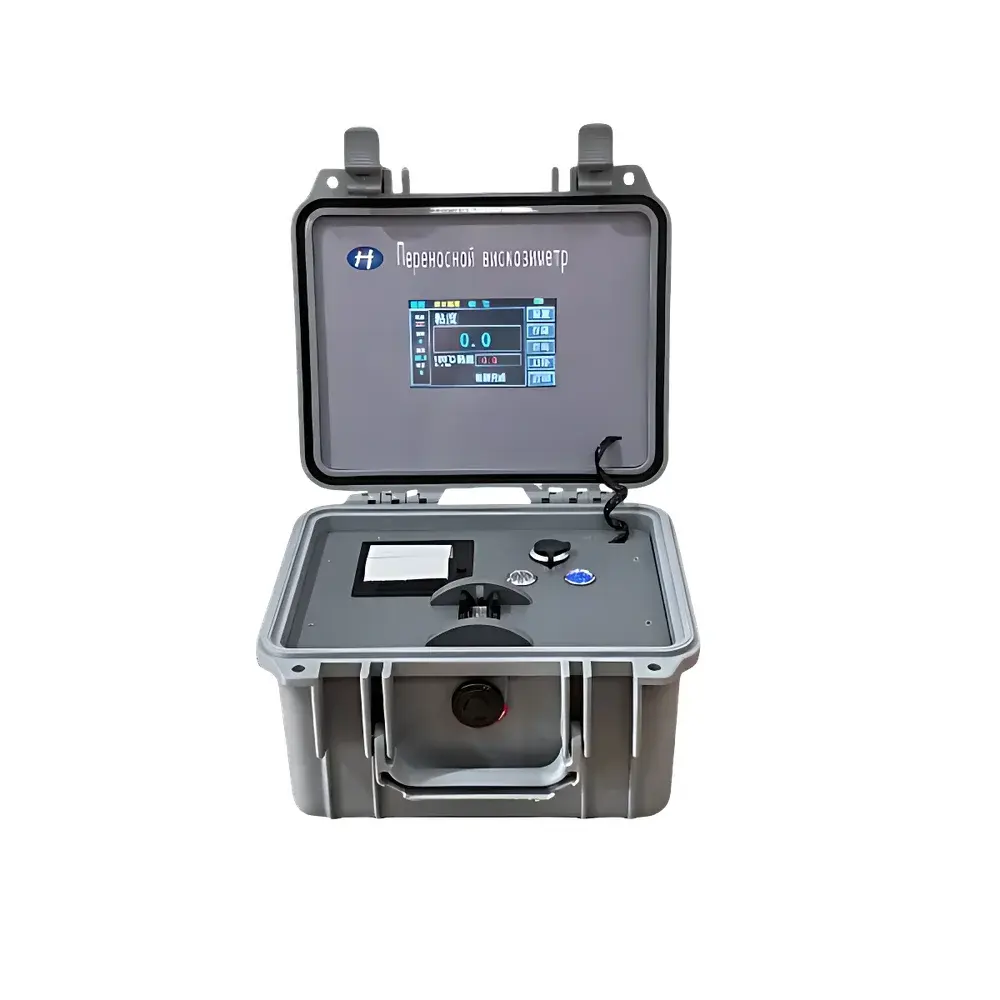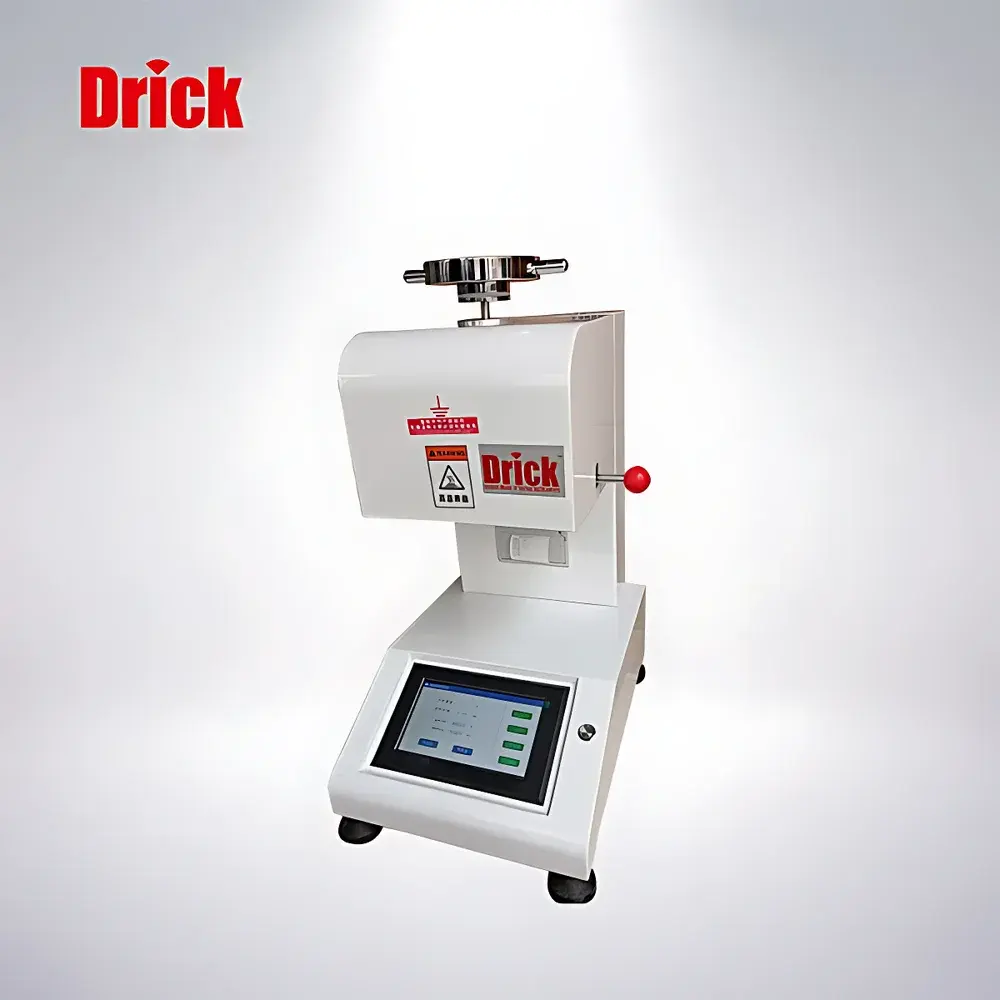
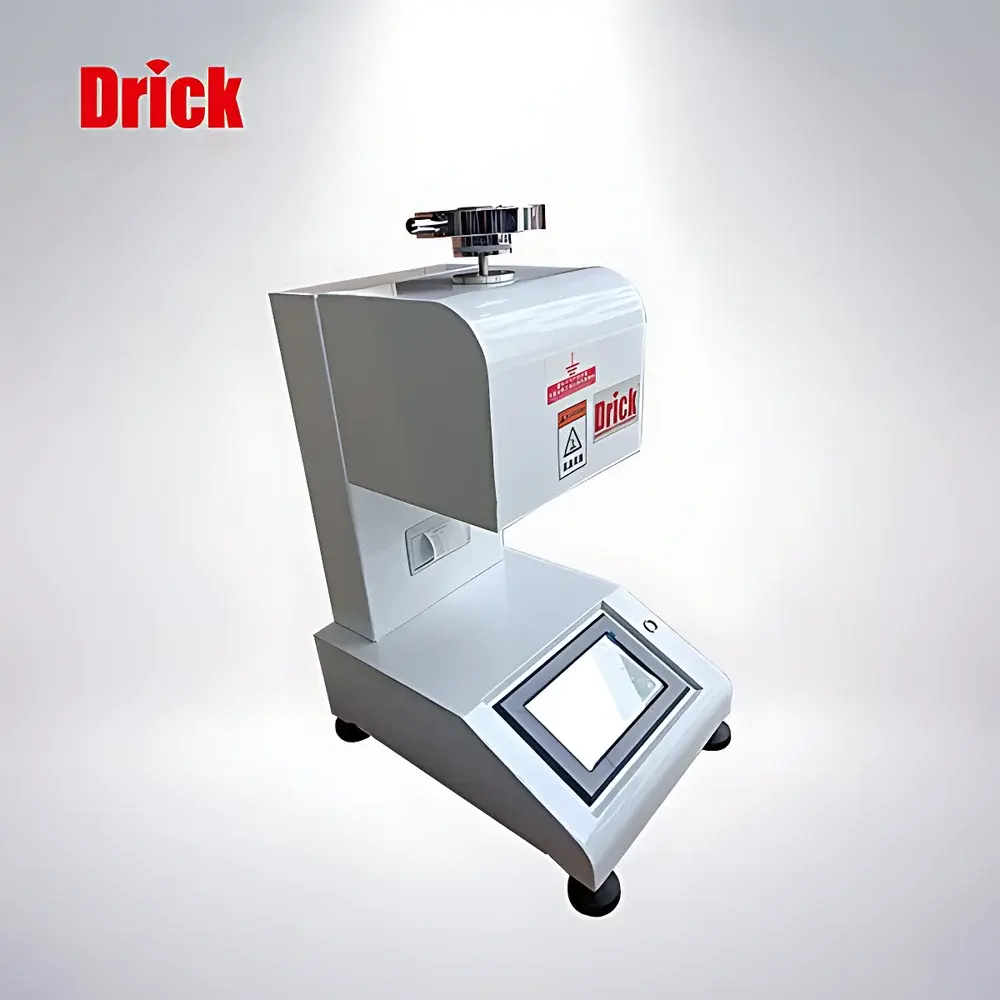
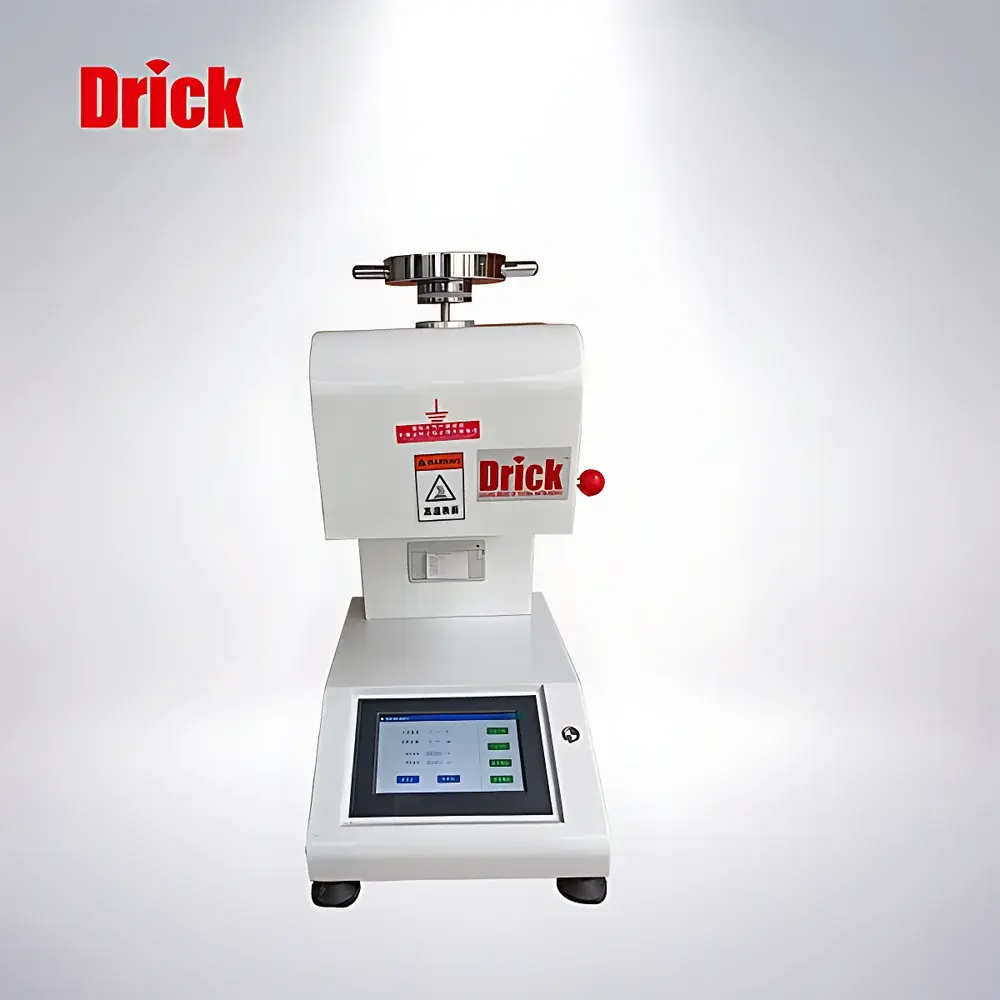
Drick XNR-400C Melt Flow Indexer for Thermoplastic Polymers
| Brand | Drick |
|---|---|
| Origin | Shandong, China |
| Manufacturer Type | Direct Manufacturer |
| Country of Origin | China |
| Model | XNR-400C |
| Temperature Range | 50–300 °C |
| Temperature Accuracy | ±0.5 °C |
Overview
The Drick XNR-400C Melt Flow Indexer is a precision-controlled, gravimetric instrument engineered for the standardized determination of Melt Flow Rate (MFR) — also known as Melt Index (MI) — of thermoplastic polymers under defined thermal and mechanical conditions. It operates in strict accordance with ISO 1133-1:2019 and ASTM D1238 (Condition E), as well as the Chinese national standard GB/T 3682.1–2018. The device implements the classical extrusion plastometer principle: a pre-dried polymer sample is loaded into a heated barrel; upon reaching thermal equilibrium at a user-specified temperature (50–300 °C), a calibrated piston applies a precisely defined dead-weight load (e.g., 2.16 kg, 5.00 kg, or 10.00 kg per standard requirements); molten polymer is then extruded through a standardized die (2.095 mm diameter, 8.000 mm length). The mass of extrudate collected over a fixed time interval (typically 10 min or subdivided intervals such as 30 s) is measured to calculate MFR in g/10 min. This value serves as a critical processability indicator — correlating directly with melt viscosity, molecular weight distribution, and shear sensitivity — and is routinely used for incoming raw material verification, batch-to-batch consistency control, and QC release testing in polyolefin, engineering thermoplastic, and fluoropolymer production.
Key Features
- High-stability temperature control system based on microprocessor-regulated power modulation, achieving ±0.5 °C uniformity across the 50–300 °C operating range — compliant with ISO 1133 Annex B requirements for axial temperature gradient (<±1 °C over 50 mm)
- Robust vertical column architecture with integrated base-mounted heating furnace and precision-machined brass barrel assembly, minimizing thermal drift and mechanical misalignment
- Standardized die geometry (2.095 mm ±0.005 mm ID, 8.000 mm ±0.025 mm L) fabricated from hardened stainless steel and certified per ISO 1133 Annex A
- Calibrated dead-weight loading system with traceable NIST-traceable砝码 sets (e.g., 0.325 kg, 1.200 kg, 2.160 kg, 5.000 kg, 10.000 kg) meeting ASTM D1238 Class I tolerance limits
- Optimized heater winding pattern ensures minimal radial and axial temperature gradients, critical for reproducible flow behavior across diverse polymer families including PP, PE, PC, PA6/66, POM, ABS, and PTFE
- Compliant with electrical safety standards IEC 61010-1 and EMC directive 2014/30/EU; designed for continuous operation in controlled laboratory or QC floor environments
Sample Compatibility & Compliance
The XNR-400C supports routine MFR testing of all major commodity and engineering thermoplastics, including but not limited to polyethylene (HDPE, LDPE, LLDPE), polypropylene (homopolymer, copolymer), polycarbonate, acrylonitrile-butadiene-styrene (ABS), polyamide (PA6, PA66), polyoxymethylene (POM), and fluoropolymers (e.g., modified PTFE grades). Sample preparation follows ISO 1133-1 Clause 6: granules or pellets must be dried per material-specific protocols (e.g., 2–4 h at 80 °C for PP; 4 h at 120 °C for PA6) prior to loading. The instrument meets essential metrological requirements for GLP-compliant laboratories and satisfies prerequisite instrumentation criteria for ISO/IEC 17025 accreditation. While the unit itself does not include automated data logging, its operational parameters and output methodology are fully compatible with audit-ready documentation workflows required under FDA 21 CFR Part 11 when paired with validated external recording systems.
Software & Data Management
The XNR-400C is a manually operated, analog-optimized instrument with no embedded software or digital interface. All measurements — cut-time intervals, individual specimen masses, ambient temperature/humidity records, and operator identifiers — must be recorded externally in paper-based or electronic lab notebooks (ELN) adhering to ALCOA+ principles (Attributable, Legible, Contemporaneous, Original, Accurate, Complete, Consistent, Enduring, Available). For laboratories implementing digital quality management systems (QMS), the instrument’s deterministic physical output (mass/time) integrates seamlessly into validated spreadsheets or LIMS platforms via manual entry or barcode-scanned input. Calibration certificates for weights, analytical balances (required for ±0.001 g resolution), and temperature verification probes (e.g., Pt100 reference sensors) must be maintained per ISO/IEC 17025 Clause 6.4 and retained for minimum retention periods defined in internal SOPs.
Applications
- Quality assurance of incoming polymer resins in compounding, injection molding, and extrusion facilities
- Batch release testing per internal specifications or customer technical data sheets (TDS)
- Correlation studies between MFR and rheological properties (e.g., zero-shear viscosity η₀ estimated via ASTM D3835)
- Stability monitoring of polymer degradation during multiple extrusion passes or thermal aging trials
- Research-grade screening of new catalyst systems or stabilizer packages affecting melt rheology
- Training platform for ASTM/ISO method validation and operator competency assessment in accredited labs
FAQ
What standards does the XNR-400C comply with?
It is designed and verified for full conformance with ISO 1133-1:2019, ASTM D1238 (Condition E), and GB/T 3682.1–2018.
Is temperature calibration traceable to national standards?
Yes — users must perform periodic verification using NIST-traceable or equivalent accredited reference thermometers (e.g., calibrated Pt100 probes) per ISO 1133 Annex B.
Can the instrument measure MVR (Melt Volume Rate)?
No — the XNR-400C is a gravimetric-only MFR instrument. MVR determination requires volumetric measurement capability (e.g., piston displacement transducers), which is not included.
What maintenance is required for long-term accuracy?
Routine cleaning of the barrel and die with copper wire brushes and solvent (e.g., xylene for hydrocarbons); annual verification of weight set calibration; biannual inspection of heater resistance and thermal insulation integrity.
Does it support multi-load testing without hardware change?
Yes — the base frame accommodates interchangeable weight carriers; users manually install appropriate masses per test condition specified in ISO 1133 Table 1 or material-specific standards.