
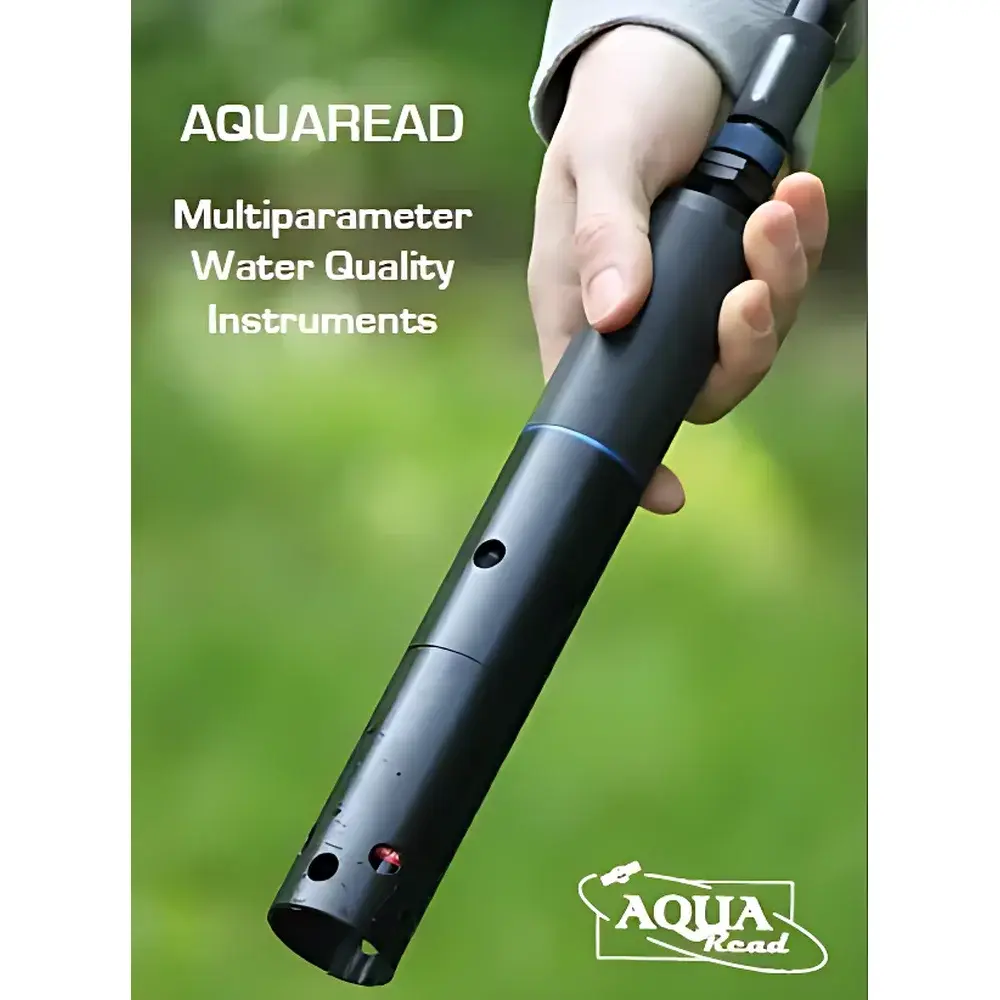
AquaProbes AP-2000 Portable Multiparameter Water Quality Analyzer
| Origin | United Kingdom |
|---|---|
| Manufacturer Type | Authorized Distributor |
| Origin Category | Imported |
| Model | AP-2000 |
| Instrument Type | Portable / Handheld Water Quality Analyzer |
| Price Range | USD 6,800 – 13,600 (FOB) |
Overview
The AquaProbes AP-2000 is a field-deployable, GPS-integrated multiparameter water quality analyzer engineered for high-reliability in situ environmental monitoring. It employs electrochemical, optical, and physical sensing principles—including potentiometric pH/ORP measurement, Clark-type polarographic dissolved oxygen detection, four-electrode conductivity cell architecture, and dual-wavelength fluorescence-based optical sensing—to deliver simultaneous, real-time quantification of up to 18 physicochemical and biological parameters. Designed for compliance with international field-sampling protocols, the AP-2000 supports standardized data acquisition across freshwater, estuarine, marine, wastewater, and groundwater systems. Its modular sensor architecture enables rapid configuration for site-specific monitoring objectives without hardware recalibration—making it suitable for regulatory compliance surveys (e.g., EPA Method 160.1, ISO 5815-1), ecological assessment programs, and long-term watershed studies.
Key Features
- Integrated GPS module with 12-channel receiver and ±10 m positional accuracy, enabling georeferenced data logging compliant with ISO 14001 and EU WFD reporting requirements
- IP67-rated ruggedized housing rated for continuous submersion at 1 m depth for 30 minutes; operational range from −20 °C to +70 °C
- Auto-compensated temperature control across all electrochemical sensors (±0.1 °C resolution, ±0.5 °C accuracy) with NIST-traceable calibration verification
- Dual-range automatic scaling for conductivity (0–200 mS/cm), TDS (0–100,000 mg/L), resistivity (5 Ω·cm–1 MΩ·cm), and salinity (0–70 PSU), eliminating manual range switching errors
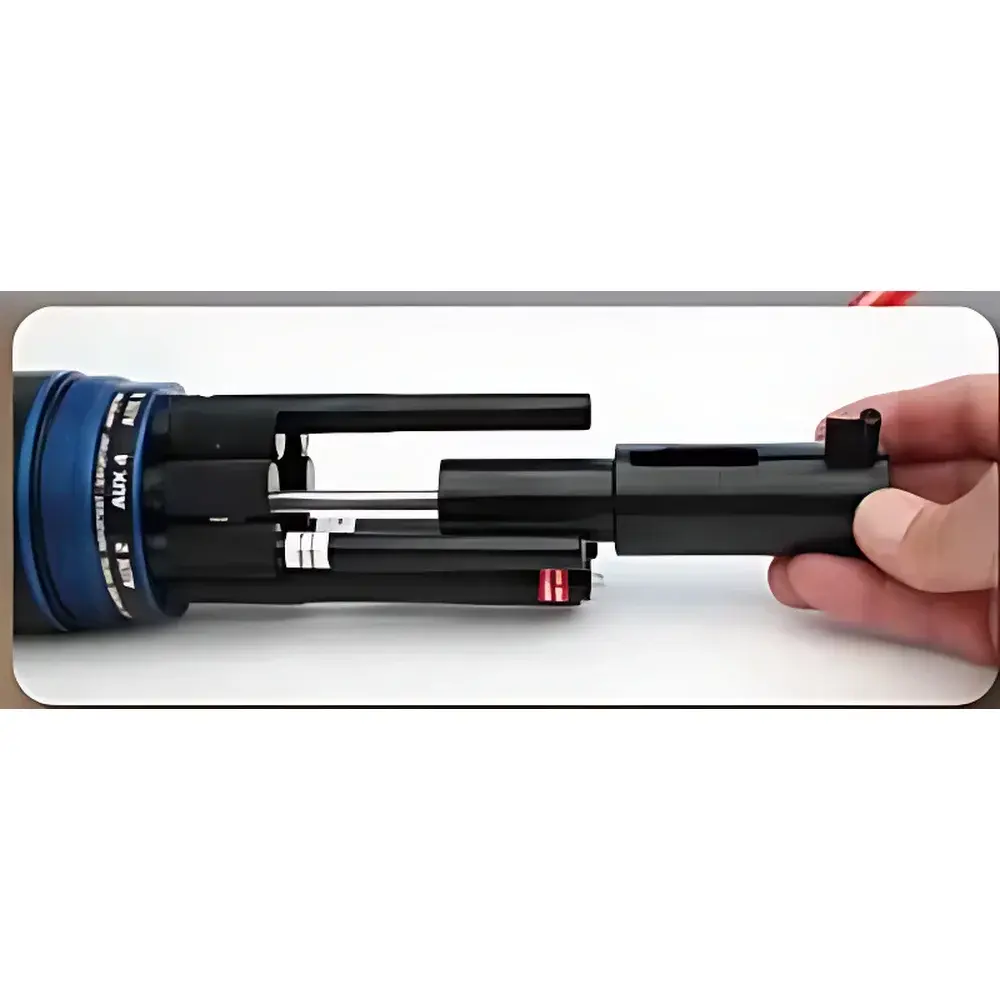
- Expandable sensor interface supporting up to two optional ISE probes (NH₄⁺, NO₃⁻, Cl⁻, F⁻, Ca²⁺) and one multi-optical probe (Chl-a, phycocyanin, turbidity, hydrocarbon fluorescence)
- Internal non-volatile memory storing 1,900 timestamped, location-tagged measurement records with configurable sampling intervals (1 sec–24 hr)
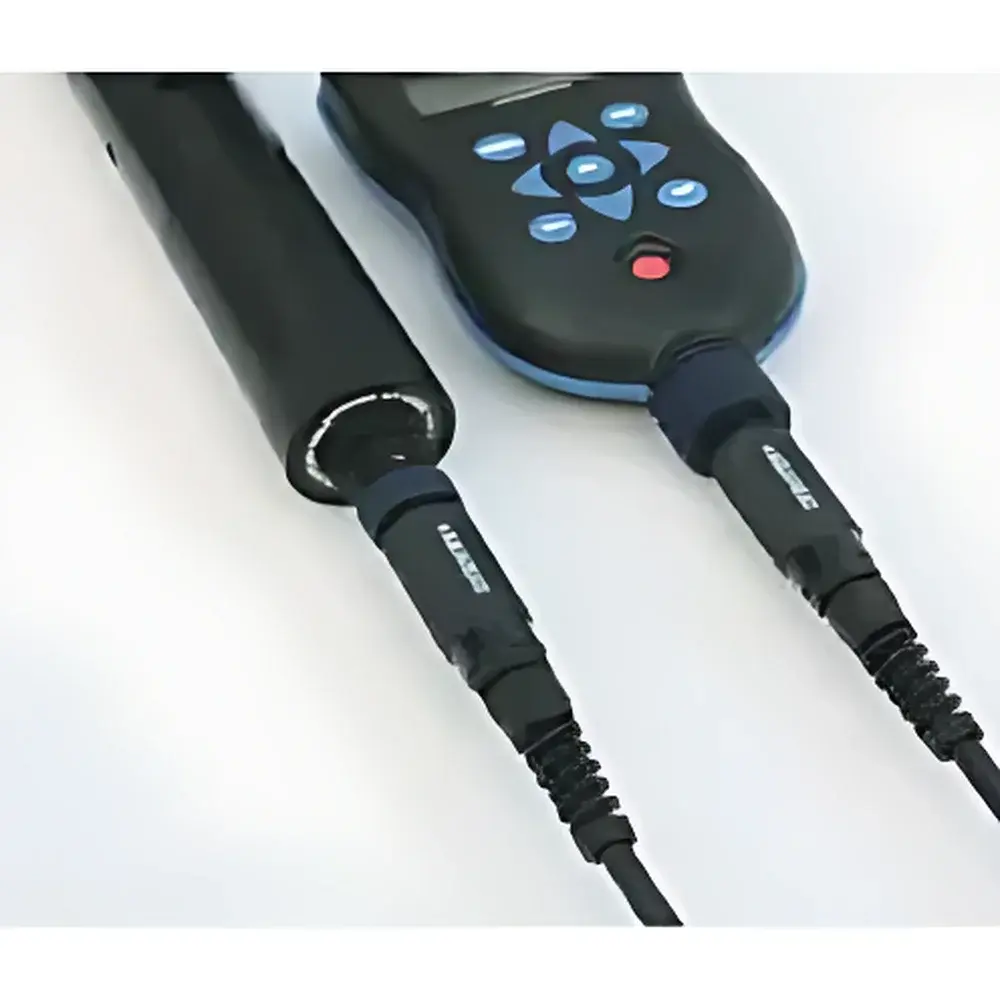
- RS-485/RS-232 serial interface for direct connection to telemetry gateways, SCADA systems, or laboratory data management platforms
Sample Compatibility & Compliance
The AP-2000 is validated for use in natural waters (rivers, lakes, coastal zones), treated effluents, aquaculture systems, and industrial process streams. Sensor performance meets ASTM D1293 (pH), ASTM D888 (DO), ASTM D1125 (conductivity), and ISO 7888 (TDS) specifications. Optical modules comply with ISO 7027 (turbidity) and EPA Method 445.0 (chlorophyll-a). All firmware and data handling routines support audit-ready operation under GLP and GMP frameworks, including full metadata capture (operator ID, calibration history, environmental conditions) and optional 21 CFR Part 11-compliant electronic signature integration via AquaLink software.
Software & Data Management
Data export is supported via ASCII CSV, Excel-compatible .XLSX, and standardized WaterML 2.0 formats. AquaLink Desktop Suite (v4.2+) provides calibration curve management, multi-sensor cross-validation diagnostics, spatial interpolation mapping (Kriging, Inverse Distance Weighting), and automated report generation aligned with USGS NWIS, EEA WISE, and national EPA templates. Field data synchronization includes encrypted cloud backup (AWS S3-hosted), role-based access control, and versioned dataset archiving with SHA-256 integrity hashing. Raw sensor voltage logs and temperature-compensation coefficients are retained for traceable reprocessing.
Applications
- Regulatory surface water monitoring under EU Water Framework Directive Article 8 and US Clean Water Act Section 305(b)
- Trophic status assessment using Chl-a, turbidity, and nutrient ion profiles (NO₃⁻, NH₄⁺) in eutrophication studies
- Marine ecosystem health evaluation via σt (sigma-t), salinity, DO saturation, and phycocyanin fluorescence for cyanobacterial bloom detection
- Wastewater treatment plant influent/effluent QA/QC with simultaneous ORP, DO, and conductivity trending
- Oil spill response screening using rhodamine WT and hydrocarbon fluorescence detection at sub-ppb sensitivity
- Groundwater vulnerability assessment through redox potential (Eh) mapping and chloride/bromide ion ratio analysis
FAQ
Does the AP-2000 support automatic temperature compensation for all parameters?
Yes—each sensor channel applies real-time, algorithmic temperature compensation derived from the integrated thermistor (−5 °C to +50 °C, ±0.5 °C accuracy), with coefficients stored per probe during factory calibration.
Can raw sensor voltages be exported for third-party modeling?
Yes—AquaLink Desktop enables export of unprocessed analog outputs (mV, µA, frequency counts) alongside calibrated values, supporting custom algorithm development and model validation.
Is the GPS module compatible with differential correction services (e.g., WAAS, EGNOS)?
The embedded u-blox M8N chipset supports SBAS augmentation, delivering sub-5 m horizontal accuracy when enabled in open-sky conditions.
How often does the optical sensor require cleaning or recalibration?
Fluorescence probes include anti-fouling gel coating and self-diagnostic LED intensity monitoring; field recalibration is recommended every 90 days or after exposure to >50 NTU suspended solids.
What battery life can be expected during continuous logging?
With alkaline AA batteries, continuous operation lasts ≥120 hours at 1-min sampling interval; lithium AA cells extend this to ≥240 hours under identical conditions.







