
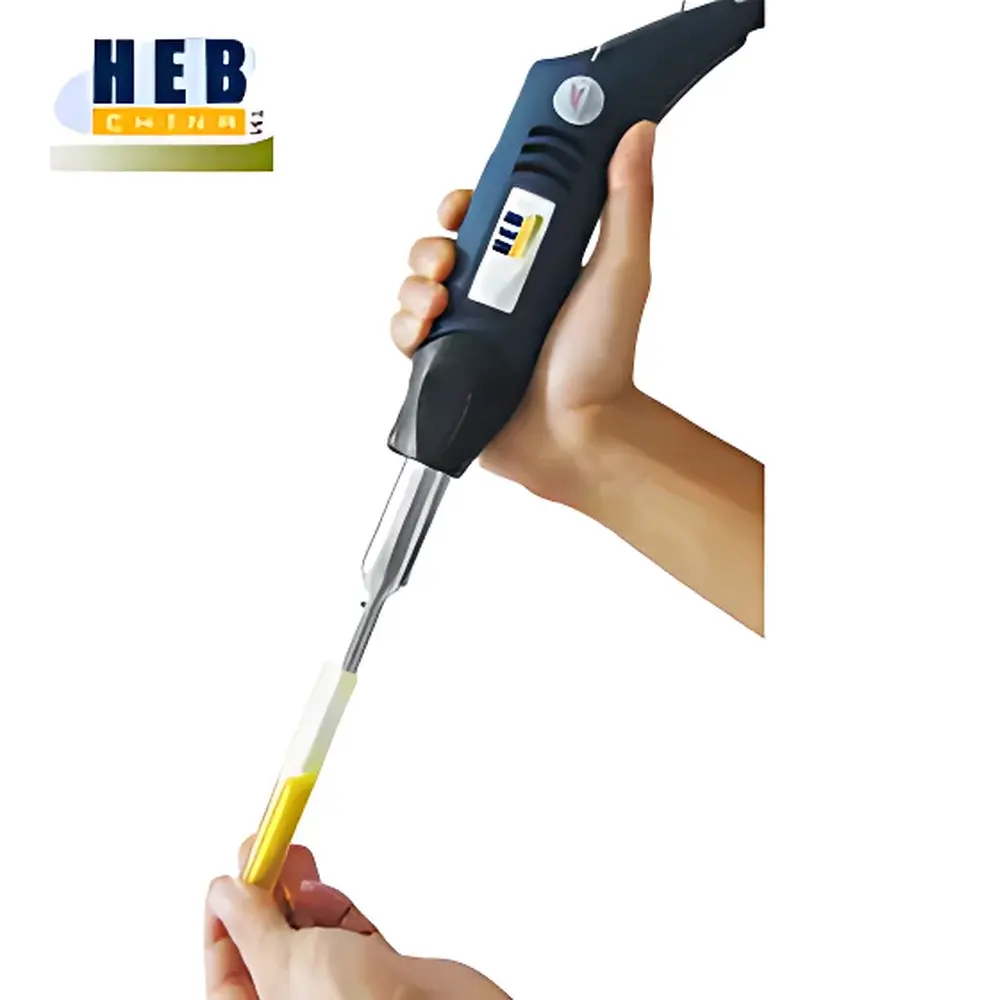
JIHEPU A8 Ultra-Fine High-Speed Homogenizer
| Brand | JIHEPU |
|---|---|
| Model | A8 |
| Type | Benchtop High-Shear Rotor-Stator Homogenizer |
| Sample Volume Range | 0.1–150 mL |
| Maximum Viscosity | 200 cP |
| Power Input | 160 W |
| Speed Range | 5,000–38,000 rpm |
| Drive Motor | Brushless DC |
| Power Supply | 220 V / 50 Hz |
| Contact Material | ASTM F899 Grade SUS316L Stainless Steel |
| Shaft Sleeve Material | PTFE |
| Operating Ambient | 5–40 °C, ≤80% RH |
| Dimensions (H×W×D) | 420 × 100 × 50 mm |
| Net Weight | 0.85 kg |
| Regulatory Compliance | Designed in accordance with GMP principles for pharmaceutical and biotech lab environments |
| Standard Probe | 10BC (5–150 mL capacity) |
| Optional Probes | 6BC (0.2–20 mL), among others |
| Speed Control | Analog electronic stepless regulation with calibrated dial scale |
| Safety | Double-insulated housing per IEC 61010-1 Class II requirements |
Overview
The JIHEPU A8 Ultra-Fine High-Speed Homogenizer is a benchtop rotor-stator homogenizer engineered for high-shear mechanical disruption and fine dispersion of biological, chemical, and colloidal samples. It operates on the principle of intense fluid shear generated by the relative motion between a rapidly rotating rotor and a fixed stator—creating controlled cavitation, turbulent flow, and hydrodynamic stress sufficient to disrupt cells, emulsify immiscible phases, deagglomerate nanoparticles, and reduce particle size distribution in suspensions. Unlike ultrasonic or bead-based systems, the A8 delivers consistent, scalable, and reproducible results without introducing exogenous contamination or thermal load spikes typical of sonication. Its compact architecture and low-inertia drive system support stable operation across extended batch cycles—making it suitable for routine QC labs, formulation development, and preclinical sample preparation where process fidelity and operator safety are critical.
Key Features
- Brushless DC motor delivering stable torque output across the full 5,000–38,000 rpm speed range, minimizing maintenance and ensuring long-term rotational consistency
- Modular probe system with interchangeable stainless steel (SUS316L) rotor-stator assemblies—standard 10BC probe optimized for 5–150 mL volumes; optional 6BC probe enables precise handling down to 0.1 mL samples
- Double-insulated housing compliant with IEC 61010-1 Class II electrical safety standards, eliminating need for grounding in standard lab environments
- Analog electronic speed control with calibrated dial scale—enabling repeatable setting recall without digital interface dependency or firmware updates
- GMP-aligned construction: wetted parts conform to ASTM F899 specifications for surgical-grade stainless steel; PTFE shaft sleeves resist chemical degradation and ensure smooth probe rotation under viscous loads up to 200 cP
- Lightweight chassis (0.85 kg) with integrated mounting interface for optional vertical stand—supporting both handheld and hands-free operation without compromising ergonomic stability
Sample Compatibility & Compliance
The A8 homogenizer accommodates a broad spectrum of sample matrices—including mammalian tissue lysates, bacterial cell suspensions, oil-in-water emulsions, pesticide formulations, cosmetic microemulsions, coal-water slurries, asphalt dispersions, pigment pastes, and dairy-based functional beverages. Its rotor-stator geometry is validated for efficient lysis of Gram-negative and Gram-positive bacteria, yeast, and soft plant tissues under non-denaturing conditions. All contact surfaces meet ISO 8573-1 purity class 4 for particulate content and are compatible with aqueous, mildly acidic (pH ≥3), and low-concentration organic solvent systems (e.g., <10% ethanol, <5% acetone). While not certified to ISO/IEC 17025, the instrument’s mechanical repeatability supports method validation per USP , ASTM D4084, and ISO 13320-compliant particle size reduction protocols. Documentation packages include material traceability certificates for SUS316L components and RoHS/REACH declarations.
Software & Data Management
The A8 operates as a standalone analog instrument without embedded firmware, network connectivity, or data logging capability—intentionally designed to eliminate cybersecurity exposure, software obsolescence, and audit trail complexity in regulated environments. Speed settings are recorded manually via calibrated dial positions (0–10 scale), enabling direct correlation to validated SOPs. For laboratories requiring electronic recordkeeping, third-party USB-connected tachometers or optical RPM sensors may be integrated externally to capture speed profiles during qualification (IQ/OQ/PQ). No proprietary drivers or cloud services are required. The absence of digital controls aligns with FDA 21 CFR Part 11 risk-mitigation strategies for instruments used in GLP/GMP workflows where deterministic behavior and operational transparency are prioritized over automation.
Applications
- Cell lysis and organelle isolation in molecular biology workflows
- Preparation of uniform vaccine adjuvant emulsions (e.g., MF59-type squalene-in-water systems)
- Stabilization of fat globules in dairy and infant formula R&D
- Dispersion of nanoscale pigments and UV filters in sunscreen formulations
- Deagglomeration of ceramic precursors and battery electrode slurries
- Homogenization of botanical extracts and functional food suspensions
- Routine QC testing of viscosity-sensitive suspensions in agrochemical product release
FAQ
What is the minimum sample volume the A8 can process effectively?
The A8 achieves reliable homogenization at volumes as low as 0.1 mL when equipped with the optional 6BC probe—validated using dye diffusion assays and dynamic light scattering (DLS) of polystyrene nanoparticle suspensions.
Can the A8 handle abrasive or highly viscous samples?
It supports viscosities up to 200 cP (measured at 25 °C with Brookfield LVDV-II+); however, abrasive solids (e.g., >5% silica sand) require pre-screening to prevent premature stator wear.
Is the A8 suitable for sterile applications?
Yes—the SUS316L probes and PTFE sleeves withstand autoclaving at 121 °C for 20 minutes (gravity cycle); sterilization must follow ASME BPE 2023 cleaning validation guidelines.
Does the instrument include validation documentation?
Factory calibration reports for speed accuracy (±3% full-scale) and electrical safety test records are provided with each unit; IQ/OQ templates are available upon request.
How often does maintenance require intervention?
Under normal use (≤4 hrs/day), bearing inspection and lubrication are recommended every 12 months; rotor-stator alignment checks should accompany probe replacement cycles.



