
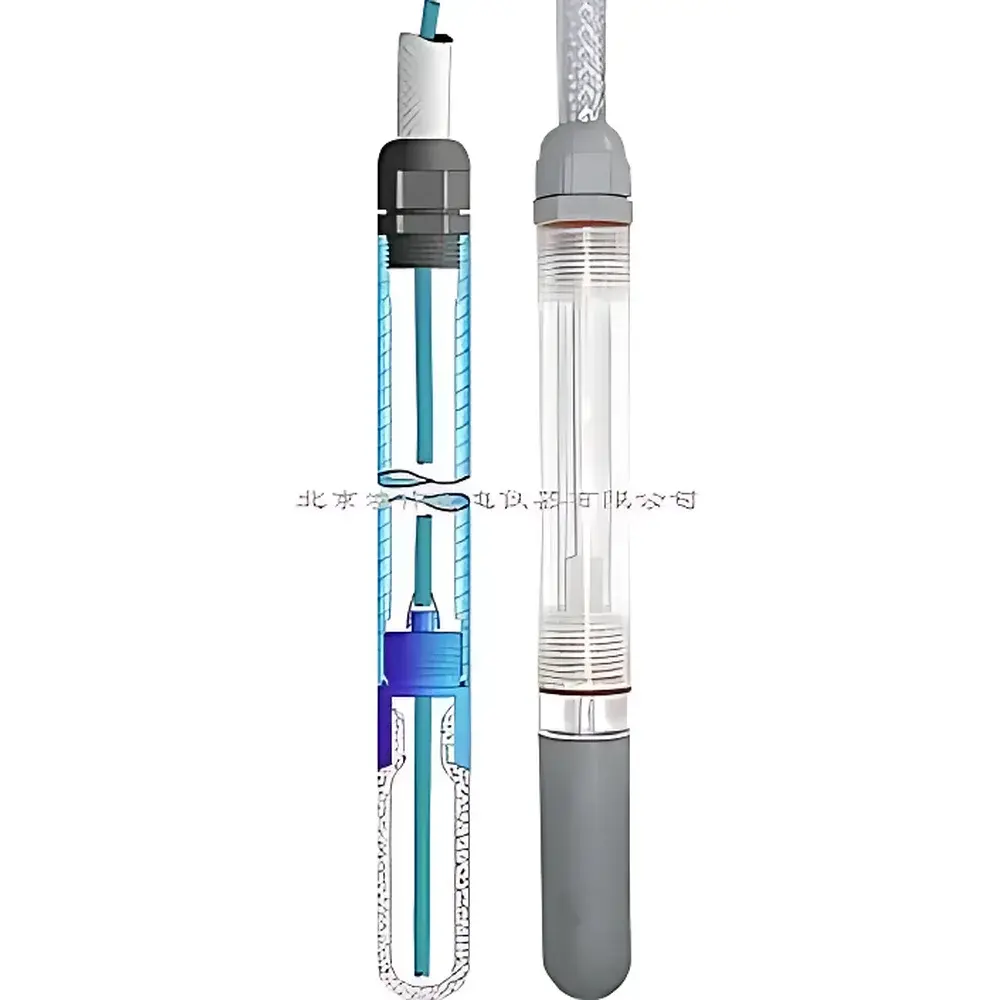
Austro Soil Pore Water Sampler – UMS Series (SK20, SIC20, SK25s, SPE20, SIC40) with Integrated Vacuum Systems
| Origin | Germany |
|---|---|
| Type | Imported Instrument |
| Manufacturer Role | Authorized Distributor |
| Model | UMS SK20 / SIC20 / SK25s / SPE20 / SIC40 |
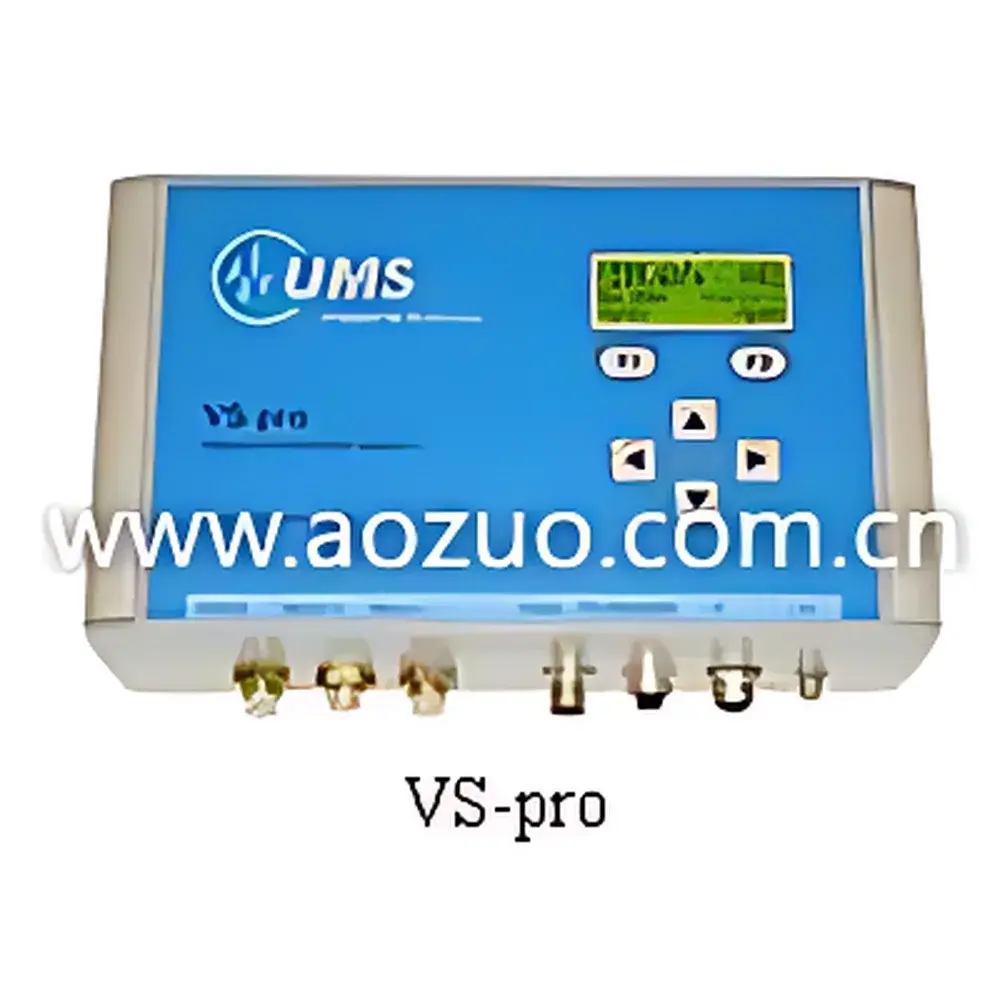
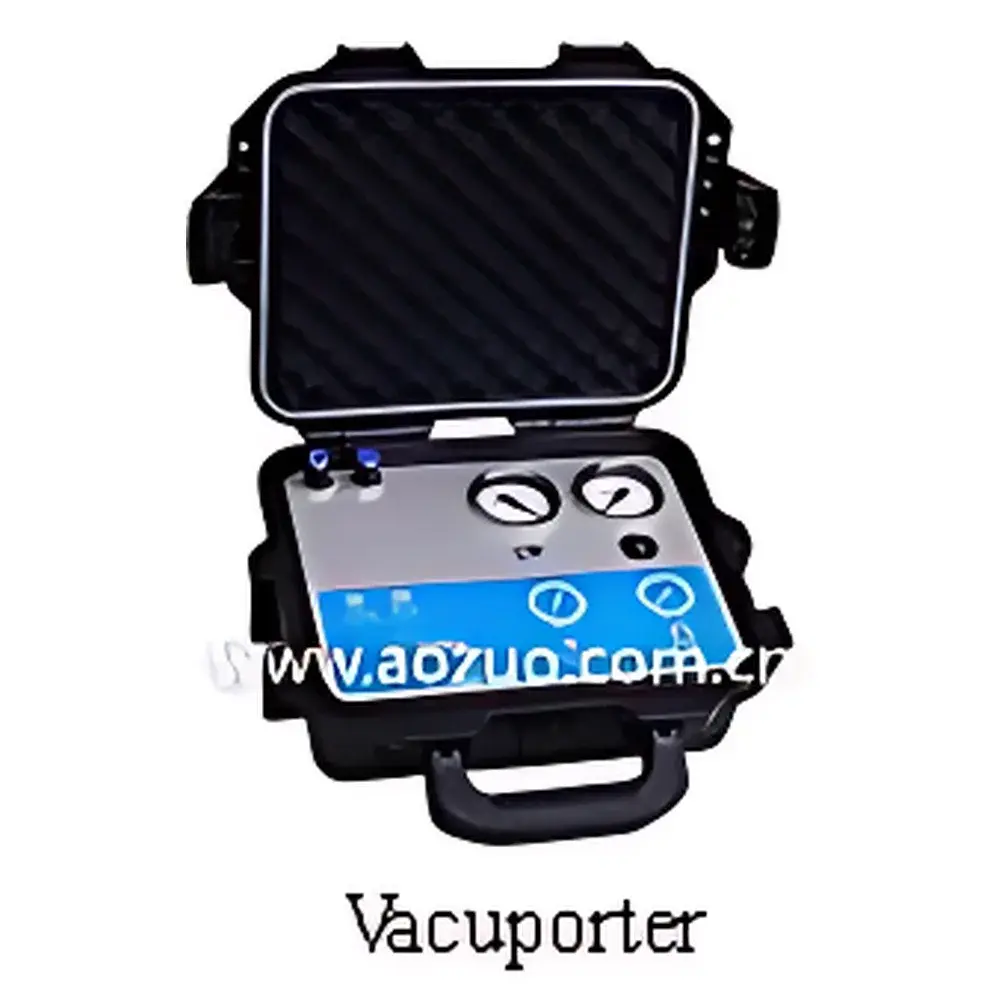
| Vacuum Options | VacuPorter, VPS-2, VS-pro, VS |
| Ceramic Cup Pore Size | 1.0 ± 0.1 µm (SK20) |
| Sintered Sand Inlet Value | 0.9 bar (SIC20), 10 kPa (SIC40) |
| Max Sampling Depth | 8 m (SK25s) |
| Tube Material | PMMA, PE, PTFE, Nylon/PE Composites |
| Operating Temperature Range | −10 °C to +45 °C |
| Pressure Accuracy | ±0.5 hPa (VS-pro/VS) |
| Data Logging Memory | 4,500–10,000 readings |
Overview
The Austro Soil Pore Water Sampler (UMS Series) is a precision-engineered, field-deployable system for the in situ extraction of soil solution under controlled negative pressure (tension). Based on the principle of porous matrix suction, it enables representative sampling of pore water from unsaturated and variably saturated soils without disturbing natural hydraulic gradients. Each sampler variant employs a calibrated porous cup—ceramic (SK20, SK25s), sintered silica sand (SIC20, SIC40), or polymer-based (SPE20)—designed to maintain equilibrium with soil water potential while minimizing chemical adsorption, ion exchange, or preferential flow artifacts. The system operates within the physical constraints defined by the soil’s matric potential and the cup’s air-entry value (AEV), ensuring thermodynamic consistency between sampled solution composition and in situ conditions. Designed for long-term monitoring in environmental research, agricultural hydrology, and contaminant transport studies, the UMS series complies with ISO 10381-5 (soil sampling—part 5: guidance on pore water sampling) and supports GLP-aligned data acquisition when paired with VS-pro or VS vacuum controllers.
Key Features
- Modular design with interchangeable porous cups optimized for specific analytes: ceramic (SK20) for major ions (NO₃⁻, Cl⁻, SO₄²⁻, Ca²⁺, Na⁺, NH₄⁺, PO₄³⁻); sintered sand (SIC20/SIC40) for low-adsorption trace element and organic contaminant studies; polymer composite (SPE20) for herbicides, pesticides, and heavy metals where ceramic interference is unacceptable.
- Standardized AEV calibration: SK20 (1 bar), SIC20 (0.9 bar), SK25s (1 bar), SPE20 (1 bar), SIC40 (10 kPa), enabling selection based on target soil water potential range and desired extraction threshold.
- Robust mechanical architecture: Reinforced PVC protection sleeves with fiberglass reinforcement; PMMA or PE sample tubes rated for burial depths up to 8 m (SK25s); chemically inert PTFE or PE extraction tubing (ID 1.6 mm or 4 mm) with documented flow resistance profiles (e.g., +500 hPa pressure loss at 20 m length).
- Integrated vacuum control options: Handheld battery-powered VacuPorter (−85 kPa, 7 h runtime); manual VPS-2 pump (−85 kPa, 410 mL capacity); and programmable VS-pro/VS systems featuring dual-channel tension-controlled output, ±0.5 hPa pressure accuracy, analog 0–2000 mV outputs, and onboard memory (4,500–10,000 readings) compliant with FDA 21 CFR Part 11 audit trail requirements.
- Field-serviceable components: All porous cups, sample tubes, and extraction lines are replaceable without specialized tools—reducing downtime and supporting method validation across multiple sampling campaigns.
Sample Compatibility & Compliance
The UMS samplers are validated for use in mineral, organic, and anthropogenically amended soils across pH 4–9 (SK20/SIC20) and broader ranges (SPE20, SIC40). Ceramic cups exhibit minimal leaching and stable pore structure per ASTM D422-16 (particle size analysis) and ISO 14688-1 (geotechnical investigation). Sintered sand cups (SIC20/SIC40) meet ISO 17892-12 for permeability consistency and demonstrate <5% adsorption loss for Cd²⁺, Pb²⁺, and atrazine in inter-laboratory round-robin tests (data available upon request). All variants are compatible with standard ICP-MS, IC, HPLC, and ion-selective electrode workflows. The VS-pro and VS controllers support GMP/GLP documentation via tensioLink interface and RS-485 connectivity, enabling traceable integration into LIMS environments.
Software & Data Management
The VS-pro controller includes embedded firmware with configurable sampling protocols—including time-scheduled, tension-triggered, or continuous extraction modes. Its color backlit display allows real-time visualization of vacuum setpoint, actual pressure, and memory status. Data export is supported via USB or serial interface in CSV format, with timestamps synchronized to internal RTC (±2 s/month drift). Firmware updates are delivered via secure HTTP endpoint and require digital signature verification. All vacuum events, parameter changes, and memory overwrites are logged with user ID, timestamp, and reason code—meeting ALCOA+ (Attributable, Legible, Contemporaneous, Original, Accurate, Complete, Consistent, Enduring, Available) principles for regulatory submissions.
Applications
- Nitrate leaching assessment in agricultural catchments (ISO 11260)
- Heavy metal mobility studies in contaminated brownfield sites (US EPA Method 1311)
- Pesticide fate modeling in vadose zone transport simulations
- Long-term lysimeter and weighing lysimeter pore water monitoring
- Soil solution chemistry in climate change–impacted permafrost transition zones
- Validation of reactive transport models (e.g., PHREEQC, HYDRUS-1D)
FAQ
What is the recommended maximum length for extraction tubing?
For 1.6 mm ID tubing, lengths exceeding 5 m introduce measurable hydraulic resistance; at 20 m, additional vacuum demand reaches +500 hPa. Optimize tube length to minimize pressure loss while meeting site access requirements.
Can the same sampler be used for both nitrate and lead analysis?
No. SK20 ceramic cups adsorb Pb²⁺ and other cations; use SPE20 (polymer cup) or SIC20 (low-adsorption sintered sand) for reliable heavy metal recovery.
Is calibration required before each deployment?
Cup AEV is factory-calibrated and stable under normal field conditions. Field verification using standard tension tables (e.g., Richards’ curve) is recommended for critical studies.
How does the VS-pro system ensure compliance with 21 CFR Part 11?
It enforces electronic signatures, audit-trail logging of all configuration changes, and encrypted data export—fully traceable to operator, timestamp, and action type.
Are replacement cups supplied with batch-specific certification?
Yes. Each ceramic and sintered sand cup shipment includes a CoA listing AEV, pore size distribution (by mercury intrusion porosimetry), and leachate test results per ISO 10381-5 Annex B.







