
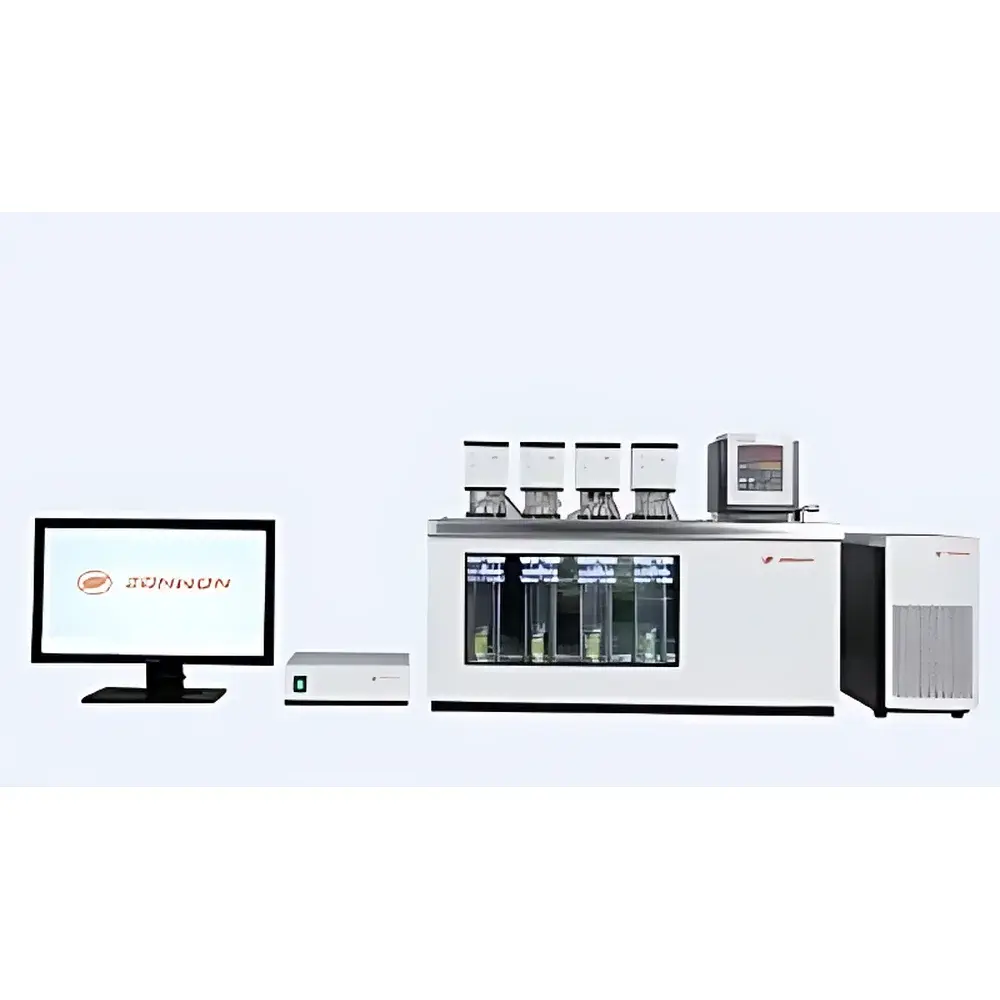
ZONWON IVS300 Automated Ubbelohde Viscometer System
| Brand | ZONWON |
|---|---|
| Origin | Zhejiang, China |
| Manufacturer Type | Direct Manufacturer |
| Instrument Type | Capillary Viscometer (Ubbelohde) |
| Model | IVS300 |
| Viscosity Range | 0.3–50,000 mm²/s (cSt) |
| Temperature Stability | ±0.01 °C (uniformity & fluctuation) |
| Timing Resolution | 0.01 s |
| Sample Handling Method | Positive-pressure fluid elevation |
| Max Concurrent Units | 6 (with VT6恒温槽) |
| Compliance | ASTM D445, ISO 3104, GB/T 265, USP <911> |
Overview
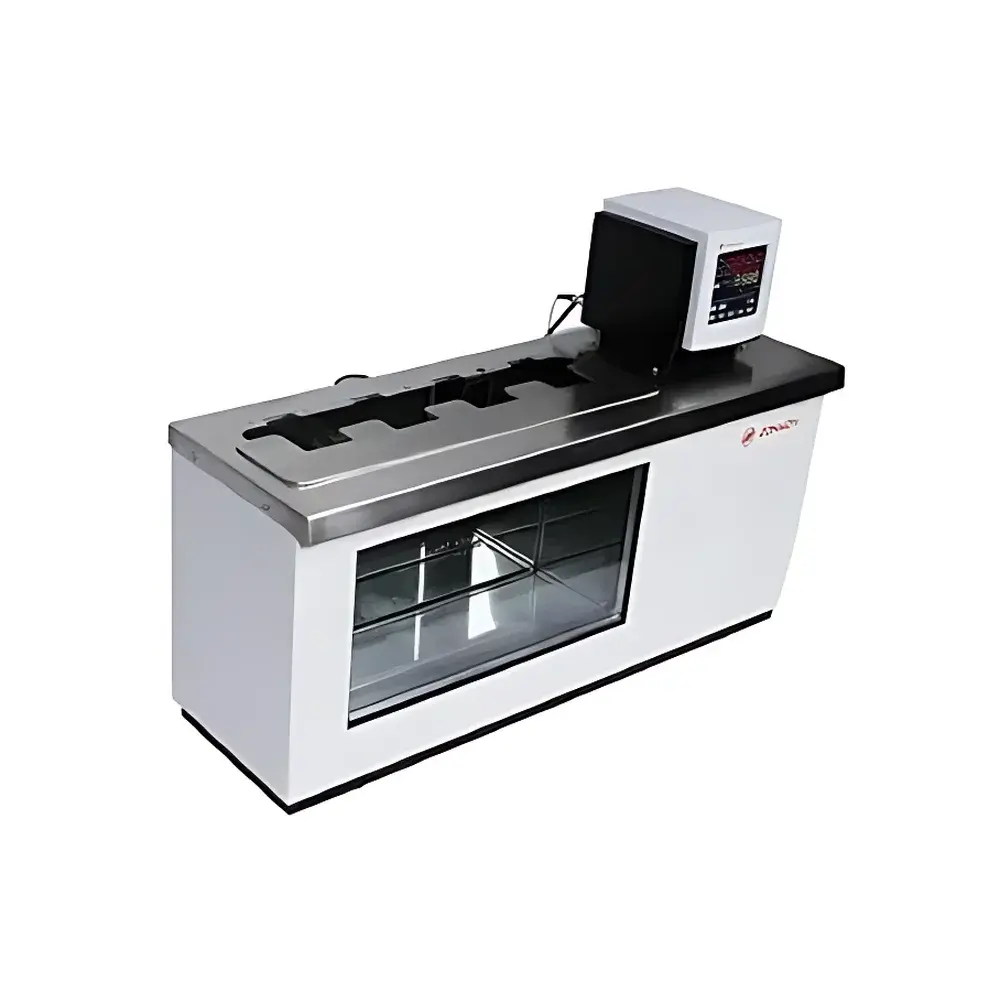
The ZONWON IVS300 is an automated, microprocessor-controlled Ubbelohde capillary viscometer system engineered for high-precision measurement of kinematic viscosity in polymer solutions and organic solvents. It operates on the principle of gravity-driven laminar flow through a calibrated Ubbelohde-type capillary tube, where kinematic viscosity (ν, in mm²/s or cSt) is calculated from efflux time (t) and instrument-specific calibration constants (C), following ν = C × t. Unlike conventional vacuum-assisted systems, the IVS300 employs a positive-pressure sample elevation mechanism—eliminating air entrainment, bubble formation, and inconsistent meniscus positioning that compromise reproducibility in traditional setups. The system integrates a high-stability VT-series thermostatic bath (±0.01 °C uniformity and fluctuation), precision infrared detection via imported stainless-steel fiber optics, and modular test units capable of autonomous operation. Designed for routine QC and R&D laboratories, it delivers traceable, GLP-compliant viscosity data aligned with ASTM D445, ISO 3104, and Chinese national standard GB/T 265.
Key Features
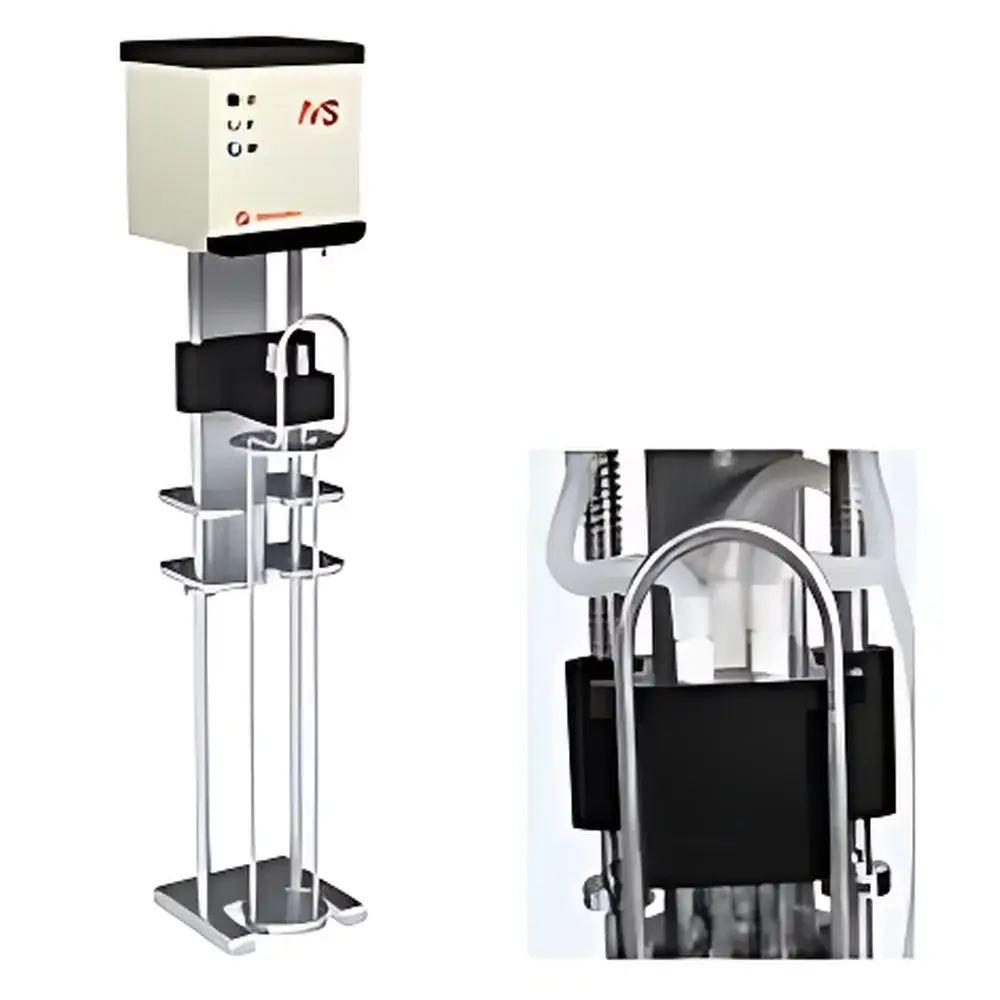
- Positive-pressure sample elevation system — replaces vacuum aspiration to ensure consistent, bubble-free filling and eliminates capillary fracture risk associated with rubber bulb handling
- High-precision timing resolution of 0.01 s, enabling accurate efflux measurement even for low-viscosity solvents (e.g., chloroform, THF) and highly diluted polymer solutions
- Modular IVS test units — each unit operates independently with self-contained optical detection, temperature feedback, and local data buffering; up to six units can be synchronized under single software control
- VT-series thermostatic bath with double-glazed, insulated viewing window and LED illumination — provides unobstructed real-time observation without thermal interference or consumable replacement
- Flow-through refrigeration module rated for >50,000 hours MTBF — maintains stable thermal equilibrium during extended multi-sample runs without refrigerant refills or compressor cycling
- Robust mechanical design featuring tool-free capillary mounting and pressure-block interface — reduces operator-induced variability and extends capillary service life
Sample Compatibility & Compliance
The IVS300 is validated for use with dilute polymer solutions within the temperature range of 15–40 °C, supporting standardized molecular weight characterization across synthetic and bio-based thermoplastics. Compatible materials include PET, PBT, PA (nylon 6/66), PC, PVC, PLA, PMMA, PSU, PCT, PEN, PIB, TPU, CA, chitin derivatives, and styrenic copolymers (SAN, SB). All measurements adhere to internationally recognized protocols: kinematic viscosity per ASTM D445 and ISO 3104; intrinsic viscosity derivation per ISO 1628-1 and USP ; and relative viscosity reporting compliant with GB/T 17219–2022 for industrial polymer QC. The system architecture supports audit-ready electronic records, including timestamped raw efflux times, automatic outlier rejection logs, and full parameter traceability — meeting baseline requirements for FDA 21 CFR Part 11–aligned environments when deployed with appropriate IT validation.
Software & Data Management
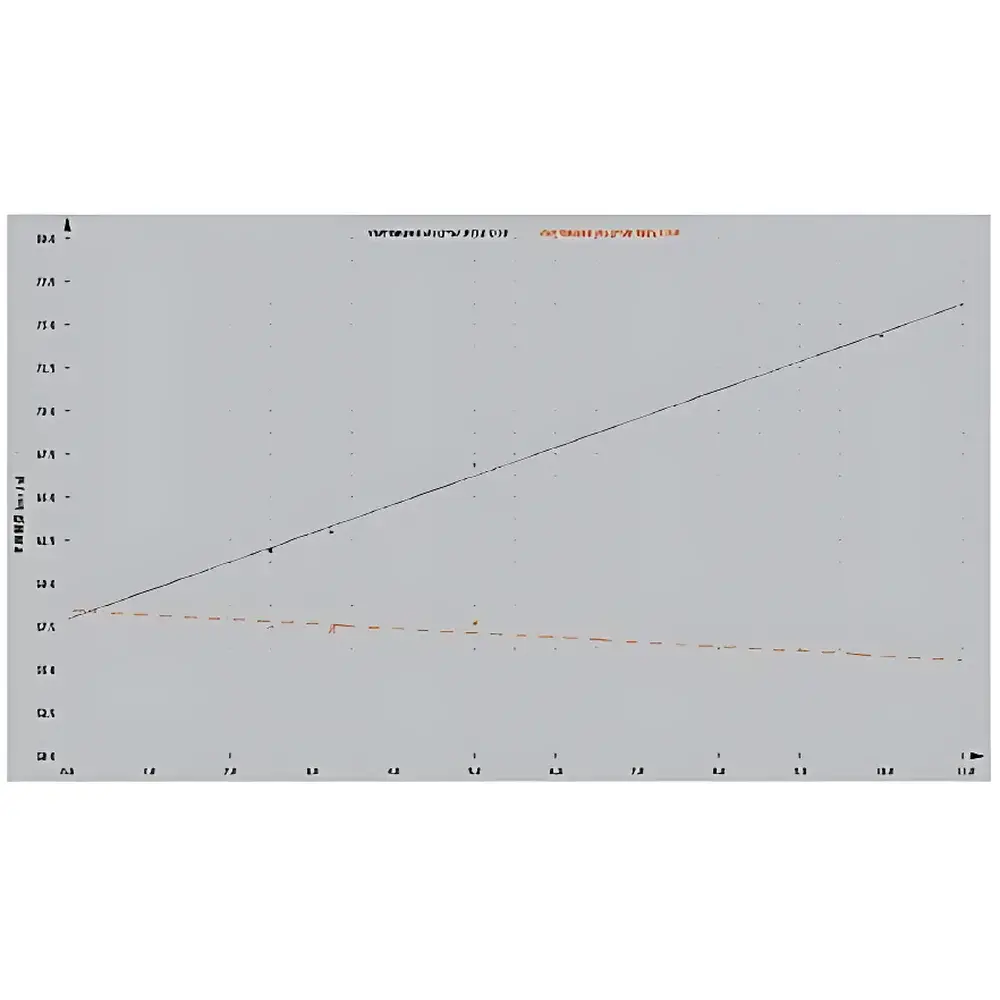
Viscobee software provides a bilingual (English/Chinese) GUI optimized for laboratory workflow efficiency. It enables centralized monitoring of up to six concurrent IVS units, real-time status visualization (temperature, efflux progress, error flags), and fully automated sequence execution — from solvent rinse and sample loading to multi-concentration series measurement and extrapolation. Built-in algorithms support both single-point methods (Martin, Huggins, Schulz-Blaschke, Solomon-Ciuta) and multi-concentration linear extrapolation (Huggins, Kraemer plots) to derive intrinsic viscosity [η], reduced viscosity (ηsp/c), inherent viscosity (ln(ηr)/c), and viscosity-average molecular weight (Mv) using Mark–Houwink–Sakurada parameters. Data export conforms to CSV, Excel (.xlsx), and PDF report formats; user access levels (operator, supervisor, administrator) enforce role-based permissions and electronic signature capture for critical actions.
Applications
The IVS300 serves as a core analytical platform in polymer synthesis labs, fiber production QA/QC departments, and regulatory submission support teams. Typical use cases include batch release testing of PET chip for bottle-grade resin, monitoring polycondensation kinetics in continuous esterification lines, evaluating hydrolytic degradation of PLA medical devices, verifying molecular weight consistency in nylon 66 filament spinning dope, and certifying intrinsic viscosity compliance for pharmaceutical excipients (e.g., methylcellulose, sodium carboxymethyl cellulose) per USP monographs. Its ability to perform serial concentration dilutions with automatic data filtering and statistical validation makes it particularly suited for method transfer between R&D and manufacturing sites under ICH Q5C and Q7 guidelines.
FAQ
What capillary types are supported by the IVS300?
The system accommodates standard Ubbelohde capillaries conforming to ISO 3105 and ASTM D446 specifications, including sizes C, D, F, and G — calibrated individually and stored in the software database with unique K- and α-values.
Can the IVS300 measure dynamic viscosity directly?
No — it measures kinematic viscosity (mm²/s). Dynamic viscosity (mPa·s) is derived computationally using input density values at test temperature, either manually entered or imported from external databases.
Is remote monitoring or integration with LIMS possible?
Yes — Viscobee supports OPC UA and TCP/IP communication protocols; raw data streams and status signals can be routed to third-party LIMS or MES platforms via configurable API endpoints.
How does the system handle outlier detection and retesting?
It applies statistically weighted deviation thresholds (e.g., Grubbs’ test) to replicate efflux times; flagged outliers trigger automatic solvent flush and re-measurement without operator intervention.
What maintenance is required for long-term accuracy?
Annual recalibration of capillary constants and temperature sensor verification are recommended; the refrigeration module and optical sensors require no scheduled maintenance due to solid-state design and sealed construction.



