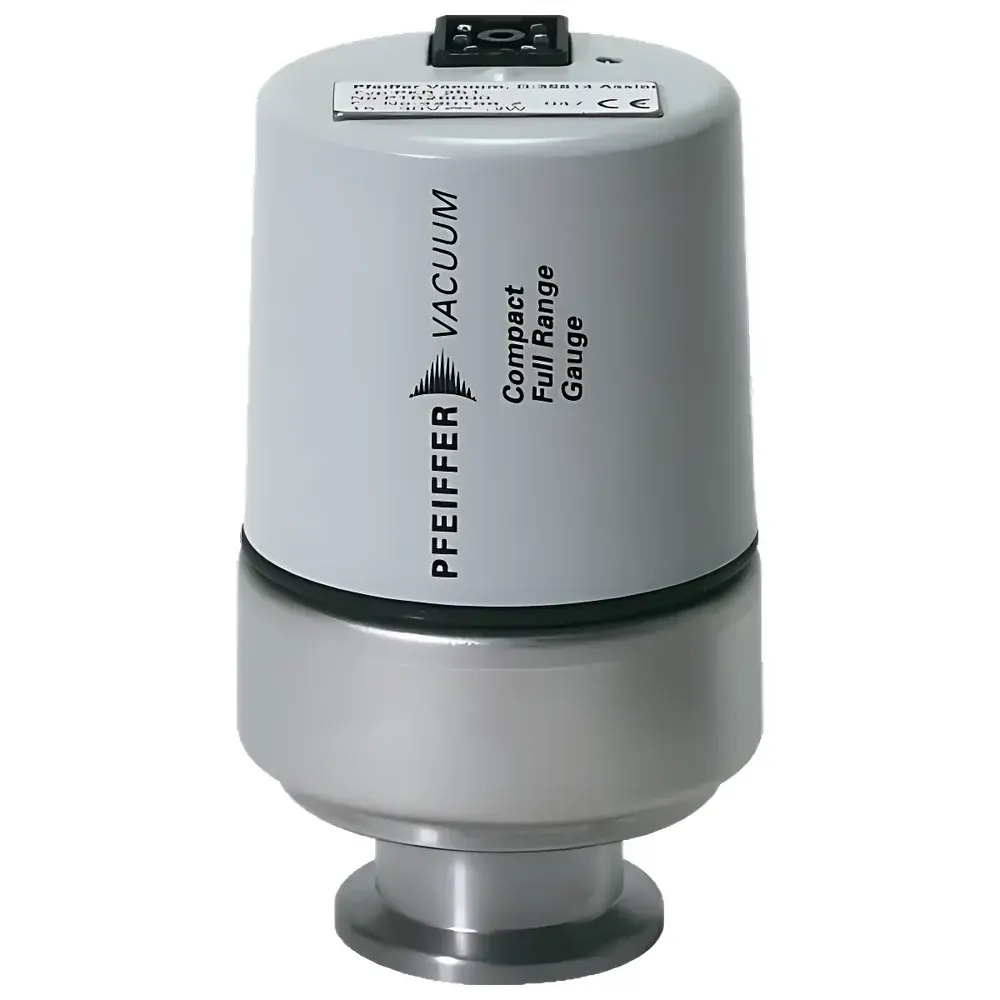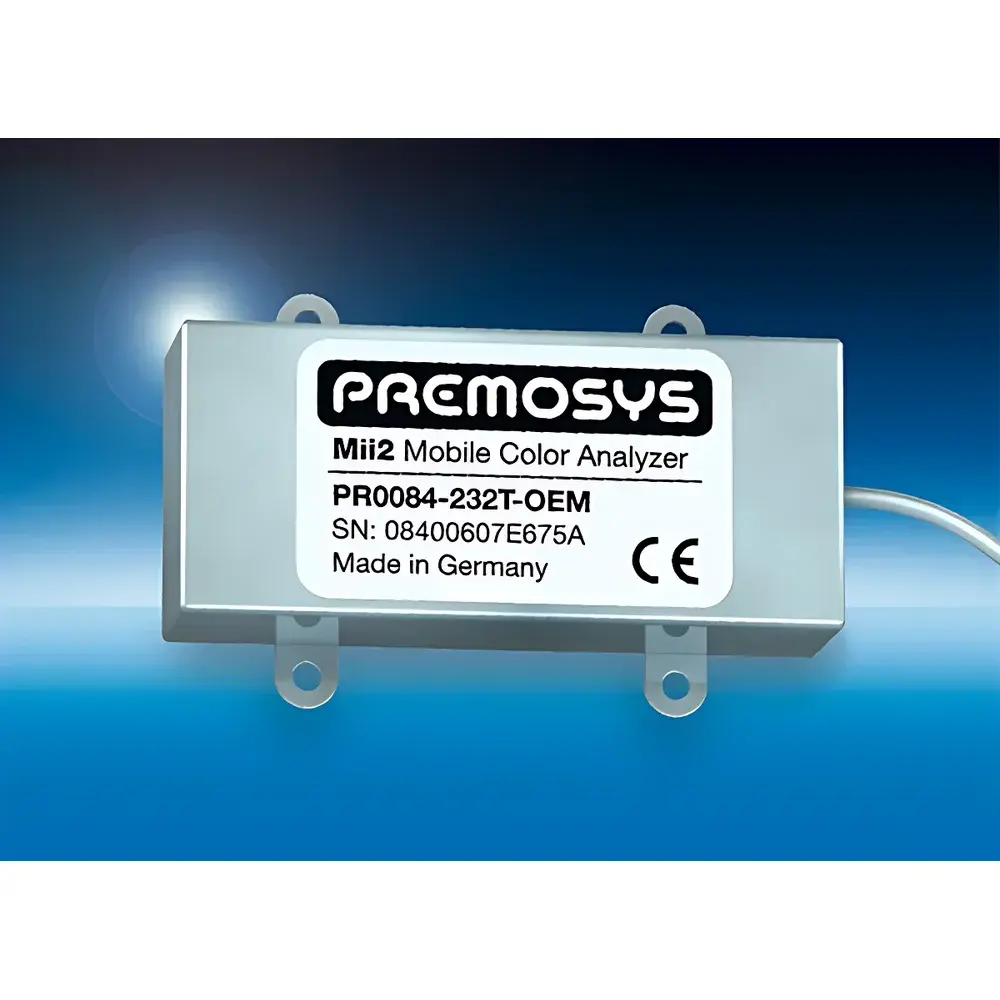
PREMOSYS PR0084 Portable Photometric and Chromaticity Sensor
| Brand | PREMOSYS |
|---|---|
| Origin | Germany |
| Model | PR 0084 |
| Field of View | ±2° |
| Calibration | PTB-traceable |
| Flicker Measurement | Compliant with VESA standards |
| Interfaces | USB 2.0, RS232, RS232-TTL |
| Power Supply | 4.7–5.25 V DC via interface |
| Factory Presets | 8 |
| User-defined Presets | 30 |
| Max. Measurement Rate | 10 Hz (low sensitivity), 4 Hz (high sensitivity) |
| Temperature Compensation Range | 20–40 °C |
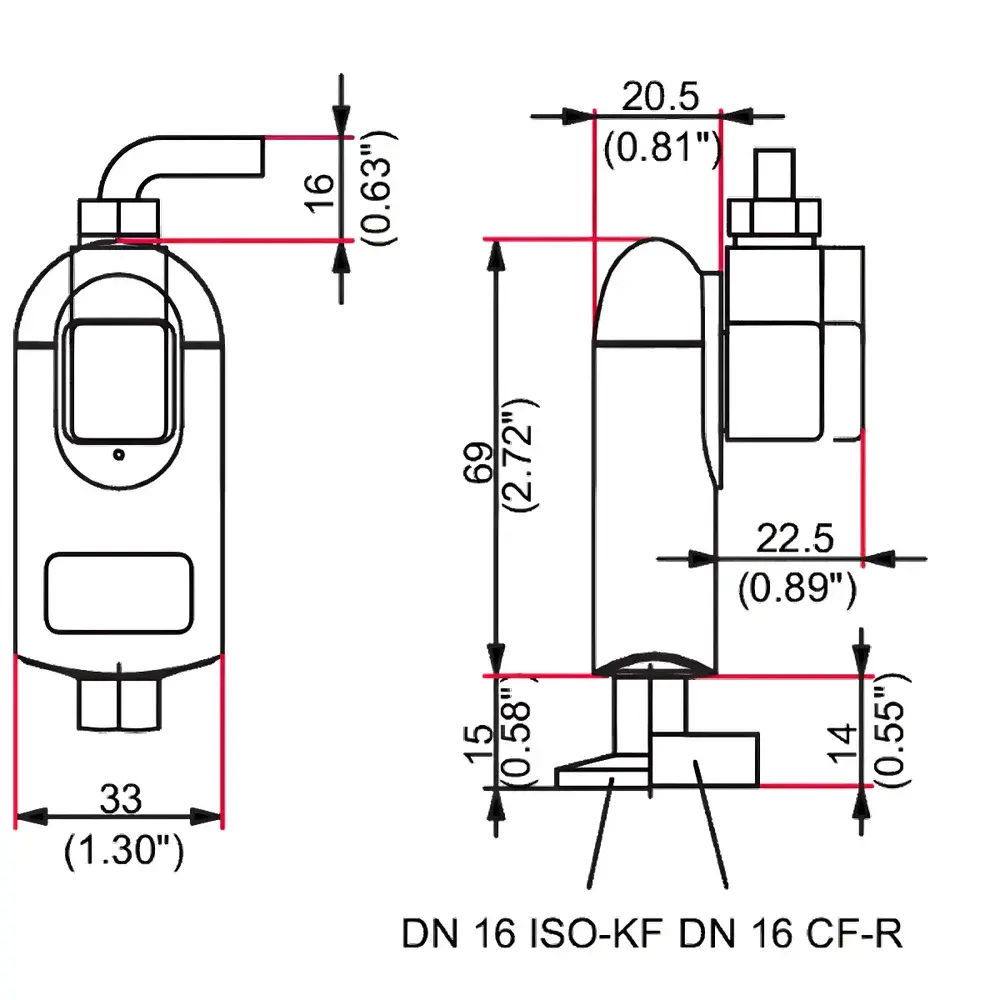
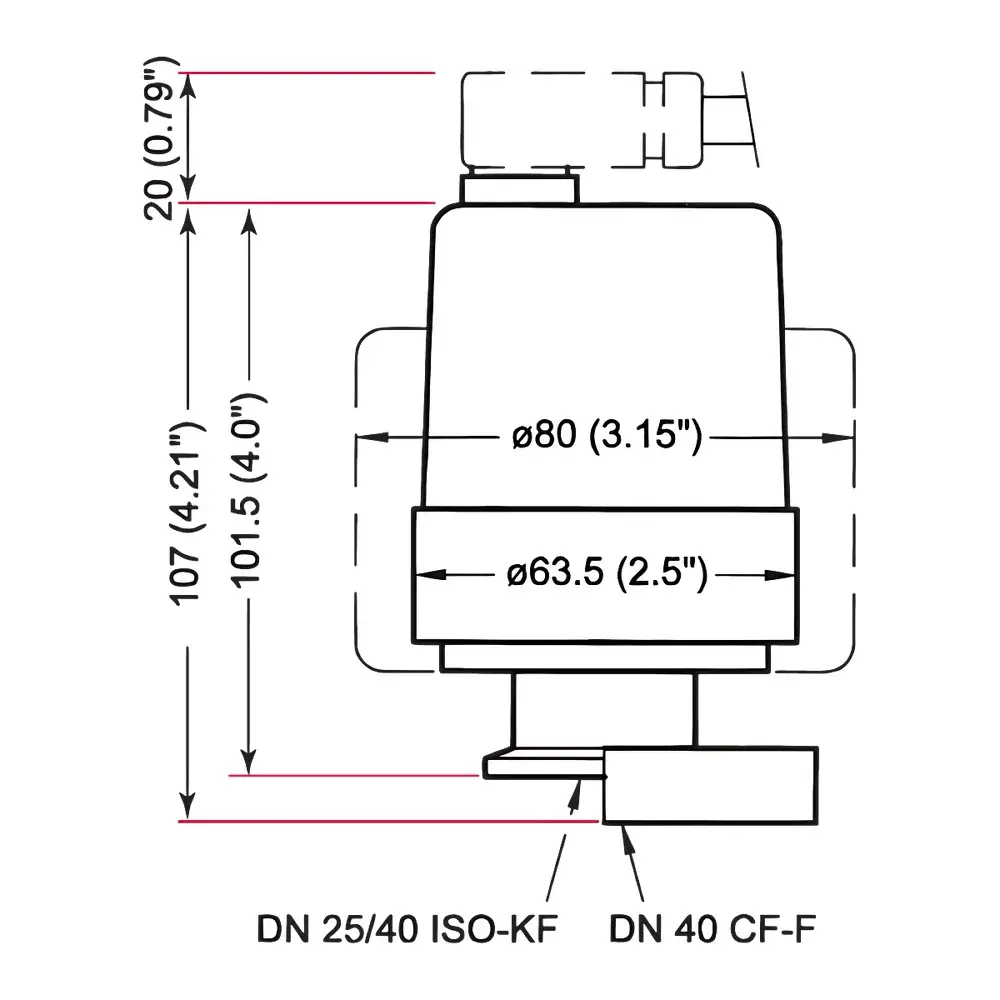
| Dimensions (L×W×H) | 61 × 26 × 17 mm (excl. mounting interface) |
| Weight | ~80 g |
| Luminance Range | 0.05–2500 cd/m² |
| Chromaticity Accuracy (relative to Illuminant D65) | ±0.002 |
| CCT Accuracy (4000–15000 K) | ±250 K |
| Chromaticity Accuracy (other spectra) | ±0.0065 |
| Luminance Accuracy | ±2% + 1 digit (1–500 cd/m²) |
Overview
The PREMOSYS PR 0084 is a compact, high-precision photometric and chromaticity sensor engineered for OEM integration and field-deployable optical characterization of emissive devices. Based on calibrated silicon photodiode arrays with spectral response matched to the CIE 1931 standard observer function (via integrated interference filters and correction algorithms), the PR 0084 delivers traceable photometric and colorimetric data in accordance with ISO/CIE 11664 and CIE 15:2018. Its ±2° field-of-view optics enables targeted spot measurements of displays, LED modules, OLED panels, and other self-luminous sources without spatial averaging artifacts. Designed for laboratory-grade repeatability in mobile and production environments, the sensor operates under ambient temperature compensation (20–40 °C) and supports real-time streaming of luminance (cd/m²), chromaticity coordinates (CIE x,y or u’v’), correlated color temperature (CCT), and dominant wavelength—fully compliant with VESA FPDM2 and ISO 9241-307 requirements for display verification.
Key Features
- PTB-traceable calibration certificate provided with each unit, ensuring metrological continuity to national standards
- Simultaneous acquisition of photometric (luminance) and tristimulus-based chromaticity data at up to 10 Hz in low-sensitivity mode
- Multi-interface architecture: native USB 2.0 (CDC class), RS232, and RS232-TTL for seamless integration into automated test benches, inline QC systems, or handheld calibration tools
- Onboard firmware supports eight factory-configured measurement profiles optimized for common display technologies (LCD, OLED, microLED) and three user-definable spectral weighting modes
- Compact form factor (61 × 26 × 17 mm, ~80 g) with minimal thermal mass, enabling rapid stabilization and reducing drift during extended operation
- Integrated temperature compensation algorithm corrects for photodiode responsivity shifts across 20–40 °C ambient range, maintaining accuracy without external thermal control
Sample Compatibility & Compliance
The PR 0084 is validated for direct contact and non-contact measurement of planar and near-planar emissive surfaces with minimum active area ≥3 mm². It supports stable operation on LCD backlights, OLED smartphone panels, automotive HUD emitters, and monochromatic or broadband LED sources. All optical components are housed in an anodized aluminum enclosure rated IP52 for dust resistance and incidental moisture exposure. The device complies with CE marking requirements (EMC Directive 2014/30/EU, RoHS 2011/65/EU), and its calibration protocol aligns with ISO/IEC 17025:2017 clause 6.6 for measurement traceability. For regulated environments, raw data export supports audit-ready formats compatible with FDA 21 CFR Part 11-compliant software validation workflows.
Software & Data Management
The sensor ships with Mii2 PC software (Windows 10/11, 64-bit), offering real-time visualization of xyY, u’v’, CCT, Duv, and flicker metrics (FPFM, SVM). Data logging supports CSV, XML, and binary formats with embedded timestamping, device serial number, and calibration metadata. The SDK includes C/C++, Python (PySerial + NumPy), and LabVIEW drivers enabling custom automation in manufacturing test sequences or R&D instrumentation stacks. All configuration parameters—including integration time, gain scaling, and spectral correction matrices—are programmable over serial or USB, allowing dynamic adaptation to varying source intensities and spectral power distributions.
Applications
- Display manufacturing: inline verification of white point, gamma, and uniformity across TFT-LCD, AMOLED, and QD-OLED production lines
- R&D labs: spectral stability analysis of novel emissive materials under pulsed or DC drive conditions
- AR/VR hardware development: luminance and chromaticity mapping of waveguide-coupled microdisplays
- Automotive lighting QA: CCT consistency testing of adaptive headlamp modules per UNECE R149
- Calibration services: portable reference-grade verification tool for display calibration hardware (e.g., X-Rite i1Display, Klein K10-A)
- Ergonomics and human factors studies: quantification of visual task luminance and chromatic contrast per ISO 8995-1 and CIE S 008/E:2001
FAQ
Is the PR 0084 suitable for measuring pulsed or PWM-driven LEDs?
Yes—the sensor’s fixed integration window and hardware-triggered sampling support accurate photometric capture of modulated sources when synchronized via external TTL input.
Can the device be used in a darkroom environment without ambient light compensation?
Yes—its narrow ±2° FOV and internal stray-light baffling minimize extraneous irradiance; however, full enclosure or lens cap use is recommended for sub-0.1 cd/m² measurements.
Does the calibration remain valid after firmware updates?
Yes—calibration coefficients are stored in write-protected EEPROM and unaffected by firmware revisions; only physical damage or extreme thermal shock requires recalibration.
What is the maximum cable length supported for RS232 communication?
Up to 15 meters at 9600 baud; for longer runs or noisy industrial environments, opto-isolated RS485 conversion is recommended.
Is GLP/GMP-compliant audit trail functionality available in the Mii2 software?
Yes—user login, parameter change logs, measurement session timestamps, and digital signature fields are enabled when operating in “Compliance Mode,” meeting basic ALCOA+ data integrity criteria.