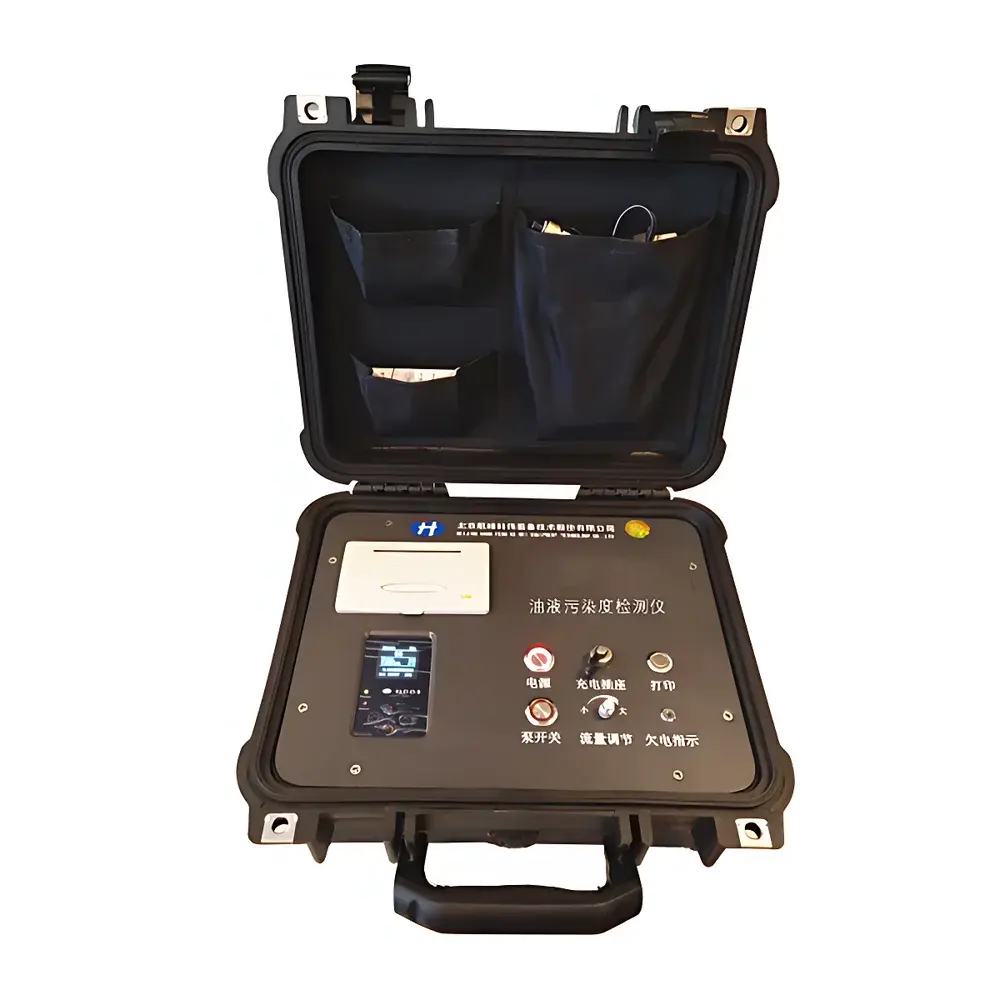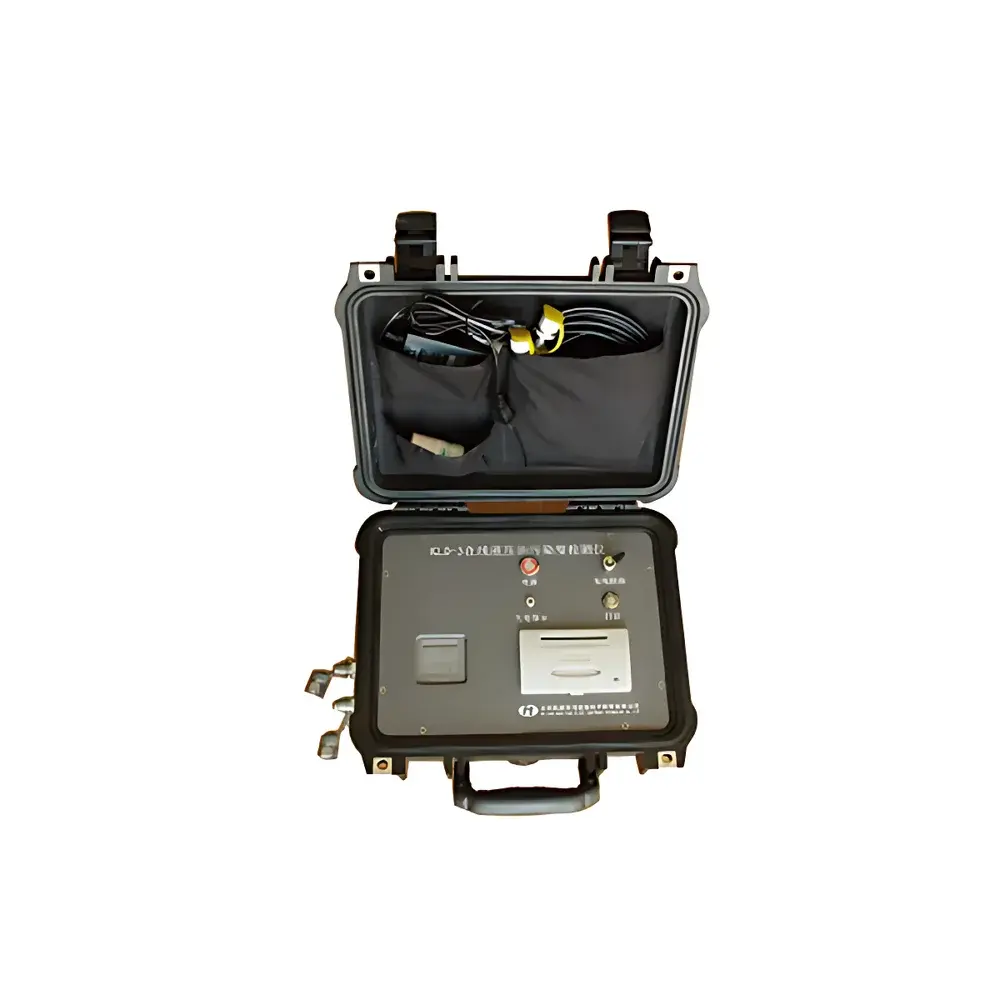
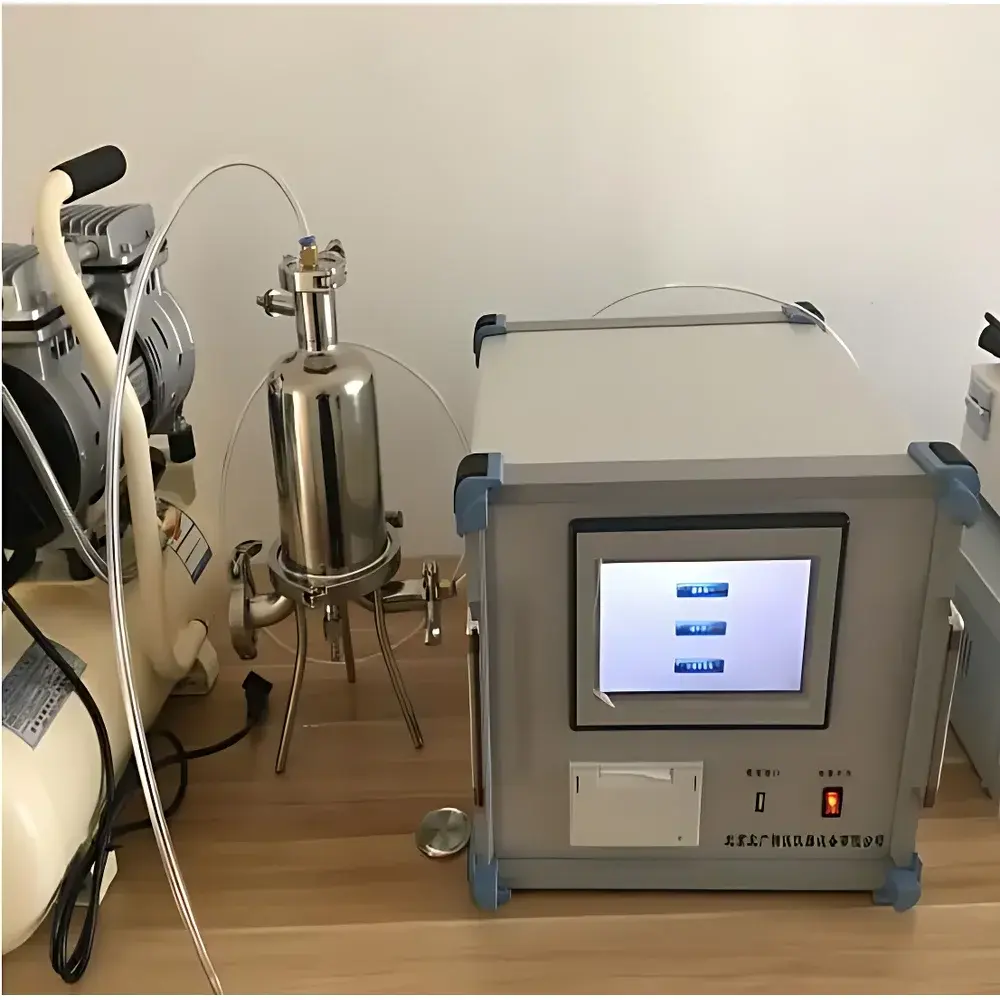
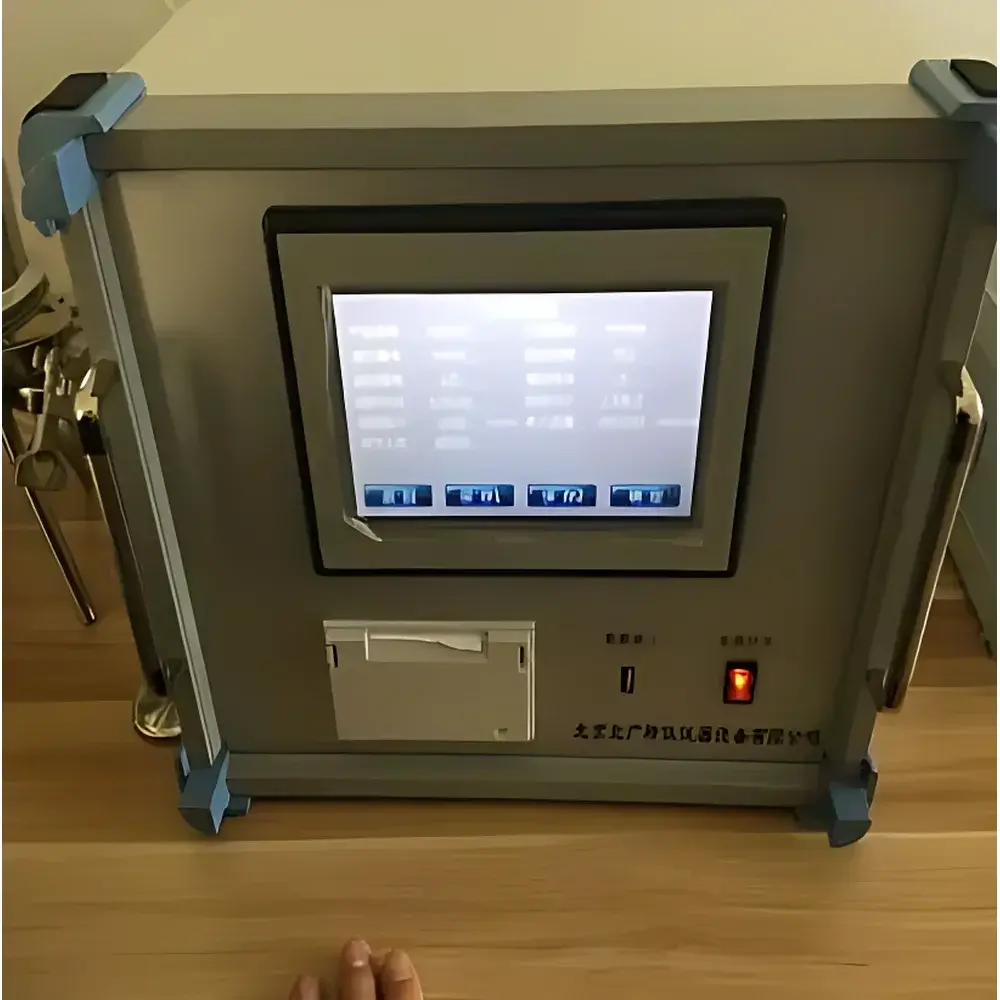
Beiguang Jingyi BQS-9 Glove Integrity Tester
| Brand | Beiguang Jingyi / All Precision Instrument |
|---|---|
| Origin | Beijing, China |
| Manufacturer Type | Direct Manufacturer |
| Country of Origin | China |
| Model | BQS-9 |
| Power Supply | 170–240 V AC, 50/60 Hz, 100 W |
| Max Operating Pressure | 7999 mbar |
| Minimum Inlet Pressure | 3000 mbar |
| Dimensions (L×W×H) | 500 × 200 × 180 mm |
| Test Pressure Range | 500–6900 mbar |
| Sensitivity | ±1.0 mbar |
| Bubble Point Accuracy | ±60 mbar |
| Ambient Operating Conditions | 0–50 °C, 10–80% RH |
| Test Duration (Bubble Point) | 2 ± 2 min |
| Diffusion Flow Test | 7 ± 2 min |
| Water Intrusion Test | 7 ± 2 min |
| System Leak Check | 3 ± 1 min |
| Display | 5.7-inch 32-bit touchscreen |
| Language Options | English & Chinese |
| Data Storage | 32 GB (≥1,000,000 records) |
| Printing | Integrated thermal printer (bilingual output of test parameters, results, and pressure curves) |
| Communication Interface | RS232/USB for PC connectivity and remote control via proprietary software |
| Compliance Support | Designed to support GLP/GMP workflows with user-level access control, audit trail-ready operation, and FDA 21 CFR Part 11–compatible data handling (when used with validated software configuration) |
Overview
The Beiguang Jingyi BQS-9 Glove Integrity Tester is a fully automated, microprocessor-controlled instrument engineered for quantitative integrity verification of sterile barrier systems—specifically isolator gloves, gloveboxes, and flexible containment enclosures used in aseptic pharmaceutical manufacturing, biotechnology cleanrooms, and high-containment laboratories. It operates on the principles of pressure decay, diffusion flow, and water intrusion—three internationally recognized methods defined in ASTM F2096, ISO 11650, and USP . Unlike manual or semi-automatic alternatives, the BQS-9 employs a closed-loop digital pneumatic control system that dynamically regulates gas flow and pressure ramping, ensuring stable test execution regardless of upstream air supply fluctuations. This architecture eliminates operator-dependent variability inherent in analog throttling valves, thereby enhancing measurement reproducibility across shifts, operators, and facility sites. The instrument is calibrated traceably to NIST-traceable pressure standards and designed for integration into controlled environments where ISO Class 5–8 conditions prevail.
Key Features
- Fully automatic digital inlet pressure regulation—eliminates reliance on manual needle valves and ensures consistent gas delivery under variable supply pressure (3000–7999 mbar).
- Multi-method testing capability: bubble point, diffusion flow, and water intrusion—validated for hydrophobic membrane integrity assessment per USP Chapter 3.
- Intelligent pass/fail logic with auto-exit function: upon successful test completion, the system automatically depressurizes and exits test mode—reducing operator intervention and minimizing filter exposure time.
- User-level permission management with password customization: supports three-tier access (Operator, Supervisor, Administrator), enabling GMP-aligned role-based parameter locking and audit trail generation.
- Bilingual (English/Chinese) 5.7-inch capacitive touchscreen interface with contextual on-screen prompts and “one-touch repeat” functionality for standardized filter batches.
- Onboard thermal printer with configurable bilingual output—including real-time pressure curve plots, pass/fail status, critical thresholds, and timestamped metadata.
- 32 GB internal storage supporting ≥1,000,000 full test records (parameters, raw pressure/time data, and graphical traces); exportable via USB or RS232 to compliant LIMS or ELN systems.
- Integrated safety interlock: continuous internal pressure monitoring during standby; automatic venting if residual pressure exceeds 50 mbar—preventing inadvertent pressurized handling.
Sample Compatibility & Compliance
The BQS-9 accommodates a broad range of glove configurations—from single-layer elastomeric gloves (e.g., butyl, nitrile, chloroprene) to multi-ply laminated barriers and welded seam assemblies. Its wide dynamic pressure range (500–6900 mbar) and high-resolution transducer (±1.0 mbar sensitivity) enable reliable detection of sub-micron defects in gloves up to 2.5 m in length and 0.8 m in diameter. The instrument complies with key regulatory expectations for equipment qualification: IQ/OQ documentation templates are provided, and the firmware supports electronic signatures and change control logs when deployed with validated PC software. While not pre-certified to IEC 62304 or ISO 13485 out-of-the-box, the BQS-9 meets essential design criteria for Class IIa medical device accessory classification under MDR Annex VIII, and its operational logic aligns with FDA guidance on integrity testing of closed-system components in CGMP environments.
Software & Data Management
The BQS-9 includes embedded firmware v4.0 and optional Windows-based PC software for centralized test orchestration, historical data review, and report generation. When connected via RS232 or USB, the software enables remote initiation of tests, live pressure curve visualization, batch-level statistical analysis (e.g., mean bubble point, standard deviation across replicates), and PDF/CSV export compliant with ALCOA+ data integrity principles. Audit trails record user login/logout events, parameter modifications, test starts/stops, and print actions—with immutable timestamps. For regulated environments, the software can be configured to enforce 21 CFR Part 11 requirements including electronic signatures, role-based access, and record retention policies. All stored data include unique test IDs, operator IDs, environmental condition stamps (temperature/humidity), and instrument serial number linkage.
Applications
This instrument is routinely deployed in:
- Pre-use integrity verification of isolator gloves prior to aseptic processing (e.g., vial filling, lyophilization loading).
- Periodic surveillance testing of glove integrity during extended campaigns (e.g., weekly or per-shift checks).
- Qualification of new glove installations or post-repair validation following puncture or seam failure.
- Supporting root cause investigations during sterility assurance deviations—correlating glove defect size with microbial ingress risk models.
- Training and competency assessment in GMP facilities, where standardized, objective pass/fail outcomes replace subjective visual inspection.
FAQ
Does the BQS-9 support water intrusion testing for hydrophobic filters?
Yes—the instrument implements the water intrusion method per USP , including upstream volume calibration, pressure ramping, and calculation of water intrusion rate (WIR) from pressure decay kinetics.
Can test data be exported to LIMS or ERP systems?
Yes—via CSV or XML export through the PC software; custom API integration is available under NDA for enterprise deployments.
Is the instrument suitable for use inside ISO Class 5 laminar flow hoods?
The BQS-9 is rated for ambient operation at 0–50 °C and 10–80% RH; it must be placed outside the hood due to its pneumatic actuation and thermal dissipation profile—but test samples may be introduced post-verification.
What is the calibration interval recommendation?
Annual calibration against NIST-traceable deadweight testers or precision pressure calibrators is recommended; field verification using certified reference leaks is supported.
Does the system provide electronic signature capability?
Electronic signatures are enabled in the PC software when operating in 21 CFR Part 11–compliant mode, requiring dual-user authentication and audit trail activation.