
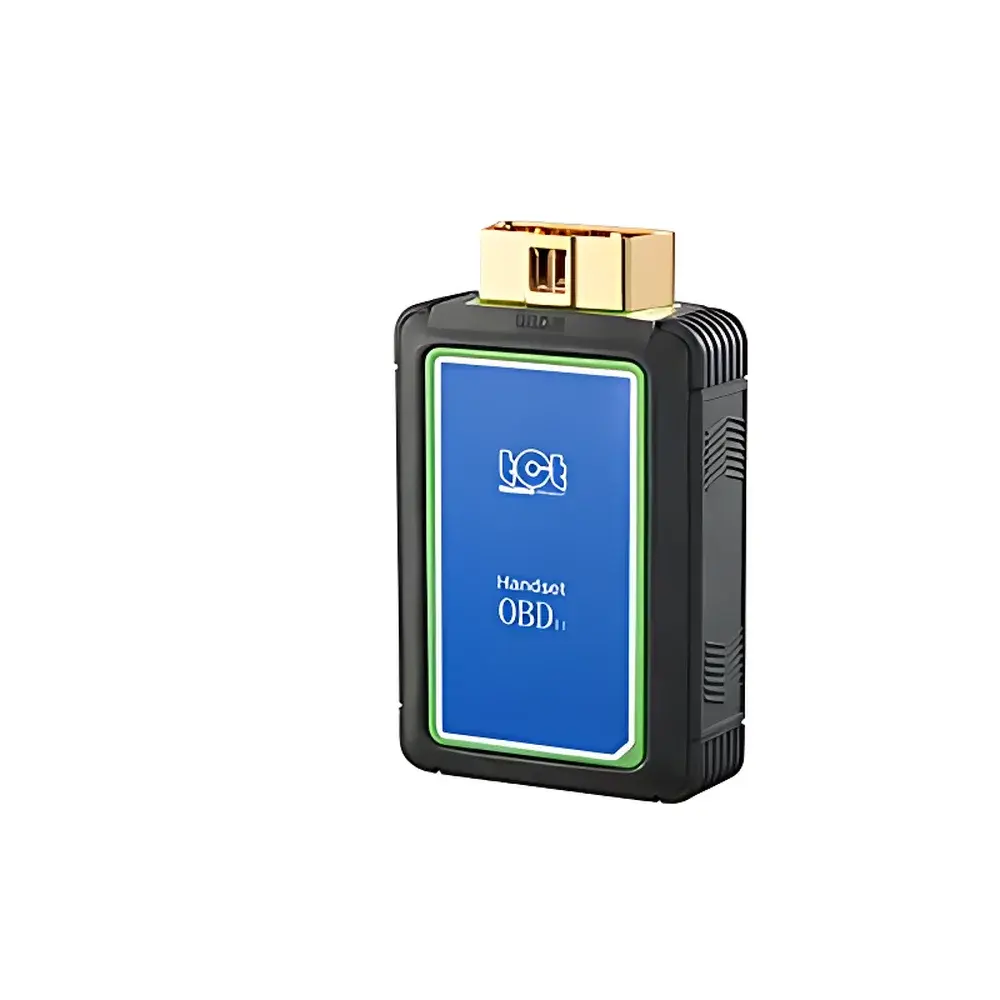
TCT VRMS 1000 Mobile Emission Enforcement & Supervisory Spot-Check System
| Brand | TCT (Xiamen Tongchuang) |
|---|---|
| Origin | Fujian, China |
| Manufacturer Type | Authorized Distributor |
| Product Category | Domestic |
| Model | VRMS 1000 |
| Instrument Type | Portable |
| Measurement Principle | Multi-sensor Integrated Gas & Opacity Analysis |
| Max. Permissible Error | ±10% |
| Zero Drift | ±5% F.S. |
| Span Drift | ±1% |
| Repeatability | ≤2% |
Overview
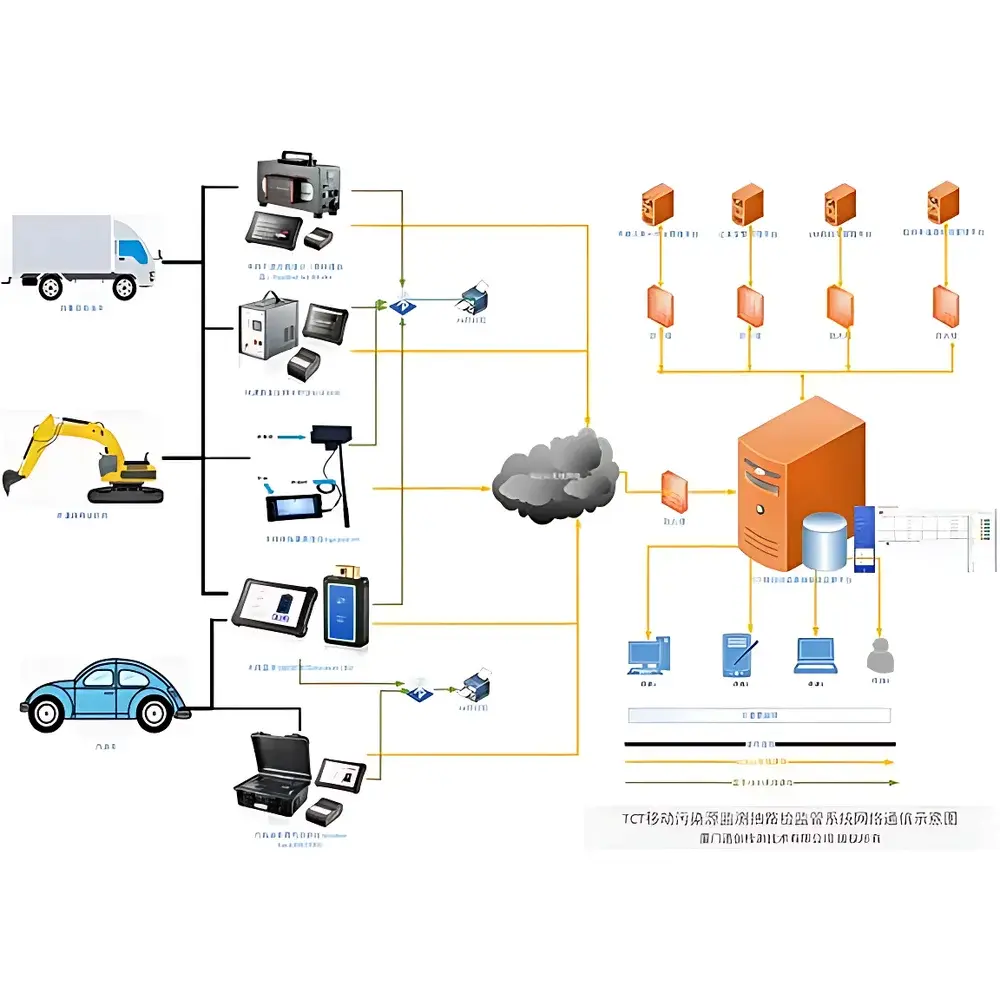
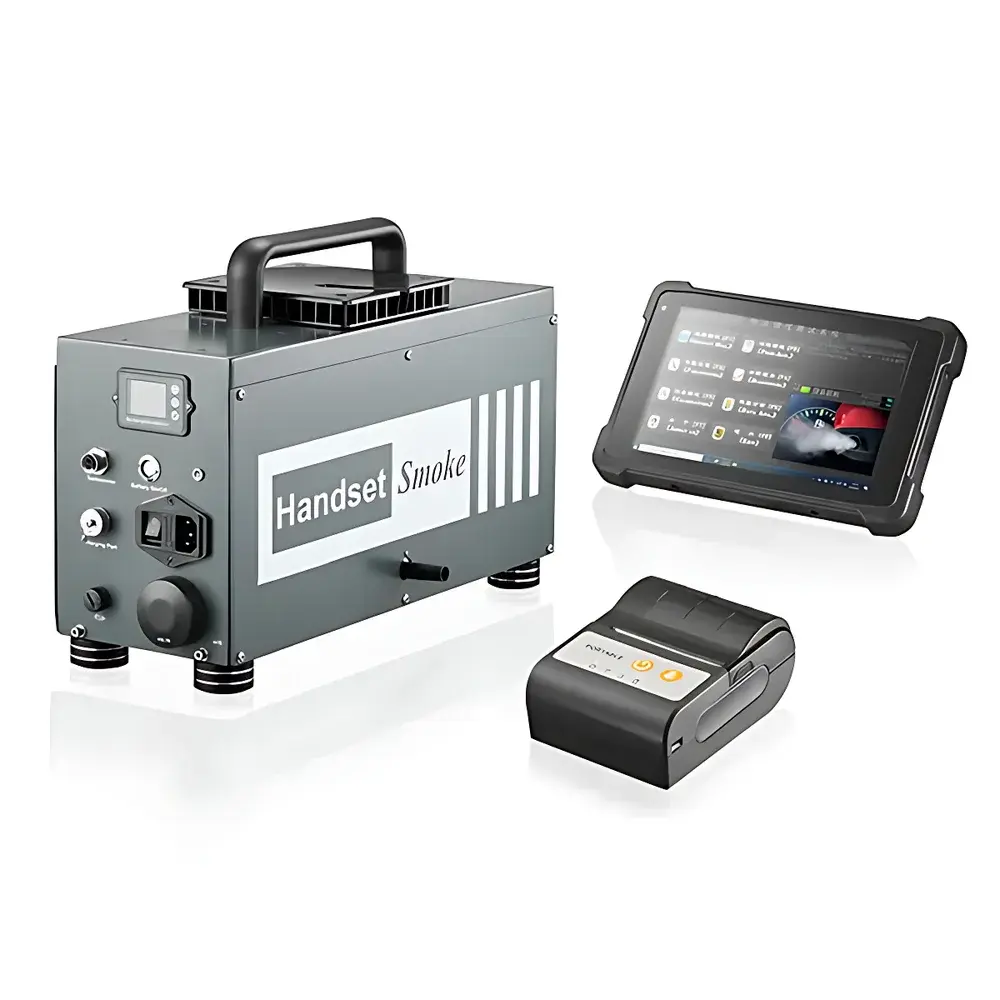
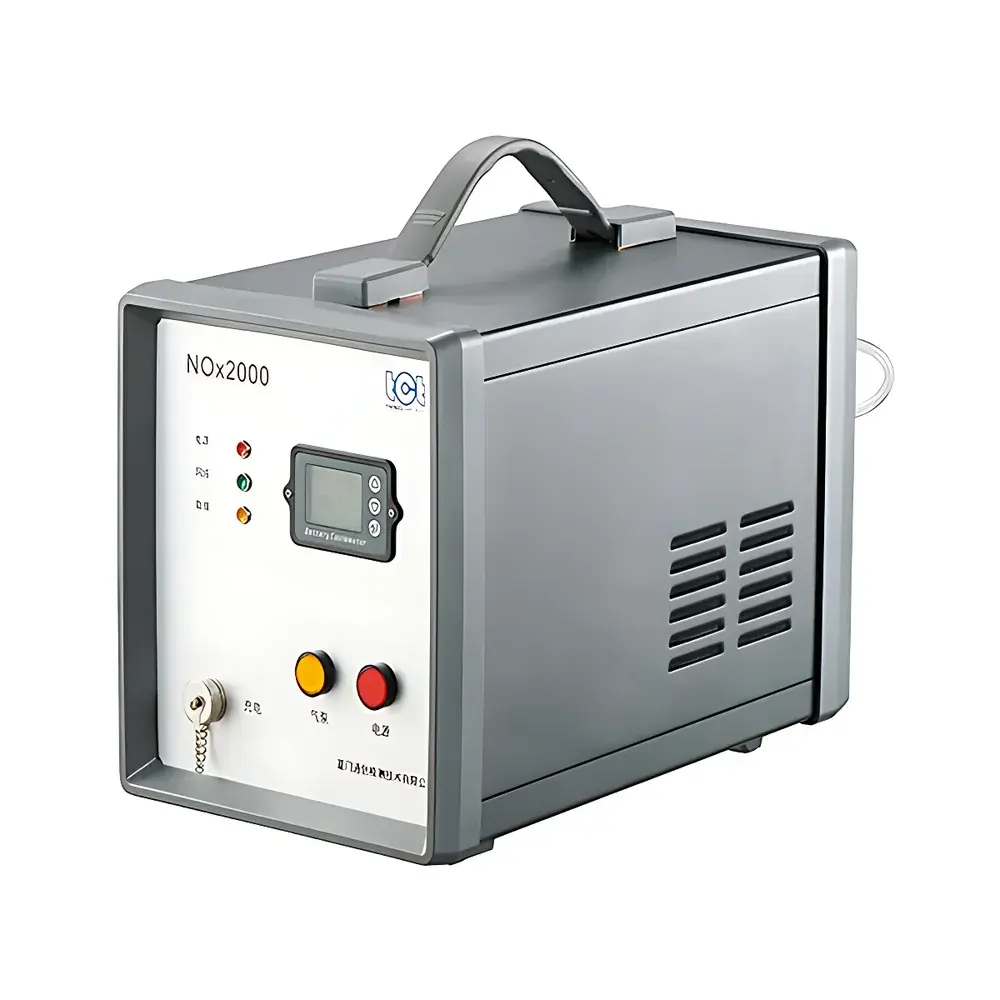
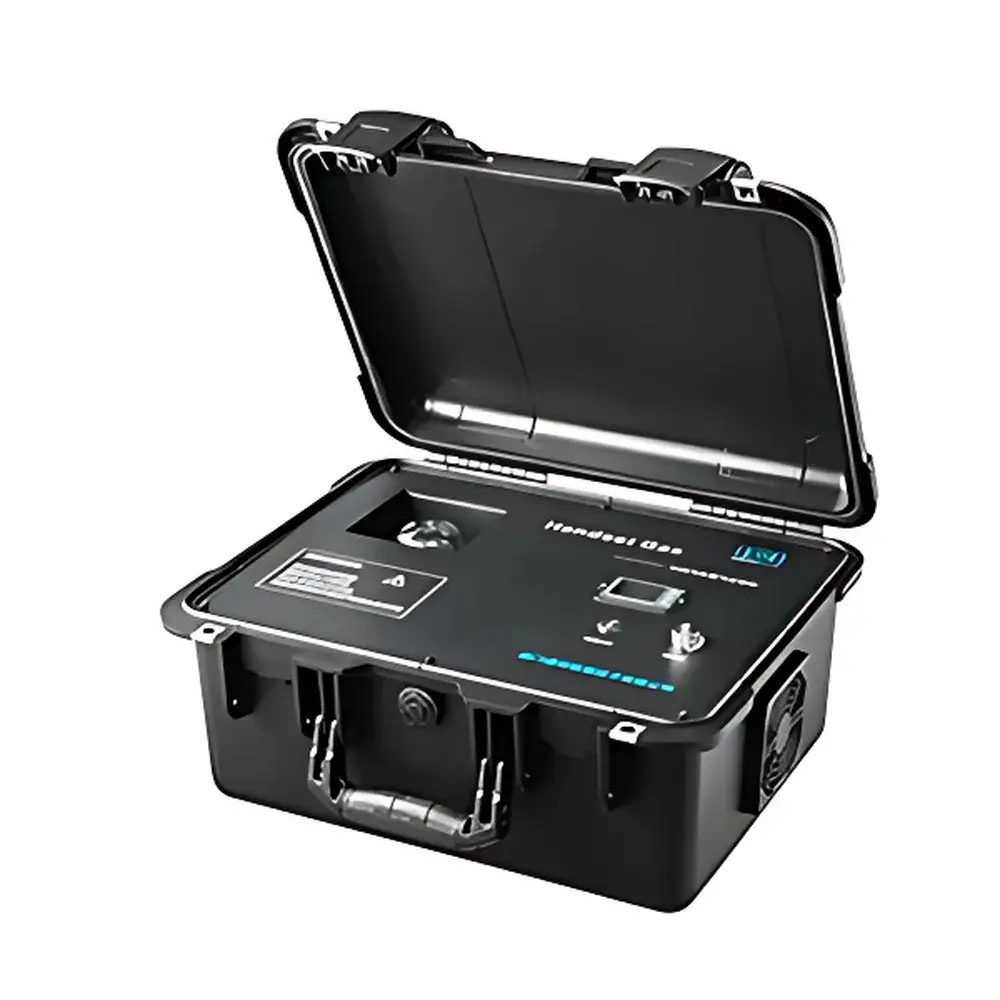
The TCT VRMS 1000 Mobile Emission Enforcement & Supervisory Spot-Check System is a field-deployable, regulatory-grade platform engineered for real-time, on-road enforcement and compliance verification of light-duty gasoline vehicles, heavy-duty diesel trucks, and non-road mobile machinery (NRMM). Unlike single-parameter analyzers, the VRMS 1000 integrates synchronized data acquisition from multiple certified portable emission measurement units—including NDIR-based exhaust gas analyzers (CO, CO₂, HC, NO), opacimeters for diesel smoke (filter-based or forward-scatter), rapid NOx analyzers (chemiluminescence or electrochemical), OBD-II protocol decoders, portable Linemann scale blackness meters, urea concentration analyzers (refractometric or NIR), and fuel quality testers (dielectric constant or FTIR-based). All instruments operate under standardized sampling protocols aligned with China’s GB 3847–2018 (diesel) and GB 18285–2018 (gasoline), while supporting traceability to national metrological verification procedures. The system architecture adheres to a distributed sensor fusion paradigm: raw analog/digital signals are time-stamped at source, normalized to common reference conditions (25°C, 101.3 kPa), and validated against internal diagnostic flags before ingestion into the central edge-processing unit.
Key Features
- Regulatory-compliant reporting engine generating audit-ready inspection work orders per MEE Order No. 15 (2021) and local environmental protection bureau templates.
- Hybrid connectivity mode: fully functional offline operation with local database caching (SQLite-based), automatic sync upon network restoration (4G/5G/Wi-Fi).
- Modular hardware interface supporting simultaneous connection of ≥8 heterogeneous devices via IEEE 802.11n Wi-Fi and RS-485/USB-C expansion ports.
- GIS-integrated dashboard with real-time vehicle location overlay, low-emission zone (LEZ) boundary mapping, and geofenced alerting for non-compliant NRMM entry.
- Role-based access control (RBAC) with three-tier permissions: field operator, team supervisor, and municipal regulatory auditor—each with immutable activity logs compliant with GB/T 22239–2019 (Information Security Technology).
- One-vehicle-one-file digital dossier aggregating VIN, license plate, OBD fault codes (SAE J1979), tailpipe emissions, fuel/urea composition, and inspector annotations—all encrypted using AES-256.
Sample Compatibility & Compliance
The VRMS 1000 accommodates diverse mobile source categories without modification: passenger cars (Euro 3–6), medium/heavy trucks (China IV–VI), construction equipment (e.g., excavators, loaders), agricultural tractors, and marine auxiliary engines. Detection limits meet or exceed requirements in HJ 845–2017 (field testing methodology) and HJ 1019–2019 (non-road diesel machinery). Calibration traceability is maintained through NIST-traceable span gases (certified by CNAS-accredited labs) and zero-air generators meeting ISO 8573-1 Class 1 purity standards. All software modules undergo annual validation per GLP principles, with electronic signatures and audit trails satisfying MEE’s Data Integrity Guidance (2022).
Software & Data Management
The embedded Linux-based EdgeOS v3.2 firmware runs a containerized microservice architecture: data ingestion (MQTT broker), validation (rule engine per GB 3847 Annex D), reporting (XSL-FO templating), and secure upload (TLS 1.3 + mutual authentication). Cloud synchronization uses RESTful APIs conforming to China’s “Ecological Environment Data Sharing Specification” (HJ 929–2017). Exported datasets include CSV/Excel reports with ISO 8601 timestamps, SHA-256 hash integrity checks, and optional PDF/A-2b archival format. Remote device management enables over-the-air firmware updates, sensor health monitoring (e.g., optical path contamination alerts), and diagnostic log retrieval—critical for maintaining chain-of-custody during legal proceedings.
Applications
- On-site roadside enforcement at highway checkpoints, urban traffic corridors, and logistics hubs.
- Supervisory spot-checks at construction sites, ports, airports, and industrial parks for NRMM compliance.
- Verification of I/M program effectiveness through longitudinal fleet-level trend analysis (e.g., NOx reduction post-retrofit).
- Cross-agency interoperability: direct integration with public security traffic management platforms (e.g., GA/T 1203–2014), I/M maintenance records, and provincial remote sensing monitoring networks.
- Environmental impact assessment of low-emission zones via spatiotemporal emission density mapping.
FAQ
Does the VRMS 1000 support remote calibration verification?
Yes—via secure SSH tunnel, authorized personnel can initiate automated zero/span checks using onboard reference cells and validate results against stored calibration certificates.
Can detection data be used as legal evidence in administrative penalties?
Yes—the system meets evidentiary requirements under China’s Administrative Penalty Law Article 46 and MEE’s “Guidelines on Evidence Collection in Environmental Law Enforcement” (2020), including tamper-proof timestamps, digital signatures, and full metadata capture.
Is the software compatible with existing municipal environmental monitoring platforms?
Yes—pre-certified API adapters are available for integration with major provincial platforms (e.g., Jiangsu EEMS, Guangdong EcoCloud) and comply with HJ 212–2017 communication protocols.
What happens if GPS signal is lost during testing?
Geolocation fallback uses cellular tower triangulation (3GPP TS 23.032) with <500 m accuracy; coordinates are tagged to each measurement record and reconciled post-hoc when GPS reacquires.
How is data security ensured during wireless transmission?
All radio communications use WPA3-Enterprise encryption; cloud uploads require dual-factor authentication and are routed through MEE-designated provincial data centers hosted on government-approved cloud infrastructure.
Related Products







