
TCT HSVV1000 On-road Opacity Monitoring System for Diesel Vehicle Smoke Emission Detection
| Brand | TCT |
|---|---|
| Origin | Fujian, China |
| Model | HSVV1000 |
| Instrument Type | Online Fixed-mount System |
| Measurement Principle | Video-based Opacity Analysis (Linke-Modified Ringelmann Scale) |
| Max. Permissible Error | ±1% opacity unit |
| Zero Drift | ≤1% over 24 h |
| Span Drift | ≤1% over 24 h |
| Repeatability | <2% RSD |
| False Positive Rate | ≤10% (clear-sky conditions) |
| False Negative Rate | ≤10% (clear-sky conditions) |
| License Plate Recognition Accuracy | ≥95% (clear-sky conditions) |
| Output Video Format | MP4/AVI |
| Network Bandwidth Requirement | 100 Mbps |
| Environmental Sensor Integration | Illuminance, Rain/Snow Intensity, Wind Speed, Ambient Temperature & Relative Humidity |
Overview
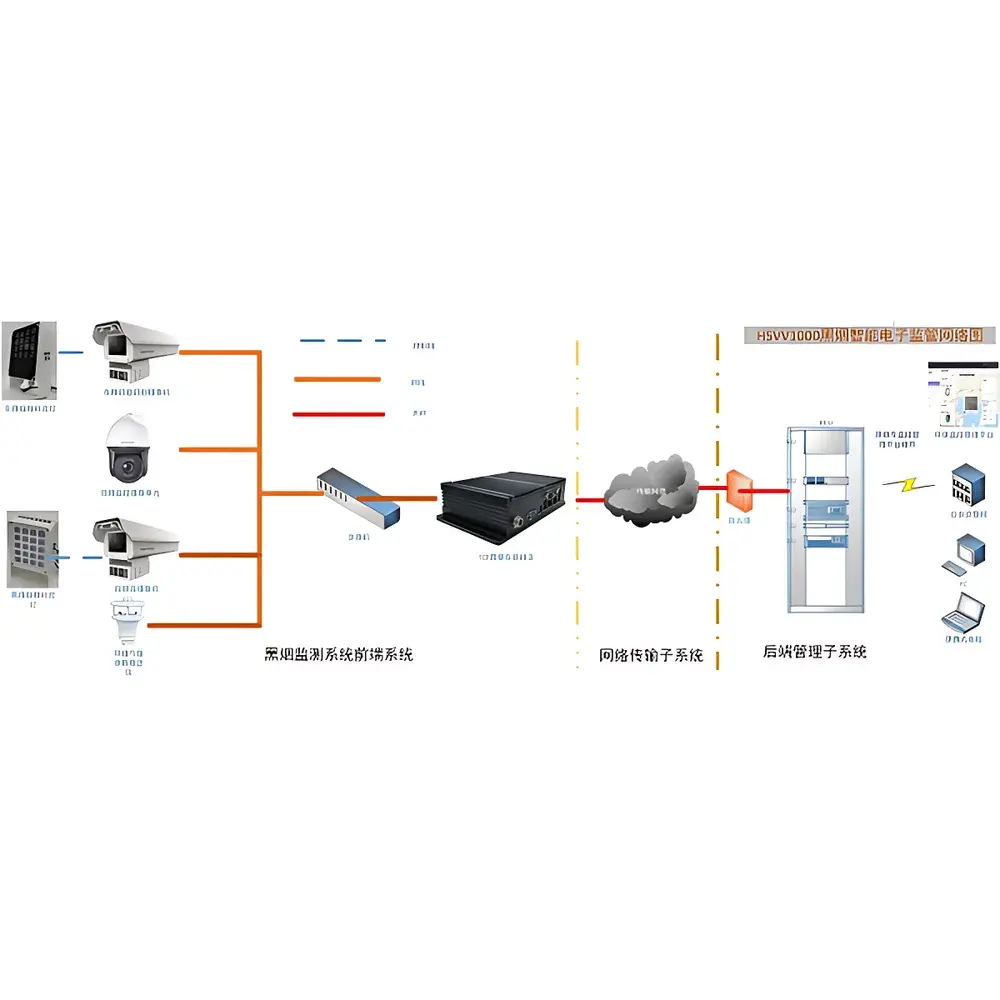
The TCT HSVV1000 On-road Opacity Monitoring System is an engineered solution for regulatory enforcement of diesel vehicle smoke emissions under real-world driving conditions. It operates on a video-based opacity analysis principle—leveraging high-resolution, high-frame-rate imaging combined with standardized Linke-modified Ringelmann scale algorithms to quantify exhaust plume darkness in compliance with internationally referenced visual opacity assessment methodologies (e.g., ISO 11614, ASTM D2156, and China’s HJ 637–2011). Unlike extractive gas analyzers, the HSVV1000 performs non-contact, in-motion measurement without requiring vehicle stoppage or sampling probes. The system captures synchronized multi-angle imagery—including front, rear, and license plate views—alongside time-stamped, georeferenced video clips (≥5 seconds per event) that preserve evidentiary integrity for administrative review and legal proceedings.
Key Features
- Real-time, motion-tolerant black smoke detection during both dynamic (driving) and static (idling) vehicle operation
- Automated Linke-modified Ringelmann grade classification (0–5 scale) with traceable algorithmic calibration against NIST-traceable grayscale references
- Integrated environmental sensor suite (illuminance, precipitation intensity, wind speed, ambient temperature, and relative humidity) enabling adaptive image processing compensation
- Intelligent LED auxiliary lighting control—automatically activated/deactivated based on ambient illuminance thresholds to maintain consistent contrast in low-light conditions
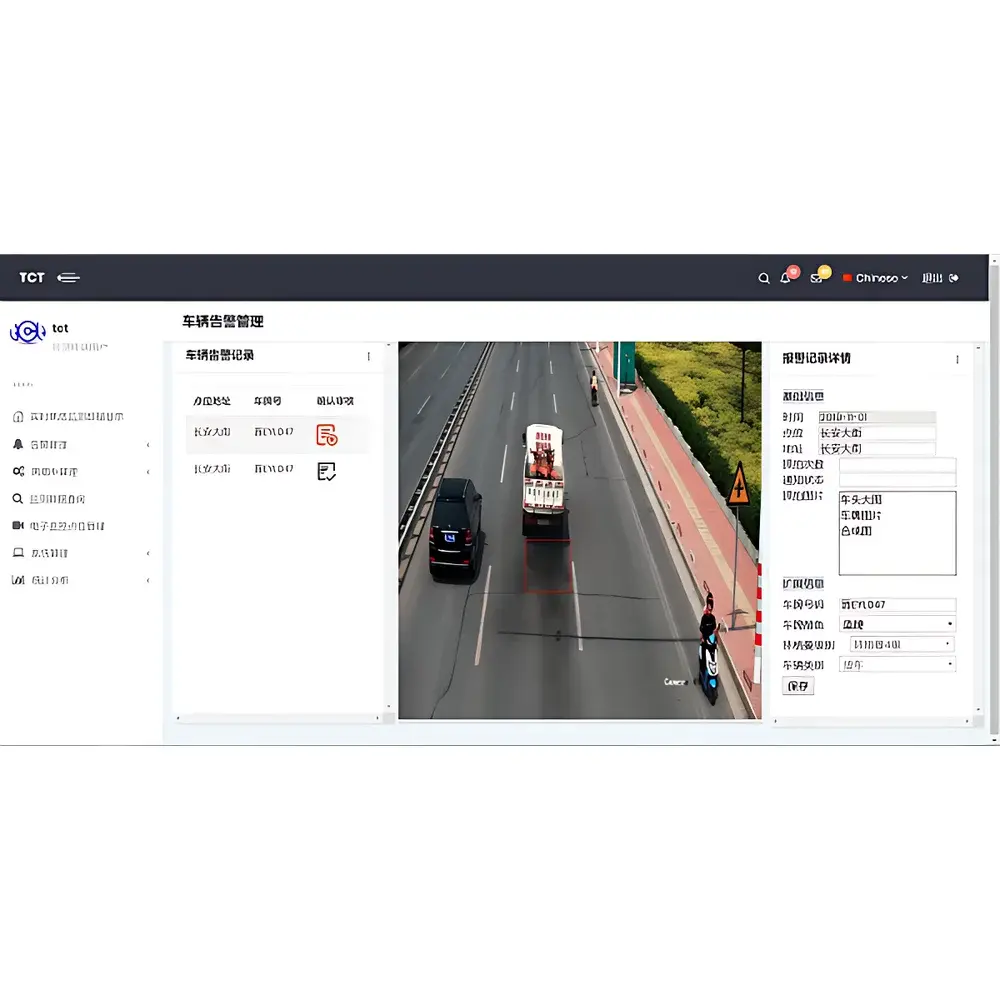
- End-to-end evidence chain generation: timestamped video, still frames (front/rear/license), metadata logs (GPS, weather, algorithm confidence score), and digital signature for tamper-evident archiving
- Configurable operational modes: fully autonomous 24/7 monitoring, scheduled activation windows, or manual trigger via remote dashboard
Sample Compatibility & Compliance
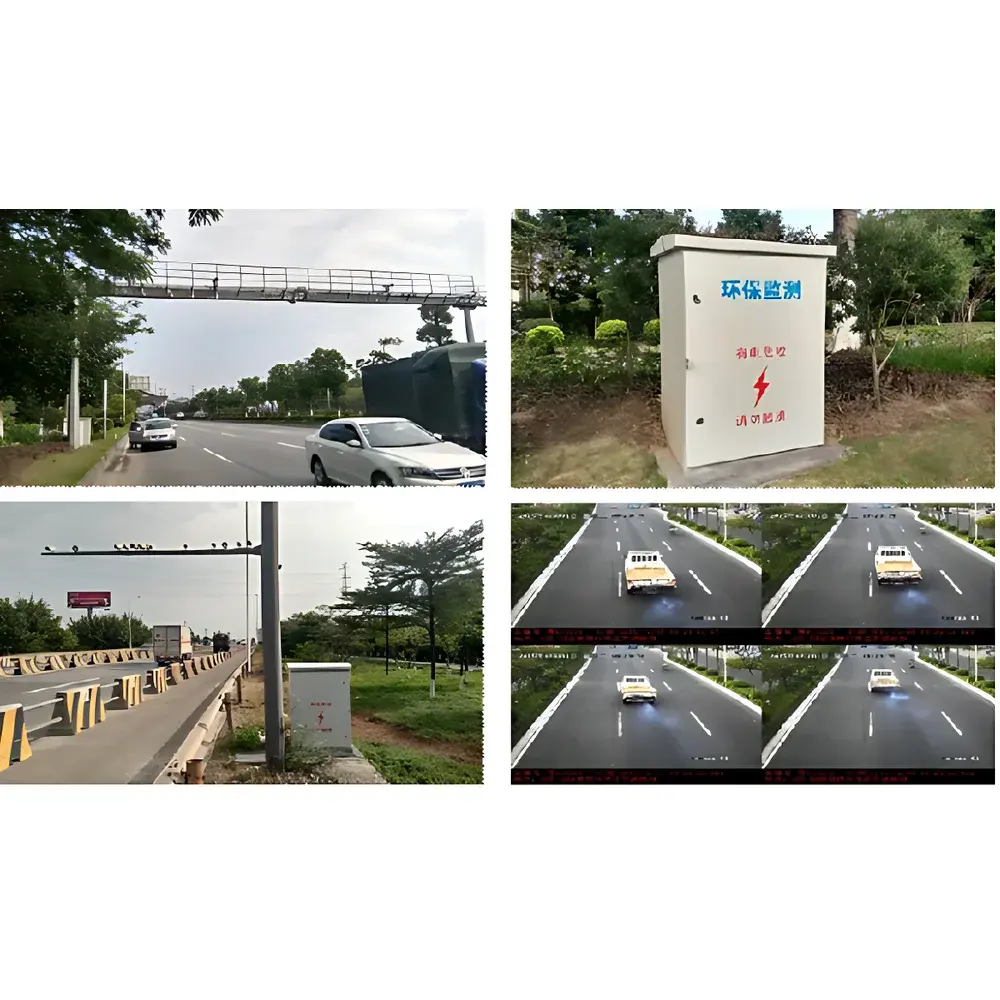
The HSVV1000 is designed for deployment at fixed roadside locations—including urban arterials, freight corridors, port access roads, and municipal inspection checkpoints—to monitor light-duty and heavy-duty diesel-powered vehicles. It complies with Chinese national standard HJ 637–2011 (“Technical Specification for On-Road Monitoring of Diesel Vehicle Smoke Opacity”) and aligns with functional requirements outlined in EU Directive 2014/45/EU Annex IV (roadworthiness testing) and U.S. EPA Method 22 (Visual Determination of Smoke Emissions). All captured data—including raw video, processed opacity values, and environmental metadata—adhere to audit-ready formatting per GLP-compliant documentation practices. System firmware supports configurable retention policies and encrypted export protocols suitable for integration into municipal environmental information platforms or provincial emission supervision centers.
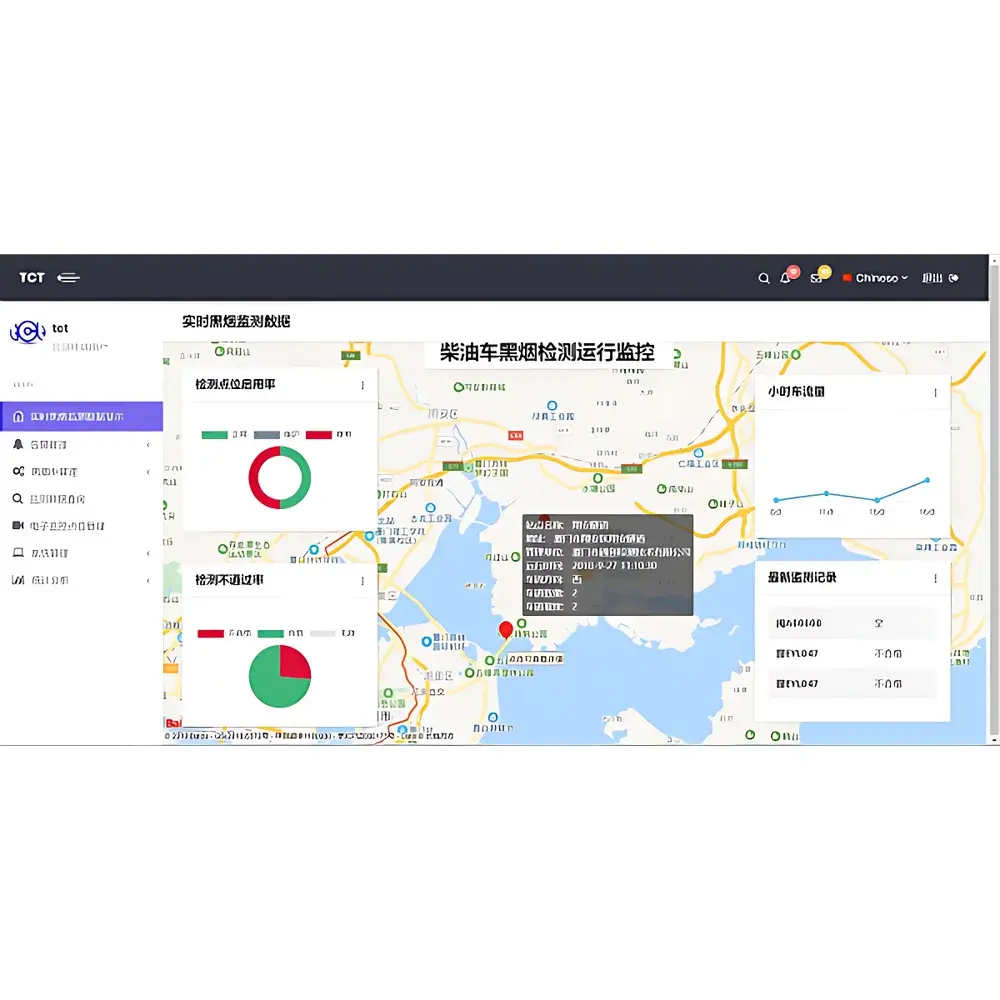
Software & Data Management
The embedded processing platform runs TCT’s proprietary VisionTrace™ analytics engine, featuring dual-mode inference (CPU + GPU-accelerated) for concurrent real-time analysis and batch reprocessing. The web-based management interface (HTTPS/TLS 1.2+) provides role-based access control (RBAC) with three-tier permission levels: operator, auditor, and administrator. All user actions—including manual review, evidence annotation, penalty issuance, and database queries—are logged with immutable timestamps and IP traceability to satisfy 21 CFR Part 11 audit trail requirements. Data export supports CSV (structured metrics), MP4 (evidence video), and XML (metadata schema compliant with ISO/IEC 11179). RESTful API endpoints enable interoperability with third-party traffic management systems (e.g., GA/T 1146–2013 interfaces), public notice portals, and law enforcement databases.
Applications
- Municipal air quality enforcement programs targeting visible diesel smoke violations
- Port authority compliance verification for inbound/outbound commercial fleets
- Regional transportation departments conducting routine opacity screening on high-volume freight routes
- Environmental protection bureaus performing targeted surveillance near sensitive receptors (schools, hospitals, residential zones)
- Research institutions collecting long-term, location-specific opacity trend datasets for epidemiological correlation studies
- Integration into smart city infrastructure as part of integrated traffic–emission–weather monitoring networks
FAQ
What standards does the HSVV1000 reference for opacity quantification?
It implements the Linke-modified Ringelmann scale per HJ 637–2011 and incorporates correction factors aligned with ISO 11614 Annex B for ambient lighting and atmospheric scattering effects.
Can the system operate reliably in rain, fog, or low-light conditions?
Yes—integrated meteorological sensors feed real-time compensation parameters to the image processing pipeline; auxiliary lighting activates automatically below 50 lux, and algorithmic contrast normalization maintains detection stability up to 15 mm/h rainfall intensity.
How is data integrity ensured for legal admissibility?
Each detection event generates a digitally signed evidence package containing SHA-256 hashed video, EXIF metadata, environmental logs, and algorithm version stamp—stored redundantly across local SSD and network-attached storage with write-once-read-many (WORM) policy enforcement.
Is the system compatible with existing municipal traffic camera networks?
Yes—via ONVIF Profile S compliance for video streaming and support for RTSP, HTTP POST, and MQTT protocols; custom integration kits are available for legacy GA/T 1146–2013 or JT/T 808–2019 deployments.
What maintenance intervals are recommended for optical calibration?
Field verification using certified gray-scale targets is advised every 90 days; automated self-diagnostic routines run hourly to monitor lens soiling, illumination uniformity, and sensor drift—triggering maintenance alerts when deviation exceeds ±0.5% opacity unit threshold.







