
TCT NRMM1000 Non-Road Mobile Machinery Remote Emission Monitoring Platform
| Brand | TCT (Xiamen Tongchuang) |
|---|---|
| Origin | Fujian, China |
| Manufacturer Type | Authorized Distributor |
| Country of Origin | China |
| Model | NRMM1000 |
| Price Range | USD 1,400 – 14,000 |
Overview
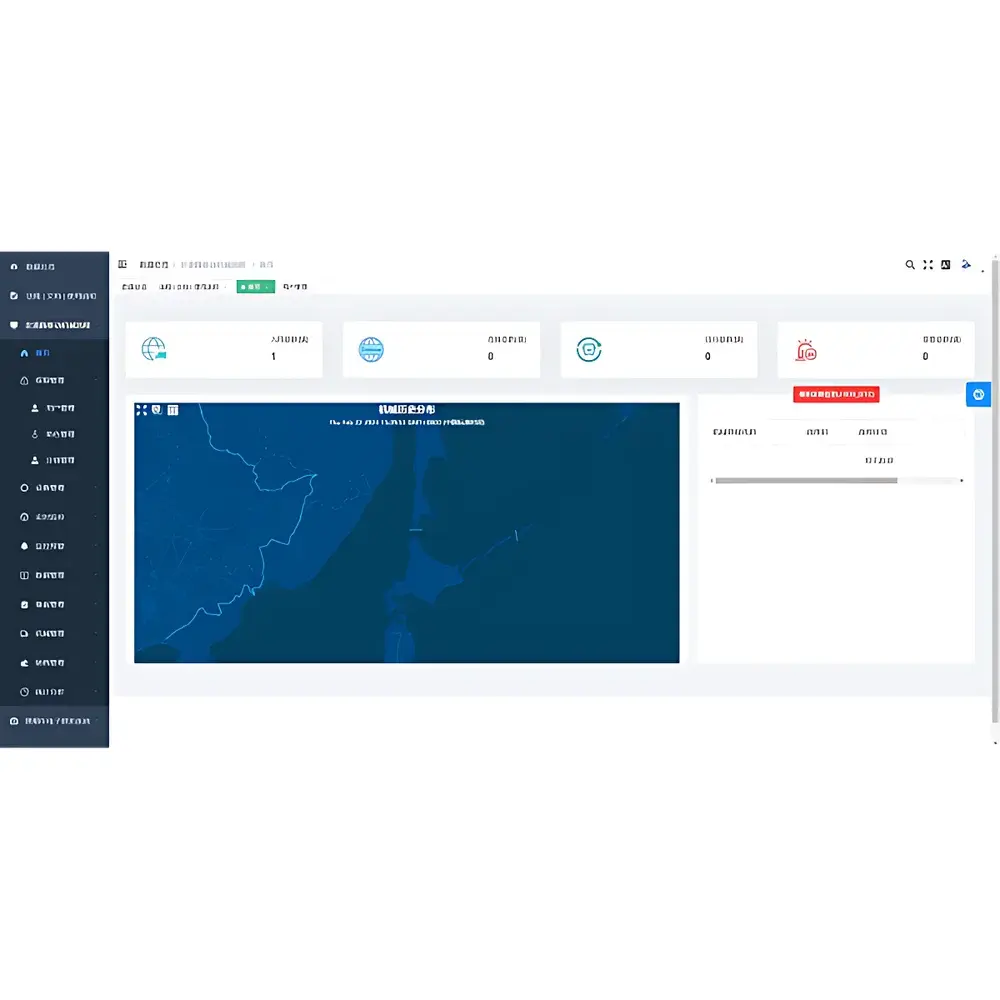
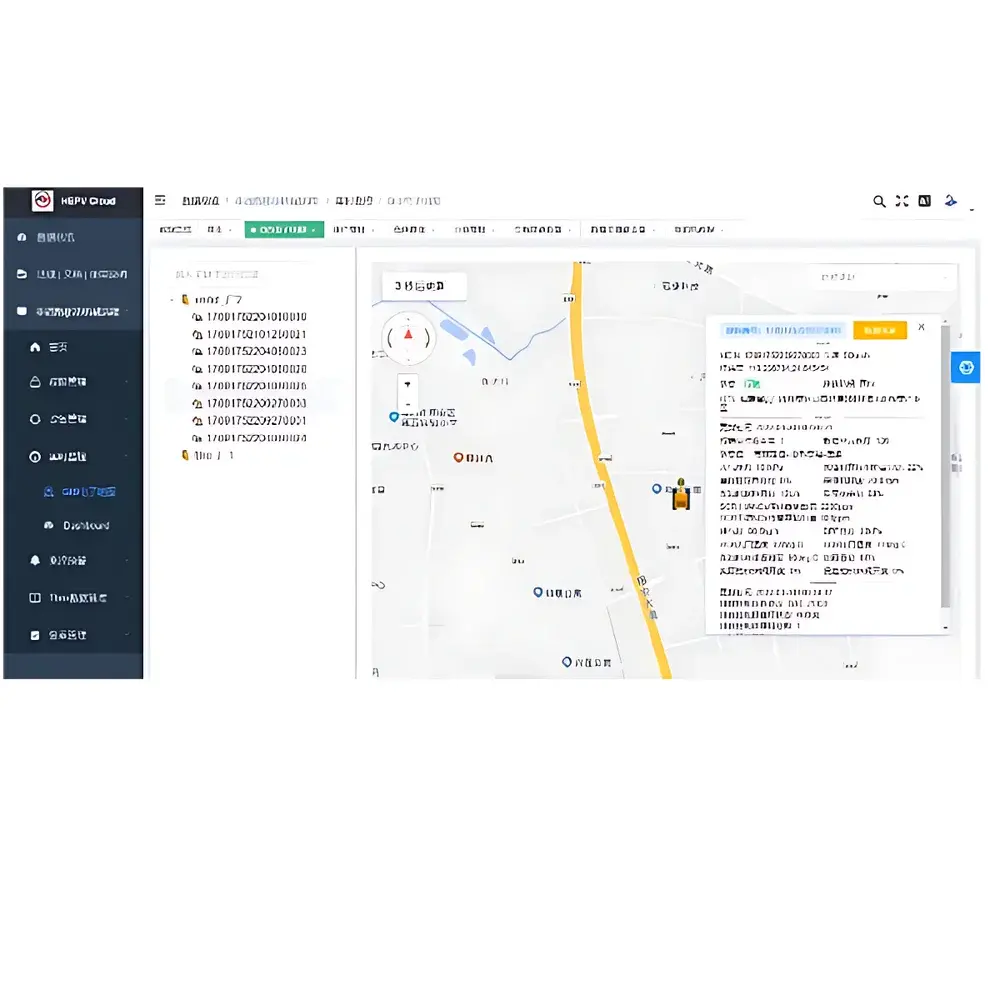
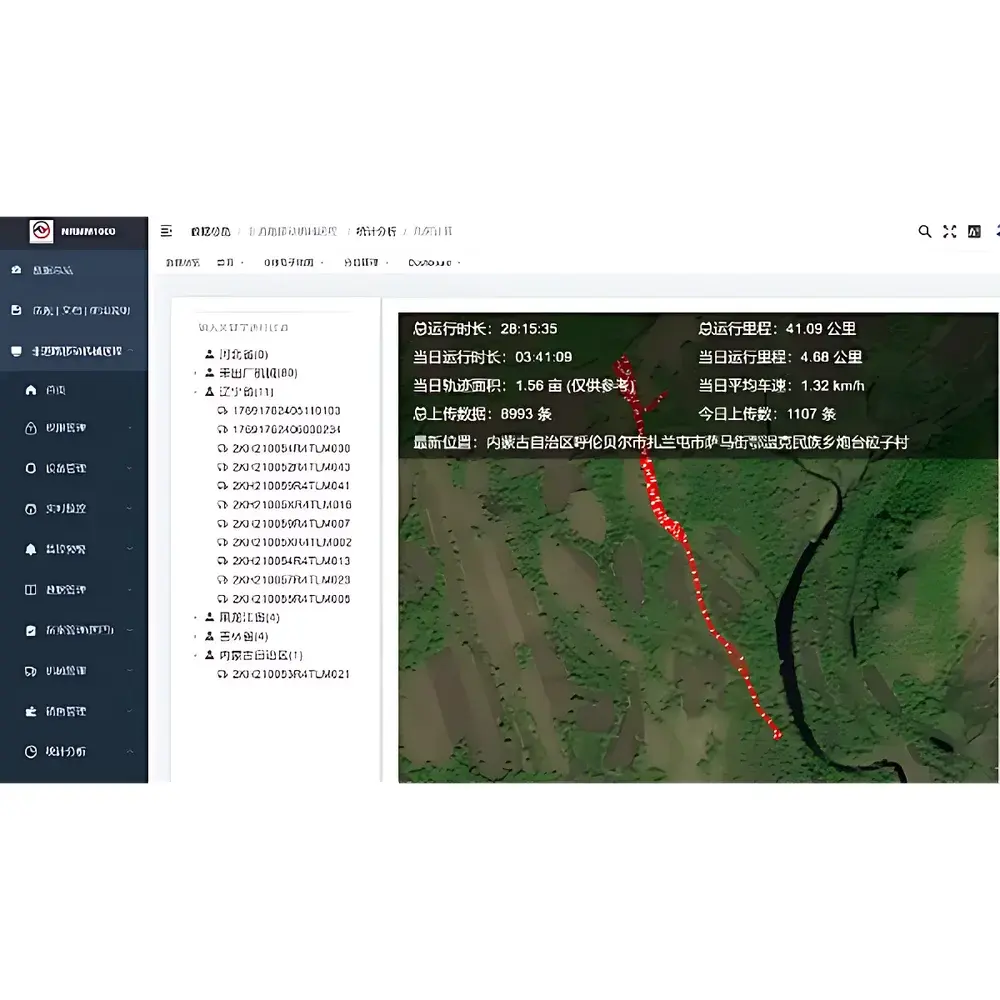
The TCT NRMM1000 Non-Road Mobile Machinery (NRMM) Remote Emission Monitoring Platform is an industrial-grade telematics and regulatory compliance system engineered for continuous, real-time monitoring of emission-related parameters from off-road diesel-powered machinery—including construction equipment, agricultural tractors, material handlers, and industrial generators—operating under China’s GB 20891-2014 (Stage IV) and subsequent national emission regulations. The platform integrates embedded OBD-II/EOBD-compliant vehicle communication protocols (SAE J1939, ISO 15765, ISO 27145) with high-precision dual-mode GNSS (GPS + BeiDou), enabling synchronized acquisition of engine operating parameters (RPM, torque, fuel rate, SCR/DPF status), aftertreatment sensor outputs (NOx, PM, temperature, differential pressure), and georeferenced operational metadata. All data are transmitted via LTE Cat-1 or legacy 2G/GPRS networks to a secure, ISO/IEC 27001-aligned cloud infrastructure. The system fulfills the mandatory connectivity and data reporting requirements defined in the Ministry of Ecology and Environment (MEE) Technical Specification for Remote Emission Management Systems (HJ 1014–2020) and serves as a foundational component for post-sale production consistency (PC) and in-use conformity (IUC) verification.
Key Features
- Regulatory-compliant registration module supporting cryptographic identity binding of onboard terminals (T-OBX series), mechanical assets, safety chips (GM/T 0028–2014), and lifecycle events (e.g., terminal replacement, ownership transfer)
- Real-time telemetry ingestion for NRMM ≥37 kW, including engine control unit (ECU) data streams, aftertreatment diagnostic trouble codes (DTCs), GPS/BD positioning accuracy ≤5 m (CEP), and motion state classification (idle/working/moving)
- Multi-level alerting engine with configurable thresholds for tampering detection (e.g., DPF removal, SCR catalyst bypass), emissions exceedance (NOx, PM), and communication loss (>15 min)
- Distributed architecture supporting ≥1 million concurrent terminal connections using Kafka-based message queuing, Redis cluster caching, and Nginx load balancing
- End-to-end data integrity protection via SM2/SM4 cryptographic modules, TLS 1.2+ encrypted transport, and digital signature/verification middleware compliant with GM/T 0015–2012
- Unified data fusion layer integrating OBD, portable emission measurement system (PEMS), and opacimeter (smoke meter) data streams into a time-aligned, event-correlated analytical schema
Sample Compatibility & Compliance
The NRMM1000 platform supports Class III and IV non-road diesel engines per GB 20891–2014, with native protocol support for major OEM ECUs (Weichai, Yuchai, Cummins China, Deutz Tianjin). It complies with MEE HJ 1014–2020 for data format, transmission frequency (minimum 1 Hz for critical parameters), and interface specifications with the National NRMM Supervision Platform. All data storage, audit logging, and user access controls adhere to China’s Cybersecurity Law (CSL) and the Personal Information Protection Law (PIPL) requirements for industrial IoT systems. The platform architecture has been validated for GLP-aligned data traceability and supports FDA 21 CFR Part 11–style electronic record integrity where required for OEM quality assurance workflows.
Software & Data Management
The cloud-native application layer is built on a microservices framework (Spring Cloud) deployed across Kubernetes-managed clusters. Time-series data are indexed using a custom-built TSDB optimized for high-write throughput and sub-second query latency. Analytical workloads leverage Apache Spark for batch processing (e.g., fleet-wide NOx trend analysis over 90 days) and Apache Flink for real-time stream computation (e.g., dynamic emission factor estimation per machine model). The platform provides RESTful APIs (OAuth 2.0 secured) for integration with enterprise MES, ERP, and maintenance management systems. Audit trails record all data modifications, user logins, and configuration changes with immutable timestamps—supporting internal compliance reviews and third-party regulatory audits.
Applications
- OEM post-certification monitoring for production consistency (PC) validation across assembly lines and dealer networks
- Municipal and provincial environmental bureaus performing in-use conformity (IUC) surveillance and hotspot identification
- Fleet operators managing maintenance scheduling, fuel efficiency optimization, and emissions-based taxation compliance
- Third-party testing institutions conducting remote verification of aftertreatment system functionality during field operations
- Research institutes analyzing real-world emission factors (RWEFs) under diverse duty cycles and ambient conditions
FAQ
Does the NRMM1000 platform support integration with existing enterprise IT systems?
Yes—via documented RESTful APIs and optional OPC UA gateway modules for industrial automation environments.
Is the T-OBX onboard terminal certified for electromagnetic compatibility (EMC) and environmental durability?
All T-OBX variants meet GB/T 28046.2–2019 (automotive EMC) and IP67 ingress protection standards, with extended temperature operation from −40 °C to +85 °C.
How does the system handle intermittent network connectivity in remote construction sites?
The T-OBX terminal includes local flash storage (≥32 GB) with configurable offline buffering and automatic resynchronization upon network recovery.
Can the platform generate reports compliant with MEE reporting templates?
Yes—the reporting engine exports standardized XML/JSON payloads aligned with HJ 1014–2020 Annexes A–D, including daily emission summaries, fault code logs, and geo-fencing violation records.
What level of data encryption is applied during transmission and at rest?
All communications use TLS 1.2+ with SM4 cipher suites; stored data are encrypted at rest using AES-256-GCM with hardware-backed key management per GM/T 0028–2014.
Related Products







