
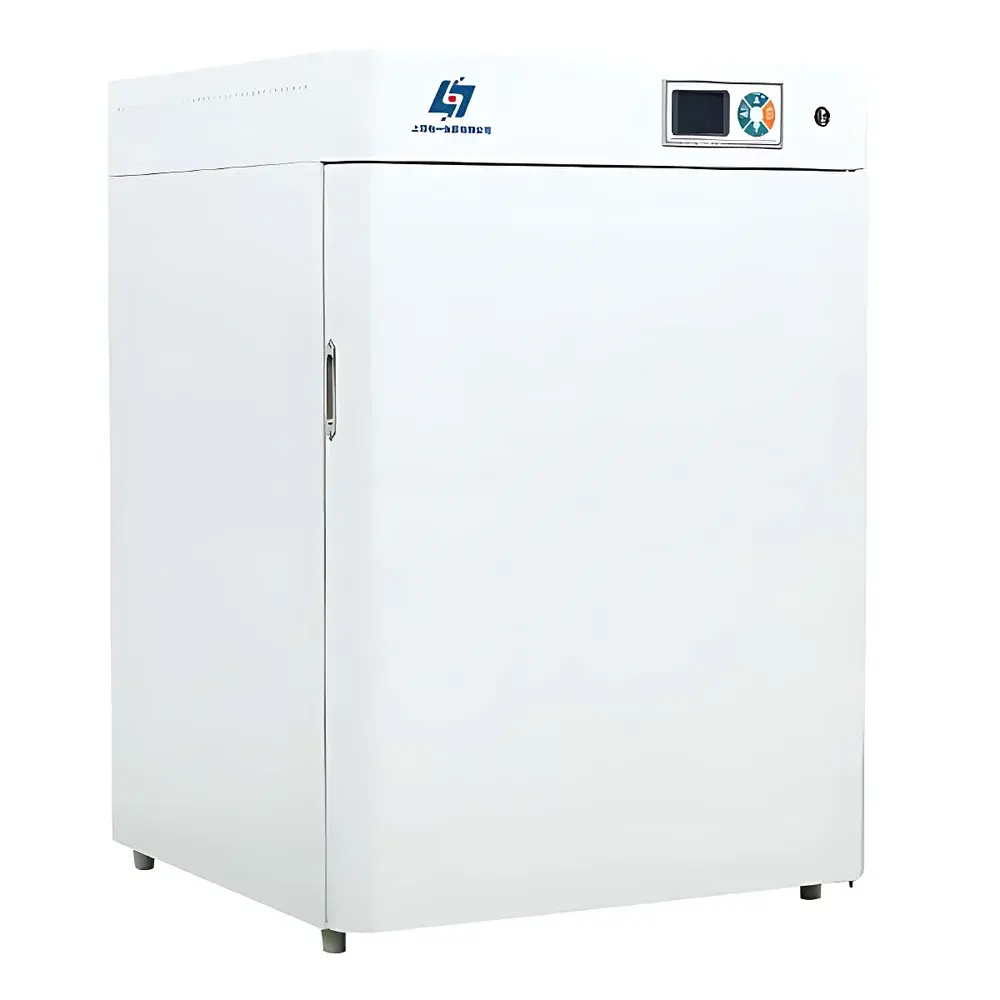
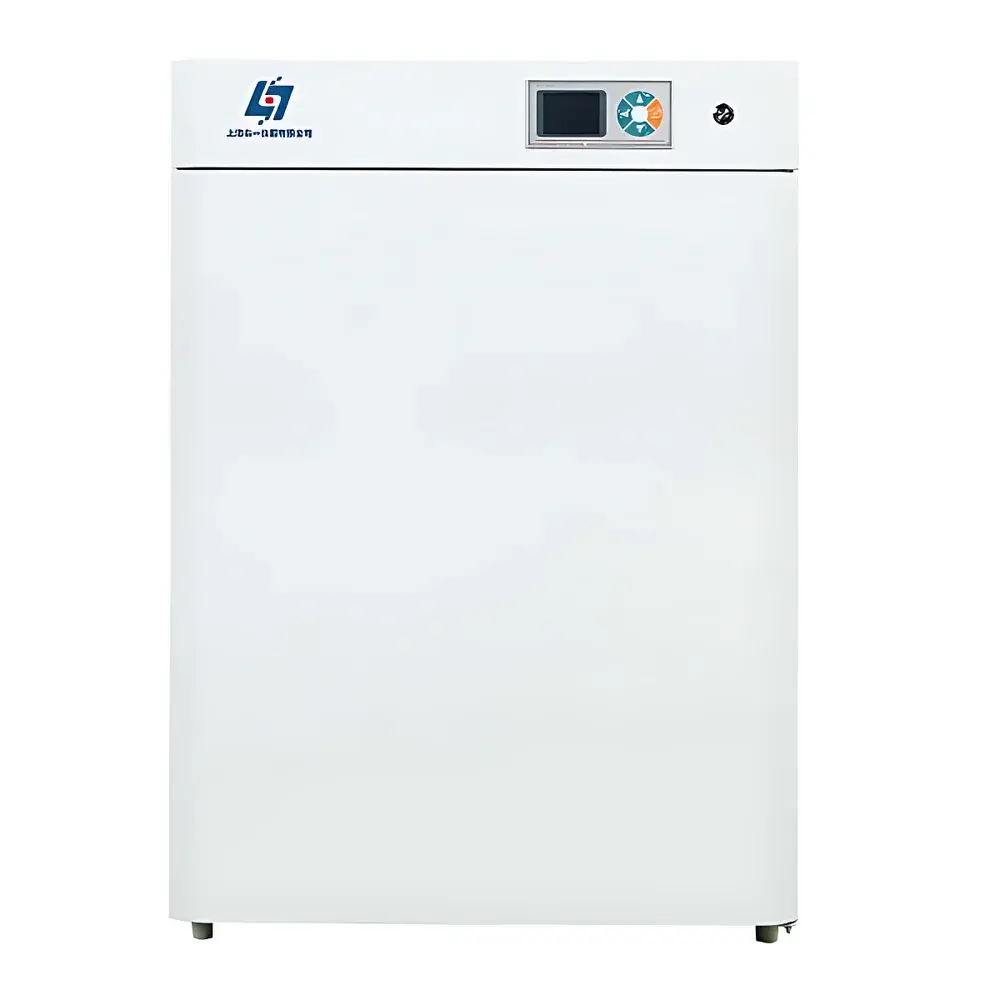
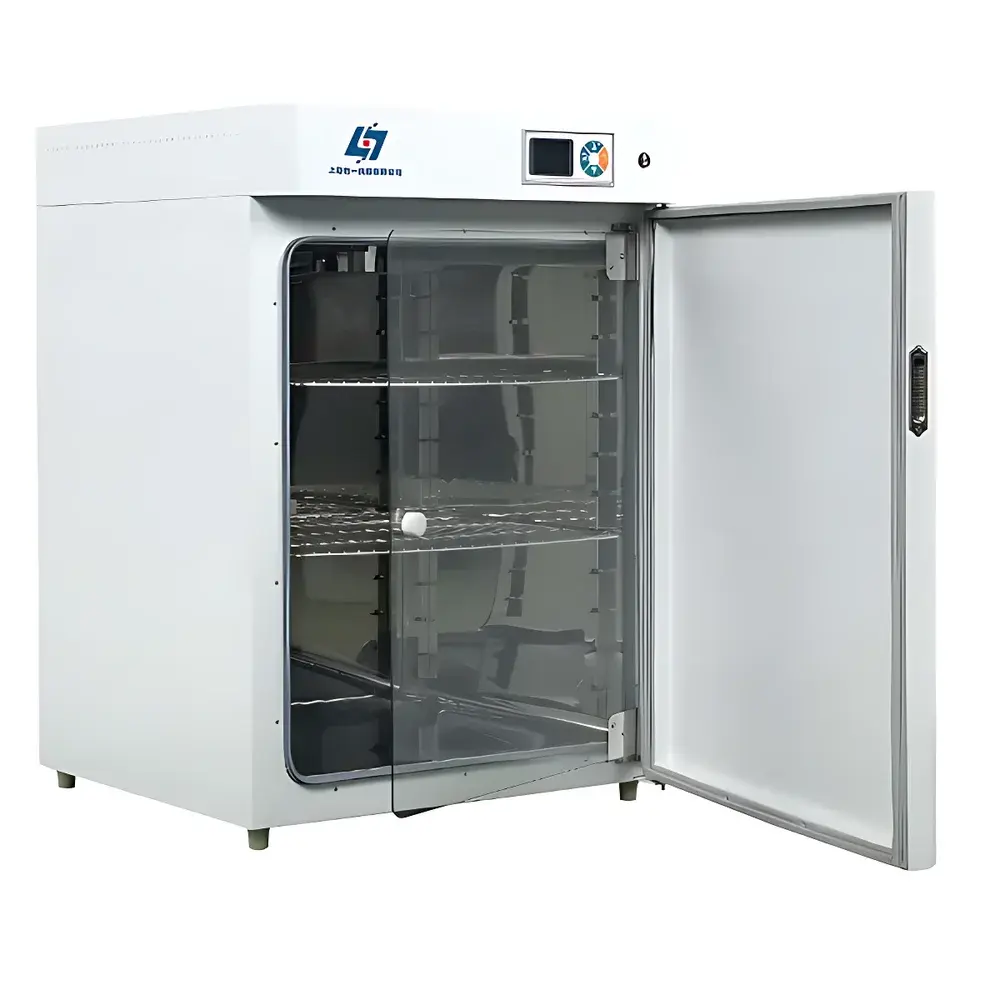
Yoyilab DHP-9052 Forced-Air Biochemical Incubator
| Brand | Yoyilab |
|---|---|
| Origin | Shanghai, China |
| Manufacturer | Yoyilab Instruments Co., Ltd. |
| Model | DHP-9052 |
| Heating Method | Electric |
| Air Circulation | Forced convection |
| Temperature Range | RT+5°C to 65°C |
| Temperature Resolution | 0.1°C |
| Temperature Uniformity | ±1.5°C at 37°C |
| Temperature Fluctuation | ±0.5°C |
| Chamber Capacity | 50 L |
| External Dimensions (W×D×H) | 475 × 460 × 695 mm |
| Power Supply | AC 220 V, 50 Hz |
| Input Power | 250 W |
| Control Interface | 5.7-inch LCD touchscreen controller |
| Safety Features | Dual-limit temperature protection (standard + optional independent overtemperature cutoff) |
| Compliance | Designed for GLP-compliant laboratory environments |
Overview
The Yoyilab DHP-9052 is a compact, microprocessor-controlled forced-air biochemical incubator engineered for precise and stable thermal environments in life science laboratories. Utilizing a high-efficiency axial fan and optimized internal airflow architecture, the unit ensures uniform heat distribution across its 50 L stainless-steel chamber—critical for reproducible microbial growth, cell culture maintenance, enzyme activity assays, and stability testing of biological reagents. Its operational range spans from ambient +5°C to 65°C, making it suitable for mesophilic bacterial cultivation (e.g., E. coli, Bacillus subtilis), fungal propagation, and short-term tissue storage. The incubator complies with fundamental design principles outlined in ISO 13408-1 (aseptic processing) and aligns with general Good Laboratory Practice (GLP) infrastructure requirements for environmental control equipment.
Key Features
- Forced-air convection system with adjustable-speed blower (optional upgrade) ensures rapid temperature recovery and minimizes thermal stratification
- High-precision PID temperature controller with 0.1°C resolution and ±0.5°C fluctuation tolerance under no-load conditions
- Double-door structure with magnetic silicone gasket and low-emissivity glass window maintains thermal integrity during observation
- Electropolished 304 stainless-steel interior chamber with radius-corner geometry facilitates cleaning and reduces contamination risk
- Three-position adjustable stainless-steel shelving (3 standard trays included) accommodates varied vessel configurations (petri dishes, flasks, multiwell plates)
- Intelligent power-loss recovery function retains setpoint and timer data during unexpected outages
- Dual-stage overtemperature protection: primary microcontroller-based limit + optional independent mechanical cut-off switch (UL-listed thermal fuse)
- 5.7-inch backlit LCD interface displays real-time temperature, setpoint, elapsed time, and alarm status simultaneously
Sample Compatibility & Compliance
The DHP-9052 supports a broad spectrum of biological and biochemical samples, including agar plates, liquid cultures in Erlenmeyer flasks (up to 1 L), suspension cells in T-flasks, and diagnostic assay kits requiring defined thermal conditioning. Its chamber dimensions (345 × 355 × 410 mm) accommodate standard labware without crowding, while the 1.5°C uniformity specification at 37°C meets ASTM E122-22 criteria for validation of incubation performance in microbiological testing. Though not certified to IEC 61010-1 as a standalone medical device, the unit incorporates safety-rated components—including reinforced insulation, grounded chassis, and Class II electrical isolation—to satisfy general laboratory equipment safety expectations per EN 61010-1. Optional inert gas inlet (N₂/CO₂) enables anaerobic or modified-atmosphere applications when paired with external gas regulators.
Software & Data Management
While the base model operates via embedded firmware, the optional RS485 serial interface (Modbus RTU protocol) enables integration into centralized laboratory information management systems (LIMS) or SCADA platforms. When connected to a host PC running compliant data acquisition software, users can configure continuous temperature logging, generate CSV-formatted reports, and apply timestamped annotations for audit trails—supporting adherence to FDA 21 CFR Part 11 requirements when combined with user-access controls and electronic signature workflows. An optional thermal printer provides hard-copy output of temperature profiles during qualification runs (IQ/OQ/PQ), facilitating documentation for ISO/IEC 17025-accredited labs. All firmware updates are delivered via USB port without requiring disassembly.
Applications
- Microbiological quality control in food, pharmaceutical, and cosmetic manufacturing facilities
- Teaching labs for undergraduate microbiology and molecular biology courses
- Short-term storage of hybridoma cells or primary isolates prior to cryopreservation
- Enzyme kinetics studies requiring tightly controlled thermal conditions
- Stability assessment of diagnostic reagents per ICH Q1A(R2) guidelines
- Environmental simulation for biodegradation or bioremediation experiments
- Pre-incubation of media before sterilization or inoculation steps
FAQ
What is the recommended calibration frequency for the DHP-9052?
Annual verification using NIST-traceable thermistors or calibrated data loggers is advised; more frequent checks (quarterly) are recommended in regulated environments.
Can the DHP-9052 be used for CO₂-dependent cell culture?
No—it lacks integrated CO₂ sensing, humidification, or gas mixing capabilities; use only for ambient-air or inert-gas supplemented applications.
Is the unit suitable for GMP cleanroom installation?
Yes, provided the external surface finish meets ISO 14644-1 Class 7 particulate limits and static-dissipative flooring is used; optional HEPA-filtered air intake kit available.
Does the incubator support remote monitoring via Ethernet or Wi-Fi?
Not natively; RS485-to-Ethernet gateways may be deployed externally to enable networked access.
How is temperature uniformity validated during installation qualification?
Per ISO 14644-3 Annex B, nine-point mapping (center + eight corners) at 37°C over 3 hours, with probes traceable to national standards, is the accepted method.
Related Products




