
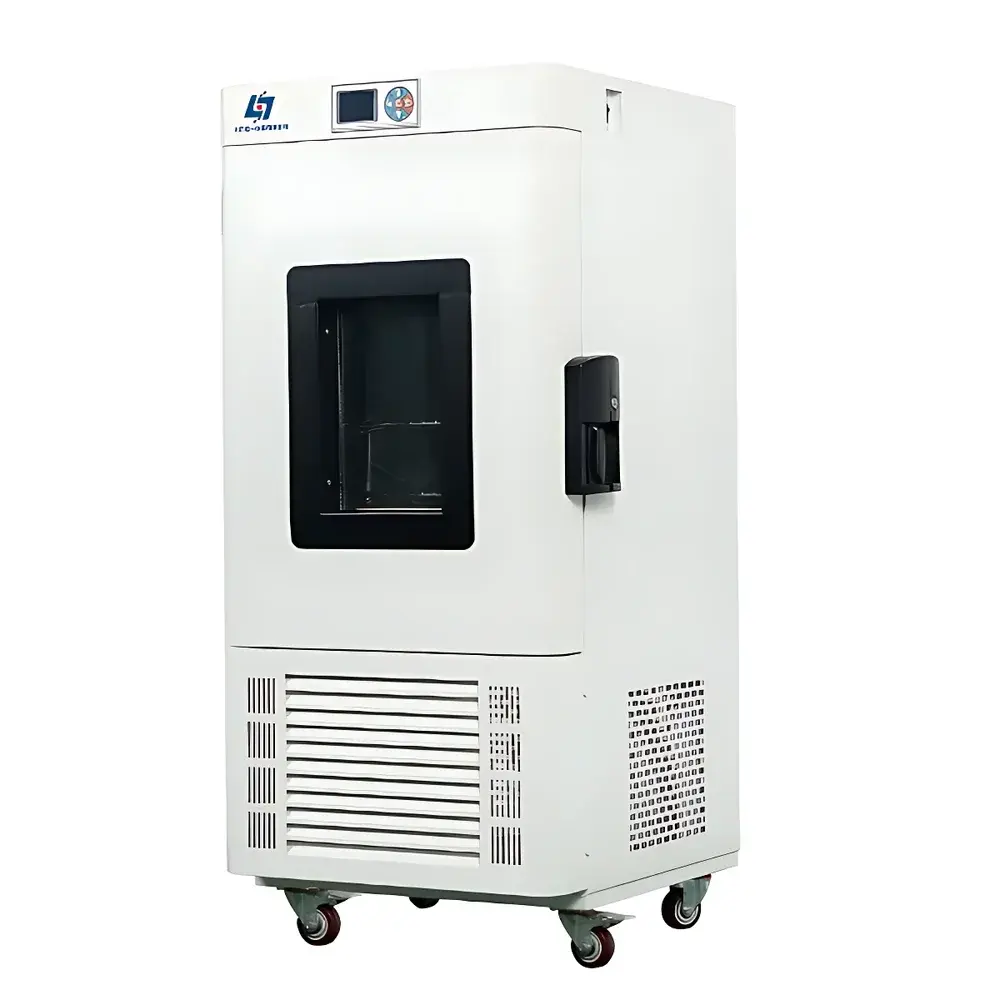
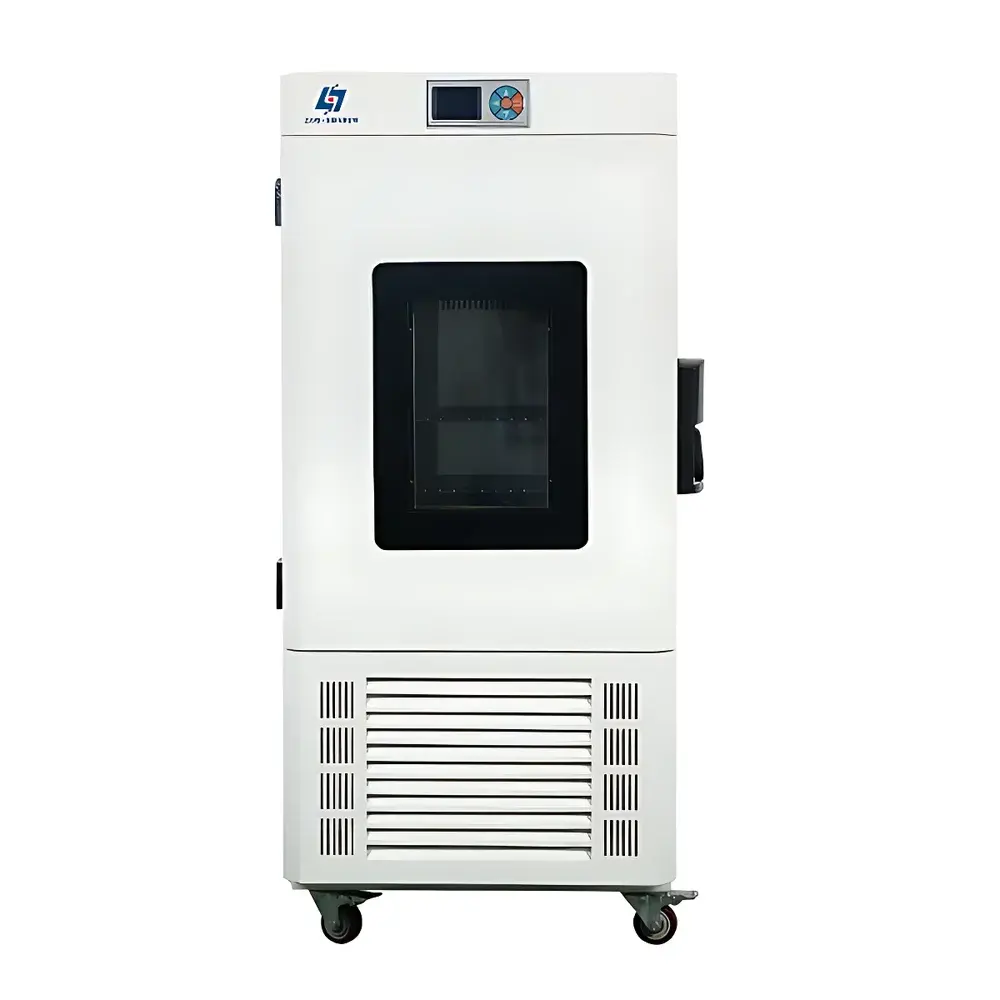
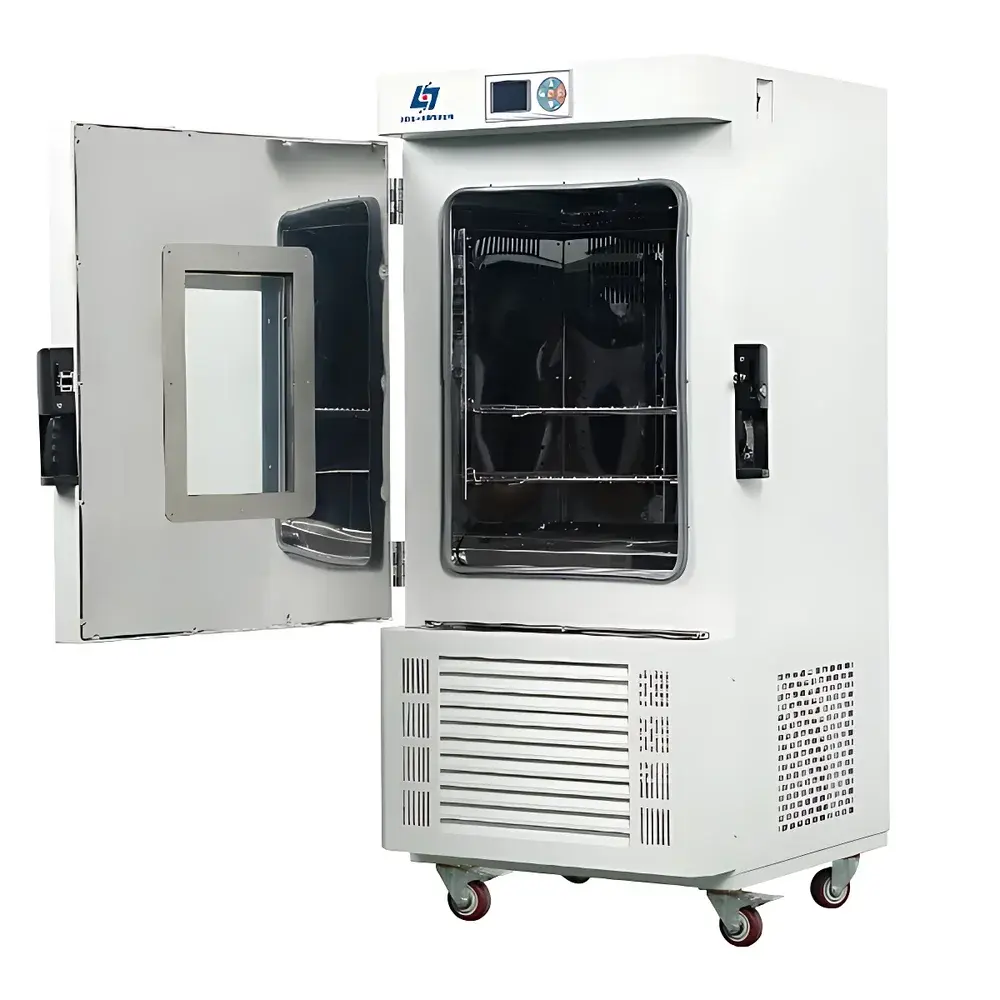
Shanghai Youyi LRH-150AL Low Temperature Incubator
| Brand | Shanghai Youyi (SHYY) |
|---|---|
| Origin | Shanghai, China |
| Manufacturer Type | Direct Manufacturer |
| Country of Origin | China |
| Model | LRH-150AL |
| Cooling Method | Compressor-based refrigeration |
| Temperature Range | −20 °C to +65 °C |
| Temperature Resolution | 0.1 °C |
| Temperature Uniformity | ±0.5 °C (at high and low setpoints) |
| Chamber Capacity | 150 L |
| External Dimensions | 770 × 825 × 1745 mm (W × D × H) |
Overview
The Shanghai Youyi LRH-150AL Low Temperature Incubator is an engineered environmental chamber designed for precise, stable, and reproducible temperature control across a broad operational range—from cryogenic storage conditions at −20 °C to elevated incubation temperatures up to +65 °C. Built on compressor-based refrigeration architecture with R134a/R406a eco-friendly refrigerants, the unit delivers reliable thermal performance in demanding laboratory environments where biological integrity, reagent stability, and process repeatability are critical. Its dual-purpose design supports both active low-temperature incubation (e.g., psychrophilic microbial culture, cold-adapted enzyme assays) and passive cold storage (e.g., serum, vaccines, media, and reference standards), making it suitable for applications aligned with ISO 15190, CLSI GP26-A3, and WHO Technical Report Series No. 961 guidelines for cold chain management in life science workflows.
Key Features
- Robust construction: Cold-rolled steel exterior with electrostatic powder coating; mirror-finish stainless-steel interior chamber with rounded corners and adjustable, corrosion-resistant shelving for optimal cleaning and contamination control.
- Thermal integrity: Double-glazed, insulated observation door with low-conductivity sealing—minimizes heat exchange during visual monitoring without compromising chamber stability.
- Intelligent climate control: Microprocessor-based PID temperature controller with self-diagnostic startup, auto-correction algorithms, over-temperature alarm, and power-loss recovery function that retains user-defined parameters and resumes operation upon restoration.
- Human-centric interface: 5.7-inch backlit LCD touchscreen with menu-driven navigation—displays real-time setpoint, actual chamber temperature, elapsed time, and remaining hold duration simultaneously.
- Uniform air distribution: High-efficiency centrifugal circulation fan integrated with a validated airflow duct system ensures ≤±0.5 °C spatial uniformity throughout the 150 L working volume (per IEC 61000-4-2 test conditions: ambient 20 °C / 50% RH, no vibration or EMI interference).
- Mobility & safety: Four-point leveling base with dual-mode support—omnidirectional casters for repositioning plus independent locking feet for permanent installation and vibration isolation.
Sample Compatibility & Compliance
The LRH-150AL accommodates standard laboratory vessels—including Petri dishes, multiwell plates, flasks, vials, and sealed containers—within its 480 × 390 × 780 mm internal chamber dimensions. Its −20 °C lower limit enables long-term storage of temperature-sensitive biologics compliant with USP and requirements for hazardous drug handling, while the +65 °C upper bound supports thermal validation studies per ASTM E2294-03. The unit meets CE marking requirements for electromagnetic compatibility (EN 61326-1) and electrical safety (EN 61010-1). Optional accessories—including programmable multi-segment temperature controllers, independent mechanical over-temperature cut-offs, and 25/50 mm access ports—facilitate integration into GLP/GMP-regulated workflows requiring audit-ready configuration control and deviation tracking.
Software & Data Management
When equipped with the optional RS485/USB interface module (model SHYY-COM-01), the LRH-150AL supports bidirectional communication with third-party LIMS or ELN platforms via Modbus RTU protocol. Time-stamped temperature logs can be exported in CSV format for retrospective analysis, supporting FDA 21 CFR Part 11 compliance when paired with validated electronic signature software. Embedded data logging (optional printer add-on) provides hard-copy traceability for QC release documentation, batch records, and environmental monitoring reports required under ISO/IEC 17025 accreditation.
Applications
- Cold-chain validation and stability testing of vaccines, monoclonal antibodies, and lyophilized formulations.
- Low-temperature cultivation of psychrotrophic bacteria, fungi, and algae for ecological and industrial biotechnology research.
- Controlled storage of fetal bovine serum (FBS), primary cell isolates, and cryopreserved tissue samples prior to processing.
- Environmental simulation for electronics reliability testing (e.g., IPC-9701 thermal cycling qualification).
- Pre-conditioning of polymer-based medical devices and packaging materials per ISO 11607-1 accelerated aging protocols.
FAQ
What is the minimum operating temperature of the LRH-150AL?
The unit achieves a stable setpoint of −20 °C under standard ambient conditions (20 °C, 50% RH), verified per manufacturer’s calibration certificate.
Is the temperature uniformity specification validated per ISO 14644 or similar standards?
Temperature uniformity (±0.5 °C) is measured per internal SOP-INC-003 using NIST-traceable Class A PT100 probes at nine defined locations; full validation kits compatible with ISO 14644-3 Annex B are available upon request.
Can this incubator be used for GMP-compliant storage of clinical trial materials?
Yes—when configured with the optional independent over-temperature limiter, audit trail-enabled software, and IQ/OQ documentation package, the LRH-150AL supports GMP Annex 1 and EU GDP Chapter 9 requirements.
Does the unit include factory calibration documentation?
Each shipment includes a Certificate of Conformance and a Temperature Calibration Report signed by a qualified metrologist, traceable to CNAS-accredited standards.
What refrigerant does the LRH-150AL use, and is it compliant with current F-Gas regulations?
The system uses R134a (GWP = 1430) and R406a (zeotropic blend), both approved under EU Regulation (EU) No 517/2014 for laboratory equipment installed before 2025; full phase-out transition support is provided upon request.
Related Products




