
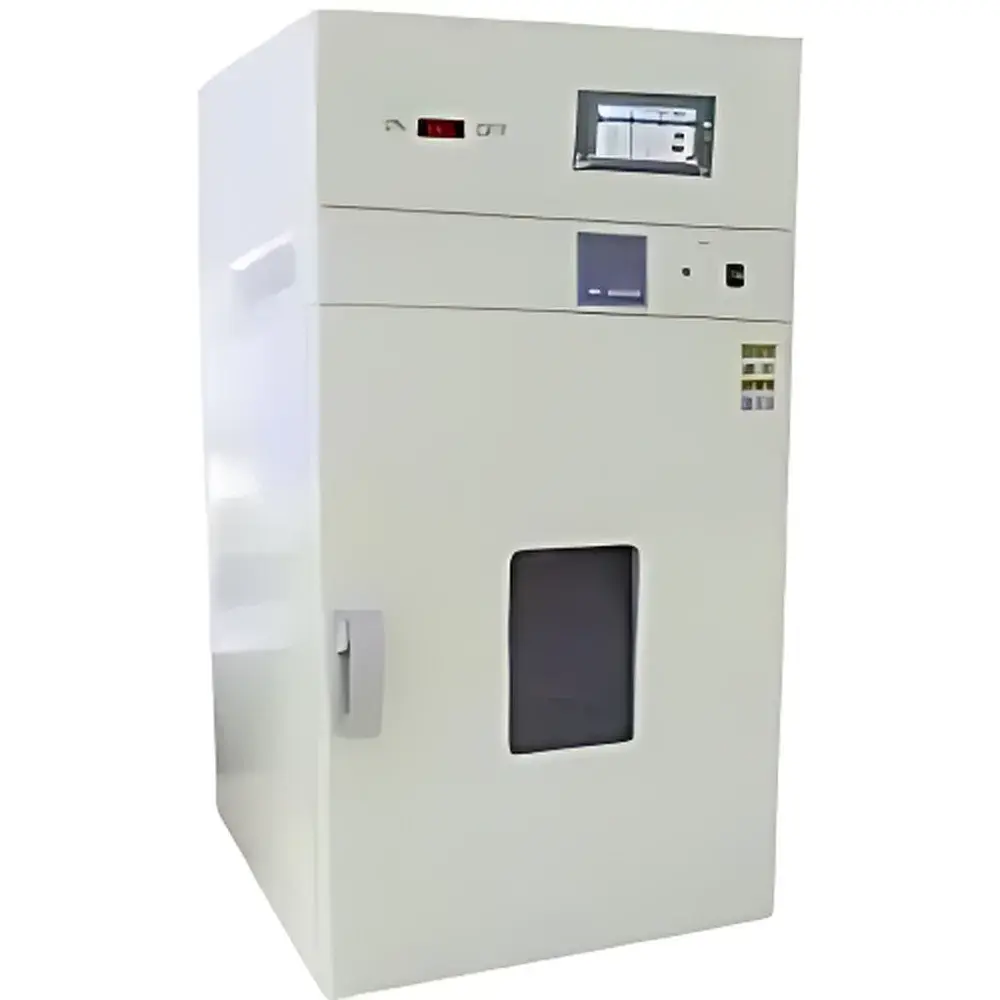
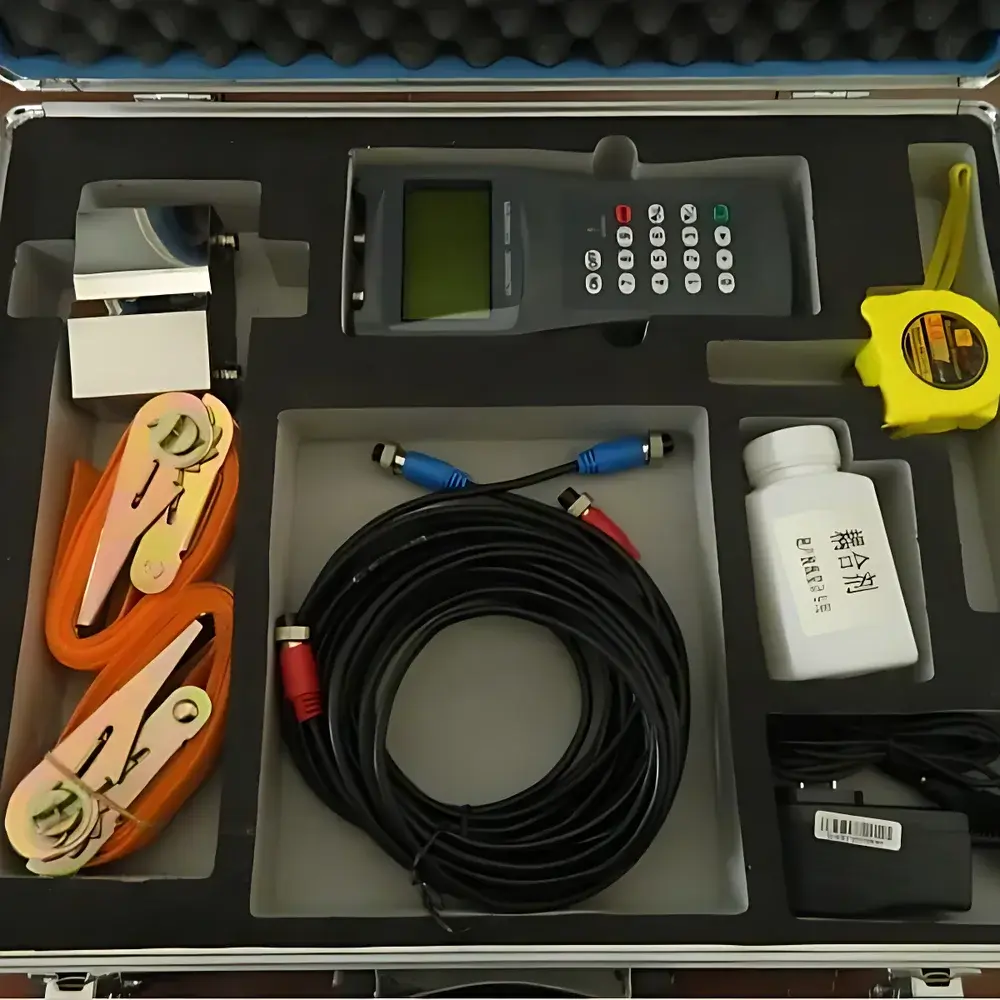
HengaoDe H17985 Multi-Function Laboratory Instrument Suite: Sodium Ion Analyzer, Photostability Chamber, Rotating Coupon Corrosion Tester, Pesticide Low-Temperature Stability Tester, Vertical Dip-Coating Machine, and Handheld Ultrasonic Flow Meter
| Brand | HengaoDe |
|---|---|
| Origin | Beijing, China |
| Manufacturer Type | Authorized Distributor |
| Product Origin | Domestic (China) |
| Model | H17985 |
| Price | USD 28.50 (FOB) |
| Compliance | GB/T 19137–2003, ICH Q1B, USP <115>, ASTM D1141, ISO 8502-8, GB/T 1884, GB/T 261, GB/T 3536–2008, GB/T 260 |
Overview
The HengaoDe H17985 Multi-Function Laboratory Instrument Suite is a rigorously engineered collection of six standalone, application-specific analytical and testing instruments designed for pharmaceutical R&D, agrochemical quality control, corrosion science, thin-film materials development, and petroleum product characterization. Each unit operates independently but shares a unified design philosophy centered on metrological traceability, operational reproducibility, and compliance with internationally recognized standards. The suite includes: (1) a benchtop sodium ion analyzer employing potentiometric measurement via ion-selective electrode (ISE) technology; (2) a photostability chamber meeting ICH Q1B and Chinese Pharmacopoeia requirements for light exposure testing; (3) a rotating coupon corrosion tester implementing standardized mass-loss methodology per ASTM G163 and ISO 8502-8; (4) a low-temperature stability tester conforming to CIPAC MT39 and GB/T 19137–2003 for pesticide formulation assessment; (5) a vertical dip-coating machine with programmable immersion kinetics and integrated temperature-controlled environment; and (6) a handheld ultrasonic transit-time flow meter compliant with ISO 6416 for non-invasive liquid flow measurement in pipes ≥20 mm diameter. All units are calibrated against NIST-traceable reference materials where applicable and undergo factory verification per ISO/IEC 17025–aligned internal procedures.
Key Features
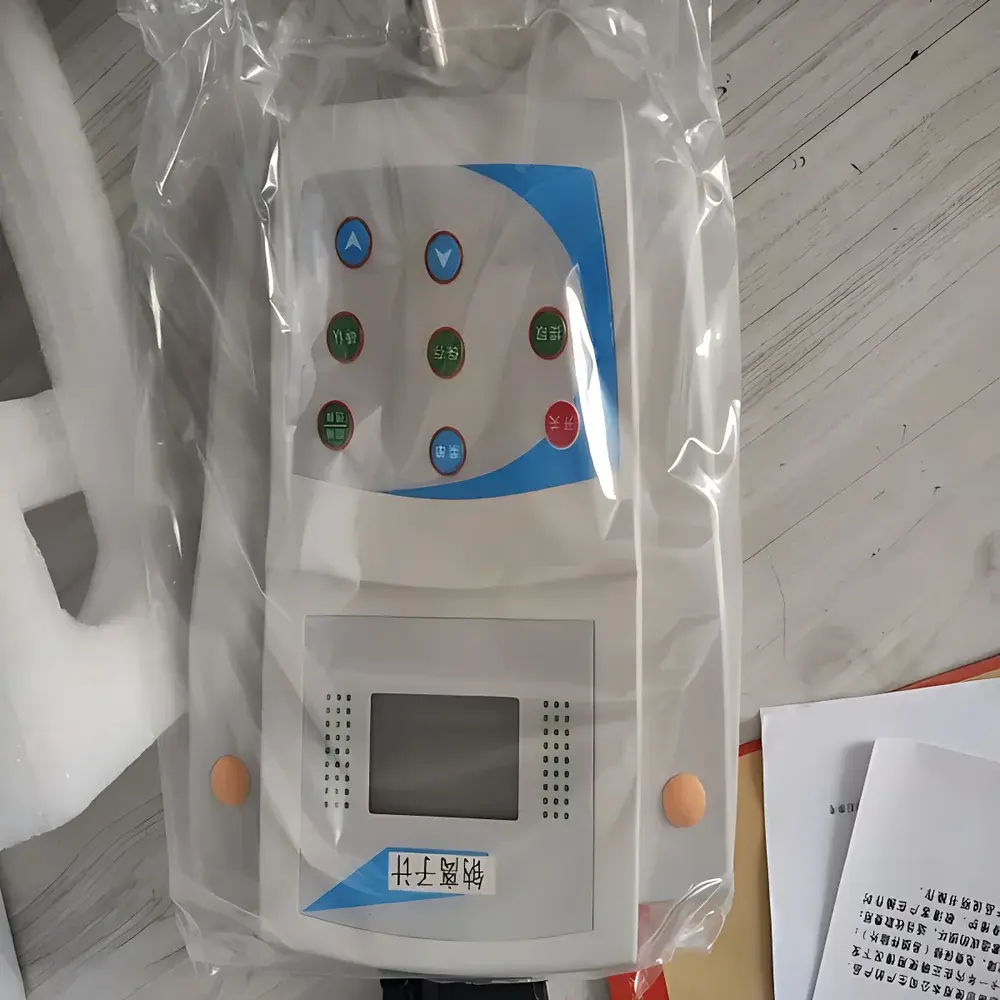
- Sodium Ion Analyzer (HAD-Sodium): pNa range 0.00–9.00 (equivalent to [Na⁺] = 23 g/L to 0.023 µg/L); ±0.05 pNa basic error; automatic temperature compensation (5.0–50.0 °C); high-stability Ag/AgCl reference electrode architecture.
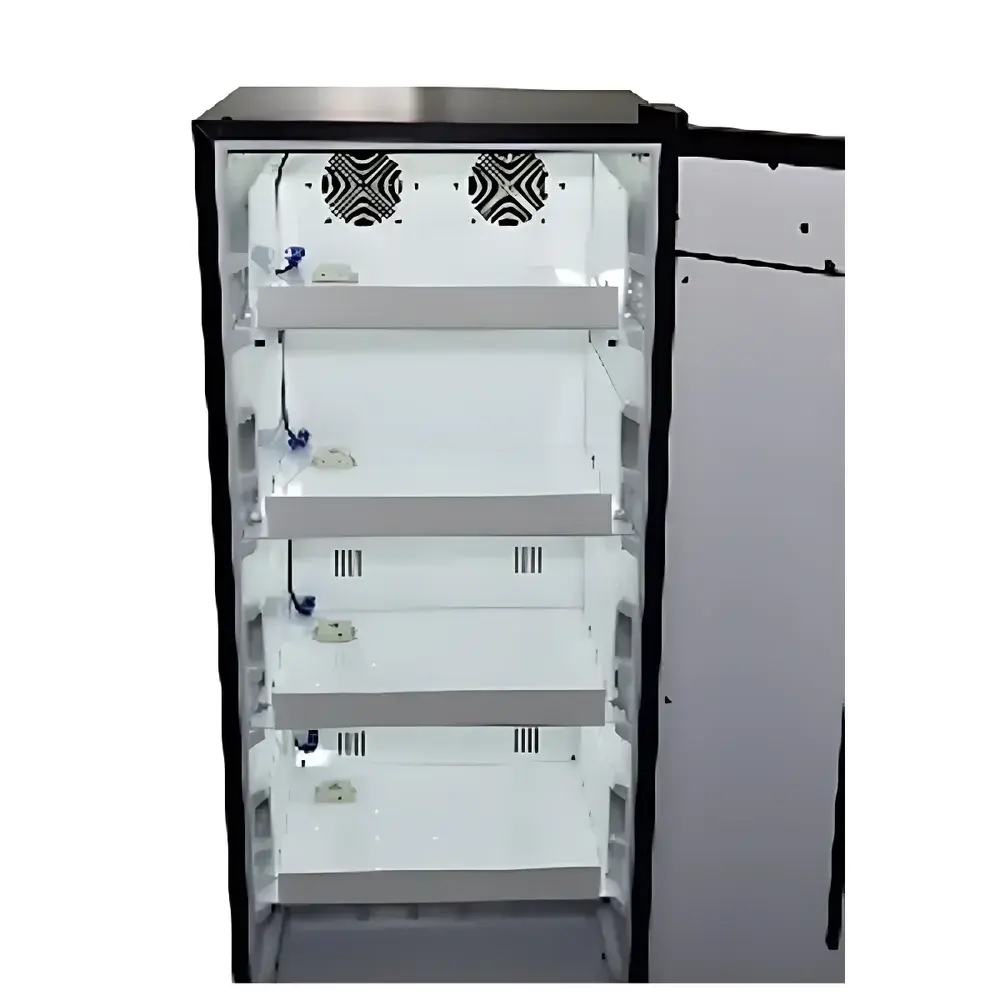
- Photostability Chamber (HAD-4000UVL): 250 L capacity with four independent irradiation zones; dual-spectrum control (visible: 0–7000 lx; UV-A: 0–250 µW/cm²); OLED touchscreen interface with capacitive operation; real-time thermal and photometric logging via external RS-232 printer.
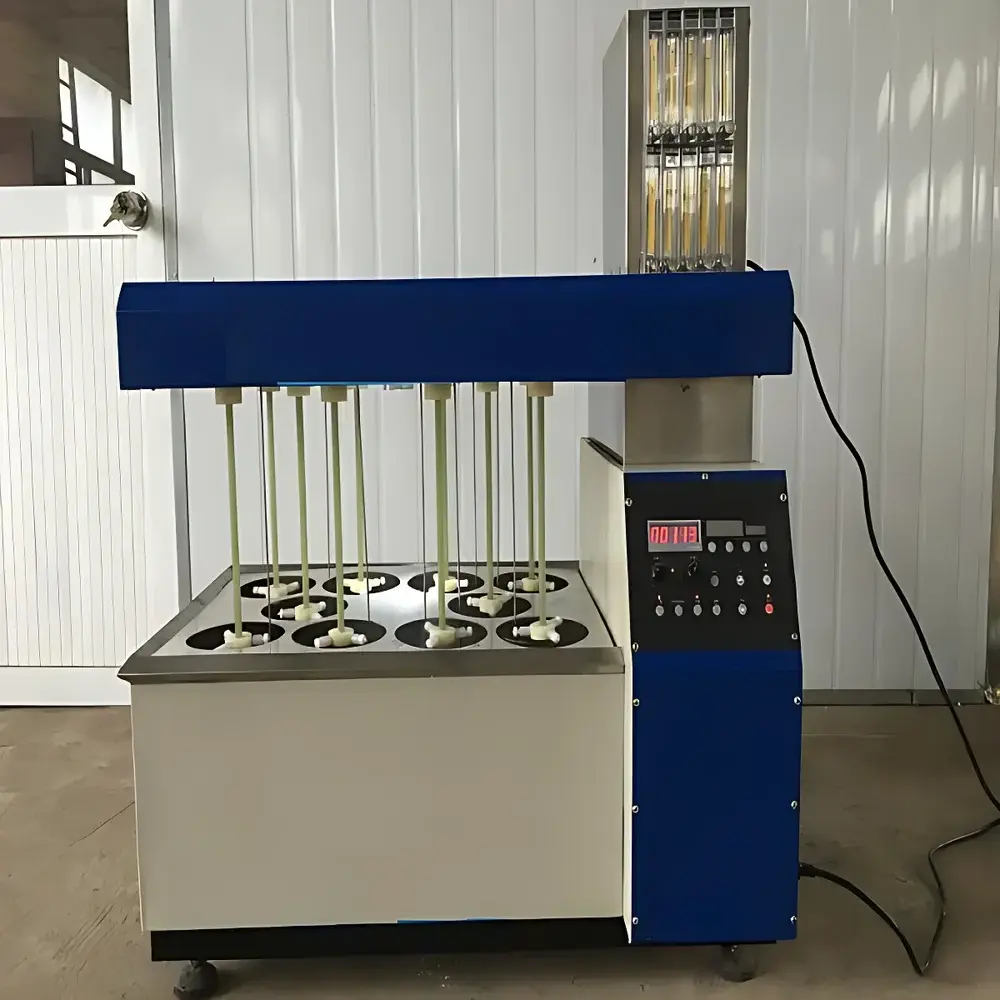
- Rotating Coupon Corrosion Tester (HAD-RCC-3B): 10-test coupon capacity (2 × 5), synchronized gear-driven rotation (40–160 rpm ±2 rpm); integrated air sparging (100–200 mL/min via Ø1.0 mm tubing); PID-controlled bath temperature (20–80 °C ±1 °C); LED illumination for visual inspection during operation.
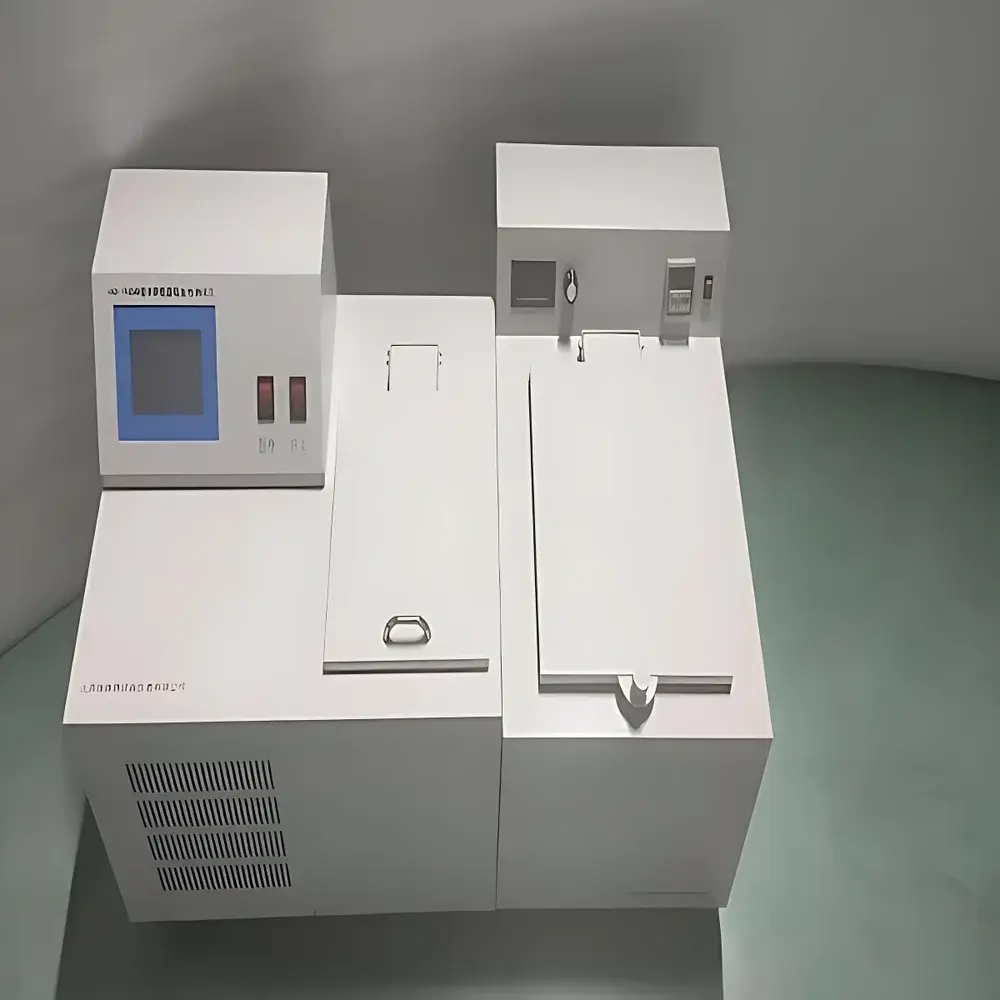
- Pesticide Low-Temperature Stability Tester (HAD-19604R): Split-system design comprising compressor-based refrigeration unit (–10 °C minimum) and micro-centrifuge module; 12-position rotor for standard 100 mL test tubes; ±0.5 °C temperature uniformity; programmable centrifugation timing (00:00:01–23:59:59).
- Vertical Dip-Coating Machine (HAD-100H): Precision stepper-motor drive enabling linear withdrawal speeds from 1 to 5000 µm/s (1 µm/s resolution); RT+10 to 200 °C thermostatic chamber (±0.2 °C stability); 340 × 320 × 320 mm uniform-temperature zone; dual-clamp fixture design preventing substrate deformation.
- Handheld Ultrasonic Flow Meter (HAD-100H): Transit-time principle with dual-channel differential signal reception; built-in Ni-MH battery (≥12 h runtime); data logger storing up to 2000 measurement records; RS-232 interface supporting PC-based analysis and GLP-compliant audit trail export.
Sample Compatibility & Compliance
All instruments in the H17985 suite support routine use in regulated environments governed by Good Laboratory Practice (GLP) and Good Manufacturing Practice (GMP). The sodium analyzer meets ISO 17025 criteria for ion concentration measurement uncertainty estimation. The photostability chamber satisfies ICH Q1B phototesting protocols for drug substance and product qualification, including forced degradation studies under controlled UV/visible spectra. The corrosion tester implements ASTM G163 Annex A1 for rotating cylinder electrode (RCE) correlation and supports reporting per NACE TM0169. The pesticide stability tester aligns with CIPAC MT39 methodology for phase separation evaluation after cold storage and centrifugation. The dip-coater enables reproducible sol-gel film deposition on silicon wafers, glass slides, ceramic substrates, and metallic coupons—validated per ISO 15629 for coating thickness uniformity assessment. The ultrasonic flow meter complies with ISO 6416 for portable clamp-on flow verification in industrial water and hydrocarbon systems.
Software & Data Management
No proprietary software is bundled; however, all instruments provide native digital interfaces suitable for integration into laboratory information management systems (LIMS). The photostability chamber and dip-coater feature embedded 320×240 pixel LCD displays with timestamped parameter logging. The ultrasonic flow meter stores time-stamped volumetric flow rate, velocity, and signal quality metrics internally and exports CSV-formatted datasets via RS-232. The sodium analyzer outputs analog mV signals compatible with external data acquisition systems supporting IEEE 488 or USB-to-serial conversion. All units maintain electronic calibration logs accessible via front-panel navigation. For regulatory submissions, raw instrument output files may be archived alongside metadata (operator ID, date/time stamp, ambient conditions) to satisfy FDA 21 CFR Part 11 requirements when paired with validated third-party LIMS platforms.
Applications
This instrument suite serves cross-sectoral QA/QC and R&D workflows: pharmaceutical laboratories employ the photostability chamber and sodium analyzer for excipient compatibility screening and buffer ion concentration verification; agrochemical developers utilize the low-temperature stability tester and corrosion tester for formulation shelf-life prediction and pipeline material compatibility assessment; materials science groups deploy the dip-coater for metal oxide thin-film fabrication (e.g., TiO₂, ZnO) in photovoltaic and sensor research; petroleum testing labs apply the flash point analyzers (HAD-S261, HAD-3536A), density meter (HAD-X1884), and moisture tester (HAD-L260) to meet API RP 2540 specifications; and municipal water utilities leverage the handheld ultrasonic flow meter for temporary flow verification during infrastructure commissioning without pipe cutting or process interruption.
FAQ
Are calibration certificates provided with shipment?
Yes—each instrument ships with a factory-issued calibration report referencing traceable standards (e.g., NIST SRM 3199 for sodium, PTB-certified light meters for photostability chamber). Certificate of Conformance (CoC) is included.
Can the rotating corrosion tester accommodate custom coupon geometries?
Standard fixtures accept ASTM G1–2020-compliant 50 × 25 × 2 mm flat coupons. Custom mounting adapters are available upon request with mechanical drawings.
Does the dip-coater support inert atmosphere operation?
Not natively—but the chamber volume permits retrofitting with gas inlet/outlet ports and O-ring sealed access doors for nitrogen purging (user-supplied gas supply required).
Is firmware upgrade capability supported for the photostability chamber?
Firmware updates are distributed annually via secure FTP portal and applied using supplied USB memory stick—no internet connection required onsite.
What is the warranty coverage period and service response time?
Comprehensive 24-month parts-and-labor warranty; technical support response within 4 business hours; on-site service dispatch within 5 business days for covered regions (EU, US, Canada, Australia, Japan).





