
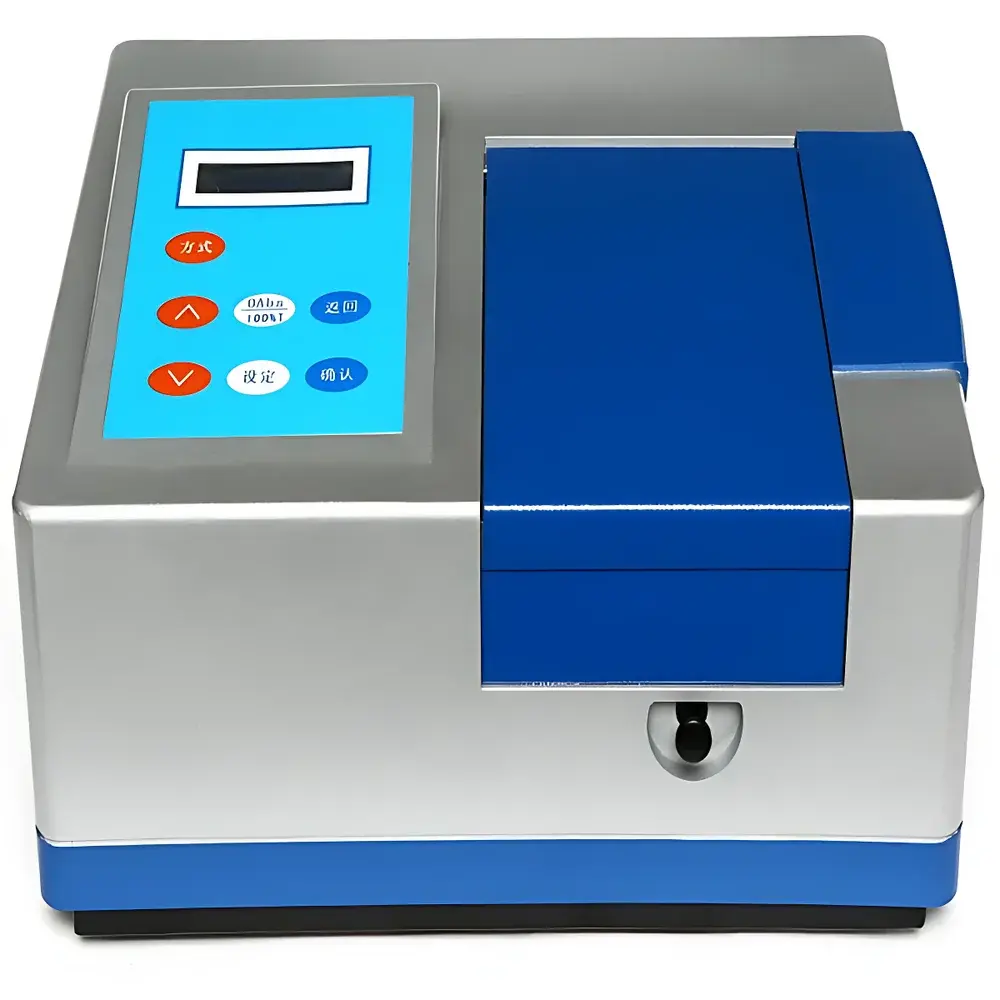
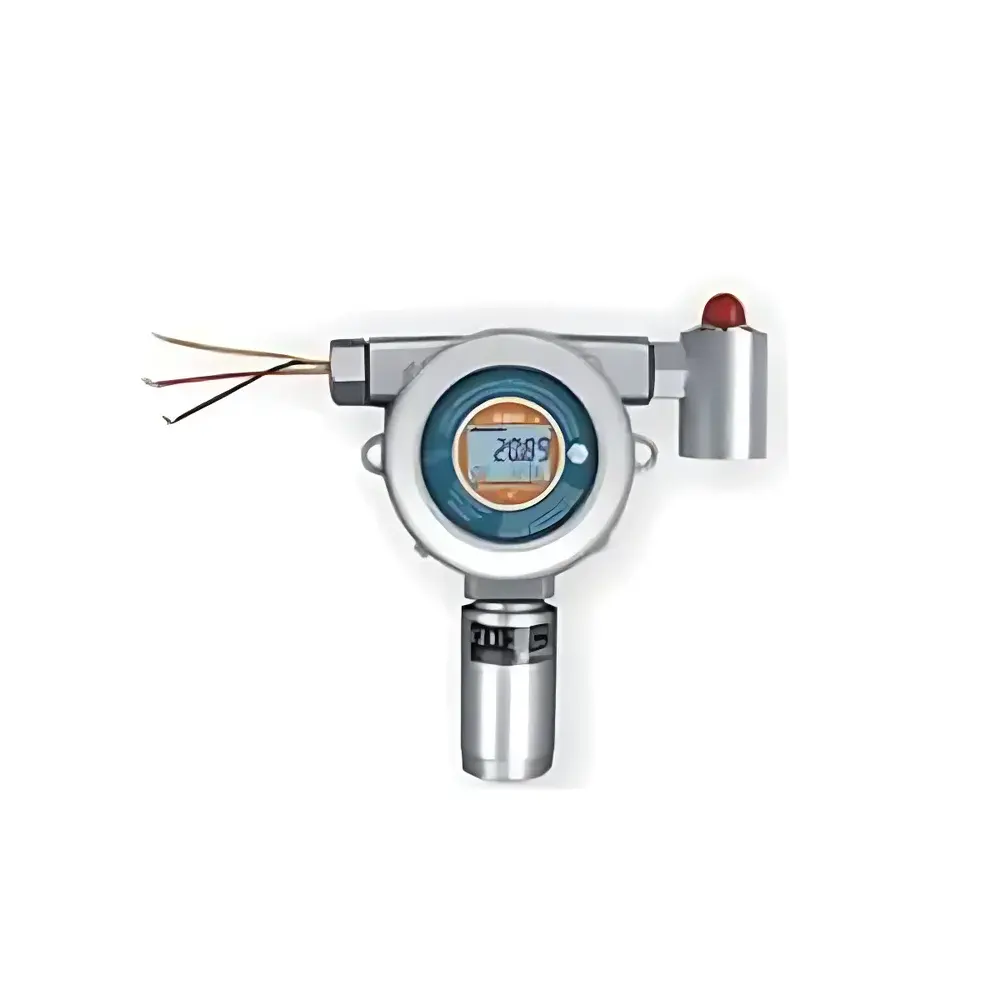
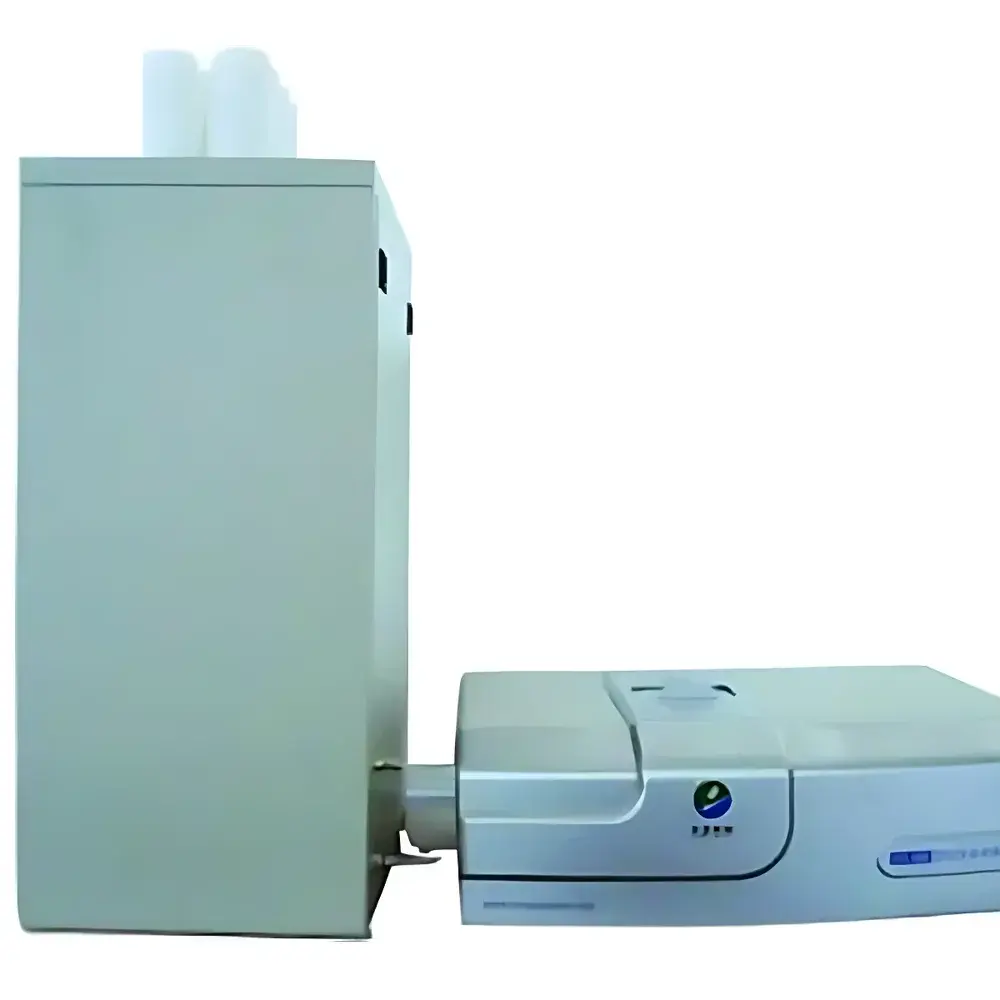
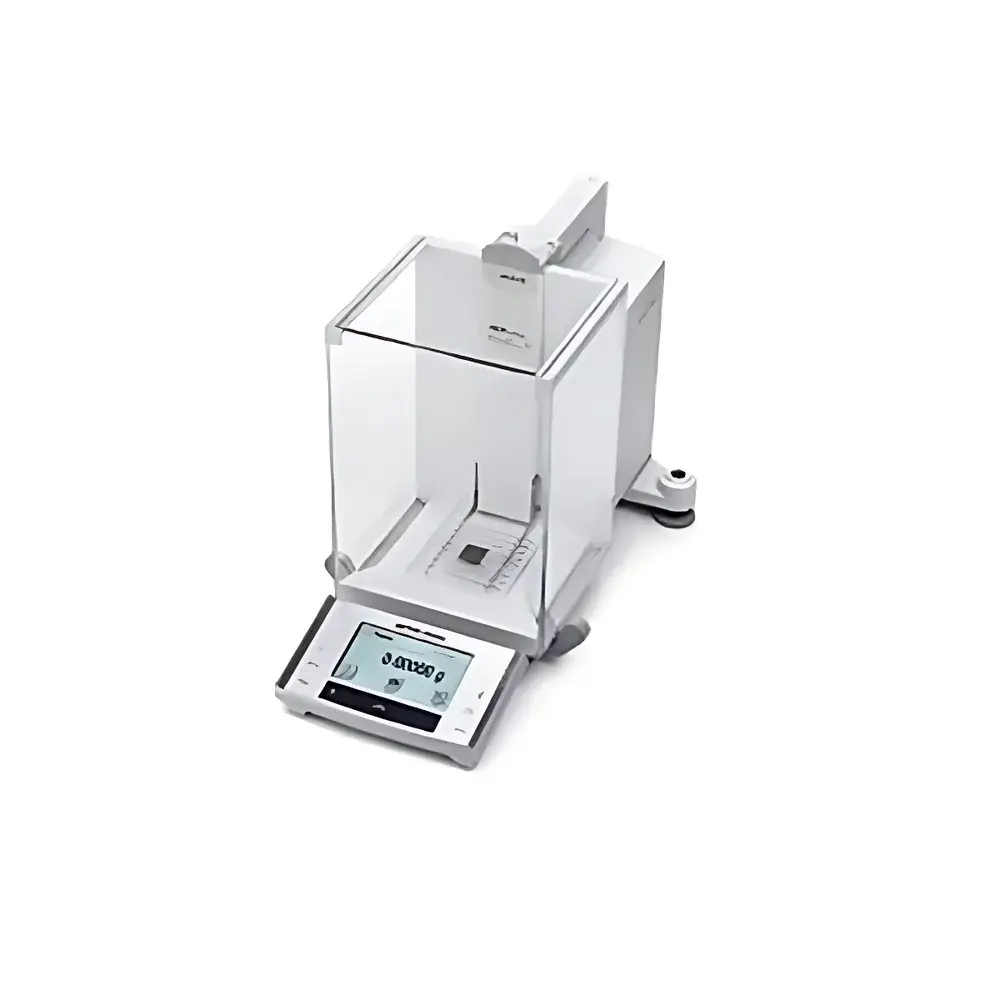
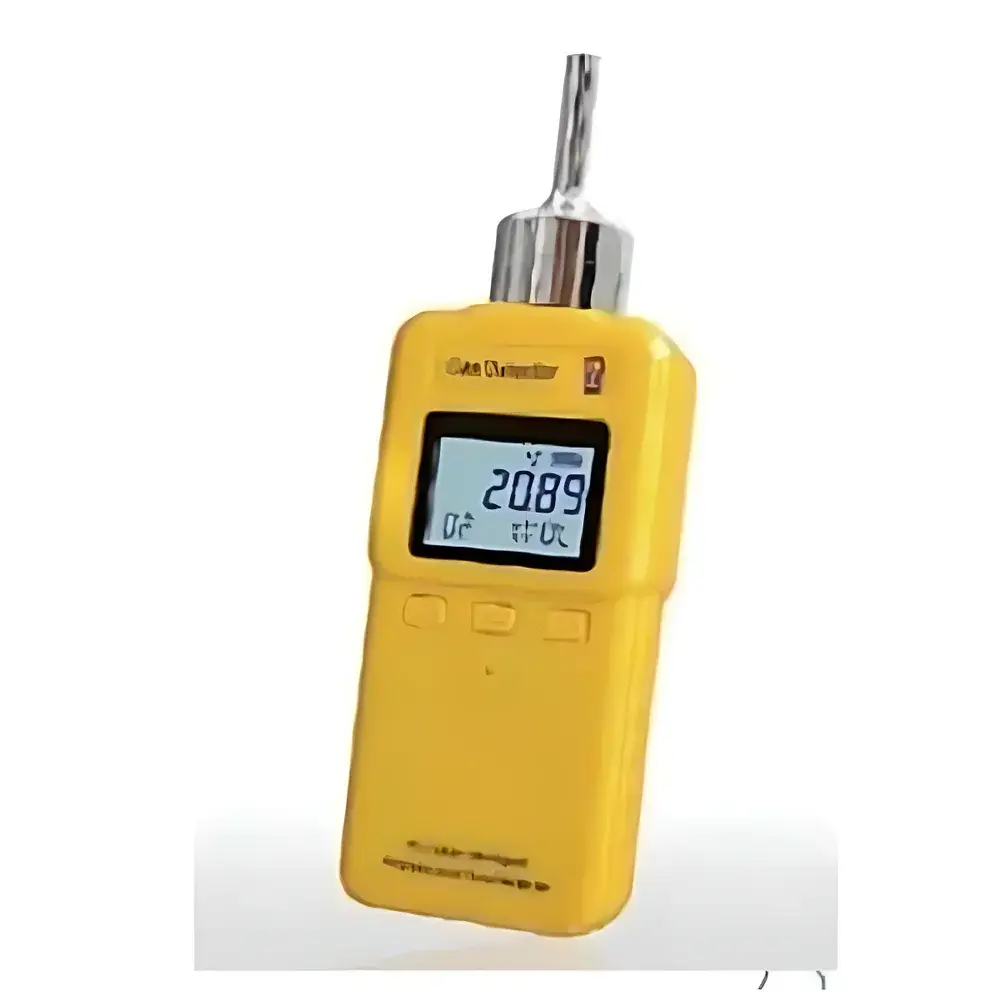
HengaoDe HAD-WCOD Reagent-Free COD Analyzer for Water Quality Testing
| Brand | HengaoDe |
|---|---|
| Origin | Beijing, China |
| Manufacturer Type | Authorized Distributor |
| Country of Origin | China |
| Model | HAD-WCOD |
| Price | USD 42.50 (based on ¥298 at 1 USD = ¥7.0) |
| Measurement Range | 5–150 mg/L and 100–1500 mg/L COD |
| Resolution | 0.01 mg/L |
| Accuracy | ±5% FS |
| Optical System | CT-type monochromator with low stray light |
| Wavelength Range | Full-spectrum scanning (190–1100 nm typical for UV-Vis spectrophotometric COD estimation) |
| Data Interface | RS-232 bidirectional port & parallel printer port |
| Compliance | Designed per Chinese environmental monitoring standards (e.g., HJ/T 399–2007 methodology principles) |
| Power Supply | 220 VAC ±10%, 50 Hz |
Overview
The HengaoDe HAD-WCOD Reagent-Free COD Analyzer is an optical spectrophotometric instrument engineered for rapid, on-site determination of chemical oxygen demand (COD) in aqueous samples without the use of hazardous chemical reagents such as potassium dichromate or sulfuric acid. It operates on the principle of multi-wavelength absorbance spectroscopy, leveraging characteristic electronic absorption signatures of organic compounds and oxidizable species across the UV-Vis spectrum. Unlike conventional dichromate-based methods (e.g., ISO 6060 or APHA 5220D), this analyzer employs a calibration-free, chemometric approach—correlating spectral response patterns (e.g., at 254 nm, 365 nm, and 600 nm) with empirically validated COD equivalence models derived from representative wastewater matrices. This eliminates digestion steps, reduces operator exposure risk, and complies with evolving laboratory safety and green chemistry guidelines (e.g., EPA Method 100.1 conceptual framework for optical surrogates). The instrument is intended for routine screening in municipal wastewater treatment plants, industrial effluent monitoring stations, and field-deployed environmental assessment teams where speed, repeatability, and regulatory traceability are prioritized over absolute gravimetric validation.
Key Features
- Reagent-free operation: No Cr(VI) or H₂SO₄ handling—reducing waste disposal burden and occupational health risks.
- High-resolution optical detection: 0.01 mg/L display resolution with ≤±5% full-scale error across dual-range measurement modes (5–150 mg/L and 100–1500 mg/L).
- Stable optical architecture: CT-type grating monochromator with ultra-low stray light design ensures long-term photometric reproducibility (RSD < 2.5% over 8-hour continuous operation).
- Embedded microprocessor control: Automatic zero calibration, multi-point concentration calculation, and linear/nonlinear curve fitting algorithms preloaded for common water matrices.
- Dual communication interfaces: Standard RS-232 serial port supports bidirectional command/data exchange with LIMS or PC-based acquisition software; parallel port enables direct thermal or dot-matrix printing of results (e.g., Epson TM-U220 compatible).
- Rugged industrial housing: IP54-rated enclosure with corrosion-resistant coating suitable for humid laboratory and semi-outdoor deployment environments.
Sample Compatibility & Compliance
The HAD-WCOD accepts clarified, filtered liquid samples (0.45 µm membrane filtration recommended) with turbidity < 5 NTU. It is validated for use with domestic sewage, textile dyeing effluents, food processing wastewater, and cooling tower blowdown—provided sample coloration and suspended solids do not exceed method-defined interference thresholds. While not a direct replacement for standardized wet-chemistry COD assays under ISO 6060 or US EPA 410.4, the instrument satisfies preliminary compliance screening requirements per China’s HJ/T 399–2007 “Determination of Chemical Oxygen Demand in Water by Spectrophotometric Method (Fast Screening Version)” and aligns with GLP documentation expectations when paired with audit-trail-enabled data logging software. Calibration verification is performed using NIST-traceable potassium hydrogen phthalate (KHP) standard solutions at defined concentrations (e.g., 50 mg/L and 300 mg/L COD equivalents).
Software & Data Management
The analyzer ships with Windows-compatible desktop application (v3.2+) supporting raw absorbance spectra export (.CSV), batch report generation (PDF/Excel), and user-defined pass/fail limits per sampling point. All measurements are timestamped and tagged with operator ID, sample ID, and environmental conditions (ambient temperature/humidity logged via optional external sensor input). Audit trail functionality records parameter changes, calibration events, and firmware updates—meeting foundational requirements for 21 CFR Part 11 Annex 11 alignment in non-GMP environmental QA/QC workflows. Data encryption (AES-128) and role-based access control (admin/operator modes) are configurable to support ISO/IEC 17025 accredited laboratory information management systems (LIMS).
Applications
- Routine effluent monitoring at WWTP influent/effluent points for real-time process control feedback.
- Pre-screening of industrial discharge permits to identify high-COD outliers prior to formal lab submission.
- Field-based environmental impact assessments where rapid turnaround (< 90 seconds/sample) is critical.
- Educational laboratories demonstrating optical water quality analysis principles without hazardous reagent storage.
- Integration into automated sampling kiosks or telemetry-enabled remote stations via Modbus RTU (RS-485 adapter optional).
FAQ
Does the HAD-WCOD comply with ISO or ASTM standard methods?
No—it implements a proprietary optical surrogate model aligned with China’s HJ/T 399–2007 fast-screening protocol. For regulatory reporting requiring ISO 6060 or ASTM D1252, confirm local authority acceptance of optical correlation data.
Can it measure chlorinated or saline wastewater?
High chloride (>2000 mg/L) or residual chlorine may cause spectral interference; pre-treatment with mercury sulfate masking or dilution is advised.
What maintenance is required?
Quarterly optical path cleaning with lint-free swabs and isopropanol; annual wavelength calibration using holmium oxide reference filter (optional accessory kit available).
Is GLP-compliant data export supported?
Yes—raw spectra, metadata, and operator logs export in .CSV with SHA-256 hash integrity verification for chain-of-custody documentation.




