
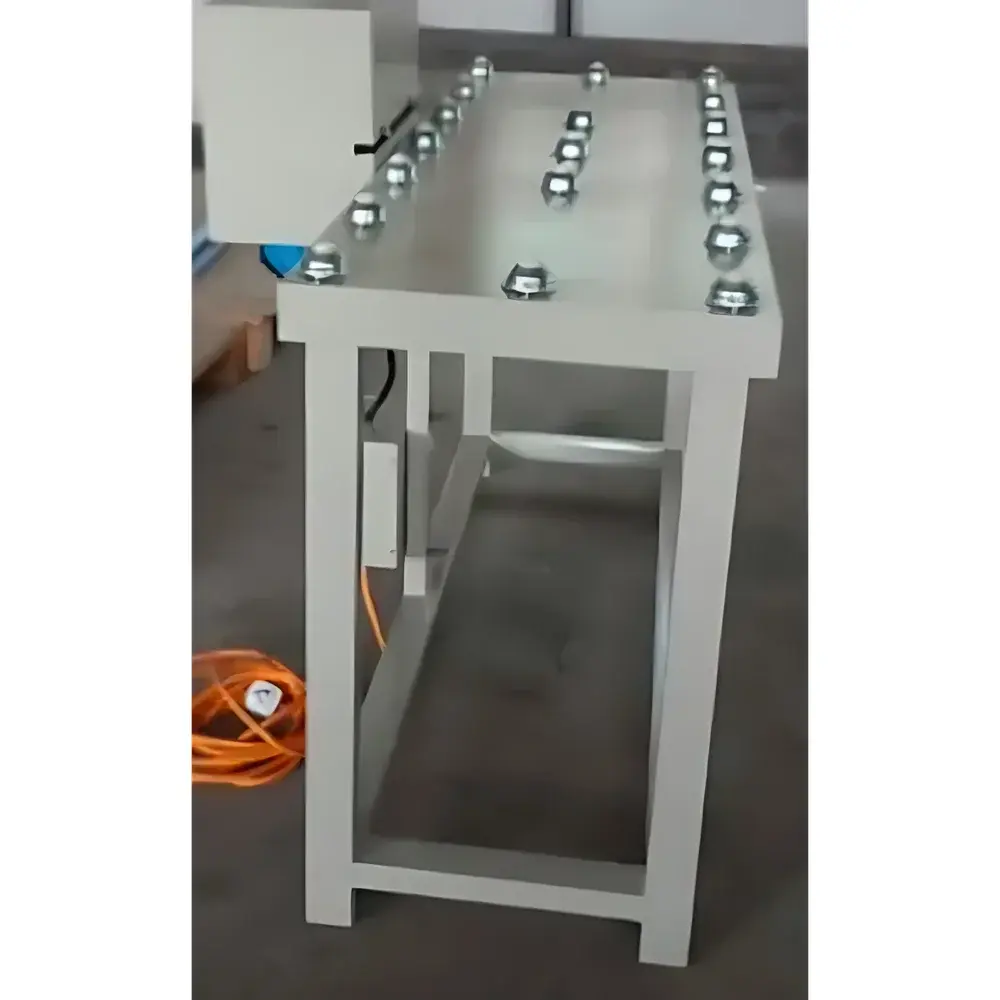
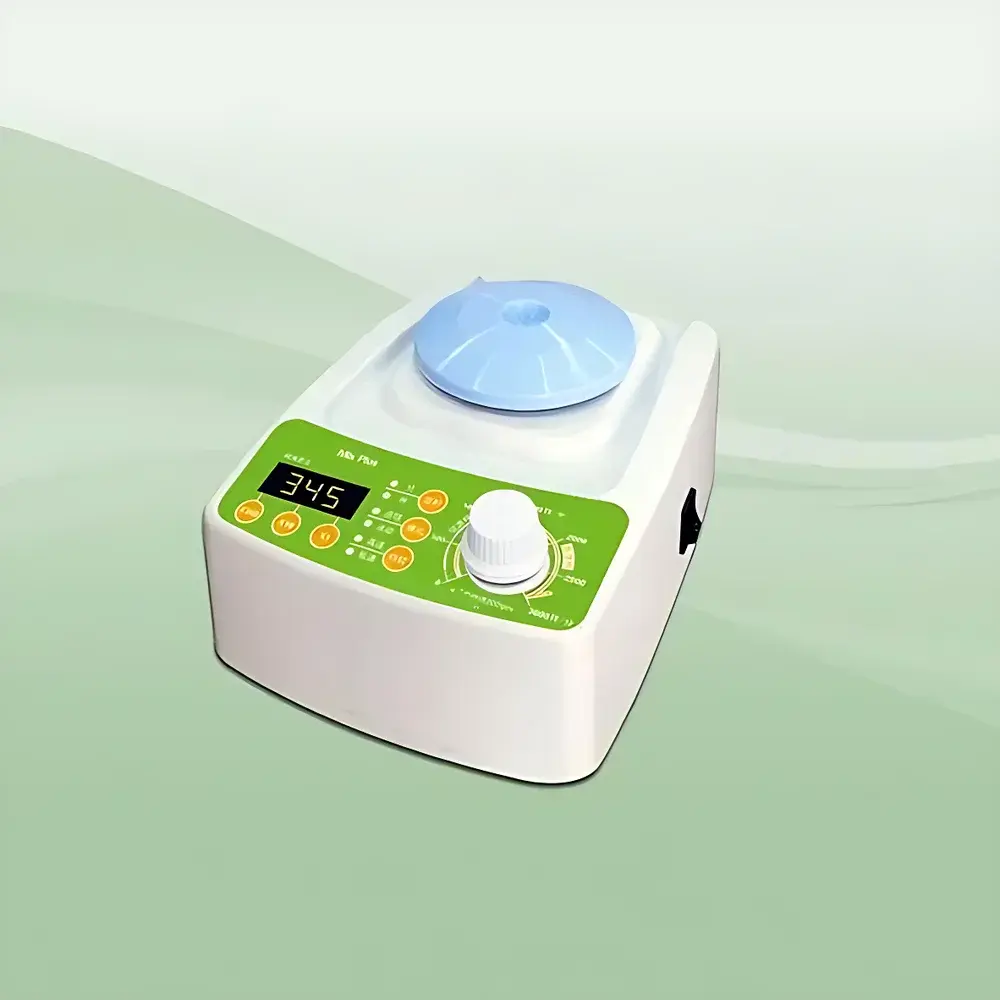
Hengaode HAD-L22A Rodent Toe Volume Plethysmometer for Antipyretic Drug Screening and Potency Assessment
| Brand | Hengaode |
|---|---|
| Origin | Beijing, China |
| Manufacturer Type | Authorized Distributor |
| Product Origin | Domestic (China) |
| Model | HAD-L22A |
| Price | USD 135 (FOB) |
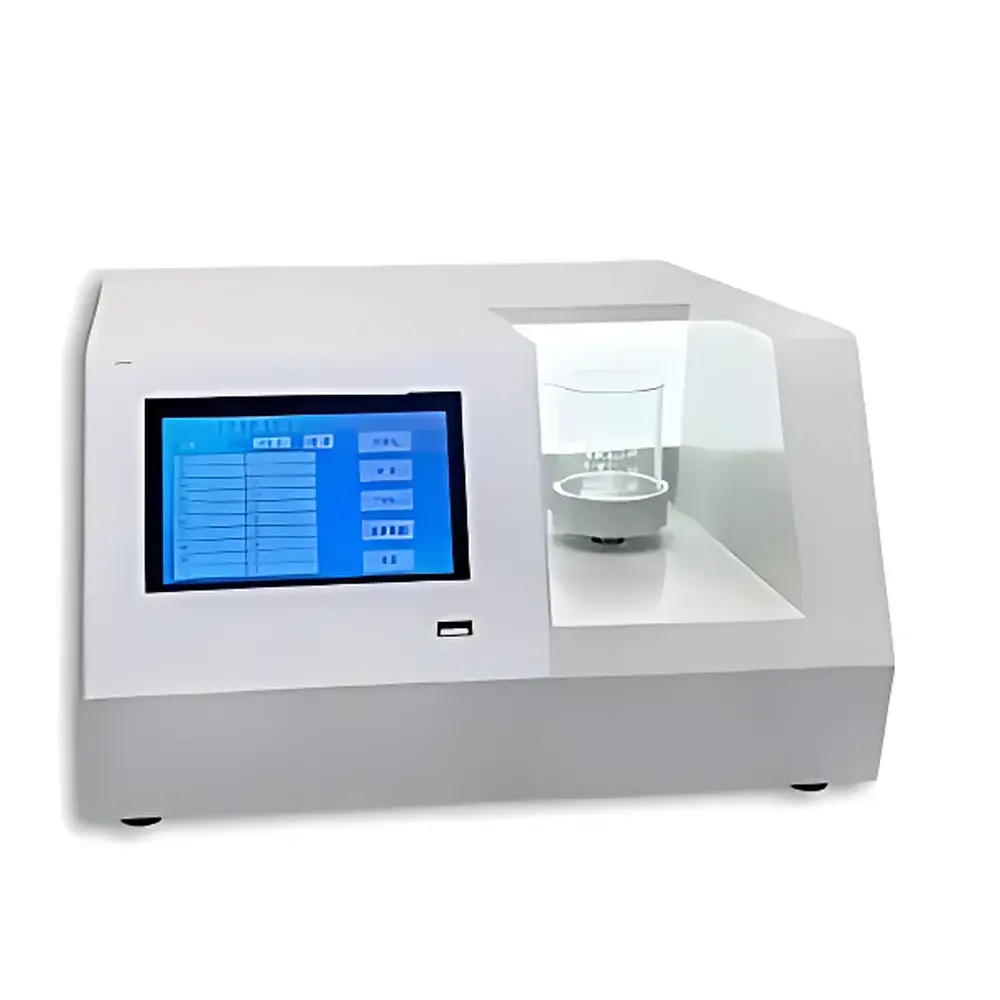
| Display | 5-inch capacitive touchscreen |
| Resolution | 480 × 854 pixels (≈480k dots) |
| Volume Range | 0–135 mL |
| Volume Resolution | 0.01 mL |
| Measurement Accuracy | ±0.01 mL |
| Cylinder Inner Diameter | φ50 mm (removable) |
| Cylinder Water Capacity | 135 mL |
| Footpad Illumination | Integrated backlight panel |
| Data Storage | 50 groups × 512 entries |
| Interface | USB export to Excel |
| Footswitch | Pedal-activated hold function |
| Platform Dimensions | 350 × 245 × 340 mm |
| Net Weight | 4.0 kg |
| Power Input | AC 190–250 V, 50 Hz |
| Power Consumption | <20 W |
Overview
The Hengaode HAD-L22A Rodent Toe Volume Plethysmometer is a precision displacement-based volumetric instrument engineered for quantitative assessment of inflammatory edema in preclinical pharmacological studies. It operates on the principle of water displacement plethysmography: a restrained rodent’s hind paw is submerged into a calibrated, temperature-stable water-filled chamber (φ50 mm quartz cylinder), and the incremental volume change—corresponding to toe swelling or resolution—is measured with high-resolution digital transduction. This methodology provides objective, repeatable metrics for evaluating anti-inflammatory and antipyretic drug efficacy, including onset time, peak effect duration, and dose–response relationships. Designed specifically for compliance with standard pharmacodynamic protocols in academic laboratories and contract research organizations (CROs), the system supports both acute carrageenan-induced and chronic adjuvant-induced edema models in mice and rats (typically 18–35 g mice; 150–250 g rats). Its non-invasive operation, absence of thermal or mechanical stress artifacts, and direct volumetric readout align with OECD Guideline 425 and ICH S5(R3) recommendations for exploratory toxicology endpoints.
Key Features
- High-resolution capacitive 5-inch touchscreen interface with intuitive icon-driven navigation and real-time volume trace visualization
- Optical-grade removable quartz measurement cylinder (φ50 mm inner diameter) enabling full optical clarity, chemical resistance, and rapid cleaning between subjects
- Sub-microliter volumetric resolution (0.01 mL) and certified accuracy (±0.01 mL), validated against NIST-traceable calibration standards
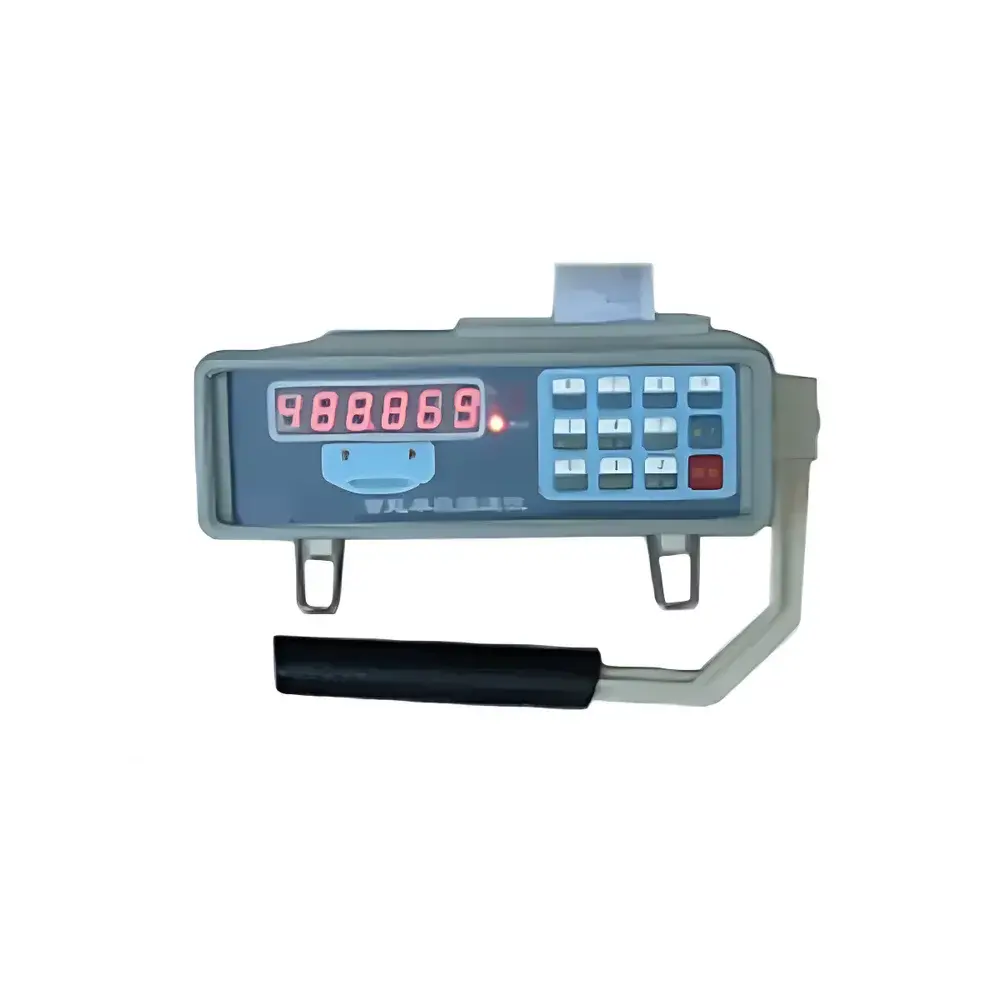
- Pedal-activated footswitch for hands-free data locking during animal handling—minimizing operator variability and motion artifacts
- Integrated LED backlit viewing panel for clear observation of paw anatomy and tissue perfusion status during immersion
- Onboard memory storing up to 50 experimental sessions, each containing 512 sequential volume readings, with timestamp and session metadata
- USB mass-storage mode for direct export of raw .CSV files compatible with GraphPad Prism, SAS, and R statistical environments
- Stable low-power architecture (<20 W) suitable for continuous operation in temperature-controlled vivarium rooms (18–24°C ambient)
Sample Compatibility & Compliance
The HAD-L22A accommodates standard laboratory rodent strains (C57BL/6, BALB/c, Sprague-Dawley, Wistar) without modification. Paw immersion depth is standardized via fixed-depth guide rails, ensuring consistent anatomical coverage across subjects. The device meets ISO 13485-aligned manufacturing controls and conforms to GLP-relevant documentation requirements for instrument qualification (IQ/OQ/PQ). While not FDA 21 CFR Part 11–certified out-of-the-box, audit-ready electronic records—including user login timestamps, parameter lockout logs, and immutable data export hashes—can be implemented via optional firmware upgrade. All materials contacting biological samples comply with USP Class VI biocompatibility standards. The system supports integration into SOPs compliant with EMA CHMP Guideline on Non-Clinical Safety Studies and NIH Office of Laboratory Animal Welfare (OLAW) reporting frameworks.
Software & Data Management
No proprietary software installation is required: the instrument functions as a USB HID-compliant storage device. Exported datasets include column headers (Time_s, Volume_mL, Session_ID, Operator_ID, Date_UTC), enabling immediate import into LIMS or ELN platforms. Built-in data validation routines flag outliers exceeding ±3 SD from session mean and log potential air-bubble interference events (e.g., transient negative volume excursions). For regulated environments, optional CSV-to-XML conversion tools support ALCOA+ principles (Attributable, Legible, Contemporaneous, Original, Accurate, Complete, Consistent, Enduring, Available). Audit trails record all parameter changes, calibration events, and firmware updates with SHA-256 checksums.
Applications
- Quantitative evaluation of NSAID, COX-2 inhibitor, and cytokine-targeted therapeutics in acute inflammation models
- Time-course profiling of edema resolution kinetics following corticosteroid or JAK inhibitor administration
- Dose–response curve generation for novel botanical extracts under USP pyrogenicity screening workflows
- Secondary endpoint correlation with thermal hyperalgesia (Hargreaves test) and weight-bearing asymmetry (incapacitance test)
- Teaching applications in undergraduate pharmacology labs—demonstrating fundamental principles of vascular permeability and leukocyte recruitment
FAQ
Is the HAD-L22A compatible with automated animal handling systems?
Yes—its USB interface and deterministic response latency (<100 ms) enable synchronization with third-party stimulus controllers and behavioral tracking software via TTL trigger signals (optional accessory module required).
Can the quartz cylinder be sterilized using autoclaving?
No—quartz cylinders are rated for dry-heat sterilization only (160°C for 2 hours); steam autoclaving induces microfractures. Ethanol wipe-down followed by UV-C irradiation (254 nm, 30 min) is recommended between subjects.
Does the system support longitudinal studies across multiple timepoints per animal?
Yes—each session ID can be assigned a unique animal ID and timepoint tag (e.g., “Mouse-07_Day0”, “Mouse-07_Day3”), preserving temporal integrity within the onboard database.
What is the recommended water temperature range for reproducible measurements?
22–25°C distilled water is optimal; deviations >±1°C introduce thermal expansion artifacts exceeding ±0.03 mL. A calibrated external thermometer should verify bath temperature prior to each session.
How frequently must the system be recalibrated?
Annual recalibration against certified volumetric pipettes (ISO 8655-2) is recommended; daily verification using a 10.00 mL reference standard is required under GLP conditions.





