
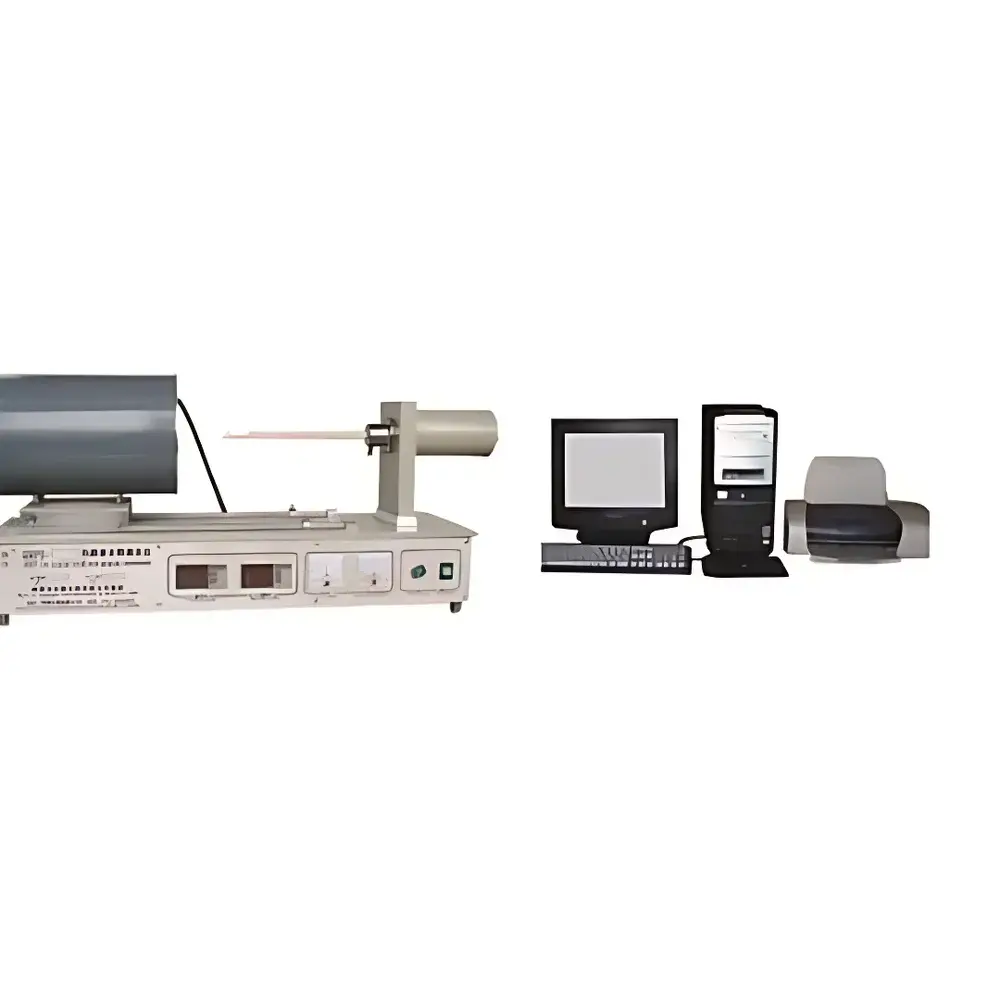
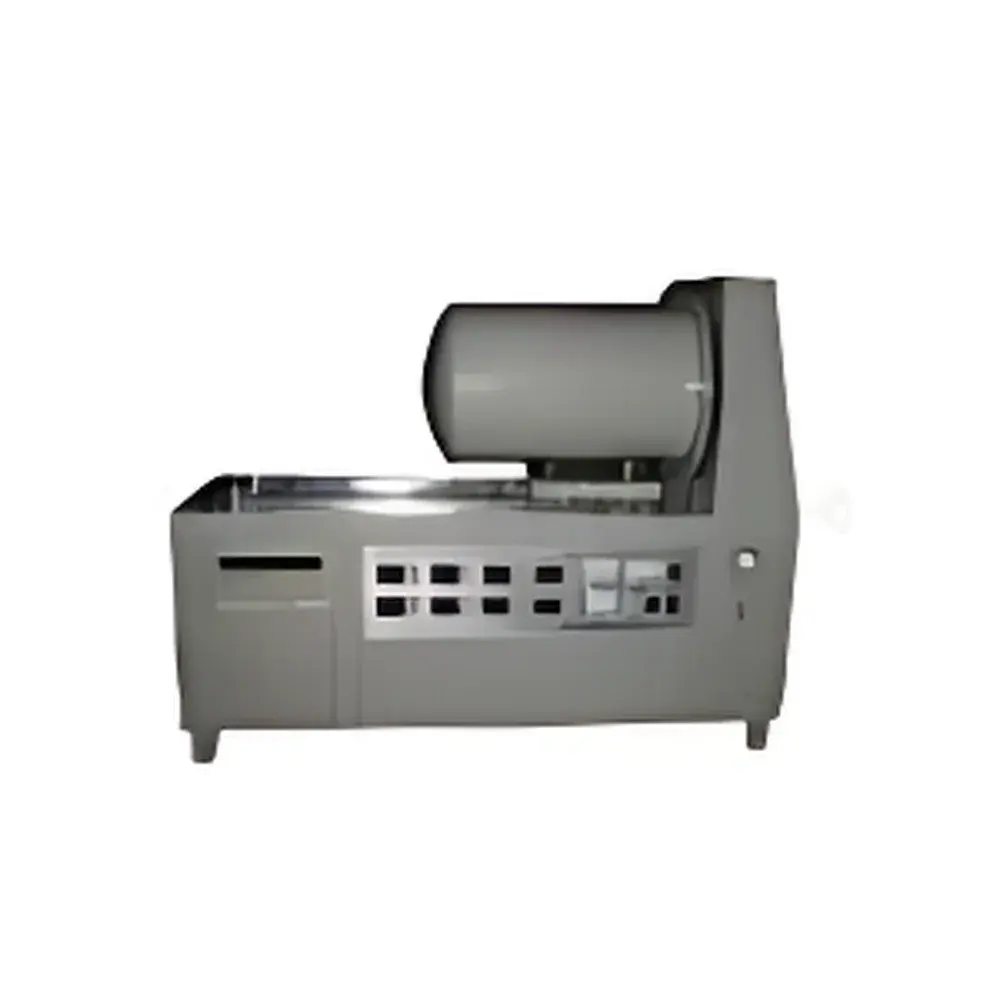
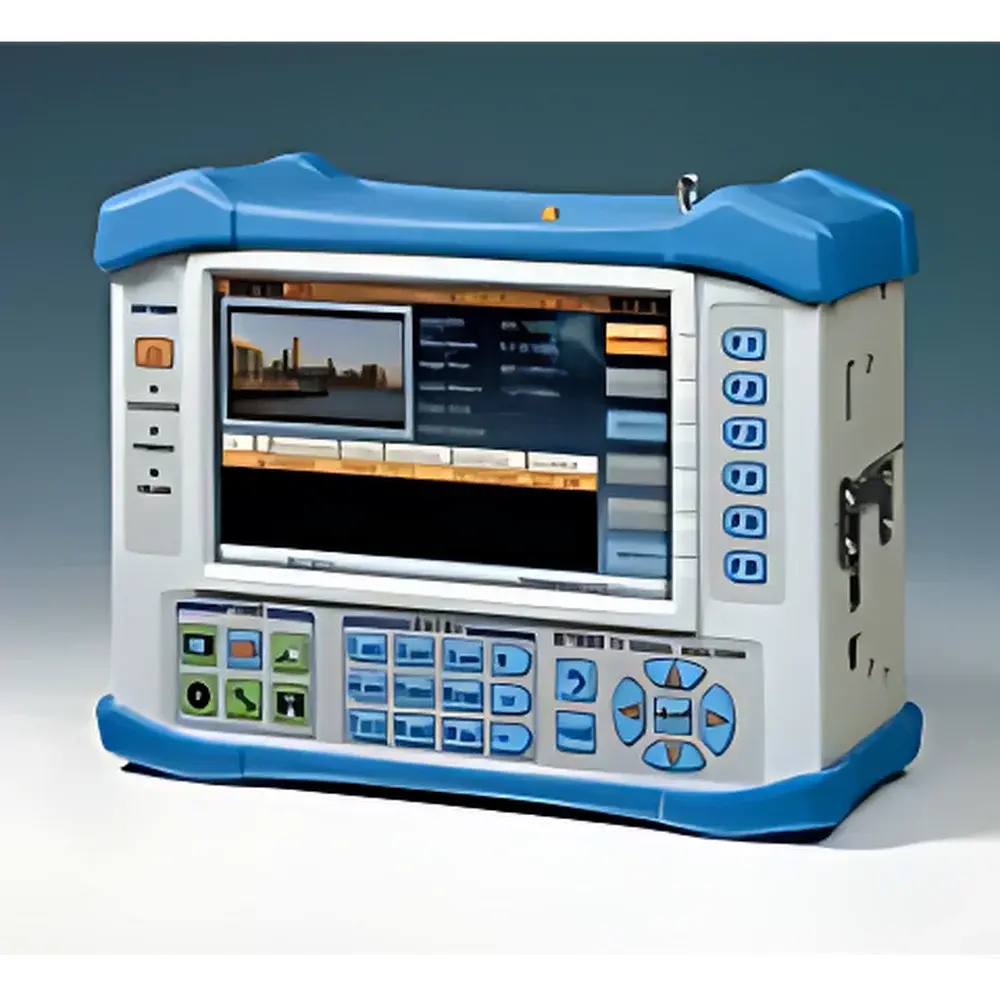
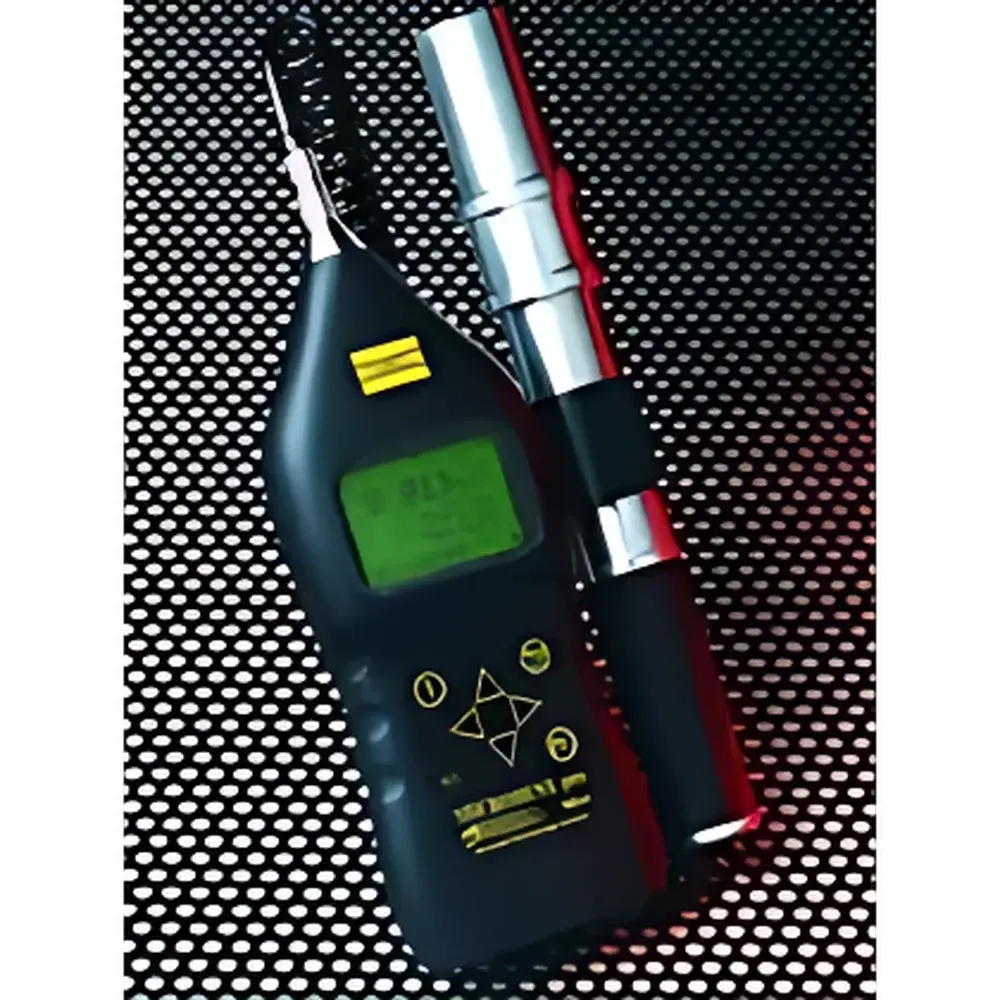
HengaoDe H23844 High-Temperature Horizontal Dilatometer for Linear Thermal Expansion Coefficient Measurement per GB/T 3810.8 and ISO 10545.8
| Brand | HengaoDe |
|---|---|
| Origin | Beijing, China |
| Model | H23844 |
| Temperature Range | Ambient to 1000 °C |
| Heating Rate | 0–20 °C/min (programmable) |
| Temperature Control Accuracy | ±1 °C |
| Displacement Measurement Range | ±1.5 mm |
| Sensor Resolution | 0.1 µm |
| Sample Dimensions | Ø5–10 × 50 mm or 5–10 × 5–10 × 50 mm (cylindrical or rectangular) |
| Test Fixture Material | Fused Quartz |
| Heating Element | High-Temperature Resistance Wire |
| Power Supply | 220 V AC, 2 kW |
| Compliance | GB/T 3810.8–2016, GB/T 16920–2015, ISO 10545.8–1994 |
Overview
The HengaoDe H23844 High-Temperature Horizontal Dilatometer is a precision instrument engineered for the quantitative determination of linear thermal expansion behavior in solid materials under controlled heating conditions. It operates on the principle of contact-based dimensional change measurement using a high-resolution linear variable differential transformer (LVDT) or capacitive displacement sensor, coupled with programmable furnace control and real-time data acquisition. Designed in strict accordance with GB/T 3810.8–2016 (equivalent to ISO 10545.8–1994) for ceramic tiles and GB/T 16920–2015 for glass, the system delivers traceable, reproducible expansion data across a continuous temperature range from ambient to 1000 °C. Its horizontal configuration minimizes gravitational sag effects during high-temperature testing, ensuring mechanical stability for both brittle and ductile specimens—including metals, refractories, ceramics, glasses, graphite, polymers, and geological materials. The dilatometer integrates thermal compensation algorithms and automatic baseline correction to isolate true material expansion from fixture drift and thermal expansion of the support structure.
Key Features
- Programmable temperature ramping from ambient to 1000 °C with adjustable heating rates (0–20 °C/min) and ±1 °C control accuracy
- High-sensitivity displacement transducer with 0.1 µm resolution and auto-ranging calibration
- Fused quartz test fixtures offering excellent thermal stability, low thermal expansion, and chemical inertness up to 1000 °C
- Horizontal sample orientation to eliminate axial bending or slumping under thermal load
- Integrated software suite enabling automated calculation of linear expansion coefficient (αL), volumetric expansion, and compensated thermal strain
- Support for both cylindrical (Ø5–10 × 50 mm) and rectangular (5–10 × 5–10 × 50 mm) specimen geometries
- Full digital control interface with real-time curve plotting, data logging, and report generation (PDF/CSV)
- Compliance-ready architecture supporting audit trails, user access levels, and electronic signature capability for GLP/GMP environments
Sample Compatibility & Compliance
The H23844 accommodates a broad spectrum of inorganic and organic solids—ranging from sintered metal alloys and oxide ceramics to polymer composites and carbon-based refractories. Specimen preparation follows standardized protocols outlined in GB/T 3810.8 and ISO 10545.8, including surface flatness verification, length-to-diameter ratio constraints, and pre-annealing recommendations where applicable. All measurements are referenced to internationally recognized standards: GB/T 3810.8–2016 (ceramic tile linear expansion), GB/T 16920–2015 (glass average linear expansion coefficient), and ASTM E228 (standard test method for linear thermal expansion of solid materials). The instrument’s design enables direct traceability to NIST-traceable temperature and displacement references, facilitating regulatory submissions and inter-laboratory comparison studies.
Software & Data Management
The embedded Windows-based application provides full instrument control, real-time visualization of temperature–displacement–time profiles, and automated derivation of αL via least-squares regression over user-defined temperature intervals. Raw and processed datasets are stored in encrypted binary format with metadata tagging (operator ID, sample ID, calibration date, furnace profile). The software supports FDA 21 CFR Part 11 compliance through role-based authentication, electronic signatures, and immutable audit logs. Export options include CSV for statistical analysis in MATLAB or JMP, and PDF reports containing annotated curves, summary tables, and uncertainty estimates derived from sensor specifications and thermal gradient modeling. Remote diagnostics and firmware updates are supported via secure HTTPS interface.
Applications
This dilatometer serves critical functions in materials development, quality assurance, and failure analysis workflows. Typical use cases include: evaluating thermal mismatch in multilayer ceramic capacitors (MLCCs); validating sintering shrinkage models for additive-manufactured metal parts; characterizing phase-transition-induced expansion anomalies in shape-memory alloys; assessing thermal stability of nuclear graphite moderators; quantifying residual stress evolution in glaze–body systems; and determining service temperature limits for aerospace-grade composites. In R&D labs, it supports ISO/IEC 17025-compliant method validation; in production environments, it enables routine lot-release testing against specification limits defined in internal material specifications or customer-facing datasheets.
FAQ
What standards does the H23844 dilatometer comply with?
It conforms to GB/T 3810.8–2016, GB/T 16920–2015, ISO 10545.8–1994, and is compatible with ASTM E228 procedures.
Can the system measure both linear and volumetric expansion?
Yes—the software computes volumetric expansion coefficient (αV) assuming isotropic behavior from linear expansion data, with optional user-defined Poisson’s ratio input.
Is vacuum or inert atmosphere capability integrated?
The base configuration operates in ambient air; optional quartz tube furnace enclosures with gas purge ports (N2, Ar) are available for oxidation-sensitive samples.
How is thermal drift compensated during long-duration tests?
The system applies real-time zero-point correction using reference measurements at fixed temperatures and employs dual-sensor differential mode to cancel common-mode thermal expansion of the frame.
Does the software support multi-specimen batch processing?
Yes—users can queue up to 12 independent test protocols with unique ramp rates, dwell times, and analysis parameters for unattended operation.






