
HengaoDe H30104 Multi-Function Laboratory Instrument Suite: Automated Toluene-Insolubles Analyzer, KQ-5R Granule Strength Tester, Portable Precision Turbidimeter, ATP Bioluminescence Analyzer, Precision Electronic Balance, Pump-Suction Multi-Gas Detector, Portable Suspended Solids Meter, Depth Perception Tester, Scotopic Vision Tester, and Drug Solidification Point Analyzer
| Brand | HengaoDe |
|---|---|
| Origin | Beijing, China |
| Manufacturer Type | Authorized Distributor |
| Country of Origin | China |
| Model | H30104 |
| Price | USD 98.57 (based on ¥690 at 1:7 exchange rate) |
Overview
The HengaoDe H30104 Multi-Function Laboratory Instrument Suite is a rigorously integrated collection of ten independently validated analytical instruments designed for quality control laboratories, environmental monitoring stations, pharmaceutical R&D facilities, occupational health screening centers, and academic research institutes. Each module adheres to internationally referenced standards—including GB/T 2292 (toluene-insolubles), USP and ChP 2015 General Chapter 0613 (solidification point), ISO 7027 (turbidity), ISO 22196 (ATP bioluminescence correlation), and TB/T 3091–2019 (visual function assessment)—and is engineered for operational consistency under GLP-aligned workflows. The suite does not constitute a single monolithic device but rather a coordinated set of purpose-built instruments sharing common design principles: microprocessor-based control architecture, calibrated sensor interfaces, traceable measurement protocols, and compliance-ready data handling logic. No cross-module hardware integration or shared firmware is implied; each unit operates autonomously with dedicated calibration certificates and documented uncertainty budgets per applicable standard.
Key Features
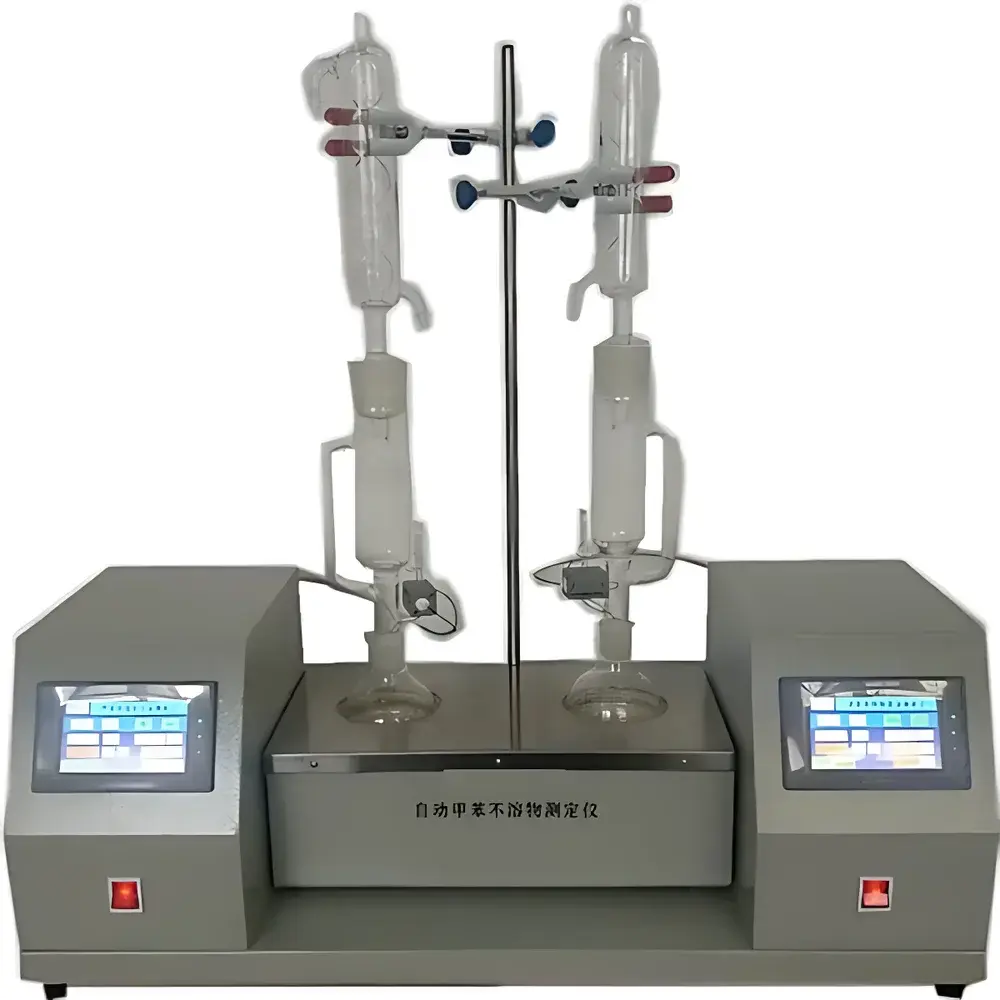
- Automated Toluene-Insolubles Analyzer (HAD-L2292): Dual-station extraction system with 250 mL borosilicate glass flasks; proportional power-controlled heating (300 W × 2); fiber-optic endpoint detection with magnetic coupling for rapid disassembly; audible alarm and auto-shutdown upon endpoint confirmation.
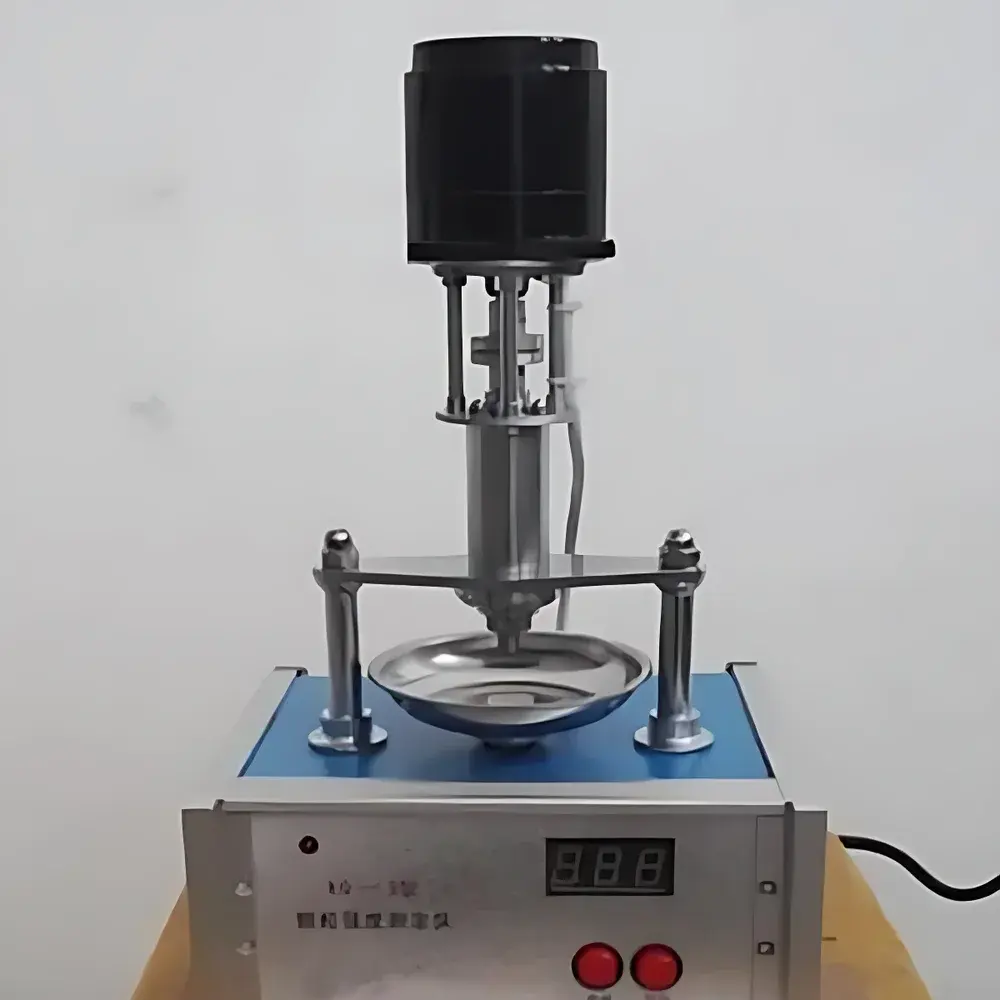
- KQ-5R Granule Strength Tester: Motor-driven compression with programmable load ranges (4 N to 500 N); digital force readout (0.01 N resolution at low range); automatic mean calculation across ≥10 specimens; interchangeable load cells compliant with ISO 13350 and ASTM D6176.
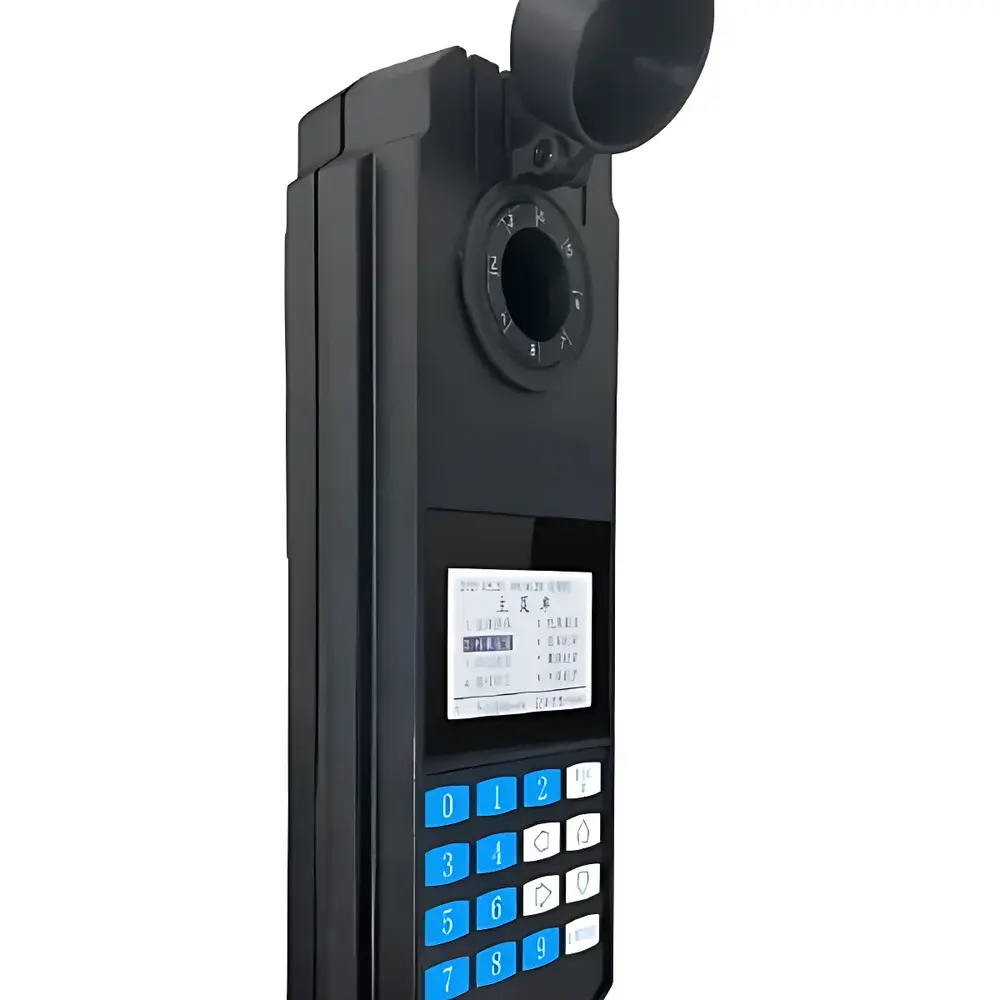
- Portable Precision Turbidimeter (HAD-ZD5): Three-range NTU measurement (0–20 / 20–100 / 100–400 NTU); 0.01 NTU resolution; ≤±2% F.S. accuracy; drift <0.1 NTU/h; compact form factor (80 × 230 × 55 mm) certified per ISO 7027:2016.
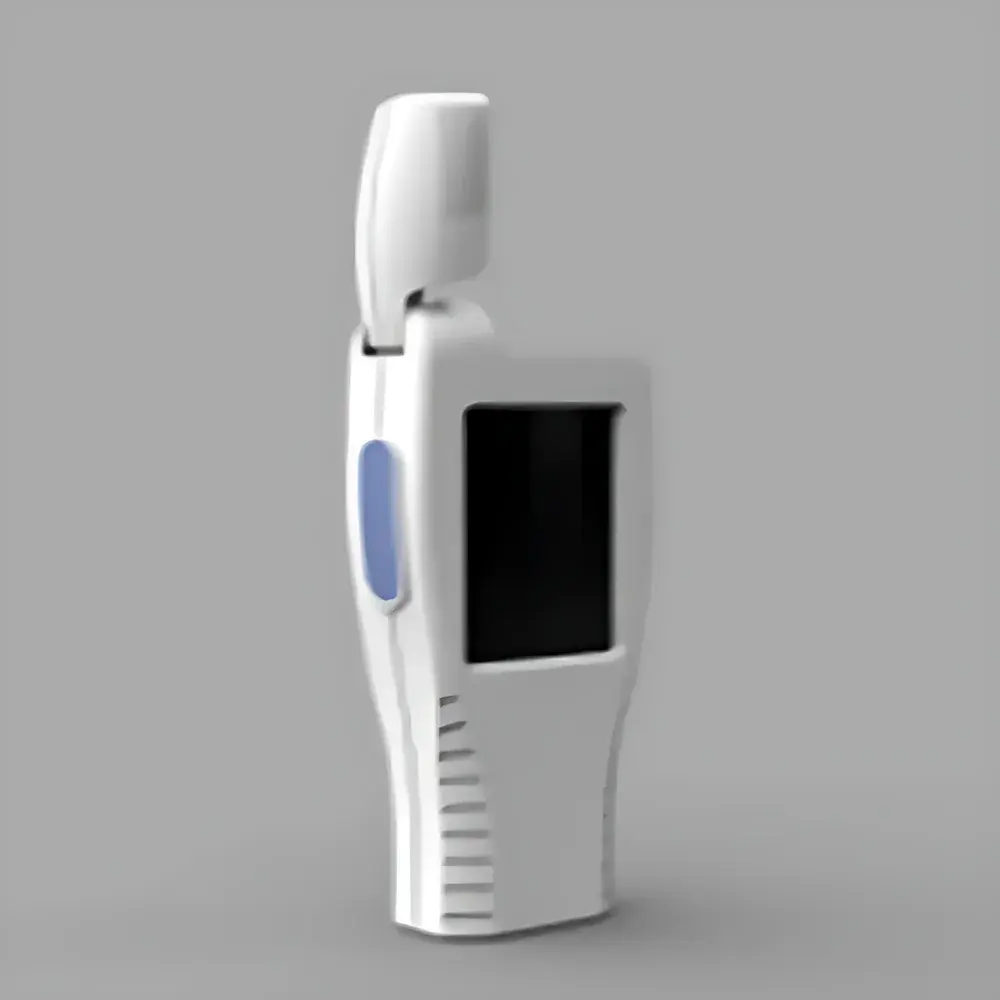
- ATP Bioluminescence Analyzer (HAD-ATP-CM): 3.5″ capacitive touchscreen interface; 32-bit embedded processor; detection limit 1×10⁻¹⁸ mol ATP; RLU output calibrated against ISO 22196 reference strains; built-in self-calibration source; USB data export with proprietary PC software.
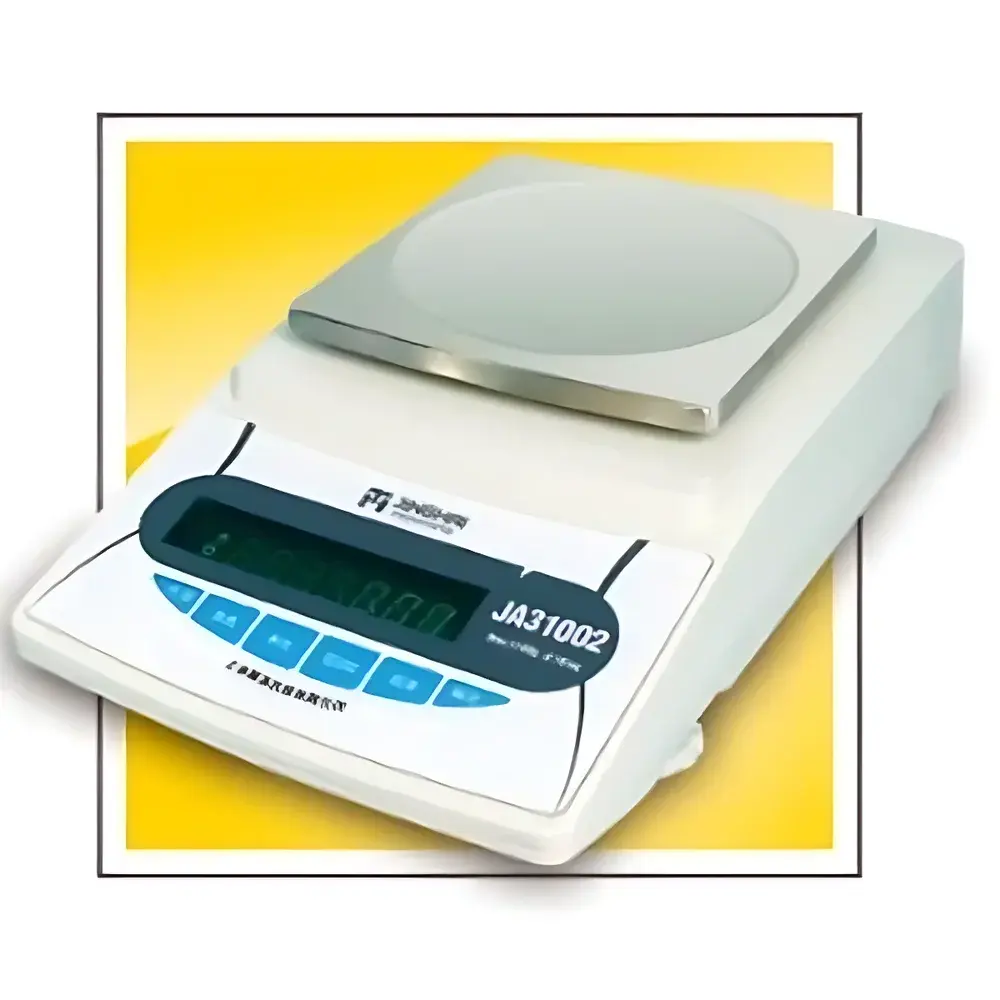
- Precision Electronic Balance (HA-JA31002): 3100 g capacity, 10 mg readability; Φ160 mm stainless steel pan; four-level shock absorption; GLP-compliant functions including piece counting, percentage weighing, below-balance weighing, and unit conversion.
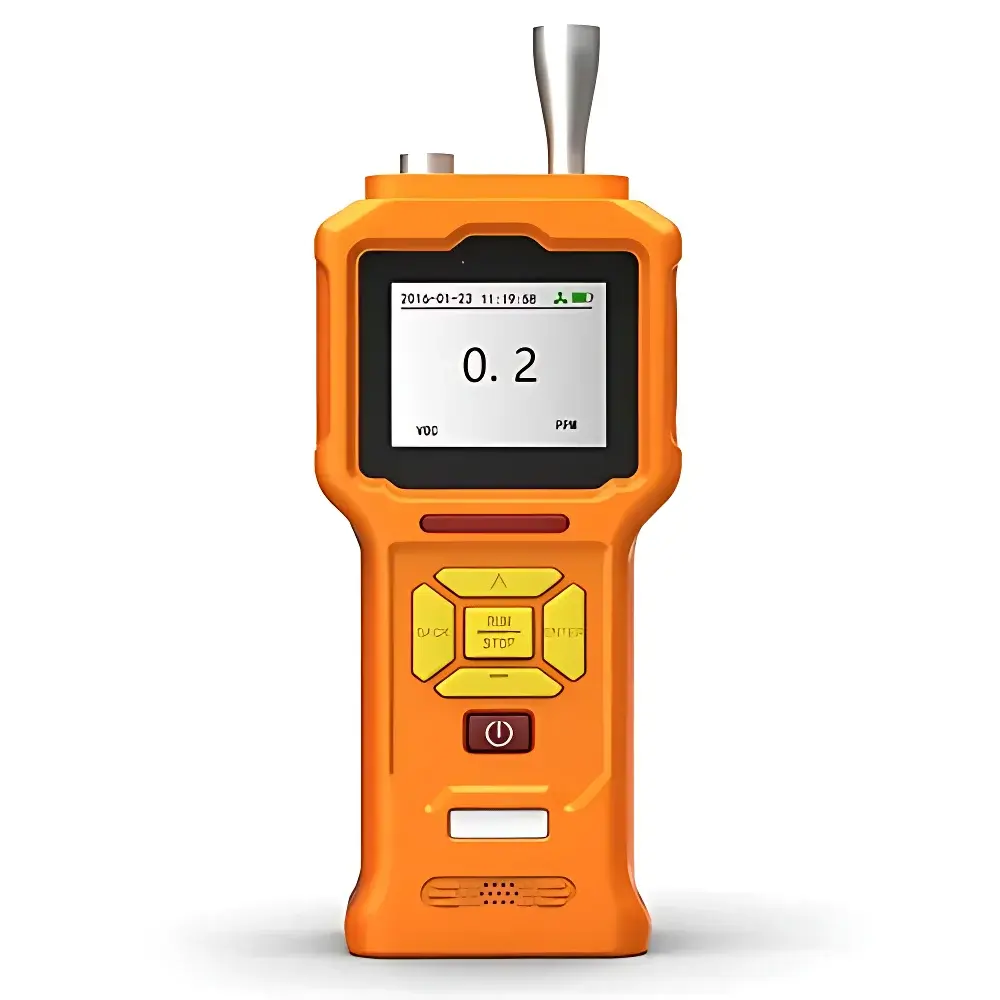
- Pump-Suction Multi-Gas Detector (HAD-T903): Simultaneous electrochemical/IR sensing for CO (0–1000 ppm), H₂S (0–100 ppm), O₂ (0–30% vol), and combustibles (0–100% LEL); 100–1000 mL/min adjustable flow; Exd II CT4 intrinsic safety rating; IP65 enclosure; 100,000-point internal logging.
- Portable Suspended Solids Meter (HAD-WN): Laser scattering optical principle (850 nm diode); immunity to sample color interference; real-time output in mg/L or % w/v; field-deployable probe with temperature compensation.
- Depth Perception Tester (HAD-603A): Tri-bar stereoscopic apparatus conforming to TB/T 3091–2019; motorized center rod displacement (±80 mm); 50 mm/s standard speed; ±0.1 mm positional repeatability; 15.6″ touch LCD with IC card authentication and thermal printer.
- Scotopic Vision Tester (HAD-06A): Controlled photostimulation (5700 cd/m², 30 s), followed by low-luminance Landolt C-ring recognition (0.1–0.15 cd/m²); adjustable test modes (manual/auto/scotopic); 240×320 display with voice-guided protocol.
- Drug Solidification Point Analyzer (HAD-G0613): Dual-cell bath system with borosilicate glass vessel; microcomputer-controlled cooling/heating (±1 °C stability); mechanical stirring; automated endpoint recognition per ChP 2015 Section 0613; thermal printer output.
Sample Compatibility & Compliance
All instruments support routine use with non-hazardous, non-corrosive, and non-radioactive samples within their specified operating envelopes. The toluene-insolubles analyzer accommodates viscous organic feedstocks (e.g., coal tar pitch, road-grade bitumen) per GB/T 2292. The granule strength tester accepts cylindrical or spherical particulates ≥2 mm diameter. The turbidimeter and suspended solids meter are validated for aqueous suspensions containing inorganic colloids, activated sludge, or synthetic polymer dispersions. The ATP analyzer requires commercially supplied, lot-certified swabs with defined lysis efficiency (90–110% ATP recovery). Gas detection modules comply with IEC 60079-0 for explosive atmospheres and meet EN 50104 for toxic gas alarm thresholds. Visual testing units satisfy national railway and occupational medical screening mandates (TB/T 3091, GBZ 188). No instrument is certified for FDA 21 CFR Part 11 electronic records unless deployed with validated third-party LIMS integration.
Software & Data Management
Each instrument features embedded firmware with non-volatile memory for configuration retention and session logging. The ATP analyzer and gas detector provide USB mass-storage mode for raw data export (CSV format). The depth and scotopic vision testers store subject IDs, test timestamps, deviation metrics, and pass/fail flags locally; data export supports HL7-compatible structured reporting when interfaced via optional RS-232 or Bluetooth modules. The turbidimeter and balance include GLP audit trail features—operator ID entry, calibration timestamp logging, and zero-point verification records. All software interfaces are localized in English only; no multilingual UI is provided. Firmware updates require direct connection to manufacturer-issued utility tools—no over-the-air capability is implemented.
Applications
This instrument suite serves cross-sectoral QC needs: asphalt formulation labs use the toluene-insolubles analyzer to assess binder purity; catalyst manufacturers rely on the KQ-5R for crush strength validation prior to reactor loading; municipal wastewater plants deploy the suspended solids and turbidity meters for effluent compliance monitoring (ISO 10523, EPA Method 180.1); pharmaceutical firms apply the solidification point analyzer for polymorph screening during API crystallization development; food processing facilities utilize the ATP meter for sanitation verification against ISO 22000 hygiene clauses; occupational health clinics employ the vision testers for commercial driver certification per national rail and transport regulations; industrial hygienists conduct confined-space gas hazard assessments using the HAD-T903 with documented calibration logs traceable to NIST SRMs.
FAQ
Are calibration certificates included with shipment?
Yes—each instrument ships with a factory-issued calibration report referencing primary standards (e.g., NIST-traceable turbidity standards, certified torque weights, certified gas mixtures). Field recalibration kits are available separately.
Is remote firmware update supported?
No. Firmware updates require physical USB connection to a Windows PC running proprietary configuration software distributed on encrypted U-disk media.
Can the ATP analyzer differentiate between bacterial and fungal ATP?
No. It measures total biologically available ATP. Species-specific identification requires complementary microbiological culture or molecular methods.
What is the expected service life of the laser diode in the suspended solids meter?
Rated minimum operational lifetime is 10,000 hours under continuous use at 25 °C ambient temperature.
Do any instruments meet FDA 21 CFR Part 11 requirements out-of-the-box?
None do. Full Part 11 compliance requires implementation of external audit trail servers, electronic signature infrastructure, and formal validation documentation—none of which are embedded in this suite.




