
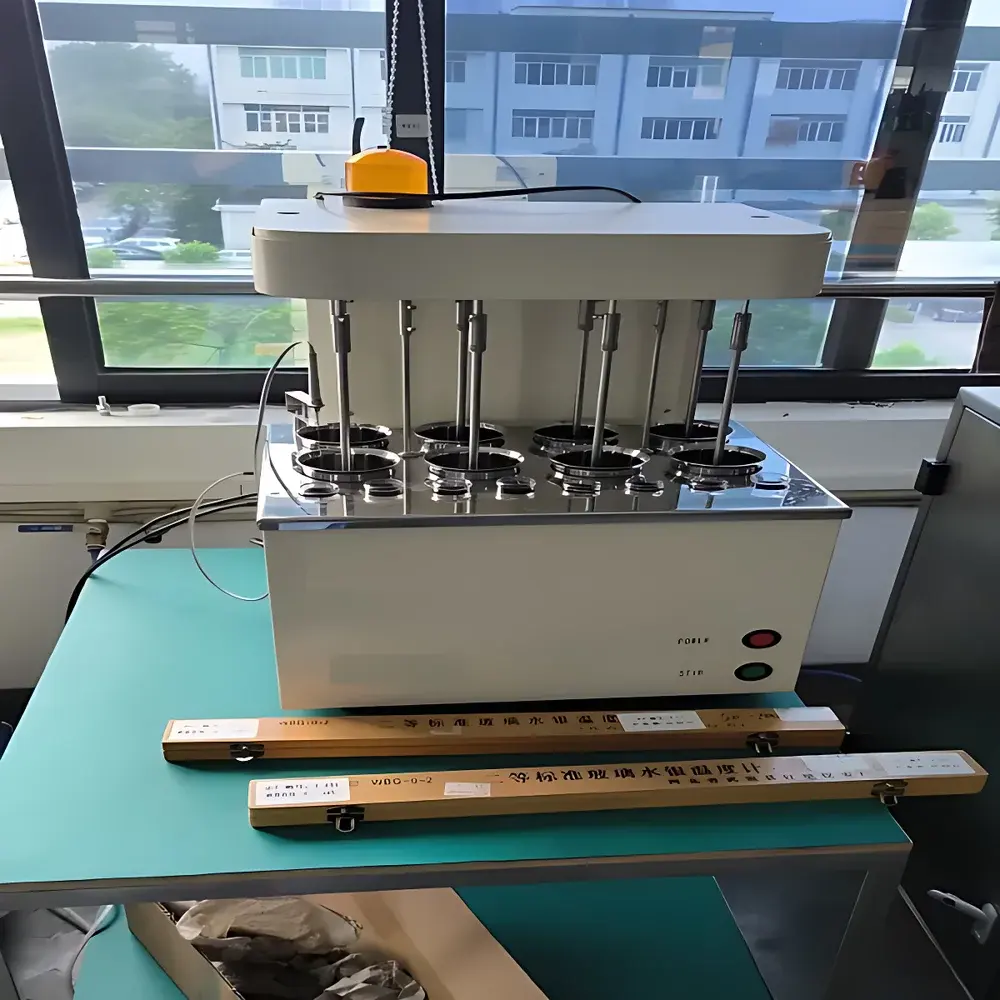
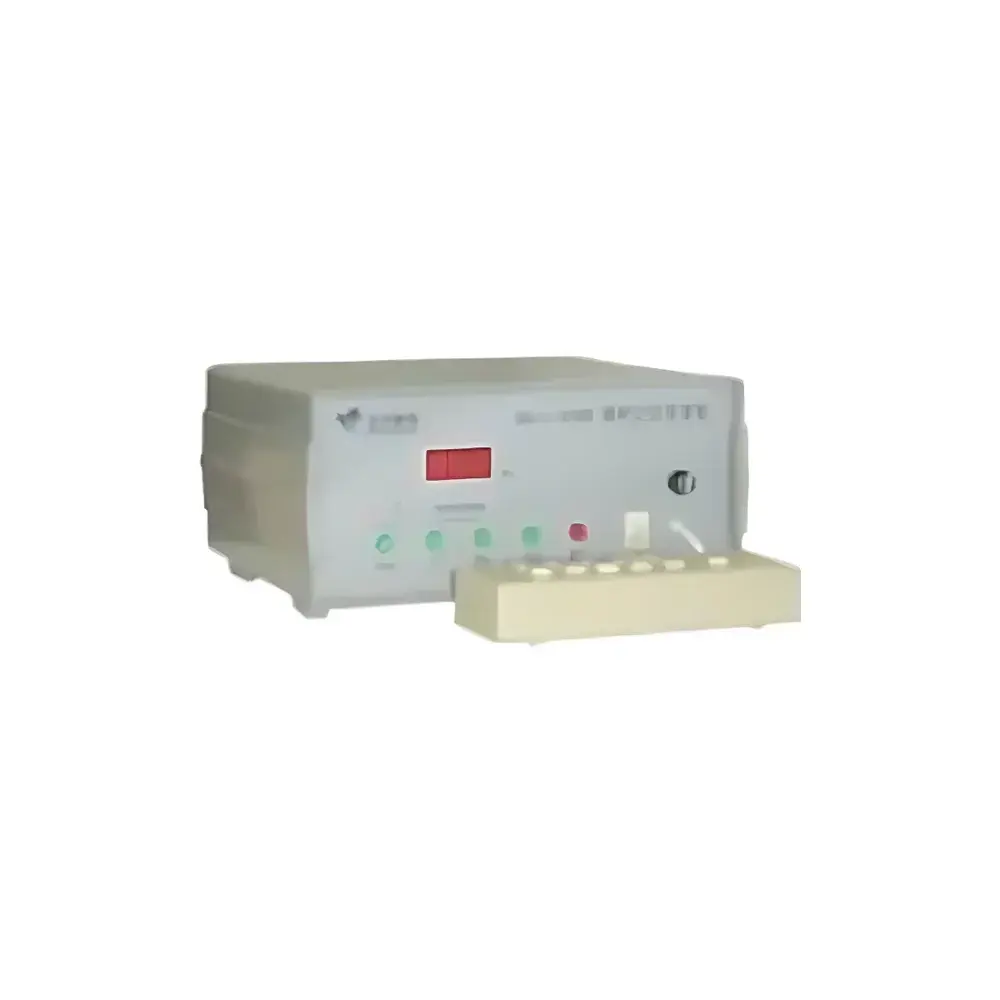
HengaoDe HAD-SPT Fully Automated Smoke Point Tester for Fats and Oils
| Brand | HengaoDe |
|---|---|
| Origin | Beijing, China |
| Manufacturer Type | Authorized Distributor |
| Country of Origin | China |
| Model | HAD-SPT |
| Price | USD 280 (FOB) |
| Temperature Range | Room Temp–300 °C |
| Resolution | 0.1 °C |
| Accuracy | ±0.5% of reading |
| Repeatability | ≤2 °C |
| Heating Rate | Compliant with GB/T 20759–2006 |
| Detection Method | High-Speed Industrial Camera + Real-Time Image Recognition |
| Power Consumption | 650 W |
| Sample Volume | <70 mL |
| Dimensions (L×W×H) | 400×300×250 mm |
| Weight | 20 kg |
| Data Storage | >9,999 test records + 100 video clips |
| Interface | USB, Ethernet |
Overview
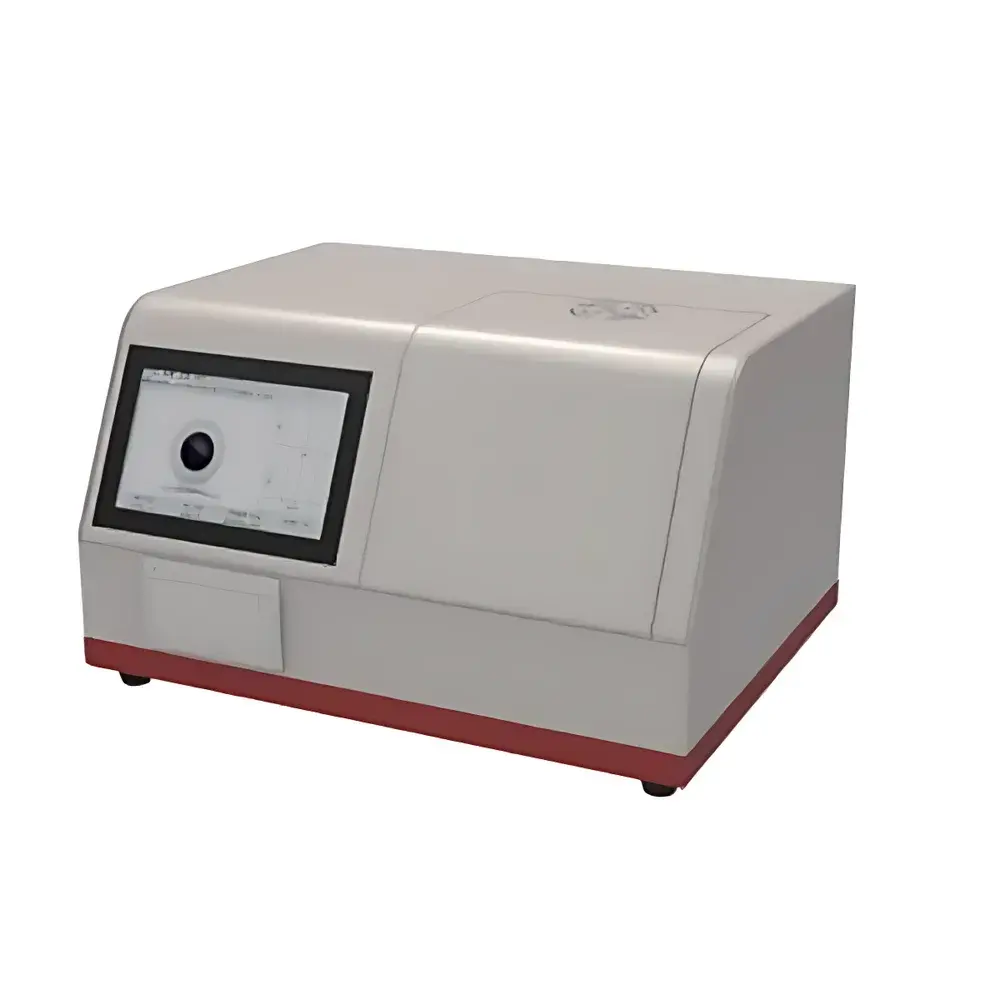
The HengaoDe HAD-SPT Fully Automated Smoke Point Tester is an engineering solution designed to replace subjective visual assessment with objective, image-based quantification of smoke point in edible oils and industrial fats. Smoke point is defined as the temperature at which volatile decomposition products—primarily low-boiling fatty acids, aldehydes, and oxidation byproducts—vaporize and form the first continuous blue smoke under standardized heating conditions. Unlike manual observation or sensor-based approaches susceptible to thermal drift and false triggering, the HAD-SPT employs a calibrated high-speed industrial camera system to capture real-time thermal evolution of the oil surface. Proprietary image recognition algorithms analyze pixel intensity gradients, contrast dynamics, and plume morphology across sequential frames to identify the precise onset of sustained smoke formation. This optical method eliminates observer bias, inter-operator variability, and electronic instability associated with thermocouple-coupled photodiodes or IR sensors—ensuring metrological traceability per ISO/IEC 17025 principles when operated within validated environmental conditions (20–25 °C ambient, <60% RH). The instrument conforms to GB/T 20759–2006 and provides full digital audit trails for each test, including timestamped video, temperature/time curve, operator ID, and calibration status.
Key Features
- True automated smoke point determination via high-resolution video imaging and AI-assisted smoke onset detection
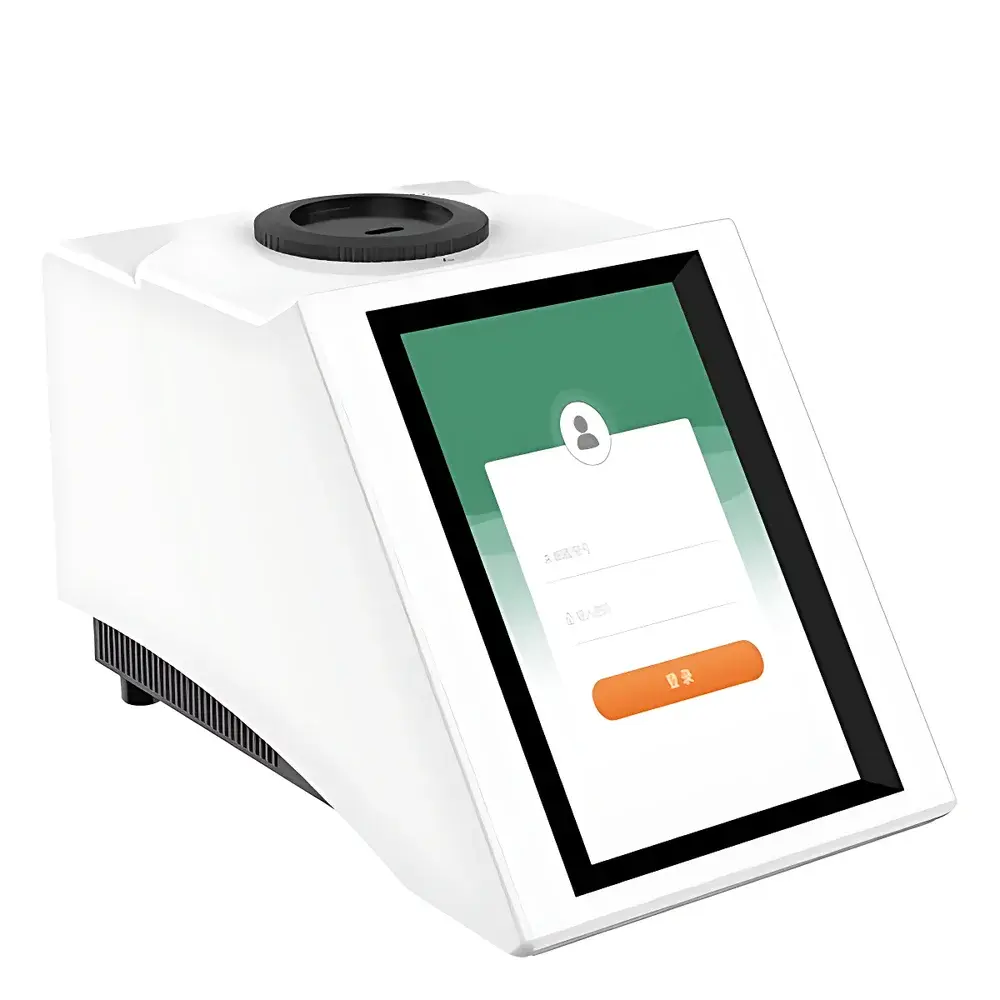
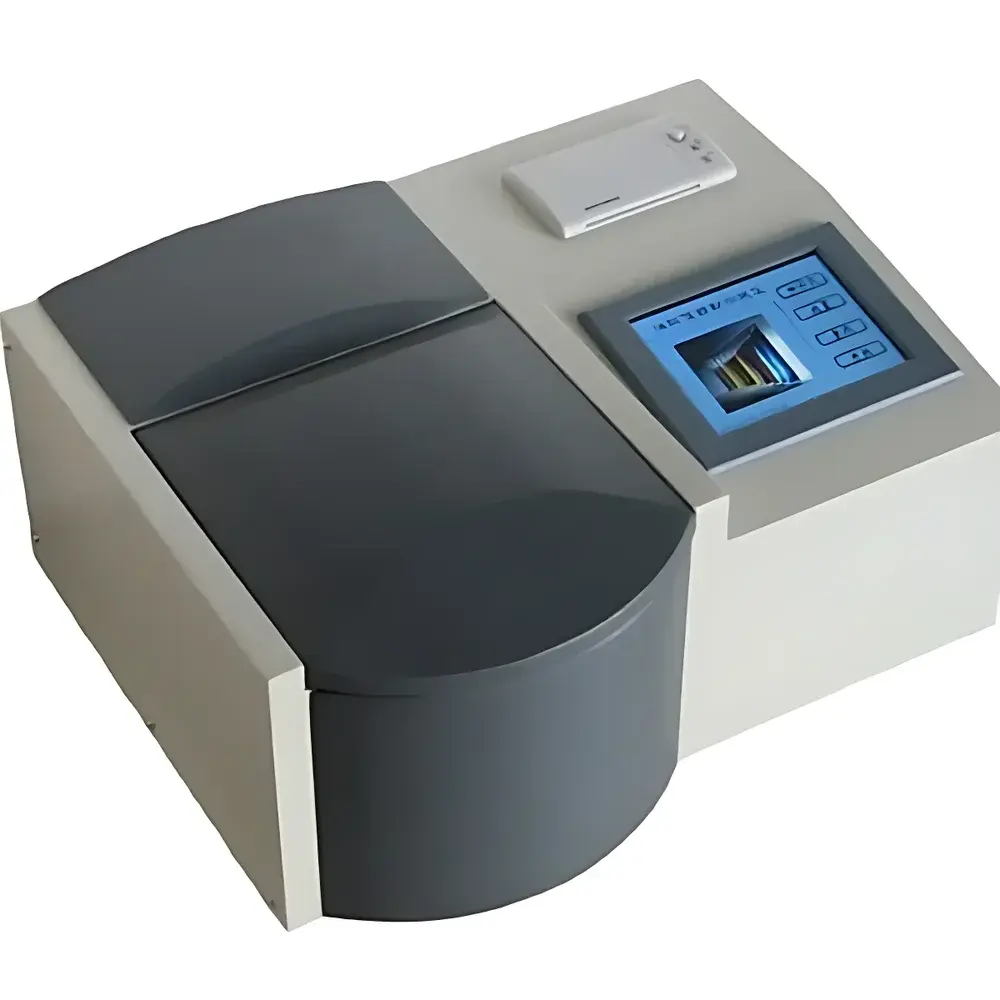
- Full-color TFT-LCD touchscreen interface with intuitive Chinese-language menu navigation and guided workflow prompts
- Real-time on-screen display of live heating zone video synchronized with dynamic temperature vs. time curve plotting
- Automated temperature probe actuation: motorized lift-and-lower mechanism ensures consistent immersion depth and thermal contact
- Integrated thermal management: automatic heater shutdown and forced-air cooling activation upon test completion
- Comprehensive data integrity controls: USB export of PDF/CSV reports, encrypted local storage, and video replay for forensic verification
- On-device error diagnostics with context-sensitive software guidance for parameter correction and procedural recovery
- Configurable test logging: automatic timestamping of start/end times, operator ID, sample ID, and environmental notes
Sample Compatibility & Compliance
The HAD-SPT accommodates a broad range of liquid lipid matrices—including refined vegetable oils (soybean, sunflower, canola), animal fats (lard, tallow), frying oils, and hydrogenated shortening—without modification. Sample volume requirement remains consistently below 70 mL, minimizing material consumption while maintaining representative thermal mass. Instrument validation follows ASTM D92 (Standard Test Method for Flash and Fire Points by Cleveland Open Cup Tester) and GB/T 20759–2006 protocols, with documented correlation studies available upon request. All firmware and software modules comply with GLP requirements for electronic record retention, including immutable timestamps, user authentication logs, and revision-controlled method files. The system supports 21 CFR Part 11–compliant electronic signatures when integrated with external LIMS platforms via Ethernet API.
Software & Data Management
Firmware v3.2 embeds a deterministic real-time operating system ensuring sub-100 ms response latency for critical control loops. Data handling architecture separates acquisition, processing, and archival layers: raw video (H.264 MP4), thermal curves (CSV), and metadata (XML) are stored independently yet cross-referenced via UUID. The embedded database retains ≥9,999 complete test entries with full field-level encryption. USB export generates tamper-evident PDF reports containing QR-coded verification hashes; Excel exports include all intermediate calculation steps for third-party reanalysis. Audit trail functionality captures every system event—login/logout, parameter change, calibration execution, report generation—with operator ID, timestamp, and IP address (if networked). Remote firmware updates are supported via signed .bin files loaded from USB drive, eliminating need for service visits.
Applications
This instrument serves quality assurance laboratories in edible oil refineries, food ingredient suppliers, and regulatory testing centers requiring repeatable, auditable smoke point measurements for compliance with Codex Alimentarius standards (CODEX STAN 210–1999), EU Regulation (EC) No 1528/2001, and national labeling mandates. It is routinely deployed in R&D settings evaluating thermal stability of novel lipid formulations (e.g., high-oleic oils, structured triglycerides), monitoring degradation kinetics during accelerated shelf-life studies, and validating refining process parameters (deodorization temperature/time profiles). Educational institutions utilize its video playback feature to demonstrate Maillard reaction onset and oxidative cascade progression in undergraduate food chemistry curricula.
FAQ
Does the HAD-SPT require periodic recalibration of the camera system?
No—optical path calibration is factory-performed and mechanically locked; only annual verification using NIST-traceable reference oils (e.g., AOCS Cd 12b–04 certified standards) is recommended.
Can test videos be exported for external forensic review?
Yes—full-resolution MP4 files (1920×1080 @ 60 fps) are exportable via USB with embedded metadata including temperature log and frame-accurate smoke onset marker.
Is the instrument compatible with laboratory information management systems (LIMS)?
Yes—Ethernet interface supports Modbus TCP and HTTP RESTful APIs for bidirectional data exchange; sample ID, result, and status codes are programmatically accessible.
What maintenance is required for long-term operational reliability?
Annual cleaning of optical window with lint-free cloth and isopropyl alcohol; no consumables other than standard thermal printer paper.
How does the system handle viscous or cloudy oils that may obscure smoke visualization?
Adaptive contrast enhancement algorithms dynamically adjust gain and gamma correction per frame; users may manually select ROI masking to exclude non-representative surface regions.





