HengaoDe HAD-3900 Carbonate Ion Online Analyzer | Particle Counter | Automatic Oscillator | Ring Method Interfacial Tensiometer | Liquid Resistivity Meter | Melt Flow Rate Tester
| Brand | HengaoDe |
|---|---|
| Origin | Beijing, China |
| Manufacturer Type | Authorized Distributor |
| Country of Origin | China |
| Model | HAD-3900 |
| Price | USD 1,350 (FOB Beijing) |
| Measurement Principle (Carbonate) | Optical Titration |
| Range (Carbonate) | 0–100 g/L |
| Accuracy (Carbonate) | ±10% |
| Repeatability (Carbonate) | ±5% |
| Response Time (Carbonate) | ≥10 min |
| Output Signal | 4–20 mA |
| Particle Size Range (HAD-ZCA) | 5–150 µm |
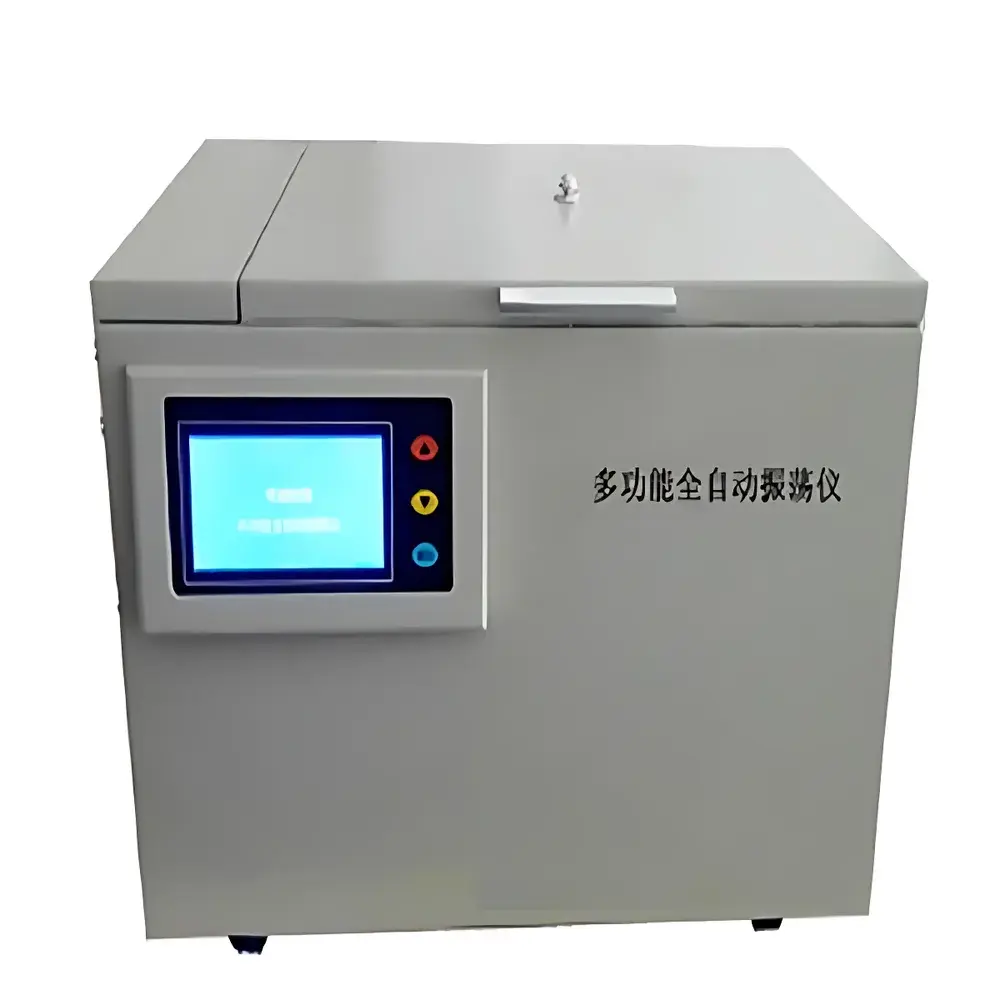
| Oscillation Frequency (HAD-2000) | 275 ± 3 rpm |
| Amplitude (HAD-2000) | 35 mm |
| Temperature Control Range (HAD-2000) | RT–100 °C |
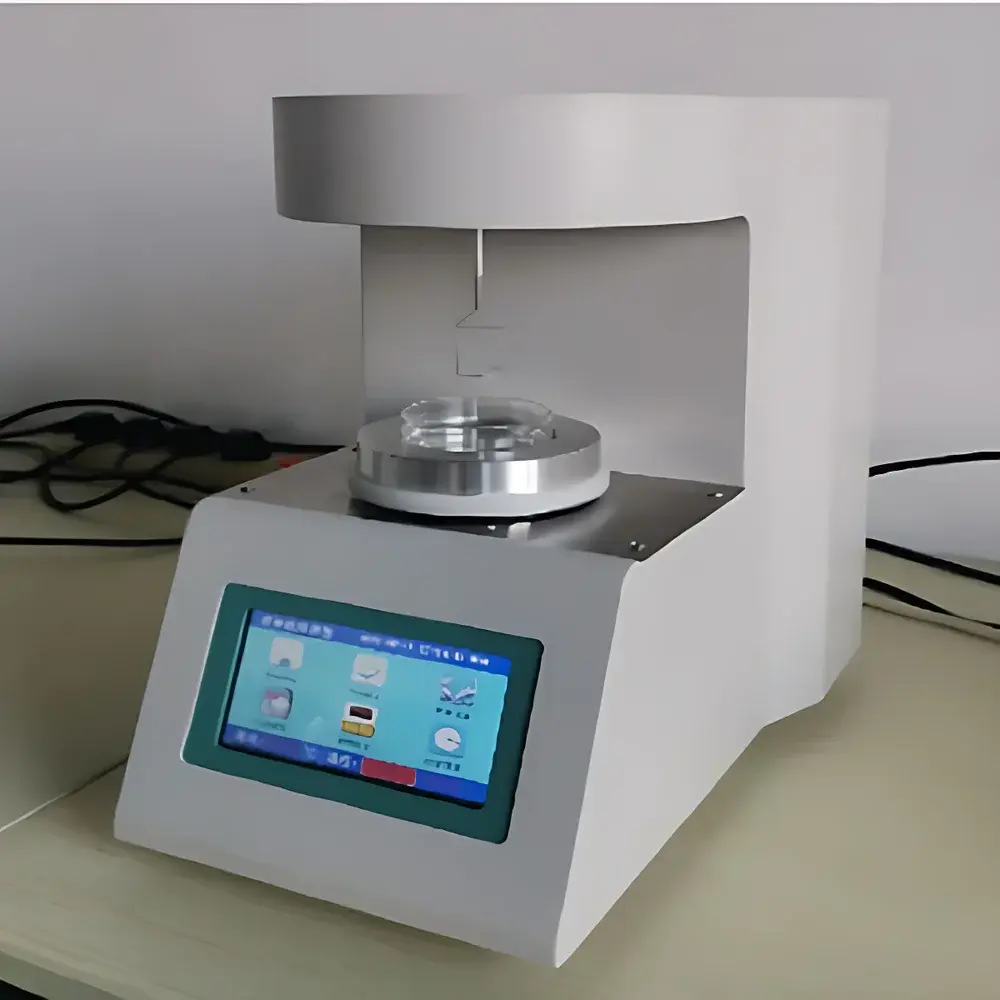
| Interfacial Tension Method (HAD-JMZL) | Du Noüy Ring |
| Range (Tension) | 1–200 mN/m |
| Sensitivity (Tension) | 0.1 mN/m |
| Accuracy (Tension) | ±0.2 mN/m |
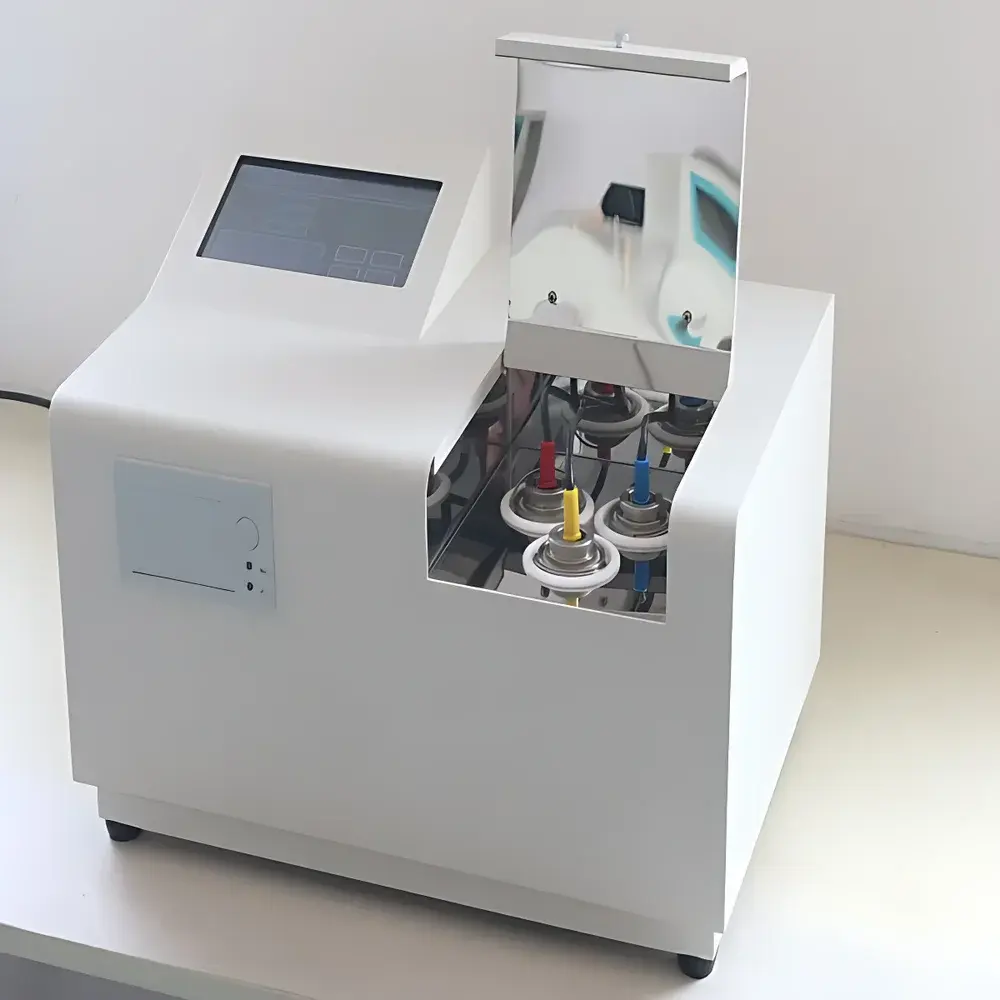
| Resistivity Range (HAD-DZL) | 2.0×10⁵ – 2.0×10¹⁴ Ω·m |
| Test Voltage (HAD-DZL) | 500 VDC ±0.5% |
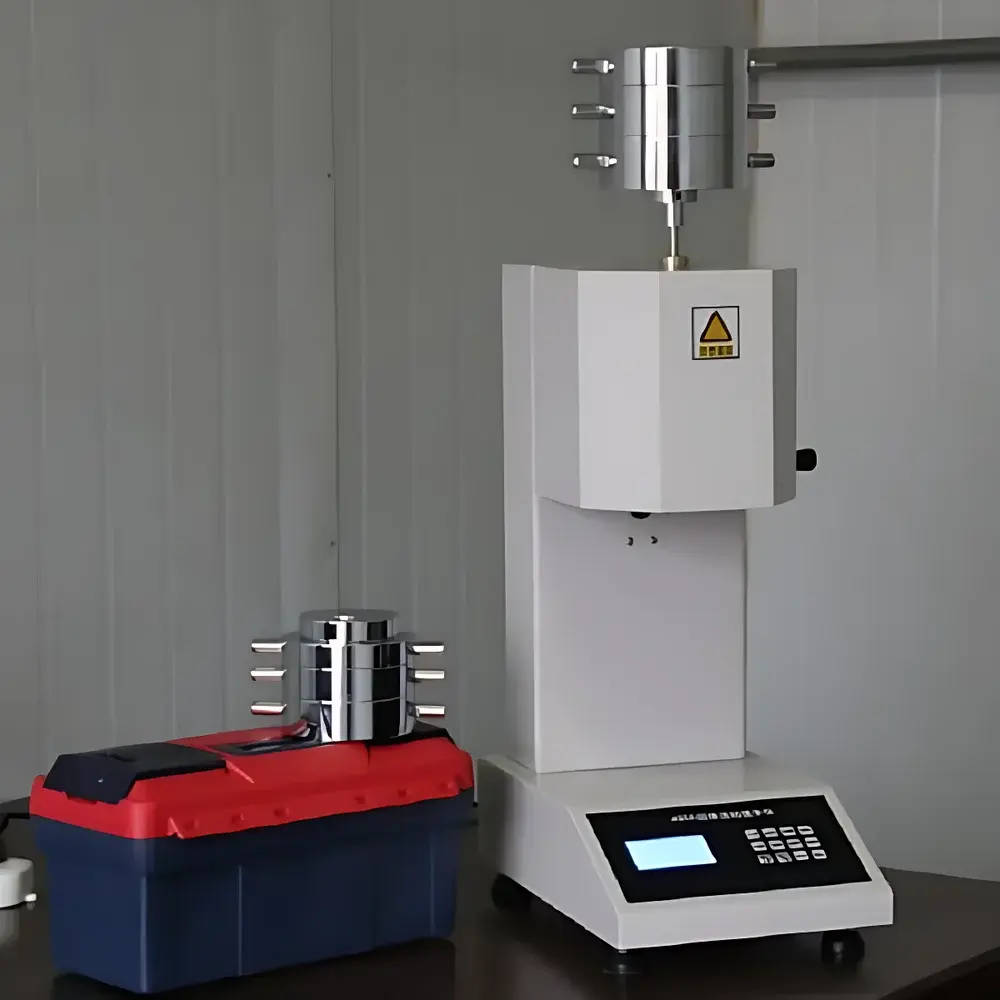
| MFR Standard Compliance | GB/T 3682-2000 |
| Die Dimensions (HAD-R400A) | Capillary ID = 2.095 ± 0.005 mm, L = 8.000 ± 0.025 mm |
Overview
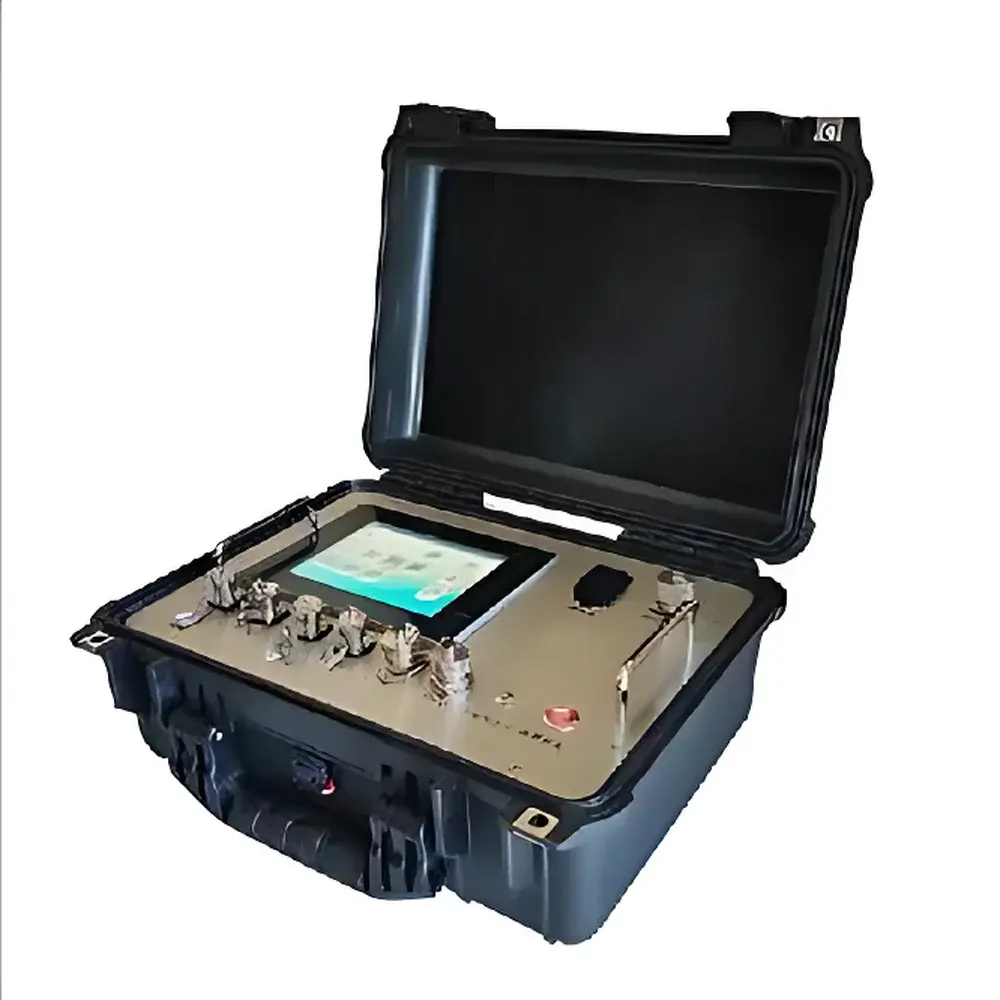
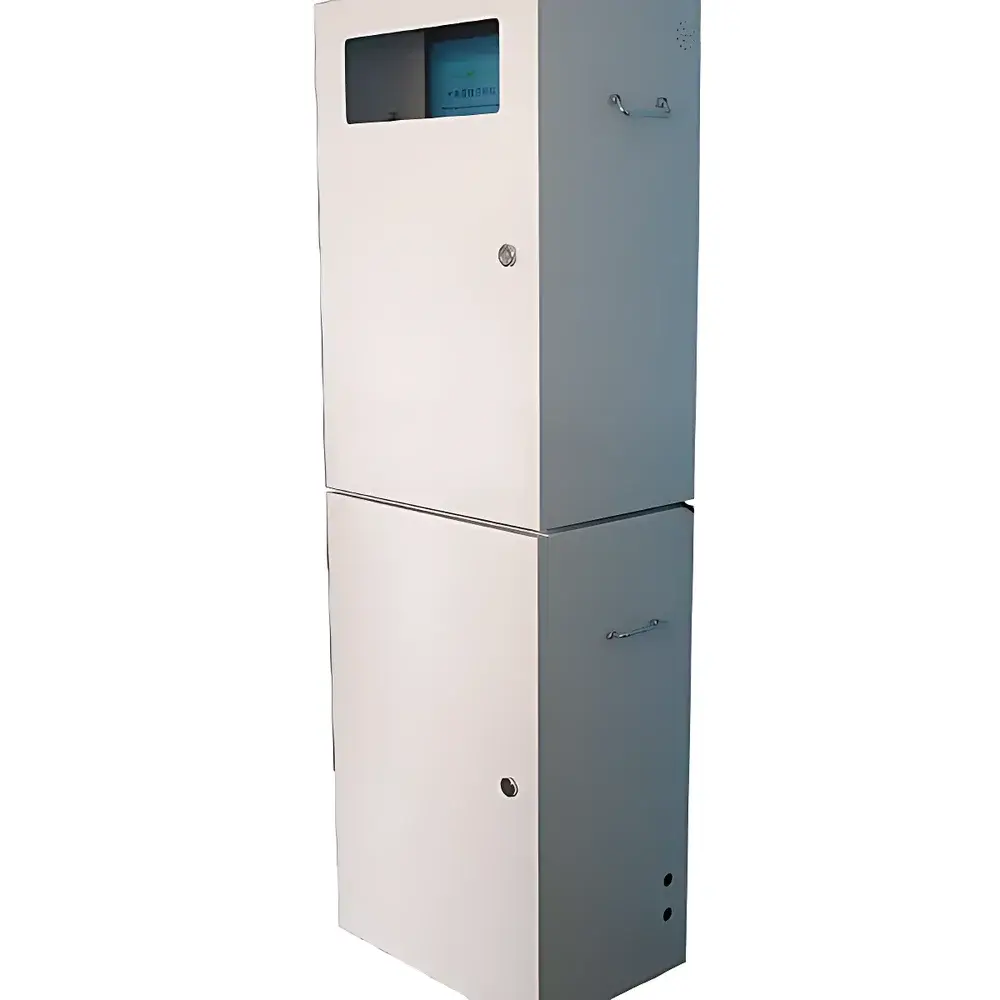
The HengaoDe HAD-3900 Multi-Function Analytical Instrument Platform integrates six distinct laboratory and process monitoring modules into a unified hardware architecture designed for industrial water quality control, polymer characterization, interfacial science, and electrical property testing. Each module operates independently but shares common design principles: robust mechanical construction, embedded microcontroller-based control (FreeRTOS or 32-bit MCU core), and compliance-ready data handling protocols. The carbonate ion online analyzer employs continuous-flow optical titration—detecting absorbance or turbidity shifts during stoichiometric reaction with standardized acid reagent—to quantify CO₃²⁻ in real time across boiler feedwater, cooling tower circulation, wastewater effluent, and potable water streams. This method aligns with ASTM D511 and ISO 9963-1 for alkalinity-related anion quantification. The particle counter (HAD-ZCA) implements visual particle counting per DL 432–92, enabling rapid assessment of suspended contamination in hydraulic fluids and solvents using calibrated microscopy and standardized filtration. The automatic oscillator (HAD-2000) delivers precise, repeatable mechanical agitation under programmable thermal conditions—critical for ASTM D2272 oxidation stability tests and IP 301 emulsion separation studies. The ring-method tensiometer (HAD-JMZL) applies the Du Noüy principle to determine interfacial tension at liquid–liquid or liquid–air boundaries, supporting formulation development in coatings, pharmaceutical emulsions, and enhanced oil recovery research. The liquid resistivity meter (HAD-DZL) conforms to DL 421–91 and GB/T 5654 for insulating oil and dielectric fluid evaluation, delivering high-impedance measurements up to 10¹⁴ Ω·m with active temperature compensation. Finally, the melt flow rate tester (HAD-R400A) complies fully with GB/T 3682–2000 (equivalent to ISO 1133–1), ensuring reproducible extrusion-based rheological assessment of thermoplastic resins under controlled load and temperature.
Key Features
- Modular architecture enables selective deployment of individual analyzers without cross-interference.
- Optical titration system for carbonate ion analysis features self-calibrating photodetector array and low-reagent-consumption microfluidic manifold (≤1.2 mL per analysis cycle).
- Particle counter includes integrated vacuum filtration station, calibrated 50 mm glass frit, solvent-resistant housing, and ISO 11171-compliant reference particles for verification.
- Oscillator utilizes brushless DC motor drive with PID-controlled thermal chamber (±0.2 °C stability from RT to 50 °C), programmable multi-stage protocols (e.g., 20-min shake + 10-min rest cycles), and acoustic noise suppression (<40 dB(A)).
- Tensiometer incorporates electromagnetic force compensation transducer (0.1 mN/m resolution), real-time dynamic curve plotting, dual-language UI, and auto-compensation for ambient temperature drift.
- Resistivity meter uses guarded triaxial electrode cell, 500 VDC stabilized source, and digital filtering to suppress polarization effects during high-resistance measurement.
- MFR tester features precision-ground stainless steel die (2.095 mm ±0.005 mm), temperature-stabilized barrel (±0.1 °C), and automated cut-off timing with event logging for each extrudate segment.
Sample Compatibility & Compliance
All instruments are validated for use with aqueous solutions, hydrocarbon solvents, polymer melts, and insulating oils within specified physicochemical limits. The carbonate analyzer accommodates samples with turbidity ≤50 NTU and suspended solids <50 mg/L; pretreatment is integrated via sedimentation and membrane filtration. Particle counting adheres to ISO 4406 and NAS 1638 classification standards when used with certified calibration suspensions. Oscillation testing meets ASTM D943, D2272, and IEC 60296 requirements for lubricant aging and emulsion stability. Interfacial tension measurements satisfy ASTM D971 and ISO 6295 for surfactant efficacy evaluation. Resistivity testing fulfills IEEE Std 62 and IEC 60156 criteria for transformer oil condition monitoring. Melt flow rate determination is traceable to NIM (China National Institute of Metrology) certified reference materials and supports GLP audit trails via timestamped parameter logs.
Software & Data Management
Each instrument embeds local firmware with non-volatile memory for method storage, calibration history, and fault diagnostics. The carbonate analyzer outputs linear 4–20 mA analog signals compatible with DCS/SCADA systems and includes Modbus RTU (RS-485) for digital integration. All units support CSV export via USB host interface; the resistivity meter and tensiometer provide RS-232 and USB-C connectivity for direct PC acquisition. Audit-trail functionality records operator ID (via optional RFID badge reader), calibration events, and critical parameter changes—supporting FDA 21 CFR Part 11 compliance when deployed in regulated environments. Firmware updates are delivered via signed binary packages with SHA-256 verification. No cloud dependency: all data remains on-device unless explicitly exported.
Applications
- Power generation: Continuous carbonate monitoring in condensate polishing loops and feedwater chemistry control programs.
- Petrochemical QA/QC: Particle contamination grading of turbine oils, hydraulic fluids, and jet fuels per ISO 4406 Class codes.
- Pharmaceutical manufacturing: Emulsion stability assessment during formulation development and excipient compatibility screening.
- Coatings R&D: Interfacial tension profiling of surfactant blends for dispersion stability and wetting optimization.
- Electrical utilities: Dielectric fluid resistivity trending for predictive maintenance of power transformers and switchgear.
- Plastics processing: MFR verification for incoming resin lots and in-process quality assurance during extrusion line start-up.
- Environmental labs: Alkalinity speciation in surface water and wastewater treatment plant influent/effluent streams.
FAQ
Does the HAD-3900 platform support remote configuration via Ethernet or Wi-Fi?
No—network connectivity is limited to RS-485 (Modbus RTU) and USB host/device modes. Ethernet or wireless interfaces are not implemented to maintain electromagnetic compatibility in industrial settings.
Can the carbonate analyzer be calibrated using NIST-traceable standard solutions?
Yes—calibration is performed using certified sodium carbonate reference standards (e.g., NIST SRM 3107a), with documented uncertainty budgets available upon request.
Is the melt flow rate tester compliant with ISO 1133–1:2011?
It satisfies all mechanical dimensional tolerances and thermal stability requirements of ISO 1133–1:2011, though formal certification requires third-party validation per ISO/IEC 17025.
What maintenance intervals are recommended for the particle counter’s vacuum pump?
The diaphragm-type vacuum pump requires oil-free operation and scheduled filter replacement every 6 months under continuous use; service kit P/N HAD-ZCA-MAINT-KIT includes all consumables.
Do the tensiometer and resistivity meter include built-in temperature calibration verification?
Both instruments perform automatic internal reference checks at startup using PT1000-grade thermal sensors; external verification with NIST-traceable thermometer is recommended quarterly.