
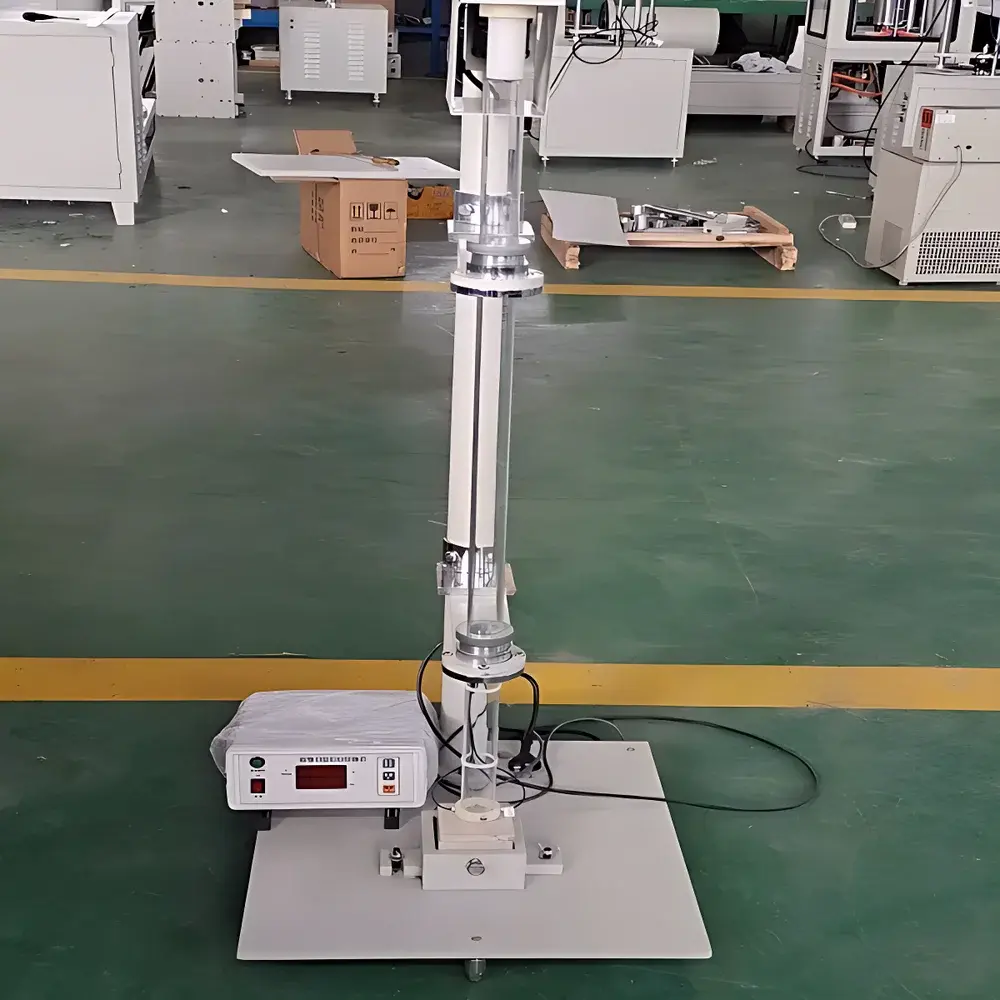
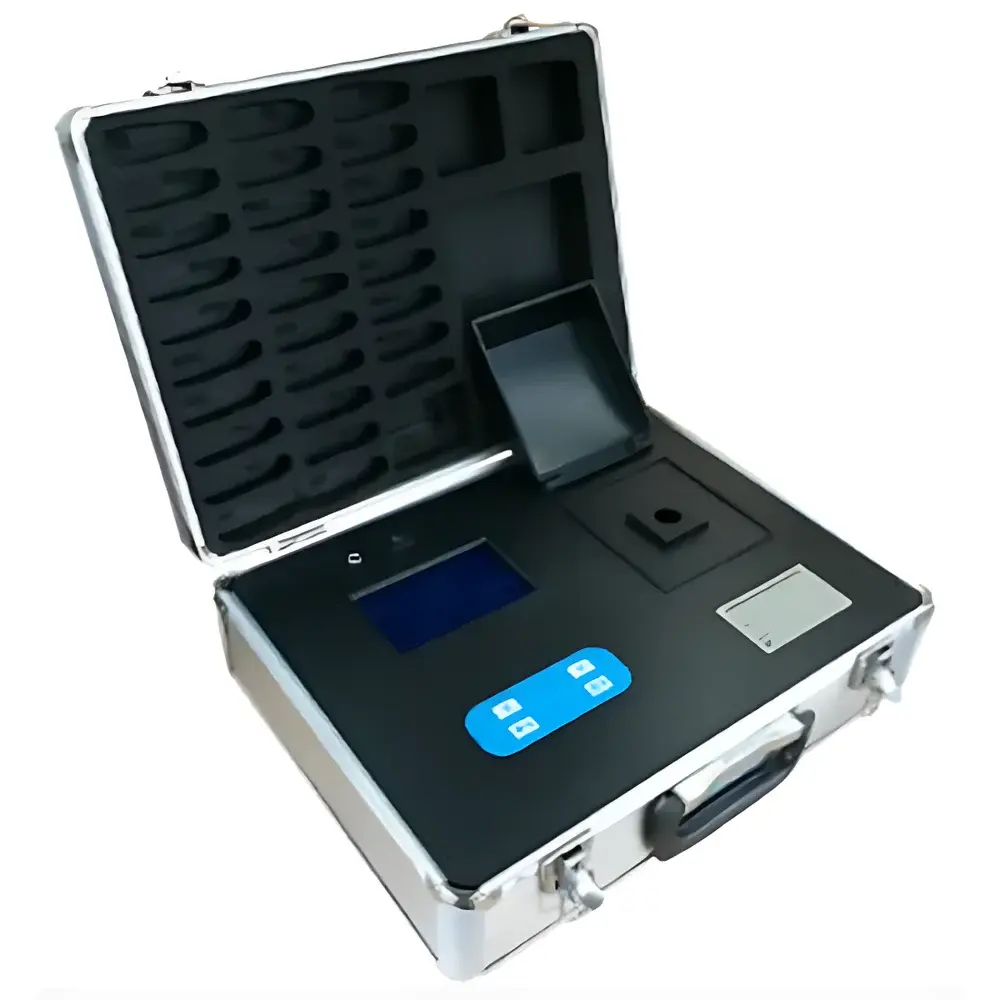
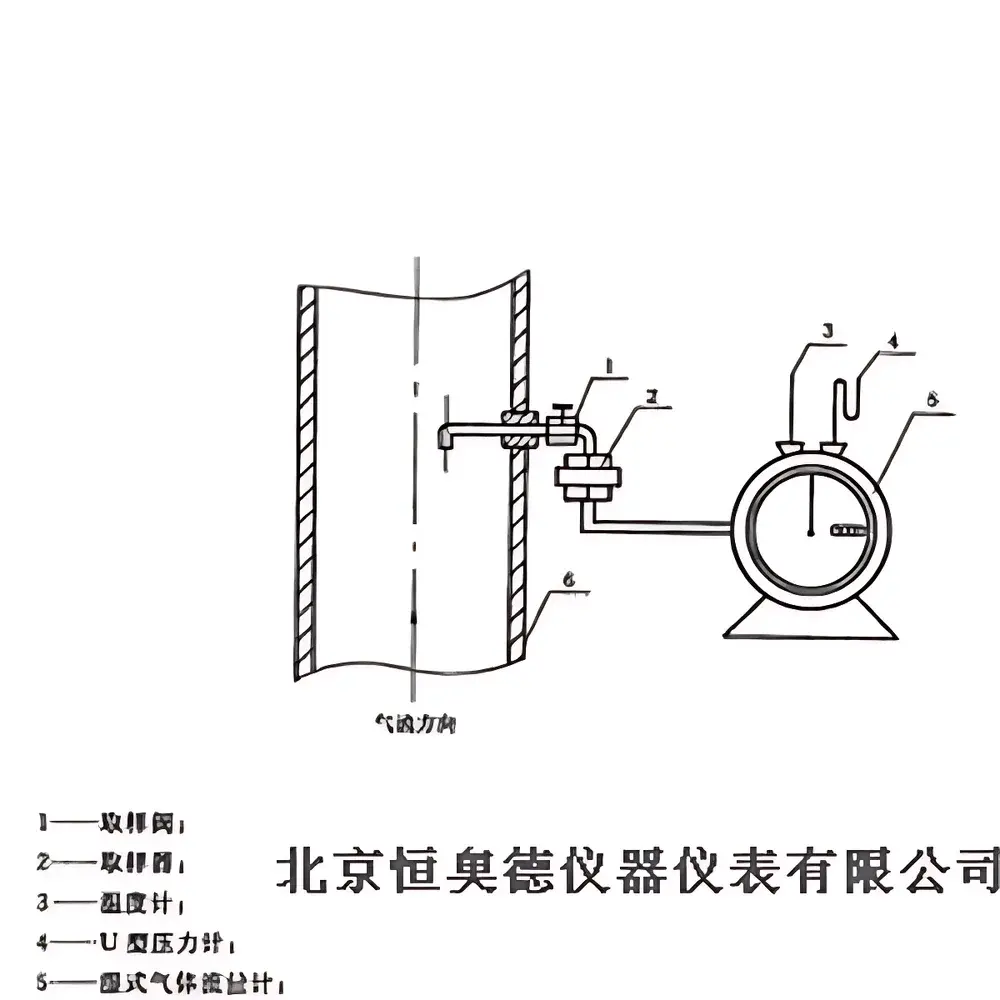
HengaoDe HAD-TCY Ceramic Tile Impact Tester (Coefficient of Restitution Tester)
| Brand | HengaoDe |
|---|---|
| Origin | Beijing, China |
| Manufacturer Type | General Distributor |
| Country of Origin | China |
| Model | HAD-TCY |
| Price | USD 42.50 (based on ¥298 at 1 USD ≈ ¥7) |
Overview
The HengaoDe HAD-TCY Ceramic Tile Impact Tester is a precision mechanical instrument engineered for the standardized determination of the coefficient of restitution (COR) in rigid planar materials—including ceramic tiles, tempered glass, and other brittle construction substrates. It operates on the fundamental principle of free-fall impact dynamics: a calibrated chromium steel sphere is released from a fixed vertical height (1000 mm) onto a horizontally mounted specimen; the rebound height is derived indirectly via high-resolution time-of-flight measurement between first and second contact events. The COR—calculated as the square root of the ratio of rebound kinetic energy to incident kinetic energy—is directly correlated to material resilience and fracture resistance under transient loading. This method conforms strictly to ISO 10545-5:1996 and GB/T 3810.5–2006, both of which define test conditions, specimen preparation, and pass/fail criteria for tile impact performance in architectural and industrial applications. The instrument’s design eliminates operator-dependent variables such as release inconsistency or visual parallax, ensuring metrological traceability in quality control laboratories operating under GLP or ISO/IEC 17025 frameworks.
Key Features
- Fixed drop height of 1000 mm ± 0.5 mm, mechanically stabilized via adjustable leveling feet on a rigid steel base frame
- Chromium steel impact sphere: diameter 19.00 ± 0.05 mm, hardness ≥ 60 HRC, certified mass uniformity per ASTM E23
- Electromagnetic release mechanism with zero-contact initiation, eliminating pre-release vibration or drag
- Optical time-of-flight sensor system with 1 µs resolution (equivalent to ±0.045 mm positional uncertainty in rebound height), compliant with IEC 60751 Class A timing standards
- Integrated digital timer display with dual-channel event logging (first impact and second bounce)
- Modular test fixture with micrometer-adjustable specimen clamping to ensure precise center-impact alignment within ±0.5 mm tolerance
- Conformance to QBT 4064–2010 for tempered glass impact testing, enabling cross-material validation in safety-critical applications
Sample Compatibility & Compliance
The HAD-TCY accommodates flat, rigid specimens up to 300 mm × 300 mm × 25 mm thickness, including glazed and unglazed ceramic tiles (ISO 13006), porcelain stoneware (EN 14411), and thermally toughened soda-lime silicate glass (EN 12150-1). Specimen mounting follows strict surface flatness requirements ( 70 GPa) to prevent energy dissipation through flexure. All test procedures align with ISO/IEC 17025 clause 7.2.2 for method validation, and data records support audit trails required under FDA 21 CFR Part 11 when used in regulated manufacturing environments. Calibration certificates are traceable to NIM (National Institute of Metrology, China) reference standards.
Software & Data Management
While the HAD-TCY operates as a stand-alone electromechanical tester without embedded firmware, its time-stamped output (T in seconds) is fully compatible with external laboratory information management systems (LIMS) via RS-232 or USB-to-serial interface (optional adapter). Raw time values are exported as CSV files for automated COR calculation: e = √(t₂/t₁), where t₁ and t₂ denote first and second impact intervals. The instrument supports GLP-compliant documentation through integration with validated spreadsheet templates (e.g., Microsoft Excel with password-protected calculation logic) that enforce rounding per ISO 80000-1:2022 and generate audit-ready reports including operator ID, environmental temperature/humidity logs, and calibration expiry dates.
Applications
This tester is routinely deployed in tile manufacturing QC labs to verify compliance with EN 14411 Annex G (impact resistance classification), in construction material certification bodies for CE marking assessments, and in R&D settings evaluating novel glaze formulations or sintering profiles. Its secondary applicability extends to automotive glass suppliers validating side-window impact behavior per ECE R43, and to academic materials science programs studying energy absorption mechanisms in brittle ceramics. When paired with acoustic emission sensors (not included), it enables correlative analysis of crack initiation thresholds versus COR values.
FAQ
What standards does the HAD-TCY explicitly satisfy?
ISO 10545-5:1996, GB/T 3810.5–2006, and QBT 4064–2010 — all verified via third-party type examination reports.
Is calibration verification possible without external equipment?
Yes: built-in timing accuracy is confirmed using NIST-traceable stopwatch calibration against a 1 kHz quartz oscillator reference signal.
Can the instrument be used for non-ceramic materials like polymer composites?
Only if the material exhibits elastic recovery behavior and meets the minimum stiffness threshold (E > 5 GPa); ductile or viscoelastic samples require alternative test methods per ASTM D7192.
What maintenance is required to sustain measurement integrity?
Monthly inspection of sphere surface finish (via 100× metallurgical microscope), quarterly verification of drop-height repeatability (±0.3 mm), and annual recalibration of time sensor against atomic clock reference.
Does the device include software for automatic COR calculation?
No — it outputs raw time values only; however, a validated Excel macro template is available upon request for automated reporting compliant with ISO/IEC 17025 clause 7.7.






