
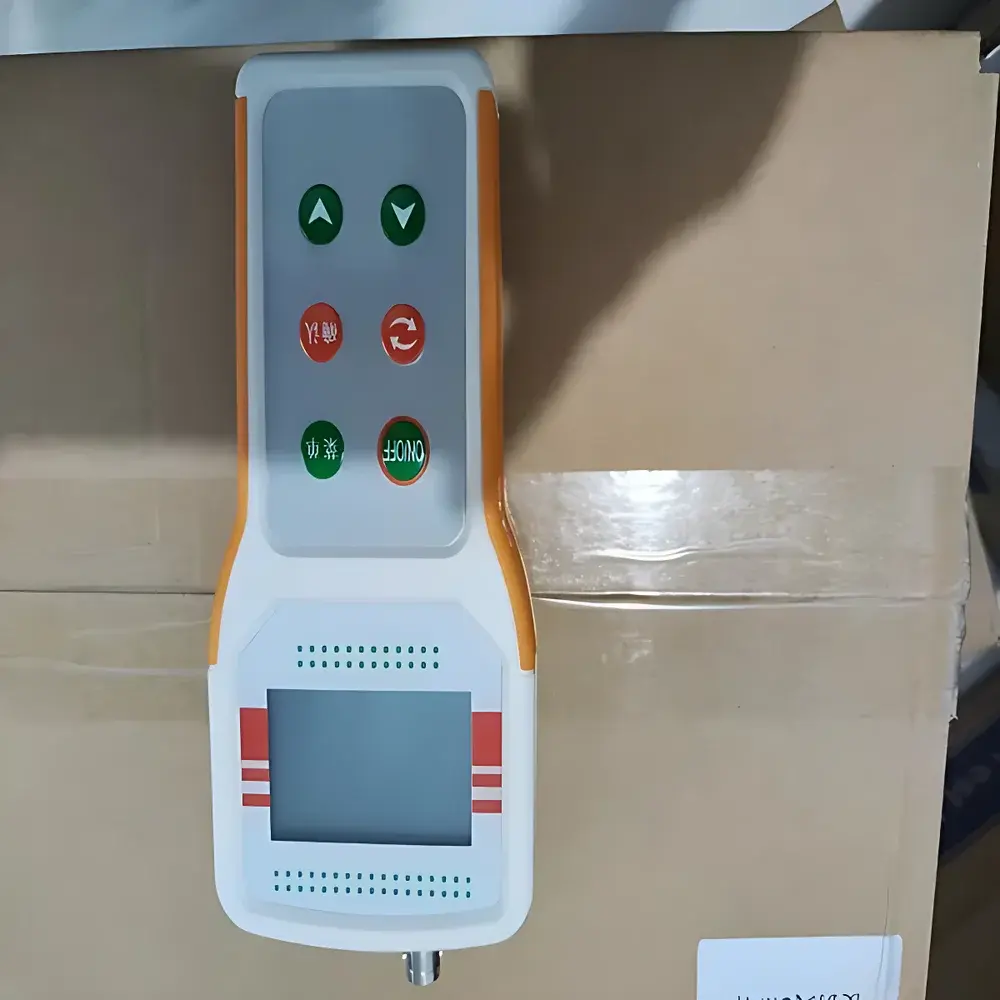
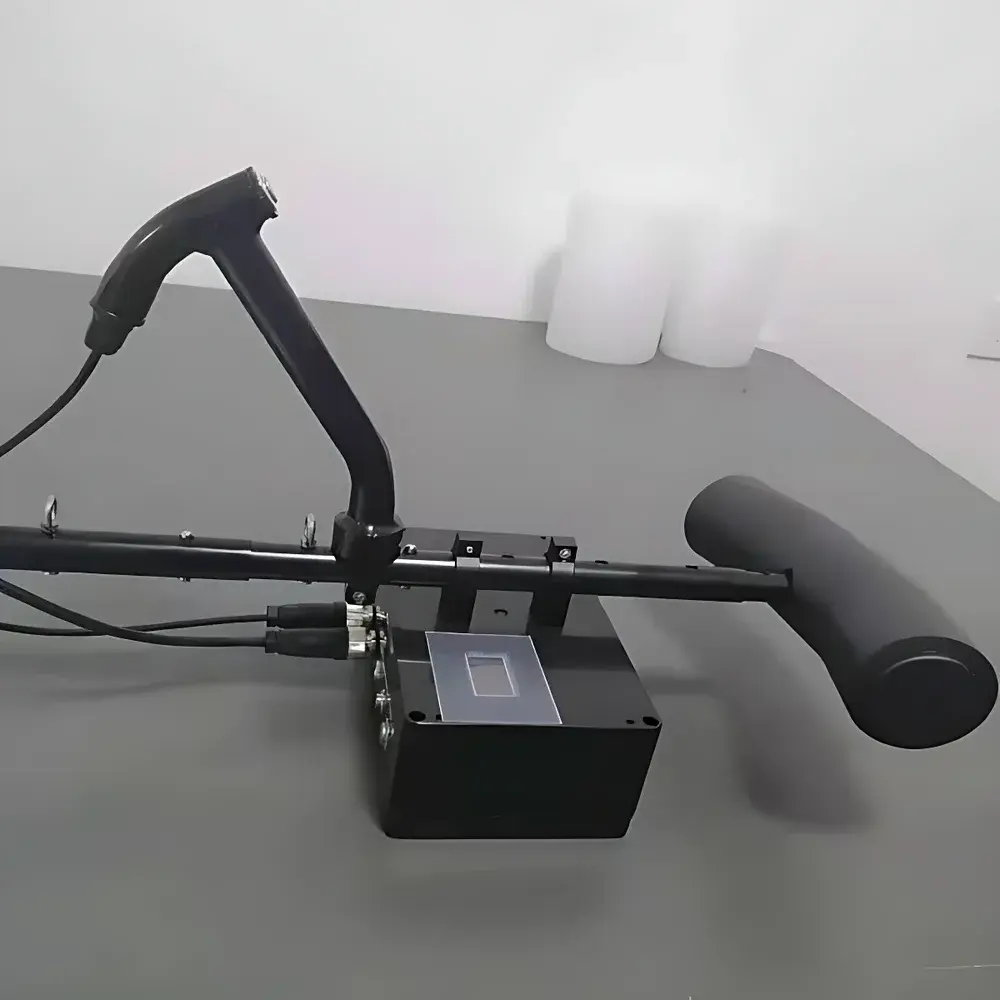
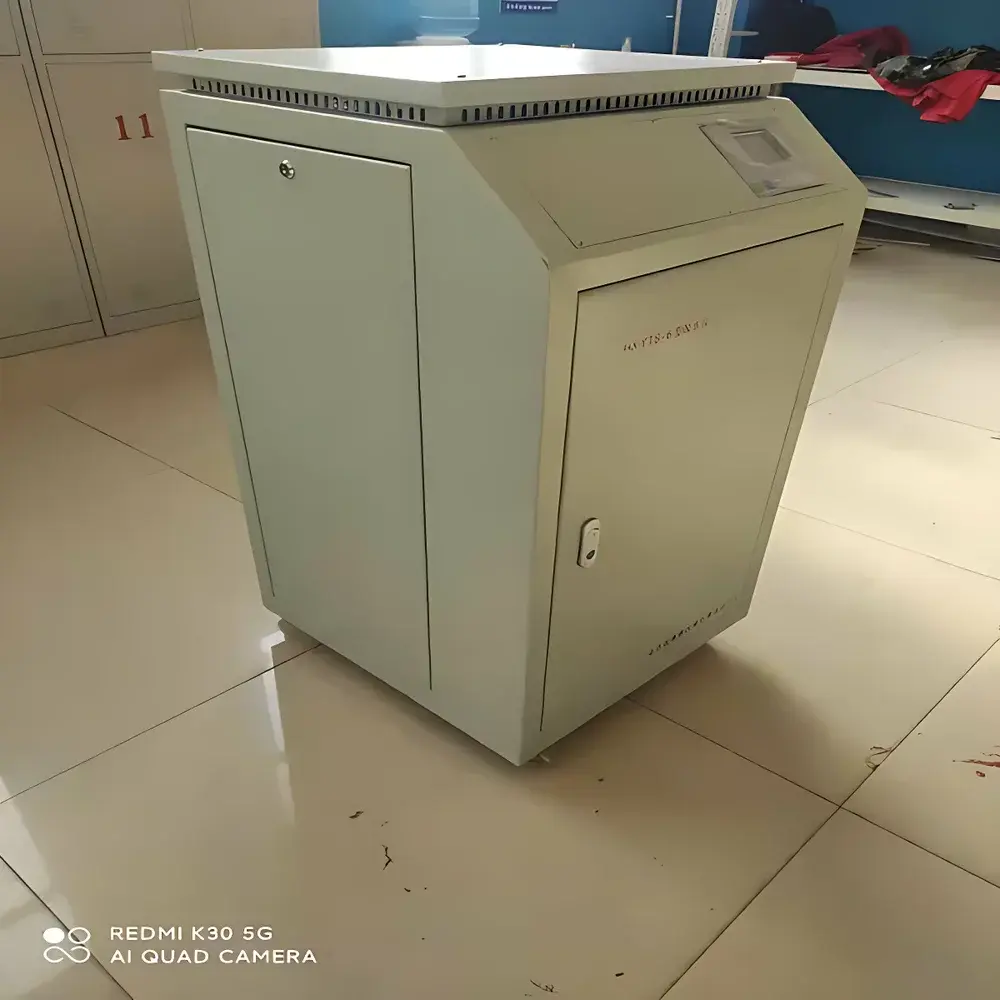
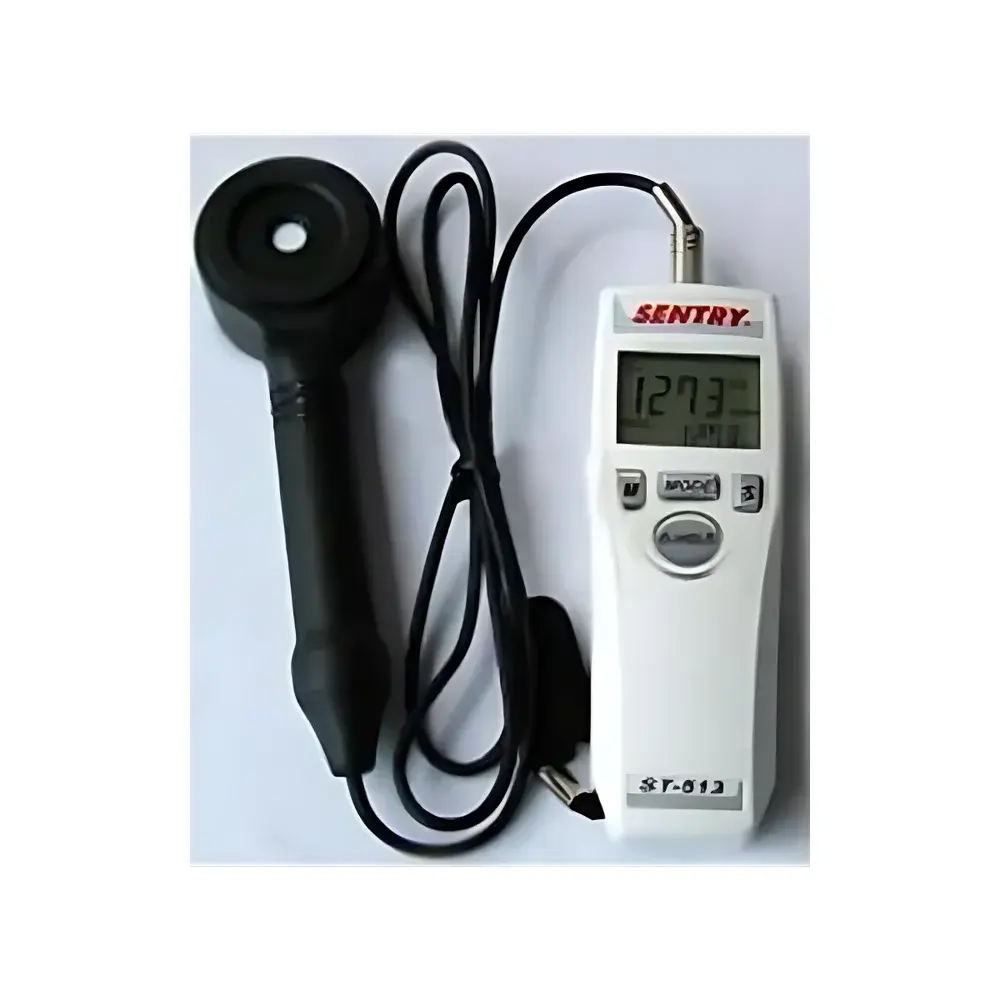
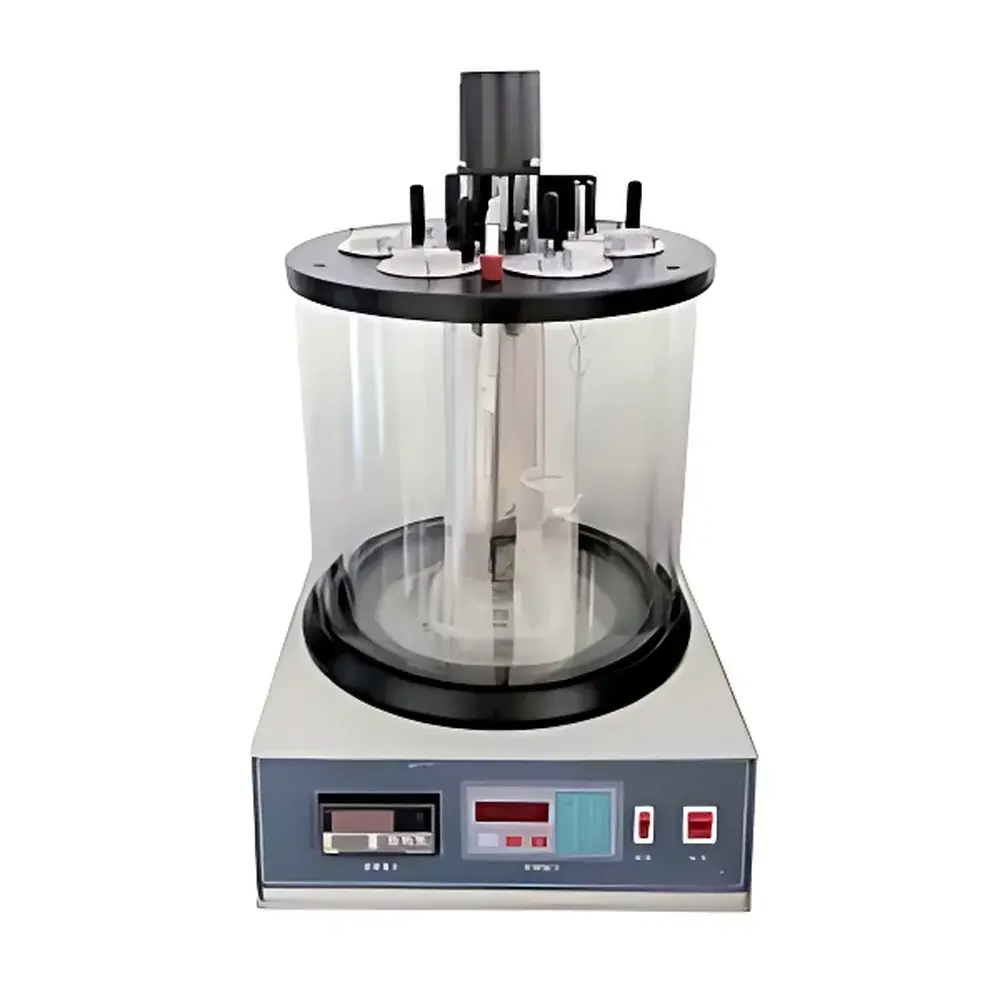
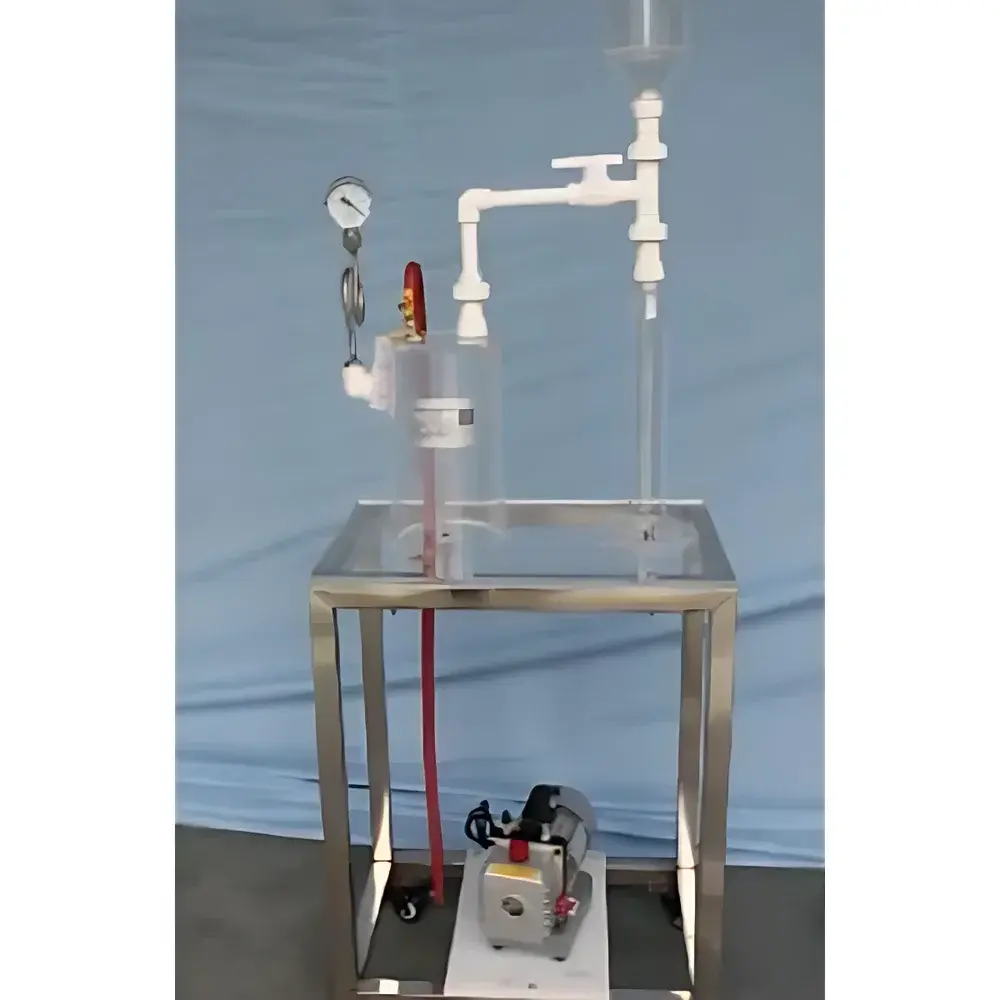
HengaoDe H18013 Portable ORP Meter, Y300L Lineman Blackness Analyzer, HXYTS-6 Smart Crude Oil Dehydrator, ST512 UV Radiometer, HAD-L265C Kinematic Viscosity Tester, HAD-TG-250 Sludge Specific Resistance Tester, YHN-KQ-3 Granule Crushing Strength Tester, HAD-QY Tar & Dust Sampling System
| Brand | HengaoDe |
|---|---|
| Origin | Beijing, China |
| Manufacturer Type | Authorized Distributor |
| Country of Origin | China |
| Model | H18013 (ORP), Y300L (Lineman), HXYTS-6 (Dehydrator), ST512 (UV), HAD-L265C (Viscosity), HAD-TG-250 (Sludge), YHN-KQ-3 (Strength), HAD-QY (Tar/Dust) |
| Measurement Range (ORP) | ±1999 mV |
| Resolution (ORP) | 1 mV |
| Temperature Range (ORP) | 0–60 °C |
| Lineman Scale | 0–5 grade |
| Lineman Accuracy | ≤±0.25 grade |
| Lineman Repeatability | ≤0.2 grade |
| Lineman Response Time | <1 s |
| Crude Oil Capacity | 500–3500 mL |
| Dehydration Time | 20–60 min |
| Residual Water Content | ≤0.03 % |
| UV Spectral Ranges | UVC (220–275 nm), UVA (320–380 nm), UVAB (280–400 nm) |
| UV Irradiance Range | 1 µW/cm² – 1999 µW/cm² |
| Viscosity Bath Temp Control | RT–100 °C |
| Accuracy | ±0.1 °C |
| Sludge Filtration Cylinder | Ø150 × 250 mm |
| Crushing Force Range | 4–450 N |
| Force Resolution | 0.01–1 N (model-dependent) |
| Tar/Dust Sampling Flow Rate | Compliant with CJJ/T 139–2010 and GB/T 13612–2006 |
Overview
This integrated instrumentation suite comprises eight independently certified laboratory and field-deployable analyzers engineered for regulatory-compliant physical and chemical characterization across petroleum, environmental, wastewater, and industrial hygiene applications. The H18013 portable ORP meter employs a high-stability redox electrode system calibrated to NIST-traceable standards, delivering millivolt-level precision in aqueous phase monitoring for corrosion control, disinfection validation, and electrochemical process optimization. The Y300L Lineman blackness analyzer implements ISO 13490–1–aligned image-based smoke opacity quantification, utilizing real-time ambient light compensation and optical cavity isolation to meet the stringent observational repeatability requirements of GB 3847–2018 and GB 36886–2018. The HXYTS-6 smart crude oil dehydrator integrates mechanical emulsion disruption, ultrasonic cavitation, and multi-stage thermal management—enabling complete water separation without light-end volatilization or salt agglomeration, per SY/T 5651 design criteria. The ST512 UV radiometer conforms to CIE S 019/E:2020 spectral responsivity definitions, offering traceable irradiance measurements across UVC, UVA, and broad-band UVAB spectra for germicidal efficacy validation and photopolymerization process control. The HAD-L265C kinematic viscosity tester complies fully with ASTM D445 and GB/T 265 protocols, maintaining bath temperature stability within ±0.1 °C over 4 simultaneous capillary viscometer positions. The HAD-TG-250 sludge specific resistance apparatus follows standard filtration theory (Carman–Kozeny equation) using constant-pressure vacuum-driven dewatering under controlled vacuum (≤−0.09 MPa). The YHN-KQ-3 granule strength tester applies programmable axial compressive loading at defined ramp rates, calculating mean fracture force and standard deviation per ASTM D6176 and ISO 4700. The HAD-QY tar and dust sampling system adheres to CJJ/T 139–2010 isokinetic sampling geometry and thermal conditioning protocols for coal gas quality assurance.
Key Features
- Multi-parameter ORP/temperature measurement with dual-sensor input, auto-compensated mV output, and NIST-calibrated electrode set included
- Y300L’s optically isolated measurement chamber features sapphire-coated protective lens, integrated 12 V LED illumination, and Wi-Fi-enabled data export compliant with ISO/IEC 17025 documentation requirements
- HXYTS-6 utilizes PID-controlled far-infrared heating, semiconductor-assisted three-stage cooling, and stainless-steel 304 oil/water separator with automated drain sequencing
- ST512 radiometer includes dual-range digital display (µW/cm² and mW/cm²), automatic zeroing, 20-point memory storage, and NIST-traceable calibration certificate
- HAD-L265C incorporates dual-wall borosilicate glass bath, 1200 rpm magnetic stirring, and microprocessor-based timing/viscosity calculation engine supporting kinematic (mm²/s) and dynamic (cP) conversions
- HAD-TG-250 provides standardized filtration area (176.7 cm²), calibrated vacuum gauge (0–100 kPa), and modular organic-glass construction for visual process monitoring
- YHN-KQ-3 offers programmable test speed (0.1–50 mm/min), automatic peak-hold detection, statistical reporting (n ≥ 5), and optional thermal printer interface (TPMP-16B)
- HAD-QY sampling train includes heated probe (120 °C), ice-cooled condenser trap, and gravimetric collection vessel meeting GB/T 13612–2006 mass recovery thresholds
Sample Compatibility & Compliance
All instruments are validated for use with representative matrices encountered in routine industrial testing: aqueous electrolytes (ORP), diesel exhaust plumes (Y300L), crude oils with API gravity 12–42° (HXYTS-6), low-pressure mercury vapor lamps (ST512), Newtonian hydrocarbon liquids (HAD-L265C), activated sludge and anaerobic digestate (HAD-TG-250), catalyst pellets and fertilizer granules (YHN-KQ-3), and low-BTU coal gas (HAD-QY). Device firmware and mechanical design comply with electromagnetic compatibility (EMC) per IEC 61326–1, electrical safety per IEC 61010–1, and environmental operating limits (−20 to +70 °C, 45–84 % RH). Data integrity functions—including audit trails, user authentication, and electronic signature support—are implemented where applicable to satisfy FDA 21 CFR Part 11 and GLP/GMP documentation expectations.
Software & Data Management
The Y300L supports encrypted Wi-Fi transmission of blackness grade, timestamp, GPS coordinates (optional), and raw image metadata to cloud-hosted LIMS platforms via TLS 1.2. The HXYTS-6 and YHN-KQ-3 feature embedded LED or LCD interfaces with parameter logging (temperature, time, force, vacuum level) stored in non-volatile memory for post-test CSV export via USB. ST512 retains 20 measurement records with configurable interval timing; HAD-L265C stores viscosity results with sample ID, bath temperature, and efflux time. No proprietary software installation is required—data files conform to UTF-8 encoded plain-text or Excel-compatible .csv formats for direct import into analytical suites such as MATLAB, Python Pandas, or LabWare LIMS.
Applications
- ORP monitoring in cooling tower biocide dosing, electroplating bath control, and potable water residual disinfectant verification
- On-road and off-road diesel vehicle emissions auditing per China’s Ministry of Ecology and Environment enforcement protocols
- Routine crude assay preparation in upstream labs, refinery QC, and third-party certification bodies (e.g., SGS, BV)
- UV-C lamp output validation in hospital HVAC systems, pharmaceutical cleanroom sterilizers, and municipal UV disinfection reactors
- Kinematic viscosity grading of lubricants, fuel oils, and bitumen feedstocks per ISO 3104 and ASTM D445
- Dewaterability assessment of municipal biosolids prior to thermal drying or land application per EPA Method 1680
- Mechanical durability screening of FCC catalysts, urea granules, and controlled-release agrochemicals
- Tar and particulate loading quantification in manufactured gas plants undergoing legacy infrastructure remediation
FAQ
Are calibration certificates supplied with each instrument?
Yes—NIST-traceable calibration reports are included for ORP electrodes (mV), UV sensors (irradiance), and force transducers (N), valid for 12 months from shipment.
Can the HXYTS-6 handle high-salinity crude without scaling?
Yes—the low-temperature dehydration mode (≤90 °C) and bottom-heater derating minimize salt crystallization; stainless-steel wetted parts resist chloride pitting.
Is the Y300L suitable for nighttime or low-light exhaust testing?
Yes—integrated high-intensity LED illumination ensures consistent contrast ratio independent of ambient luminance.
Does the HAD-L265C support ASTM D7042 (HTMR) methodology?
No—it is designed exclusively for capillary viscometry per ASTM D445/GB/T 265; HTMR requires rotational rheometry.
What maintenance intervals are recommended for the HAD-TG-250 vacuum pump?
Oil changes every 500 operating hours; membrane pump replacement every 2 years under continuous lab use.
Can ST512 measure pulsed UV sources (e.g., excimer lamps)?
No—it integrates irradiance over 0.3 s; for transient source characterization, a fast-response photodiode system is required.
Related Products







