
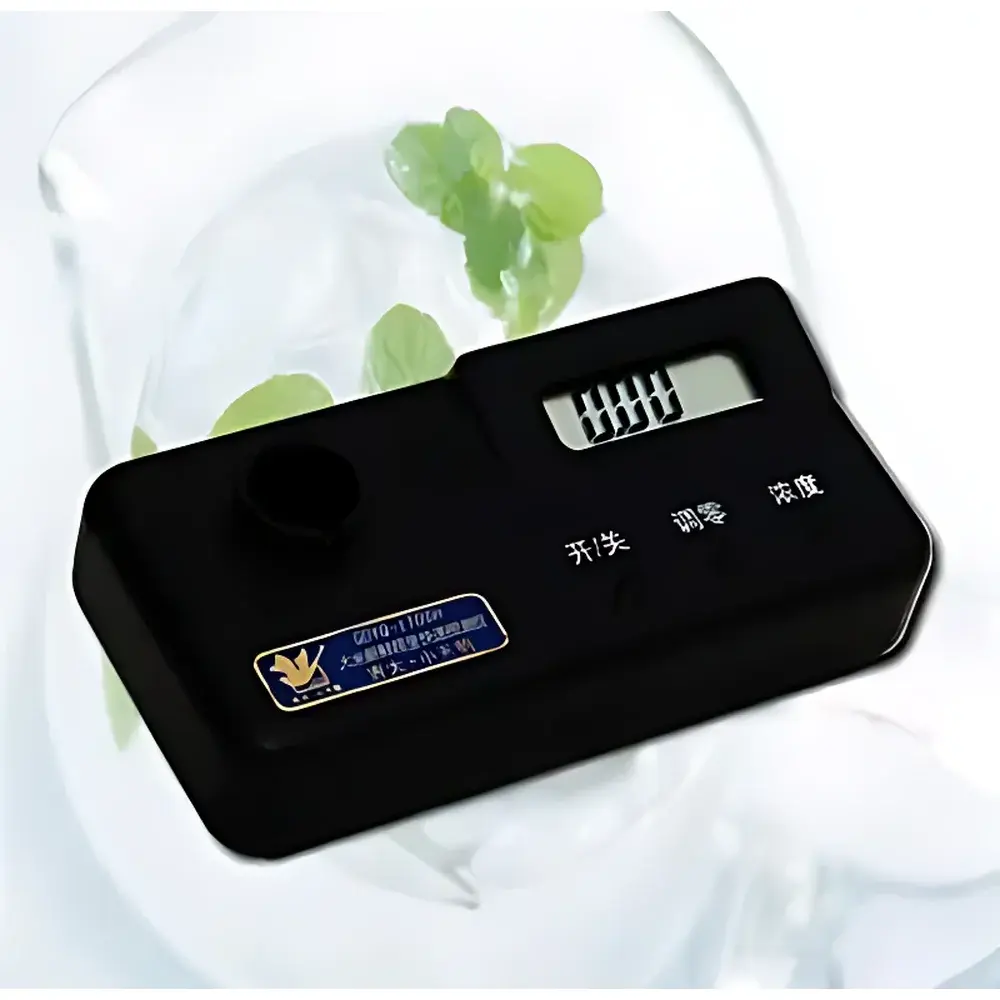
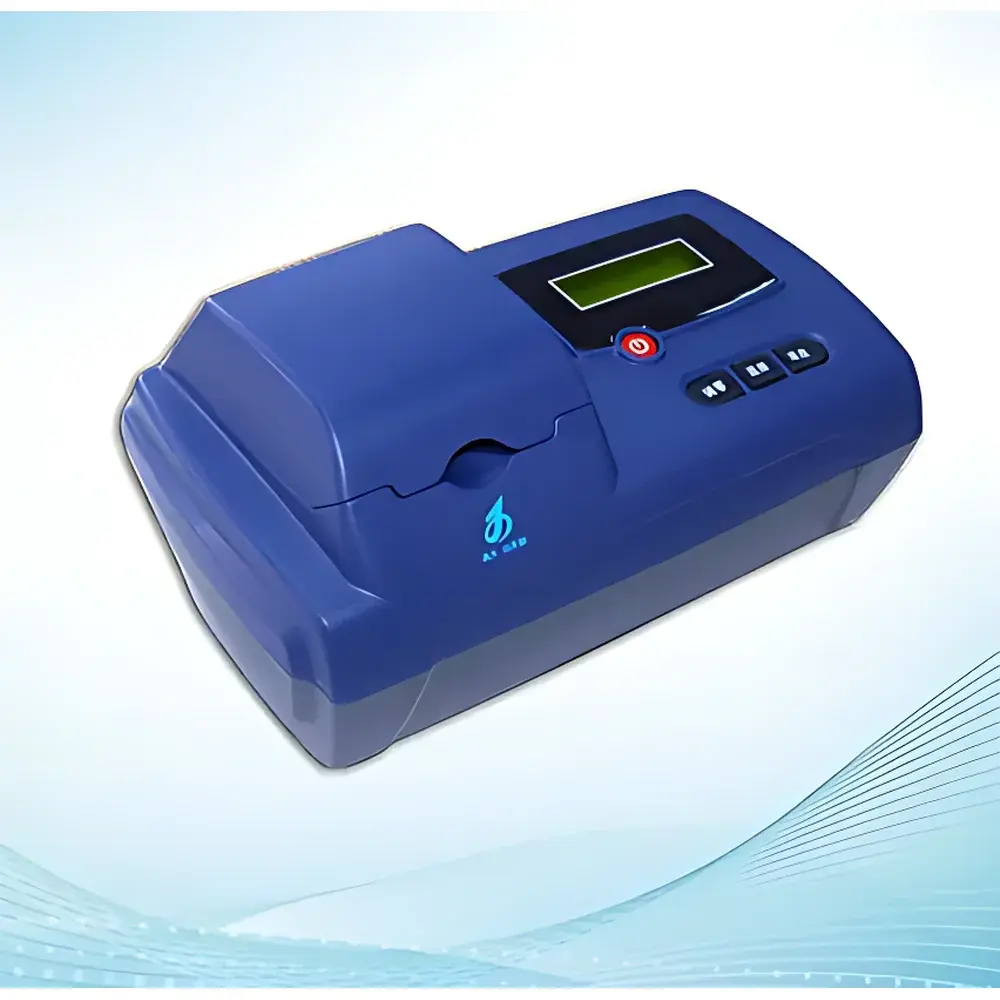
GDYQ-110SH Rice Freshness Rapid Analyzer by Jilin University & Xiaotian’e
| Brand | Jilin University & Xiaotian’e |
|---|---|
| Origin | Jilin, China |
| Manufacturer Type | Direct Manufacturer |
| Origin Category | Domestic (China) |
| Model | GDYQ-110SH |
| Pricing | Available Upon Request |
| Detection Limit | Stale rice ≥3 years old |
| Measurement Range | 1–3 years storage duration |
| Accuracy | ±5% relative to reference standard methods |
Overview
The GDYQ-110SH Rice Freshness Rapid Analyzer is a dedicated benchtop analytical instrument engineered for objective, field-deployable assessment of post-harvest rice aging. It operates on the principle of enzymatic–colorimetric reaction kinetics coupled with spectrophotometric quantification at a defined visible wavelength (typically 520–560 nm), targeting carbonyl compounds and free fatty acid derivatives generated during lipid peroxidation—a primary biochemical marker of rice deterioration. Unlike subjective sensory evaluation or time-intensive chromatographic methods (e.g., GC-FID for hexanal), this system delivers quantitative results in under 15 minutes per sample, supporting real-time decision-making across rice procurement, storage management, and quality assurance workflows. Its design complies with core principles outlined in GB/T 5492–2008 (General Rules for Inspection of Cereals and Oilseeds) and aligns with the methodological framework of ISO 663:2021 (Animal and vegetable fats and oils — Determination of peroxide value), adapted for cereal matrix specificity.
Key Features
- Embedded microcontroller-based control architecture with real-time calibration verification and auto-zero compensation
- Integrated LCD interface with multilingual menu support (English, Chinese, Spanish), enabling operation without external computing devices
- Dedicated sample preparation module including standardized grinding, solvent extraction, and reagent dispensing—minimizing inter-operator variability
- Pre-configured assay kits containing stabilized chromogenic reagents optimized for paddy, indica, and japonica rice varieties
- Robust mechanical housing rated IP54 for dust and splash resistance, suitable for warehouse, mill, and mobile lab environments
- Battery-operated mode (optional Li-ion pack) supports ≥8 hours of continuous use without AC power
Sample Compatibility & Compliance
The GDYQ-110SH accepts milled white rice, brown rice, and parboiled rice samples (2.0 ± 0.1 g per test). It is validated for moisture content ranging from 12.5% to 14.5% (w/w), consistent with typical commercial storage conditions. The assay demonstrates linearity (R² ≥ 0.992) across the declared measurement range (1–3 years post-milling), with limit of detection (LOD) corresponding to rice aged ≥36 months under ambient warehouse conditions (25 ± 2°C, 60 ± 5% RH). Method validation data meet internal QA requirements per ISO/IEC 17025:2017 Clause 7.2.2 and support traceability to national reference materials (CRM-Rice-Aging-01, certified by CNAS-accredited labs). While not a regulatory compliance device per se, its output serves as an objective input for HACCP prerequisite programs and GMP documentation under food safety management systems aligned with ISO 22000:2018.
Software & Data Management
Data acquisition and reporting are managed via on-device firmware v3.2, supporting CSV export via USB 2.0 port. Each measurement record includes timestamp, operator ID, sample ID, raw absorbance values, calculated freshness index (% deviation from fresh baseline), and pass/fail flag based on user-defined thresholds (e.g., “Acceptable if ≤24 months”). Audit trail functionality logs all parameter modifications and calibration events, satisfying basic data integrity requirements for GLP-aligned operations. For enterprise integration, optional PC software (RiceFresh Manager v2.1) enables batch reporting, trend analysis across storage silos, and PDF certificate generation compliant with FDA 21 CFR Part 11 electronic signature guidelines (when paired with external authentication hardware).
Applications
- Quality control screening at rice mills prior to packaging and labeling
- Storage facility audits to verify FIFO compliance and detect anomalous aging in bulk bins
- Procurement verification for government grain reserves and humanitarian aid shipments
- Research applications in post-harvest physiology studies evaluating antioxidant treatments or modified atmosphere storage efficacy
- Training modules for food inspectors under national food safety capacity-building initiatives
FAQ
What does the “freshness index” represent numerically?
It expresses the degree of oxidative degradation relative to a freshly milled (≤30-day) reference sample, reported as a percentage indicating estimated storage duration deviation.
Can the instrument distinguish between different causes of aging (e.g., heat vs. humidity exposure)?
No—it measures cumulative oxidative impact, not causal attribution. Complementary environmental logging is recommended for root-cause analysis.
Is third-party method validation documentation available?
Yes—summary validation reports per AOAC Official Method guidelines are provided upon request for qualified institutional users.
Does the system require annual recalibration by the manufacturer?
Field recalibration using supplied NIST-traceable reference standards is performed quarterly; full factory recalibration is recommended every 24 months.
Are reagents compatible with ISO-certified laboratories’ inventory control systems?
Reagent kits carry lot-specific CoA documents with expiry dates, storage requirements, and stability data under ICH Q5C conditions, supporting integration into LIMS-based material tracking.






