
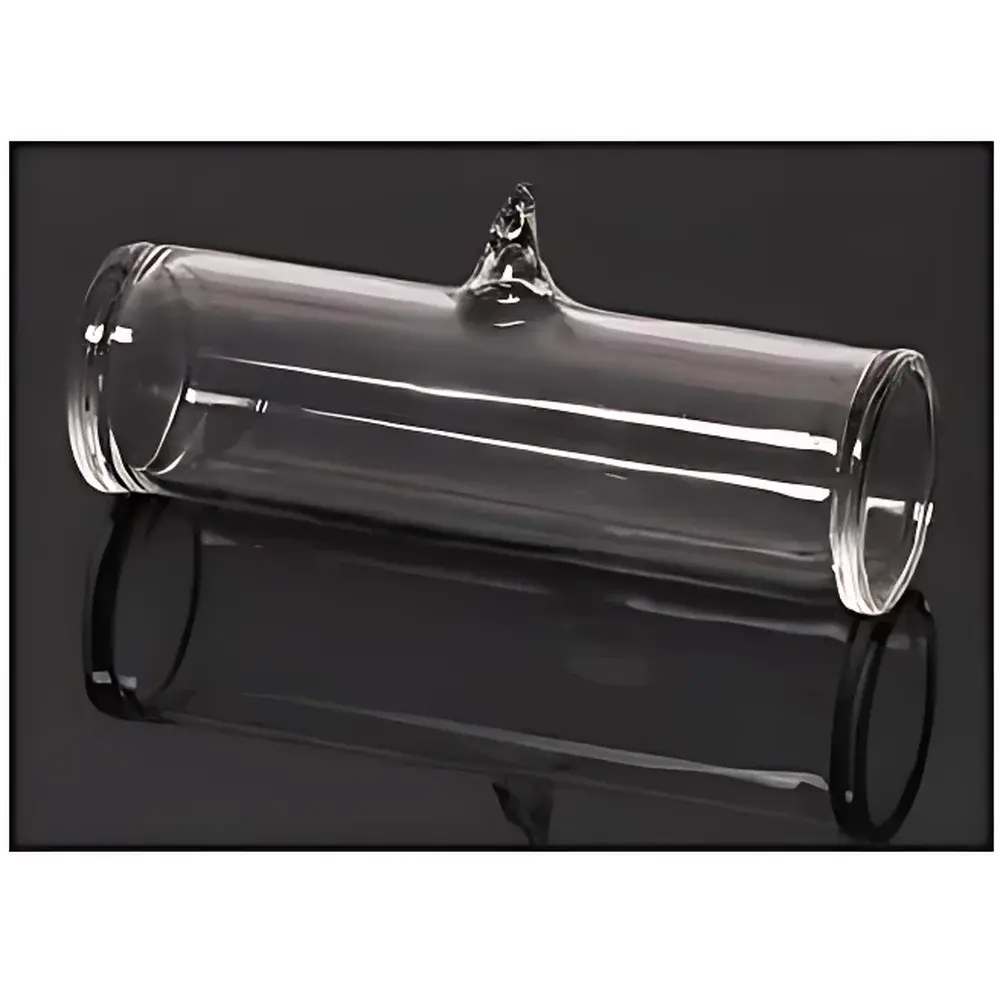
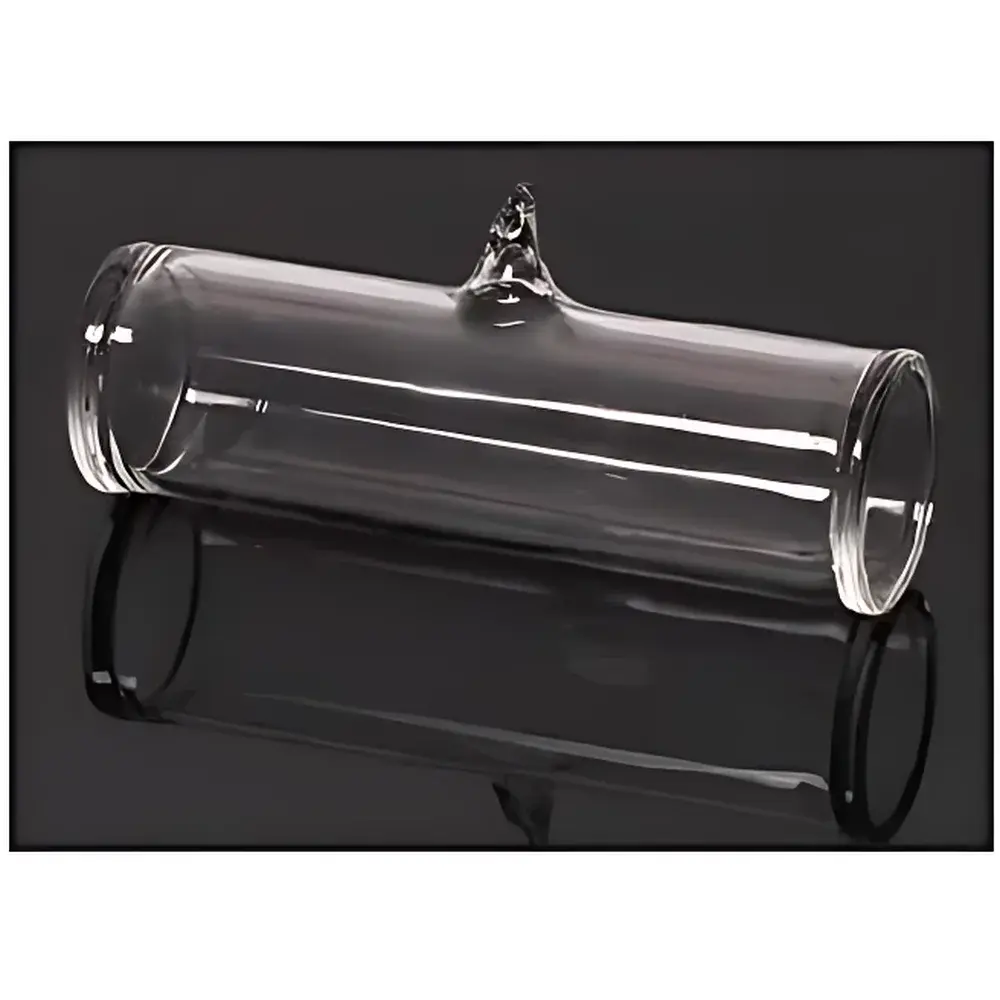
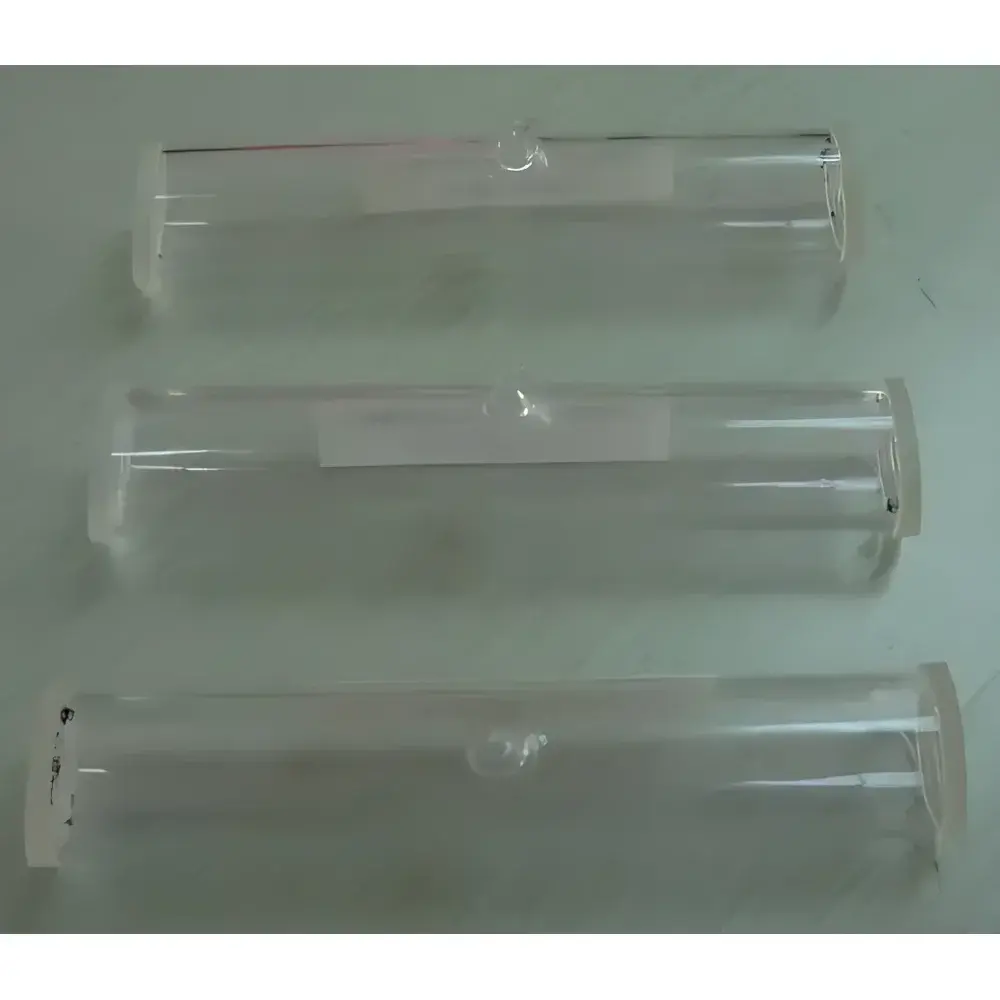
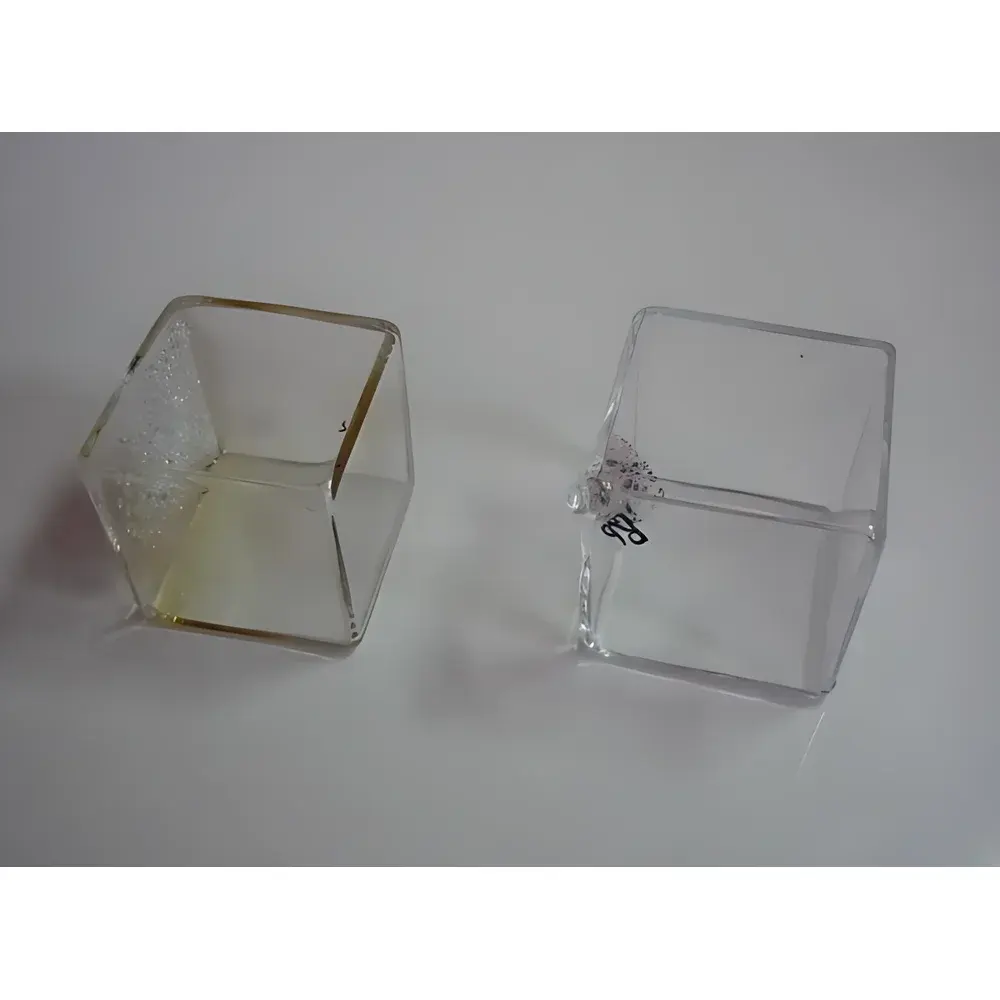
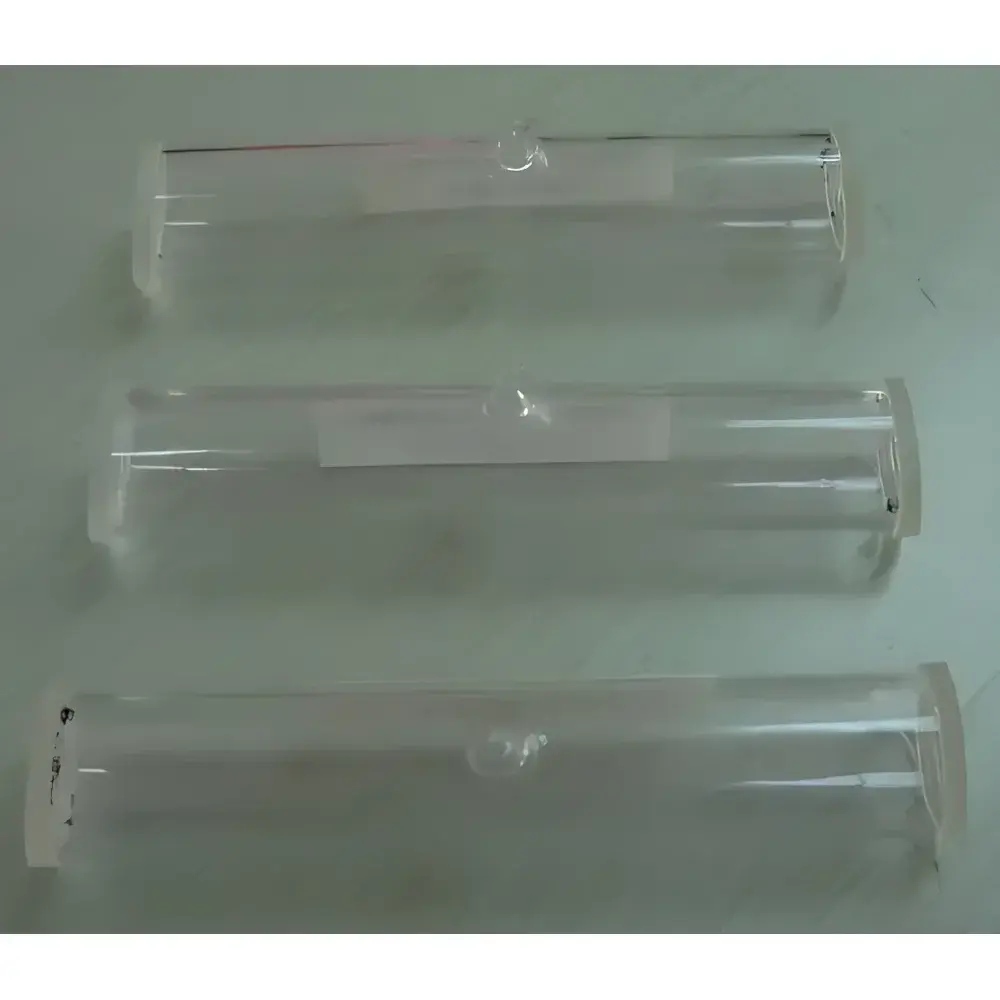
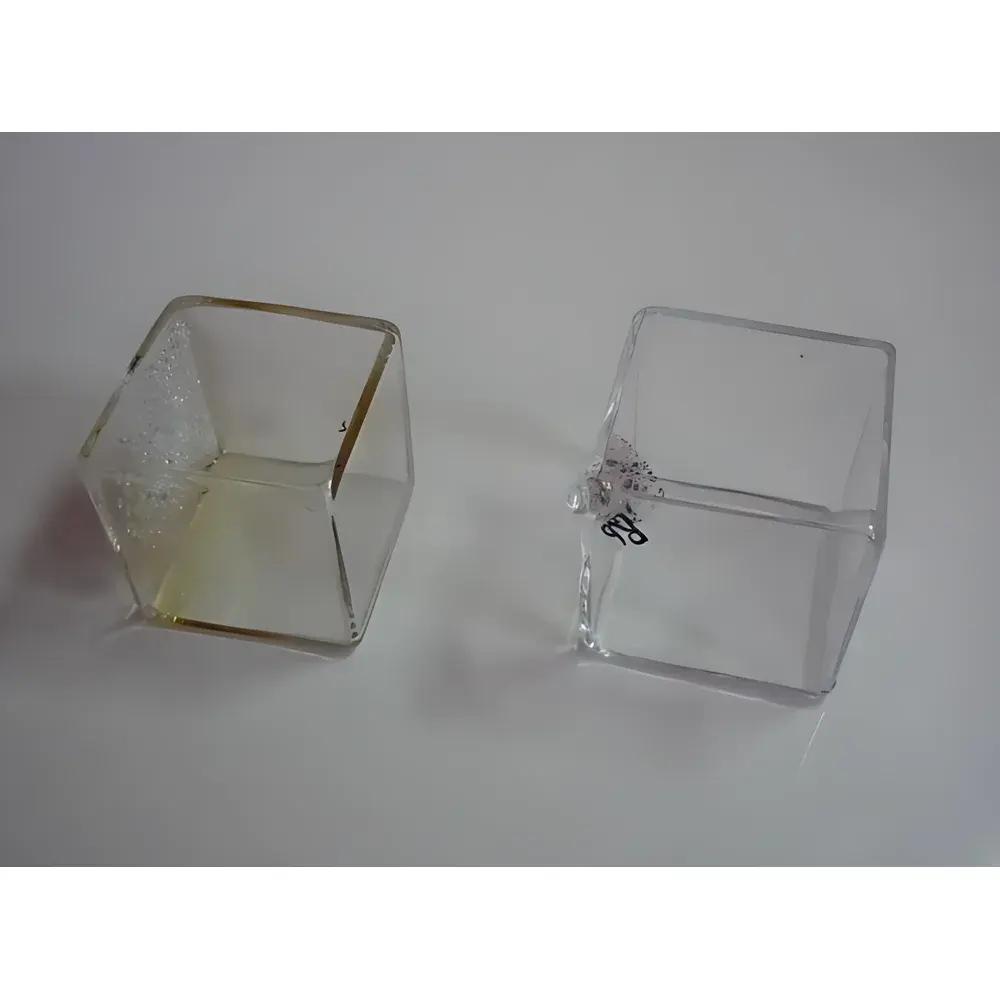
AOE Tech AC201-Rb Atomic Vapor Absorption Cell (White Cell)
| Brand | AOE Tech |
|---|---|
| Origin | Shanghai, China |
| Model | AC201-Rb |
| Cell Body Material | Pyrex or Fused Silica |
| Cell Diameter | Φ10 / 15 / 20 / 25.0 ± 1.6 mm |
| Cell Length | 10 / 20 / 50 / 100.0 ± 0.8 mm |
| Window Thickness | 3.0 ± 0.8 mm |
| Window Angle | 0° (Flat Parallel) |
| Fill Species | Rb (⁸⁵Rb / ⁸⁷Rb), optionally with buffer gases (He, Ne, CH₄, C₂H₆) |
| Operating Temperature Range (heated variant) | 40–200 °C |
| Compliance | Designed for traceable wavelength calibration per ISO/IEC 17025-aligned optical metrology workflows |
Overview
The AOE Tech AC201-Rb Atomic Vapor Absorption Cell is a precision-engineered White-type multi-pass absorption cell designed for high-fidelity laser frequency stabilization, wavelength calibration, and spectral reference applications in atomic physics, quantum optics, and metrology laboratories. Based on the principle of resonant absorption spectroscopy, the cell contains rubidium vapor—either pure or mixed with inert buffer gases—at controlled density and temperature. When interrogated by a tunable diode laser (e.g., 780 nm for D₂-line transitions of 85Rb/87Rb), the cell generates sharp, Doppler-broadened (or pressure-narrowed) absorption features that serve as absolute frequency references traceable to atomic transition standards. Its optical path geometry—flat parallel windows, precise bore alignment, and low-strain mounting—ensures minimal wavefront distortion and long-term thermal-mechanical stability. Unlike passive filters or etalons, this cell provides intrinsic, physics-based reference lines with sub-MHz reproducibility under stabilized operating conditions.
Key Features
- White-cell configuration enabling extended effective optical path length (up to ~1 m equivalent) within compact physical dimensions (10–100 mm length)
- Choice of ultra-low-expansion substrate materials: borosilicate (Pyrex) for cost-sensitive applications or fused silica for UV–NIR broadband transmission and superior thermal stability
- Precision-machined cylindrical body with ±0.8 mm dimensional tolerance on length and ±1.6 mm on diameter, ensuring consistent cavity mode matching and alignment repeatability
- Optically contacted or epoxy-bonded flat parallel windows (3.0 ± 0.8 mm thickness, λ/10 surface flatness) minimizing etalon fringes and polarization-dependent loss
- Customizable fill composition: natural or isotopically enriched Rb, with optional He, Ne, CH₄, or C₂H₆ buffer gas at partial pressures up to 100 Torr for linewidth control and collisional narrowing
- Heated variant available with PTFE-insulated resistive heating jacket and integrated PT100 sensor, supporting stable operation from 40 °C to 200 °C for vapor density optimization and SNR enhancement
- No internal coatings or metallic components—fully compatible with UHV-compatible bake-out protocols when required
Sample Compatibility & Compliance
The AC201-Rb cell is compatible with standard TO-8, butterfly, or fiber-pigtailed semiconductor lasers operating in the 780–795 nm range, as well as external cavity diode lasers (ECDLs), tapered amplifiers, and narrow-linewidth fiber lasers. It supports both transmission-mode and fluorescence-mode interrogation geometries. All cells are assembled in cleanroom environments (ISO Class 7) and undergo helium leak testing (≤1×10⁻⁹ mbar·L/s) prior to sealing. While not certified to a specific regulatory standard, the design adheres to foundational requirements for reference-grade optical components used in ISO/IEC 17025-accredited calibration labs—including material traceability, dimensional verification reports, and spectral characterization data (absorption line center, FWHM, and relative intensity). The heated version includes CE-marked power interface and thermal cutoff protection compliant with IEC 61000-6-3 EMC emission limits.
Software & Data Management
The AC201-Rb does not include embedded firmware or proprietary software; it functions as a passive, physics-based reference element integrated into user-defined control architectures. However, it is routinely deployed in conjunction with commercial PID controllers (e.g., Toptica DLC Pro, Stanford Research Systems SIM960), lock-in amplifiers (e.g., Zurich Instruments HF2LI), and DAQ systems (National Instruments PXIe, Thorlabs Kinesis) for error signal generation in laser stabilization loops. Raw absorption spectra acquired via photodiode + digitizer (e.g., Keysight 3458A, Spectrum M2i.4931) can be processed using open-source tools such as Python (NumPy, SciPy, LMFIT) or MATLAB for line-center fitting, drift analysis, and Allan deviation calculation. Spectral metadata—including temperature, pressure, and laser scan parameters—is stored in HDF5 or CSV format to support GLP-compliant audit trails when paired with laboratory information management systems (LIMS).
Applications
- Laser frequency stabilization for Rb-based atomic clocks and chip-scale atomic devices (CSACs)
- Calibration of wavemeters (e.g., HighFinesse WS series) and optical spectrum analyzers (OSAs) across the NIR band
- Reference source for Doppler-free saturation spectroscopy setups
- Validation standard for tunable laser source specifications (linewidth, mode-hop-free tuning range, frequency repeatability)
- Gas-phase absorption cross-section measurements in fundamental molecular physics studies
- Development platform for coherent population trapping (CPT) and electromagnetically induced transparency (EIT) experiments
- Integration into portable quantum sensing platforms requiring robust, low-power atomic references
FAQ
What is the typical absorption linewidth (FWHM) observed for the AC201-Rb cell at room temperature?
At 25 °C and with pure Rb vapor, the D₂-line absorption exhibits a Doppler-broadened width of ~500 MHz. With He or Ne buffer gas at ~30–50 Torr, pressure narrowing reduces this to 100–300 MHz depending on temperature and gas composition.
Can the cell be re-filled or reconditioned after long-term use?
No—the cell is permanently sealed during manufacturing. Refilling is not supported due to stringent outgassing and contamination control requirements. Lifetime exceeds 10 years under proper handling and storage conditions.
Is vacuum compatibility guaranteed?
The standard AC201-Rb is not rated for ultra-high vacuum (UHV); however, custom versions with metal–glass seals (Kovar or Dumet leads) and UHV-compatible getters are available upon request.
Do you provide spectral characterization data with each unit?
Yes—each shipped cell includes a certificate of conformance listing measured absorption peak positions (relative to NIST-referenced Rb transition frequencies), window transmission >95% @ 780 nm, and helium leak test results.
What is the maximum recommended operating temperature for the heated variant?
The PTFE-insulated heater assembly is rated for continuous operation up to 200 °C. Sustained exposure above this threshold may degrade seal integrity and accelerate alkali metal corrosion of internal surfaces.




