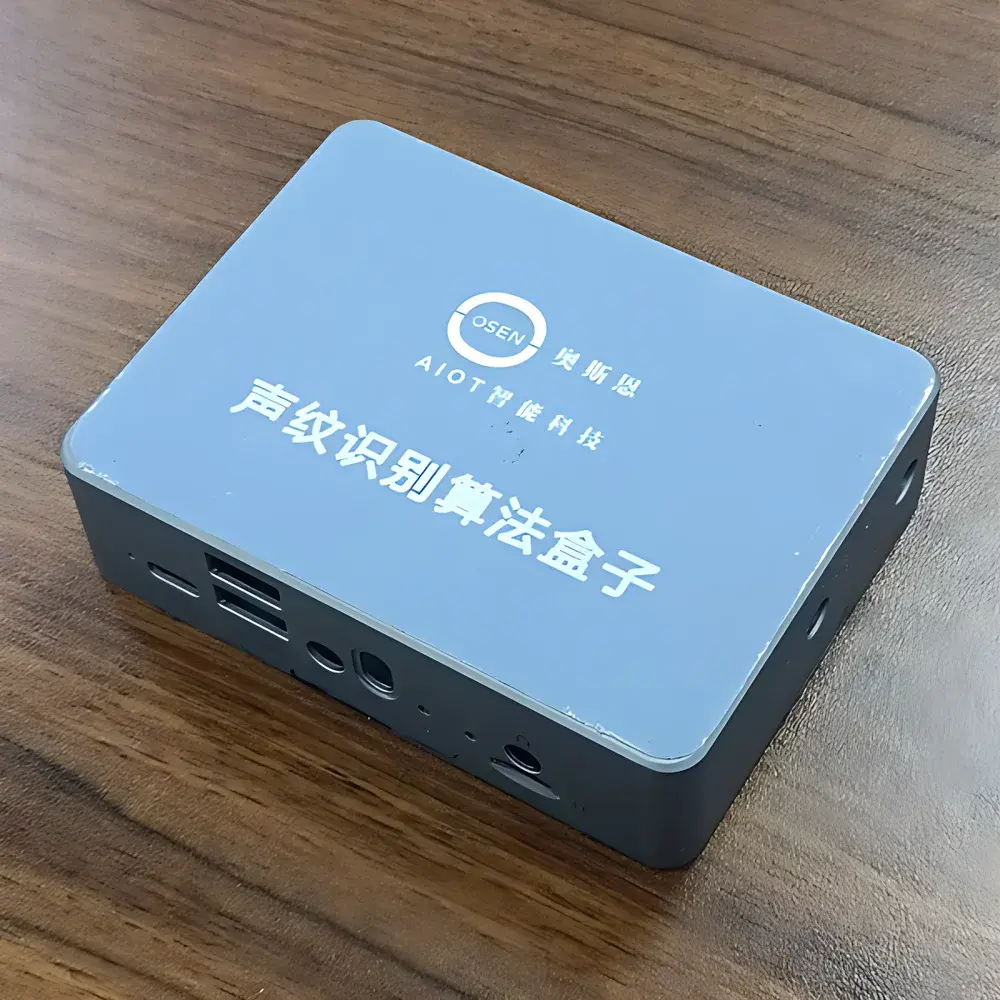
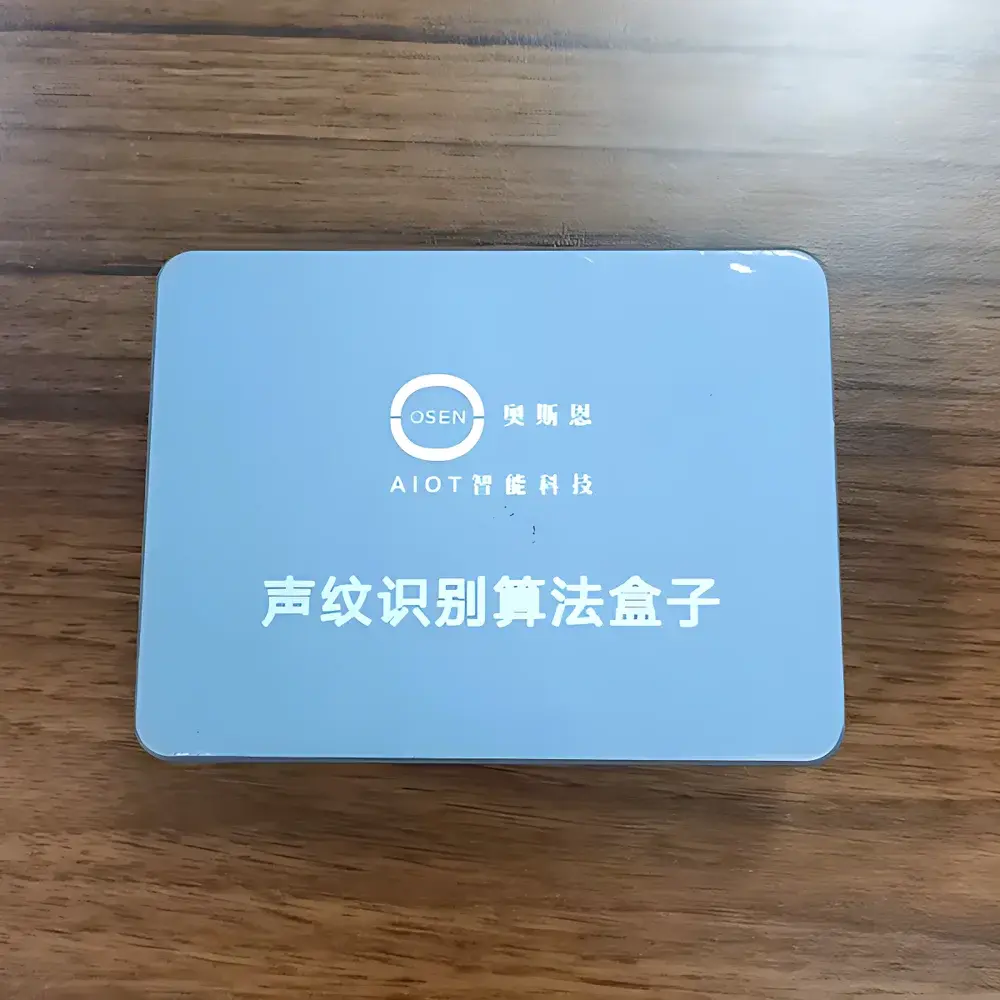
OSEN-ZSW-03 AI-Powered Environmental Sound Fingerprinting & Acoustic Data Acquisition System
| Brand | OSEN |
|---|---|
| Model | OSEN-ZSW-03 |
| Origin | Guangdong, China |
| Manufacturer Type | Authorized Distributor |
| Country of Manufacture | PRC |
| Unit Price | USD 2,800 (FOB Shenzhen, subject to configuration and volume) |
Overview
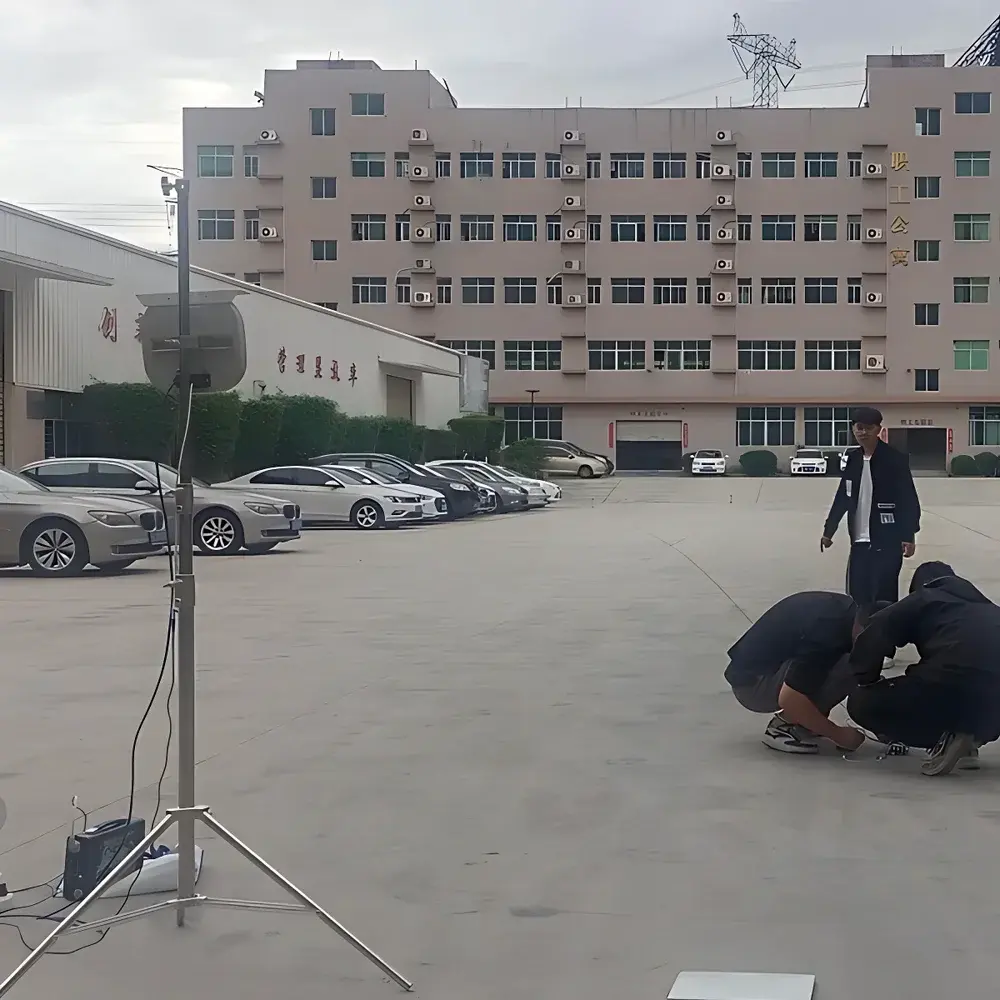
The OSEN-ZSW-03 AI-Powered Environmental Sound Fingerprinting & Acoustic Data Acquisition System is a purpose-built hardware-software platform engineered for long-term, high-fidelity passive acoustic monitoring in uncontrolled outdoor and semi-industrial environments. Unlike conventional microphone arrays optimized for speech or noise level logging, the OSEN-ZSW-03 implements a multi-stage signal acquisition architecture grounded in time-domain waveform capture, real-time spectral decomposition (via configurable FFT bin resolution), and edge-based acoustic event classification using embedded neural inference engines. It supports continuous 24/7 operation with adaptive gain control, anti-aliasing filtering (120 dB dynamic range, 20 Hz–20 kHz ±0.5 dB), and synchronized GPS timestamping (UTC-aligned, NTP-capable). Designed for deployment in municipal environmental monitoring networks, ecological research stations, and industrial perimeter surveillance, the system delivers auditable, metadata-rich audio streams compliant with ISO 1996-2:2017 (acoustics — description, measurement and assessment of environmental noise) and IEC 61672-1:2013 Class 1 sound level meter specifications.
Key Features
- Triple-sensor acoustic front-end: Condenser microphone capsule (IEC 61094-4 compliant), integrated temperature/humidity sensor (±0.3°C, ±2% RH), and 3-axis MEMS accelerometer (±2 g, 0.1–1 kHz bandwidth) for vibration-coupled noise source correlation.
- On-device AI processing: Dual-core ARM Cortex-A53 SoC running lightweight CNN-LSTM hybrid models trained on >12,000 labeled environmental sound events (e.g., construction hammering, diesel generator hum, avian vocalizations, vehicle pass-by signatures).
- Configurable acquisition modes: Continuous recording (WAV/FLAC, 16–24 bit, 8–48 kHz sampling), trigger-based burst capture (threshold + duration + spectral mask), and scheduled low-power duty cycling (10 s active / 5 min sleep).
- Secure data transport: TLS 1.2 encrypted MQTT over cellular (LTE Cat-M1/NB-IoT) or Ethernet; local SD card (up to 512 GB, exFAT formatted) with cyclic overwrite policy and write-integrity verification.
- Ruggedized enclosure: IP66-rated aluminum housing with UV-stabilized polycarbonate window, operating temperature range −20°C to +60°C, ESD protection per IEC 61000-4-2 Level 4.
Sample Compatibility & Compliance
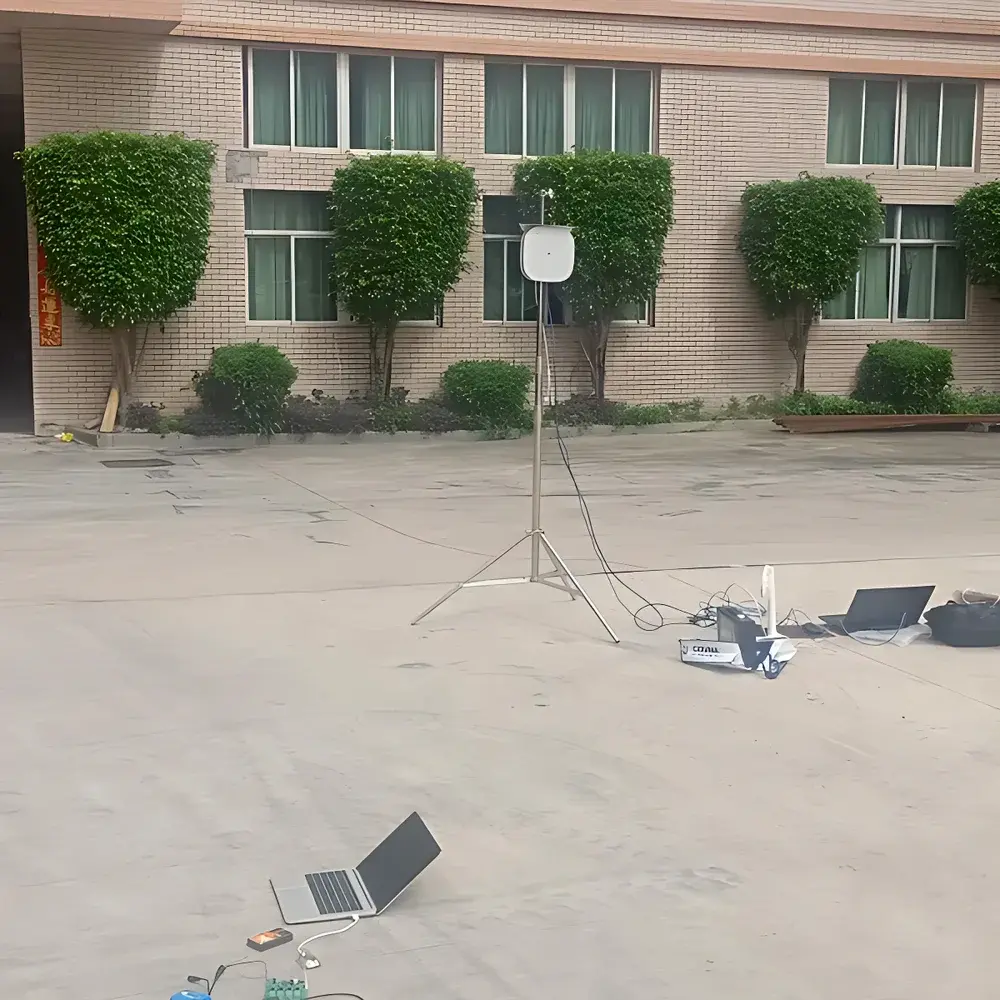
The OSEN-ZSW-03 acquires raw acoustic waveforms from ambient air-borne sound pressure fields without requiring physical coupling or calibration fixtures. It is compatible with heterogeneous deployment scenarios including roadside noise mapping, forest bioacoustic surveys, factory boundary compliance monitoring, and urban soundscaping studies. All firmware and data export modules adhere to ISO/IEC 17025:2017 documentation requirements for measurement traceability. Audio metadata conforms to the IEEE 1857.8 standard for environmental sound annotation, and system logs support GLP-compliant audit trails (user actions, firmware updates, sensor calibration history). Calibration certificate (per ISO 17025-accredited lab) is provided with each unit; field recalibration interval recommended every 12 months.
Software & Data Management
The OSEN-ZSW-03 integrates with the OSEN Acoustic Intelligence Platform (v4.2+), a web-based SaaS application accessible via modern browsers (Chrome, Edge, Firefox). The platform provides centralized device fleet management, hierarchical acoustic database organization (by location, sensor ID, taxonomy tag), and RESTful API access for third-party integration (e.g., GIS platforms, ERP systems, regulatory reporting portals). Raw audio segments are automatically annotated with confidence-weighted class labels, SNR estimates, and spectral centroid/band energy metrics. All user interactions—including query execution, report generation, and permission changes—are logged with immutable timestamps and SHA-256 hashed session identifiers, satisfying FDA 21 CFR Part 11 electronic record/electronic signature requirements where applicable. Export formats include CSV (metadata), WAV (raw), and JSON-LD (semantic annotation).
Applications
- Regulatory environmental noise monitoring: Automated detection and classification of non-compliant sound sources (e.g., nighttime construction, illegal dumping, unlicensed generators) per local ordinances aligned with EU Directive 2002/49/EC.
- Biodiversity assessment: Long-term passive acoustic monitoring (PAM) for species presence/absence modeling, phenological tracking, and habitat quality indexing using standardized acoustic indices (ADI, BI, NDSI).
- Industrial predictive maintenance: Vibration-acoustic correlation analysis for early fault detection in rotating equipment (pumps, compressors, gearboxes) without intrusive sensors.
- Smart city infrastructure analytics: Urban sound pattern mapping to inform traffic flow optimization, public space design, and emergency response prioritization based on anomalous acoustic event clustering.
- Forensic acoustics support: Time-synchronized, tamper-evident audio capture for evidentiary use in civil disputes involving noise nuisance claims.
FAQ
Does the OSEN-ZSW-03 require external power or operate on battery?
It supports dual power input: 12–24 VDC (PoE++ compatible) for permanent installations, or optional LiFePO₄ battery pack (72 Wh, 14-day autonomy at 10% duty cycle).
Can the system integrate with existing SCADA or BMS platforms?
Yes—via Modbus TCP, OPC UA, or custom REST webhook configuration. Full protocol documentation and sample drivers are included in the Developer Kit.
Is acoustic calibration traceable to national standards?
Each unit ships with a calibration certificate issued by an ISO/IEC 17025-accredited laboratory, referencing NIM (China National Institute of Metrology) primary standards.
What is the maximum distance between the sensor node and the central server?
No inherent limit—the system uses store-and-forward over cellular or Ethernet; latency depends on network QoS, not physical distance.
How is model retraining handled for new sound classes?
Users may upload labeled audio samples via the platform; OSEN’s cloud training service generates updated inference models validated against holdout test sets before OTA deployment.