
- All
- Favorite
- Popular
- Most rated
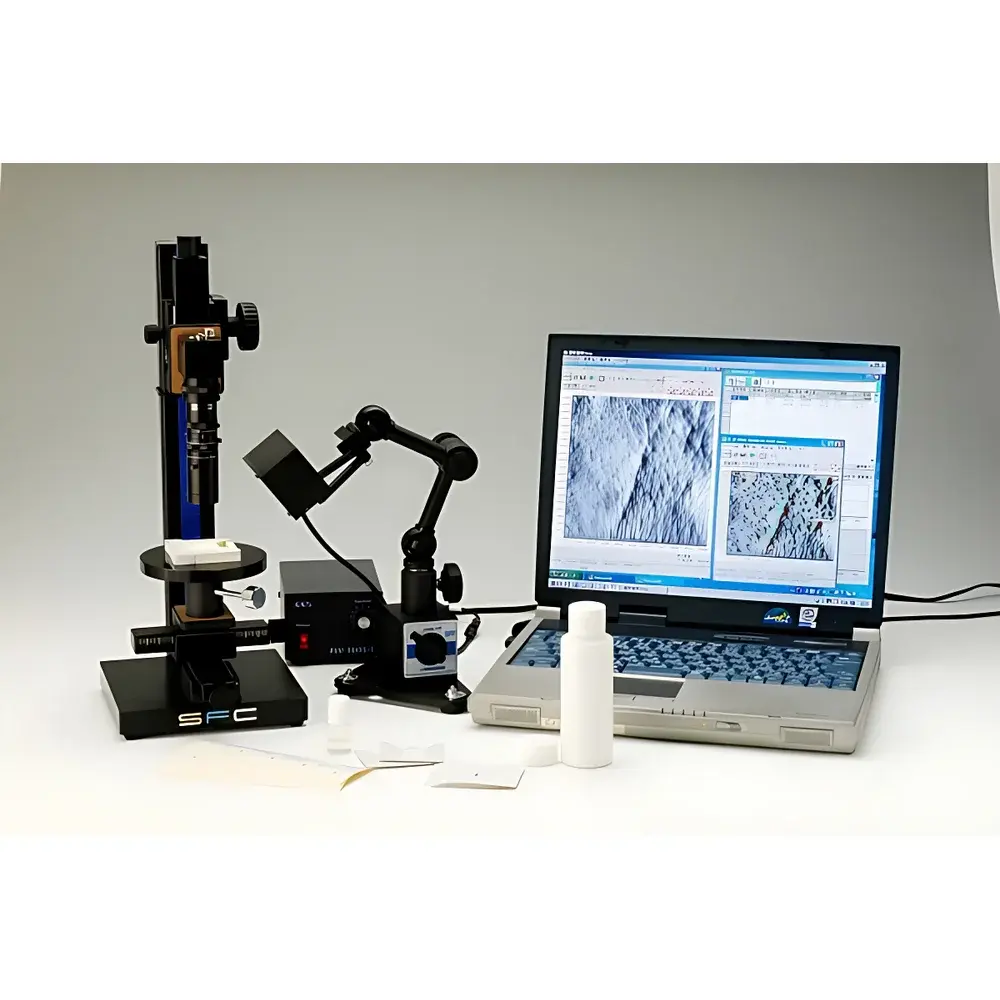
| Brand | ASCH |
|---|---|
| Origin | Japan |
| Model | ASA-03RXD |
| Imaging Principle | CCD-based 30° parallel-light profilometry |
| Sample Type | Silicone replica |
| Quantitative Output | Wrinkle count, volume (triangular cross-section model), depth, width, area ratio, texture parameters (Rz, Rt), 3D surface visualization |
| Compliance | JSCA Guideline for Evaluation of Anti-Wrinkle Products |
| Software Platform | Windows 10 native application with calibration, edge enhancement, and XY/depth conversion modules |
| Optional Modules | Sebum measurement kit (ASS-001 SEBU patch + absorbance analysis software) |
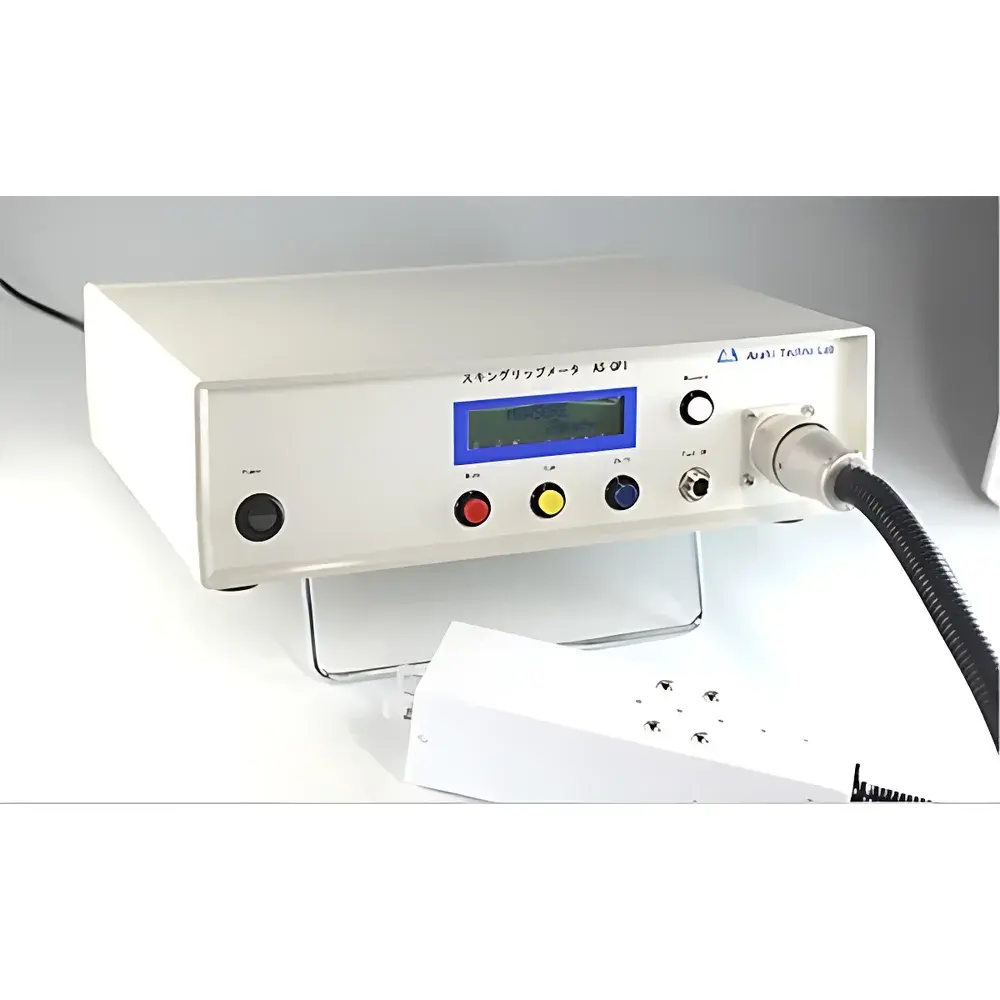
| Brand | ASCH |
|---|---|
| Origin | Japan |
| Model | AS-GP1 |
| Measurement Principle | Dual-finger-type quasi-static compression with real-time viscoelastic force feedback |
| Sensor Type | Lightweight, bidirectional tactile probes with adjustable clamping displacement and dwell time |
| Output Parameters | Maximum Stress (kPa), Skin Hardness Index, Elastic Recoil Ratio (%), Viscoelastic Relaxation Time Constant (s), Collagen Aging Index (unitless derived metric), Initial Rebound Velocity (mm/s), Sagging Index (normalized strain recovery deficit) |
| Compliance | Designed for GLP-aligned dermatological research workflows |
| Software Interface | PC-based acquisition with waveform visualization, timestamped data export (CSV, PNG), and multi-point protocol storage |
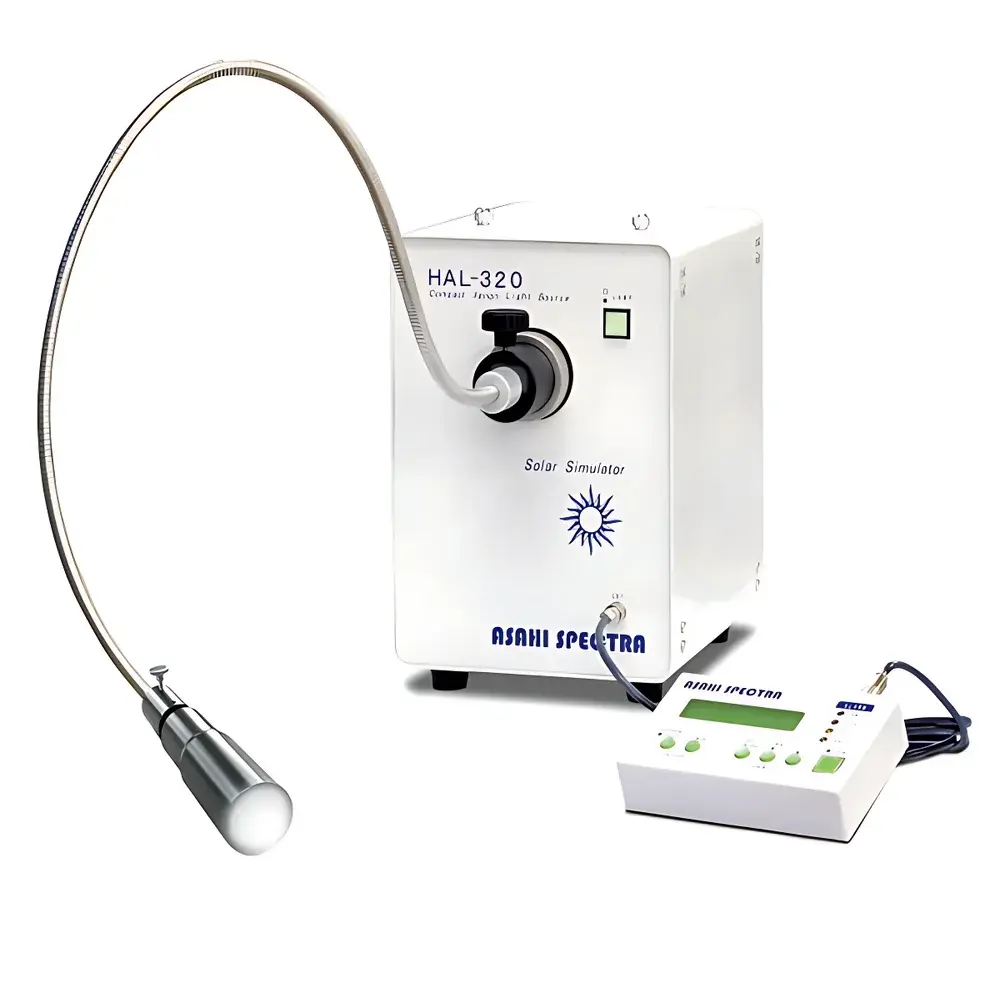
| Brand | Asahi Spectra |
|---|---|
| Origin | Japan |
| Model | HAL-320 |
| Light Source | 300 W Xenon Arc Lamp |
| Spectral Range | 350–1100 nm |
| Spectral Match Class | JIS/IEC Class A (AM1.5G) |
| Spatial Uniformity | ≤±2% (over 30×30 mm, ND-filtered) |
| Temporal Stability | ≤±1% (over 1 h, RMS) |
| Illumination Mode | Steady-State |
| Control Interface | RS232C |
| Power Input | AC 90–264 V, 50/60 Hz |
| Max Power Consumption | <510 VA |
| Cooling | Forced Air |
| Lamp Lifetime | 500 h (avg.) |
| Dimensions (Host) | 200 × 300 × 292 mm |
| Weight (Host) | 11.3 kg |
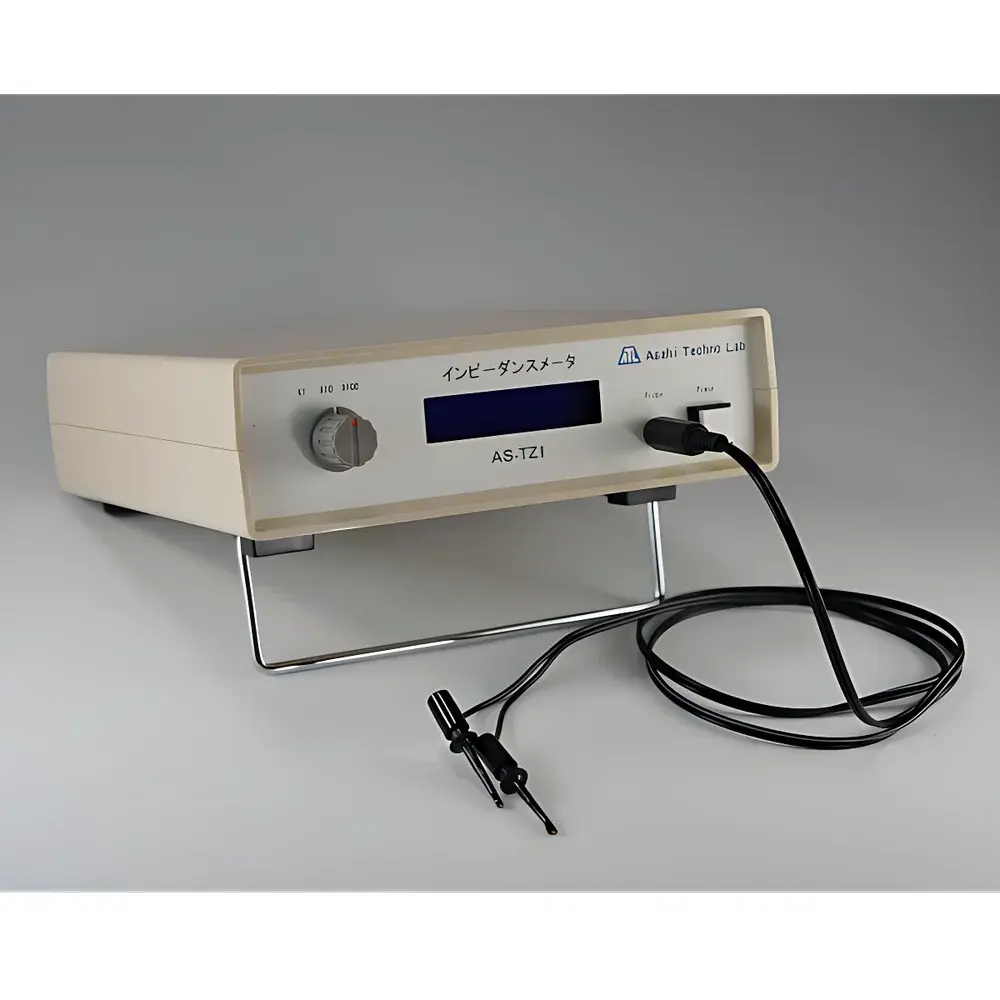
| Brand | ASCH |
|---|---|
| Origin | Japan |
| Model | AS-TZ1 |
| Measurement Principle | Low-frequency AC impedance |
| Impedance Range | 0.5–99 kΩ |
| Phase Angle Range | 0–90° |
| Repeatability | ±2% (0.1–10 kΩ), ±1% (10–99 kΩ) |
| Excitation Voltage | 5 V DC |
| Test Frequency | 12 Hz |
| Electrodes | Ag/AgCl (donor side), Ag (receiver side) |
| Display | 65 × 15 mm LCD |
| Dimensions | 190 × 60 × 200 mm |
| Power Supply | 6 V DC (battery-operated) |
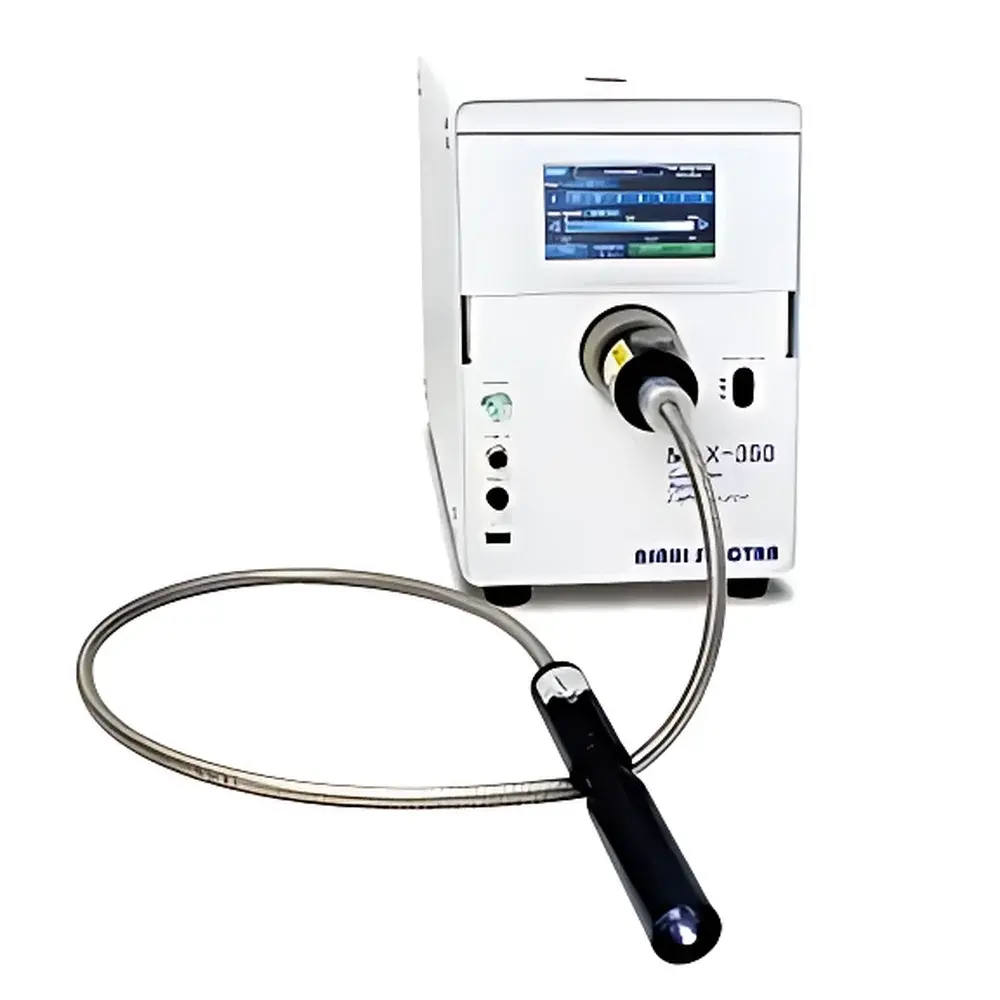
| Brand | Asahi Spectra |
|---|---|
| Origin | Japan |
| Model | MAX-350 |
| Output Wavelength Range | 250–1050 nm (dependent on mirror module) |
| Light Output Intensity | 0–900 mW/cm² (spectrally dependent, continuously adjustable) |
| Light Source | Cermax® 300W xenon arc lamp |
| Lamp Lifetime | ≥500 h |
| Cooling Method | Forced-air cooling |
| Shutter Type | Pulsed motor-driven, exposure time 0.5 s – 24 h |
| ND Attenuation | 1000–50 steps (continuous) |
| Filter Wheel | 8-position, accepts 25 mm diameter × <6 mm thick filters |
| Mirror Modules | UV (250–385 nm), UV-VIS (300–600 nm), VIS (385–740 nm), IR (750–1050 nm) |
| Control Interface | Built-in touchscreen + RS-485 remote control |
| Safety Features | Lamp fault detection, fan failure monitoring, thermal overheat protection |
| Operating Environment | 10–35 °C, 20–80% RH (non-condensing) |
| Dimensions | 196 × 330 × 302 mm (W×D×H) |
| Weight | 12.2 kg |
| Power Input | AC 100–240 V, 50/60 Hz |
| Max Power Consumption | <540 VA (100 V/50 Hz), <520 VA (240 V/50 Hz) |
| Beam Alignment | Alignment-free (integrated optical housing) |
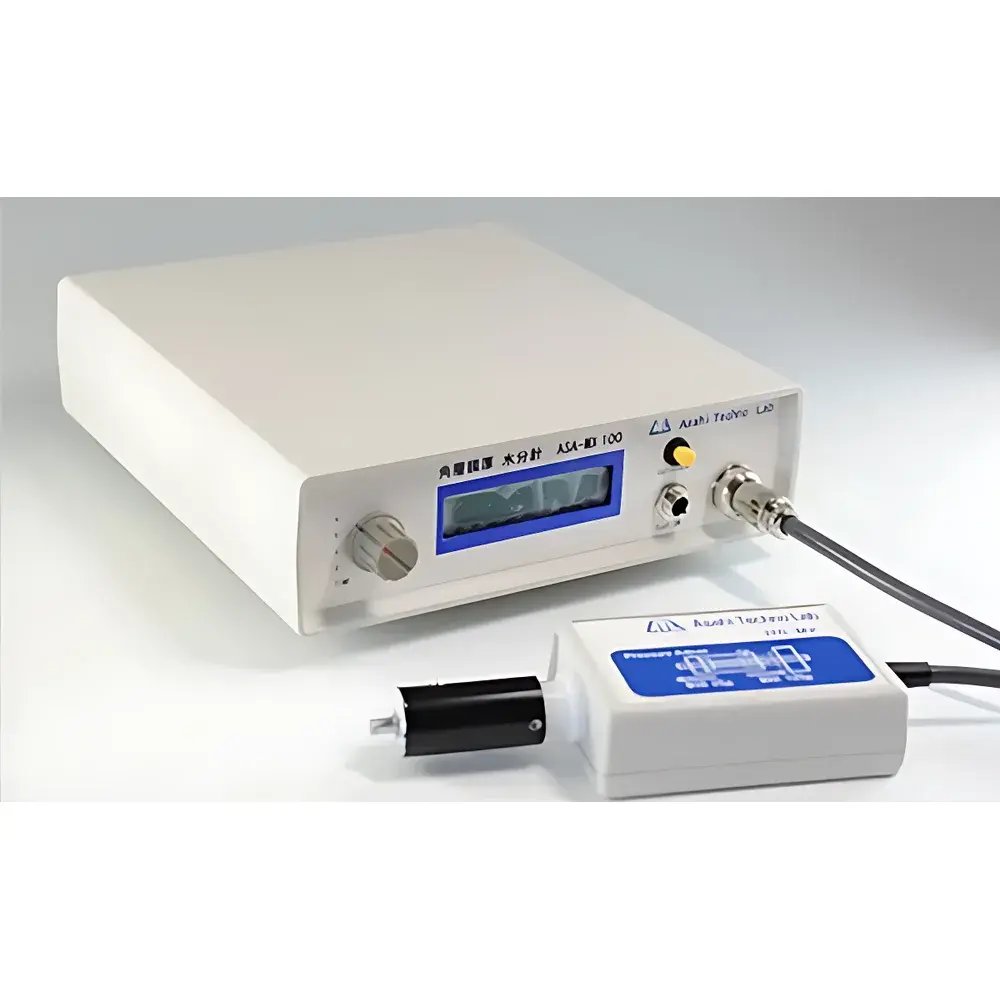
| Brand | ASCH |
|---|---|
| Origin | Japan |
| Model | ASA-MX100 |
| Measurement Principle | Conductivity-based Corneal Hydration & Transepidermal Electrical Resistance (TEER) |
| Probe Types | C3D-MX (3D skin models), R2-MX (scalp), T4-MX (nail) |
| Measurement Time | 5 s per reading |
| Electrode Configuration | Separated excitation/detection electrodes |
| Output Interface | RS-232 digital port |
| Calibration | Fully digital one-button calibration |
| Compliance | Designed for GLP-compliant dermatological research and cosmetic efficacy testing |
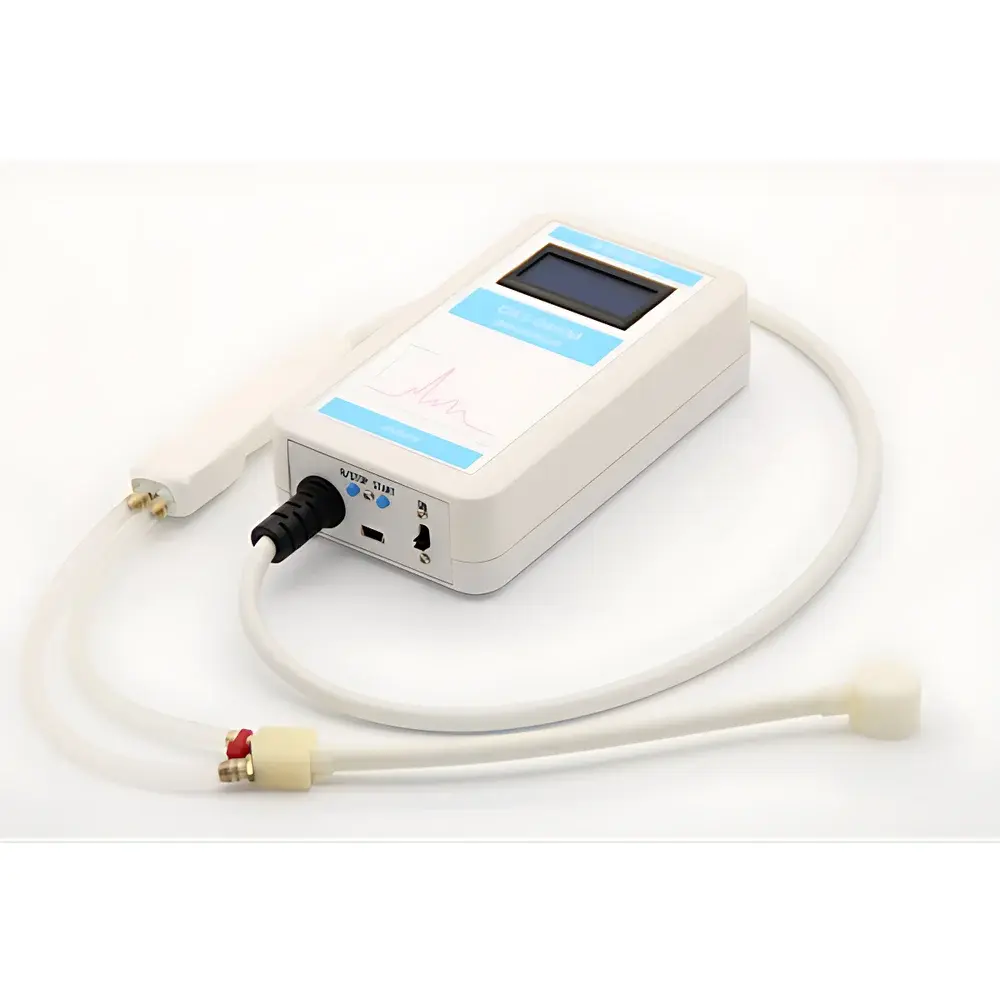
| Brand | ASE |
|---|---|
| Origin | Japan |
| Model | LHT-04 |
| Measurement Principle | Ventilated Capsule Method |
| Measurement Range | 0.00–3.00 mg/cm²/min (at 30 °C, 40 % RH) |
| Accuracy | ±10 % |
| Response Time | 1 s |
| Measurement Area | 1 cm² |
| Channel Count | 1 |
| Probe Length | 0.9 m (standard), up to 1.2 m (optional) |
| Data Logging Duration | 4 h |
| Power Supply | 2 × AA batteries |
| Operating Temperature | 15–35 °C |
| Operating Humidity | 40–60 % RH |
| Dimensions (W×H×D) | 76 × 35 × 135 mm |
| Weight | 350 g |
| Compliance | Designed for ISO 9241-305 (human thermal comfort), ASTM E1980 (sweat rate in physiological testing), and GLP-aligned data integrity workflows |
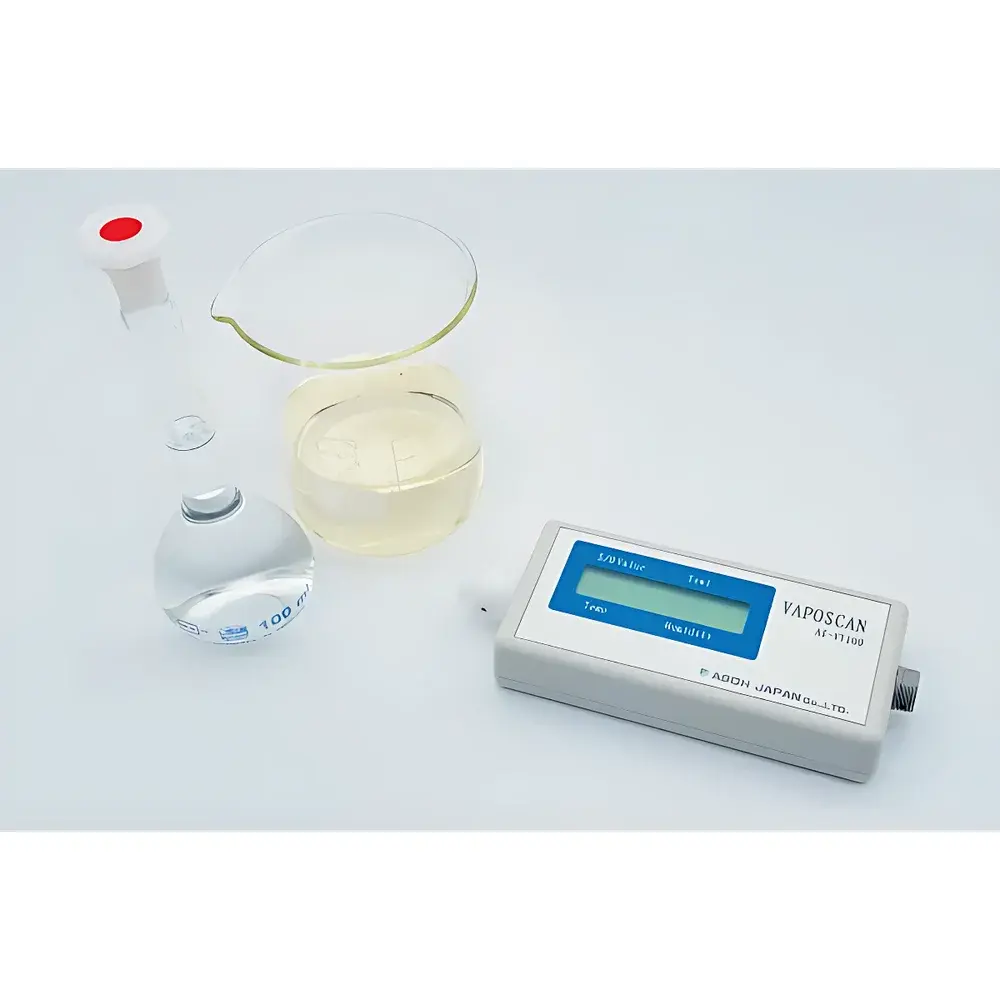
| Brand | ASCH |
|---|---|
| Origin | Japan |
| Model | AS-VT100RS |
| Measurement Principle | Closed-chamber dynamic humidity gradient analysis |
| TEWL Range | 0–300 g/m²/h |
| Resolution | 0.1 g/m²/h |
| Measurement Time | 5–14 s |
| Probe Aperture Options | 6, 8, 10, or 12 mm (DIP-switch configurable) |
| Dimensions | 165 × 70 × 28 mm |
| Weight | 200 g |
| Power Supply | AC adapter or AA batteries |
| Environmental Monitoring | Integrated temperature & relative humidity sensors |
| Data Output | RS-232 serial interface |
| Sample Types | Human skin (in vivo), excised animal skin (rat, pig, rabbit), 3D reconstructed human epidermis (RHE), and cultured skin models |
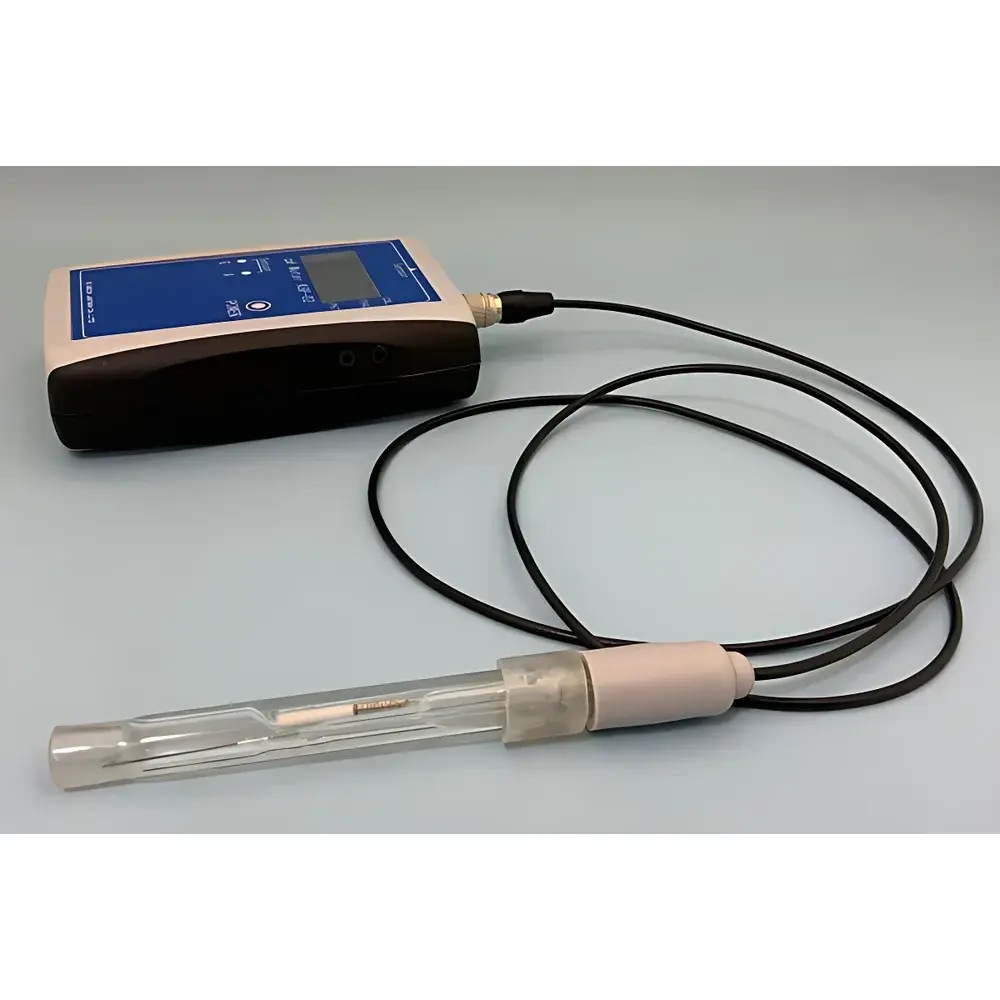
| Brand | ASCH |
|---|---|
| Origin | Japan |
| Model | ASP-02 |
| Measurement Range | 0–9 pH |
| Resolution | 0.1 pH |
| Accuracy | ±0.2 pH |
| Response Time | ≤10 s |
| Calibration | Two-point with pH 4.0 and pH 7.0 standard buffers |
| Operating Temperature | 0–50 °C |
| Storage Environment | 5–50 °C, 5–85% RH (non-condensing) |
| Power Supply | 2 × AA alkaline batteries |
| Main Unit Dimensions | 122 × 80 × 33.5 mm (H×W×D) |
| Main Unit Weight | ~200 g |
| Electrode Dimensions | 135 mm length × φ12 mm diameter |
| Cable Length | 1 m |
| Electrode Weight | ~60 g |
| Sample Interface | Flat-surface combination pH electrode for direct skin contact |
Show next