
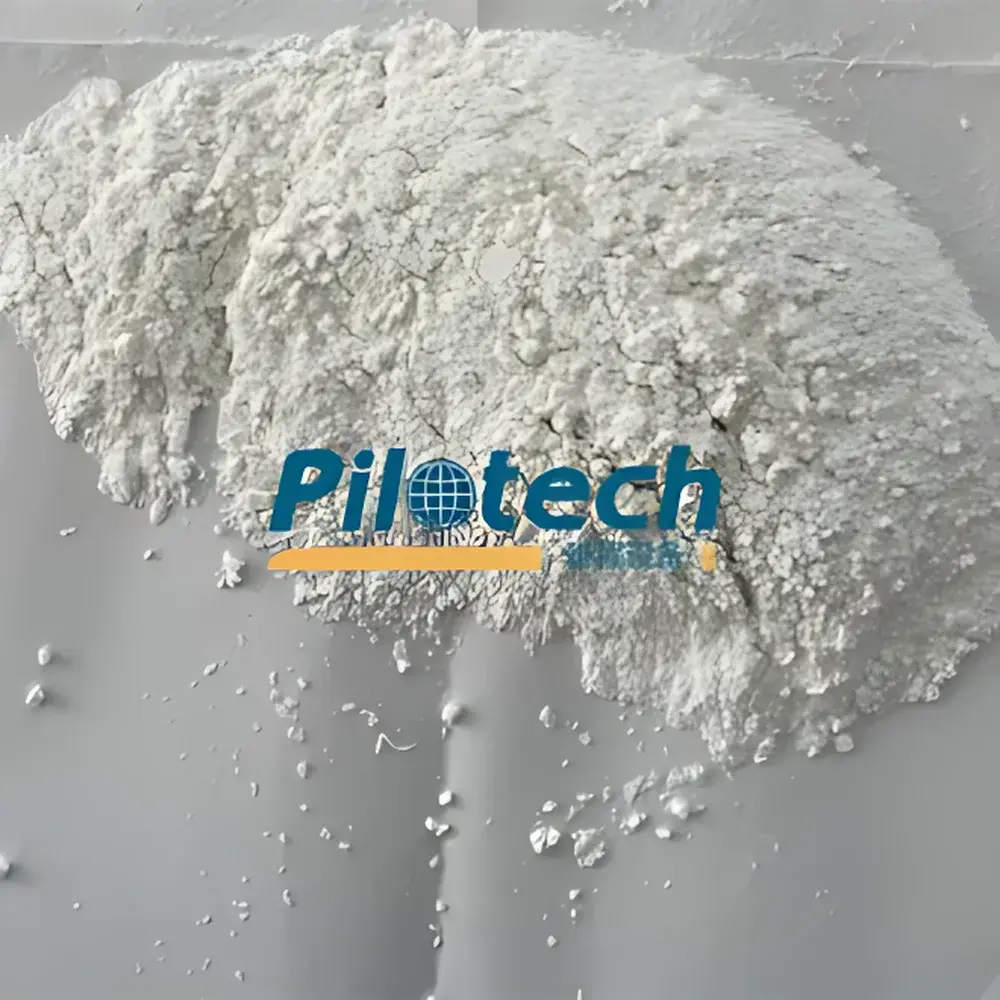
雅程YC-510实验室真空低温喷雾干燥机
| Brand | Yacheng / PILOTECH |
|---|---|
| Origin | Shanghai, China |
| Manufacturer Type | Direct Manufacturer |
| Product Origin | Domestic (China) |
| Model | YC-510 |
| Quotation | Upon Request |
| Sample Type Compatibility | Aqueous Solutions Only |
| Maximum Feed Rate | 500 mL/h |
| Inlet Air Temperature Range | Ambient to 200°C (Vacuum Mode: As Low as 50–55°C) |
| Particle Size Distribution | 1–25 µm |
| Vacuum Level | –0.08 MPa |
| Temperature Control Accuracy | ±1°C (PID-controlled) |
| Nozzle Orifice | Standard 1.0 mm (Optional: 0.5 / 0.8 / 1.5 / 2.0 mm) |
| Minimum Sample Volume | 10–20 mL (dependent on solids content) |
| Total Power Consumption | 3.5 kW |
| Construction Material | Full 316L Stainless Steel |
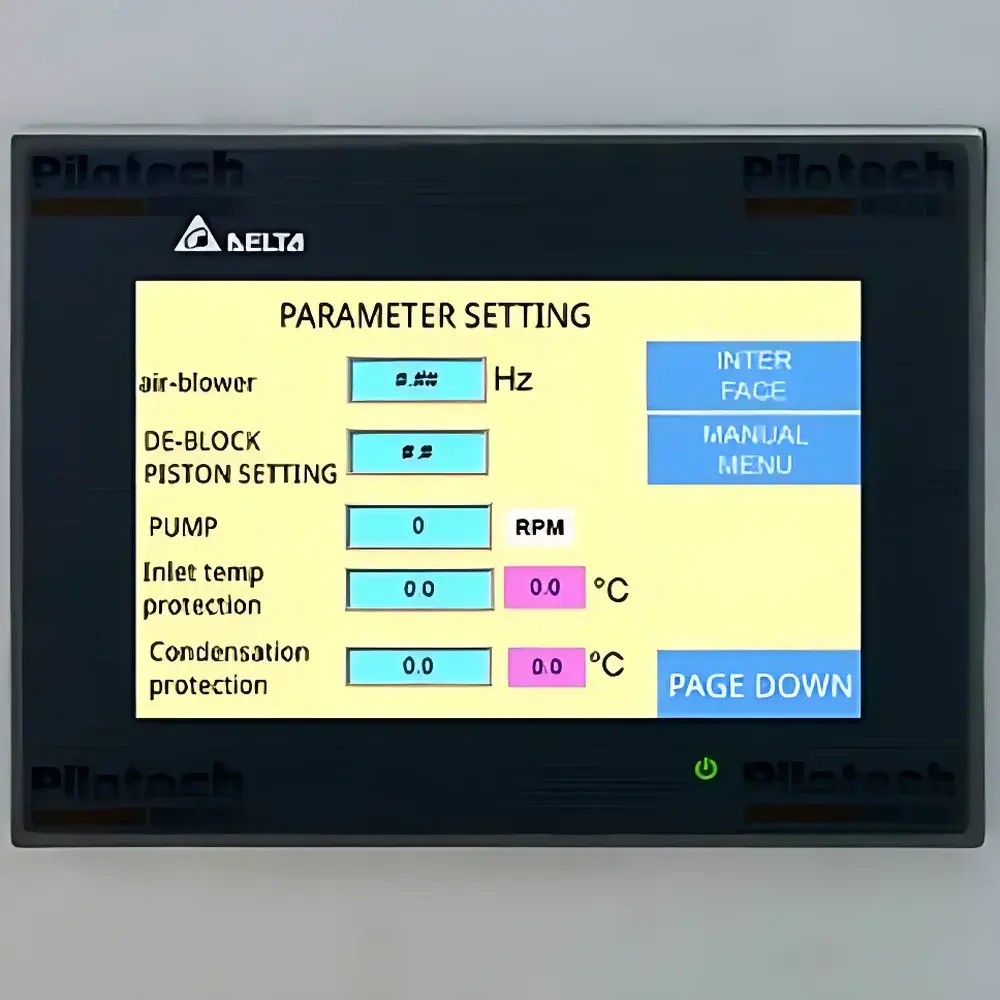
| Control Interface | Color LCD Touchscreen with Chinese UI (hardware supports multi-language firmware upgrade) |
Overview
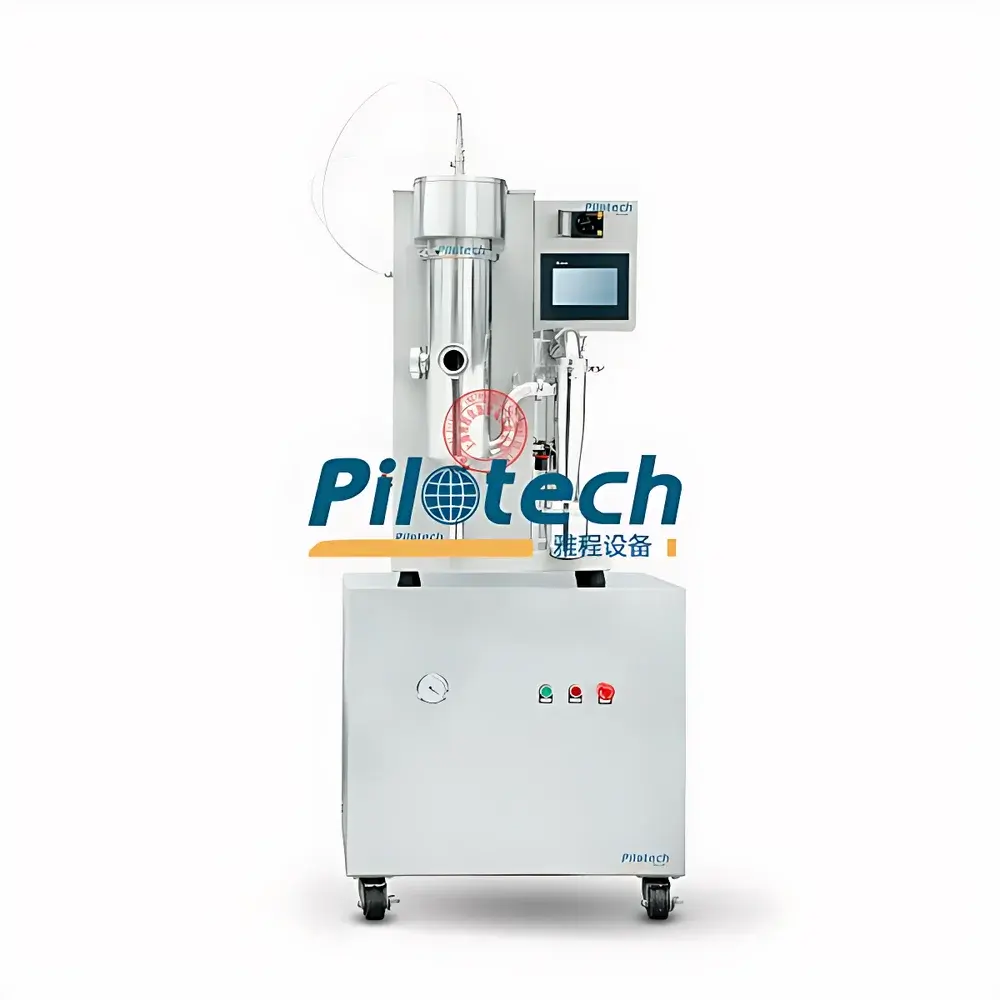
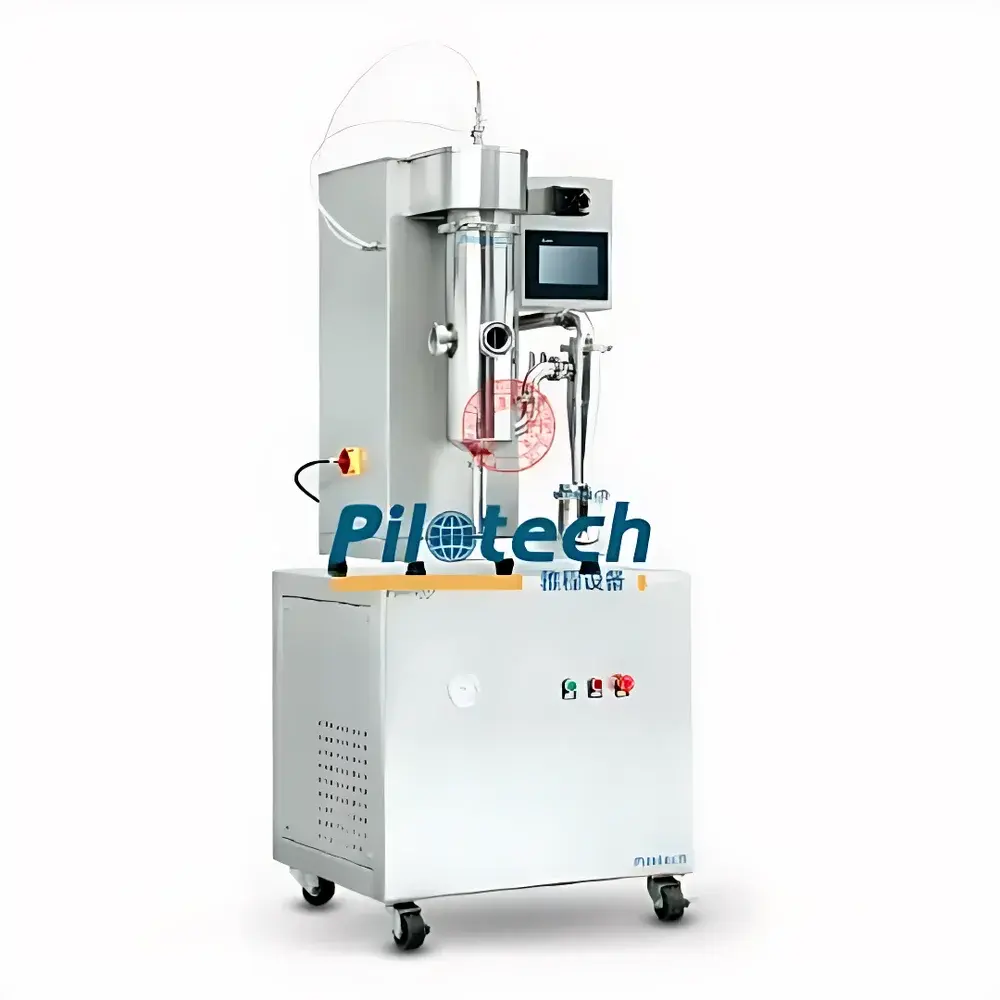
The Yacheng YC-510 Benchtop Vacuum-Low-Temperature Spray Dryer is an engineered solution for the gentle, rapid, and scalable conversion of heat-sensitive aqueous solutions into free-flowing micro-powders. Unlike conventional spray dryers relying solely on thermal energy transfer—where inlet air temperatures typically exceed 100°C—the YC-510 integrates a modular vacuum system that reduces the boiling point of water and volatile solvents, enabling effective drying at inlet temperatures as low as 50–55°C. This operational principle leverages the thermodynamic relationship between pressure and phase transition: under vacuum (–0.08 MPa), water evaporates rapidly even at sub-60°C conditions, minimizing thermal degradation of labile biomolecules, live probiotics, enzyme complexes, glycosylated natural extracts, thermolabile polymers, and volatile aroma compounds. The system operates on the core principle of two-fluid (air-assisted) atomization within a sealed, stainless-steel drying chamber, followed by inert gas–assisted or ambient-air–assisted particle collection in a cooled cyclone and glass collector. Its design bridges the functional gap between standard benchtop spray dryers and lyophilizers—offering throughput advantages over freeze-drying while preserving structural integrity and bioactivity unattainable with atmospheric spray methods.
Key Features
- Modular architecture: Independent benchtop spray dryer main unit and vacuum pumping module enable seamless switching between standard (up to 200°C) and vacuum-low-temperature (50–55°C) operation modes.
- PID-controlled inlet air temperature regulation with real-time feedback loop ensures ±1°C thermal stability across the full operating range—critical for reproducible particle morphology and residual moisture control.
- Two-fluid concentric nozzle assembly fabricated from electropolished 316L stainless steel; adjustable vertical positioning allows precise alignment of spray plume centerline with drying chamber axis—eliminating wall deposition and improving yield uniformity.
- Touchscreen HMI with color LCD interface provides intuitive access to feed rate (peristaltic pump), temperature setpoint, vacuum level, and run-time diagnostics; firmware supports future English-language UI localization.
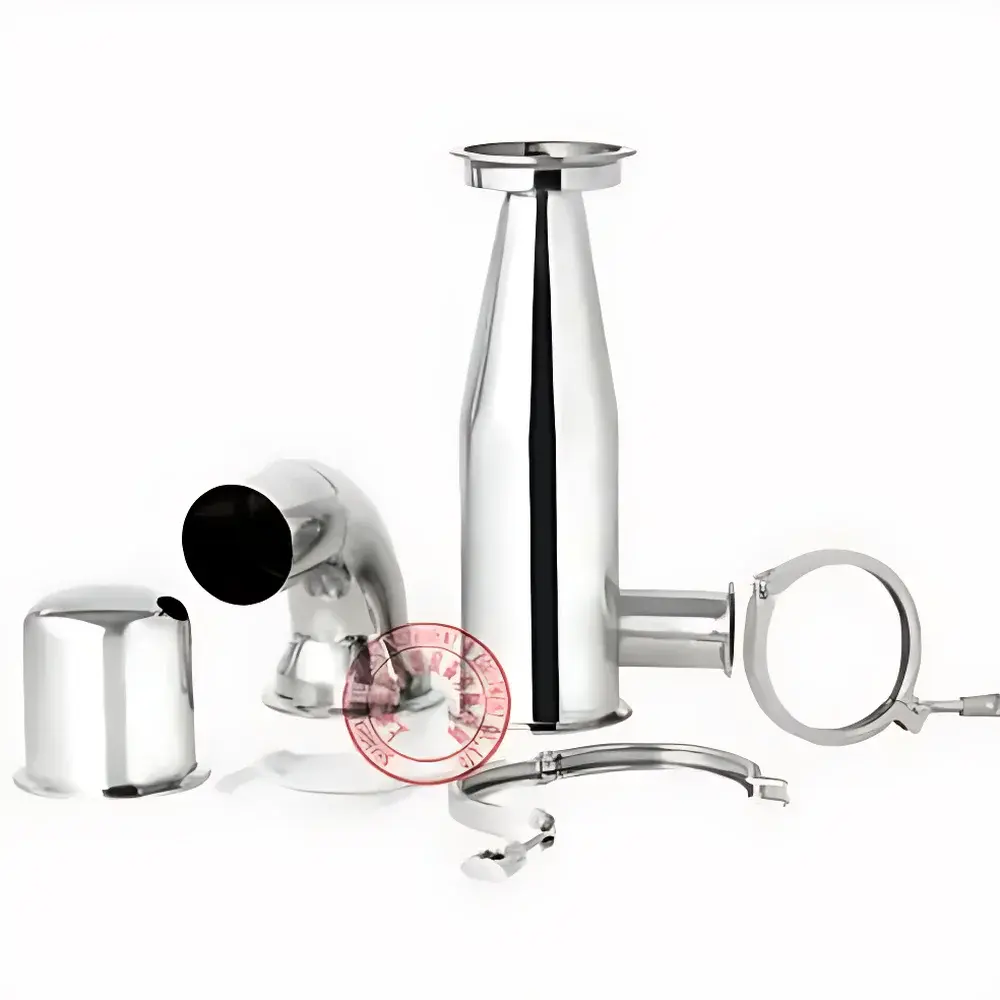
- Full 316L stainless-steel construction—including chamber, cyclone, collector, and piping—ensures corrosion resistance, cleanability, and compliance with GLP laboratory hygiene standards.
- Standard 1.0 mm nozzle orifice with optional sizing (0.5 / 0.8 / 1.5 / 2.0 mm) enables systematic optimization of droplet size distribution and final powder characteristics for diverse formulations.
Sample Compatibility & Compliance
The YC-510 is validated for aqueous-based feedstocks only, including protein solutions, bacterial suspensions (e.g., Lactobacillus, Bifidobacterium), polysaccharide extracts (e.g., pectin, alginate, chitosan), herbal decoctions, peptide conjugates, and water-soluble synthetic polymers. It is not suitable for organic solvents, high-viscosity slurries (>500 cP), or suspensions containing abrasive particulates. While the instrument itself does not carry CE, UL, or FDA registration, its mechanical design and material traceability align with ISO 9001 manufacturing practices. Users deploying the YC-510 in regulated environments (e.g., preclinical formulation development, botanical GMP pilot studies) may integrate it into internal SOPs referencing USP , ISO 22000, or ICH Q5C guidelines for stability-indicating drying processes. Residual moisture levels consistently remain below 1.0% w/w when operated under optimized vacuum-low-T conditions—a threshold supporting extended shelf-life evaluation per ASTM E1432-22.
Software & Data Management
The embedded controller logs timestamped process parameters—including inlet/outlet temperature, vacuum pressure, feed rate, and runtime—at 1-second intervals to internal flash memory. Data export is supported via USB port in CSV format for post-run analysis in MATLAB, Python (Pandas), or Excel. Although the system lacks network connectivity or remote monitoring capability, its deterministic PID algorithm and hardware-level thermal isolation ensure batch-to-batch repeatability without software dependency. Audit trails are manually documented per GLP Annex 11 principles; for Part 11–compliant workflows, users may pair the YC-510 with external electronic lab notebooks (ELNs) such as LabArchives or IDBS E-WorkBook to capture metadata, operator IDs, and calibration records.
Applications
- Stabilization of live microbial cultures for probiotic powder formulation and viability retention studies.
- Rapid drying of monoclonal antibody fragments and vaccine adjuvants without aggregation or deamidation.
- Production of inhalable dry powders from nanosuspensions (e.g., curcumin, resveratrol) with controlled aerodynamic diameter (MMAD 1–5 µm).
- Downstream processing of plant-derived nutraceuticals—such as anthocyanin-rich berry extracts—preserving antioxidant capacity and color stability.
- Preparation of polymer microparticles for controlled-release drug delivery screening (PLGA, PVP, HPMC matrices).
- Accelerated method development for scale-up to pilot-scale vacuum spray dryers (e.g., Niro Soavi, Buchi B-90HP).
FAQ
Can the YC-510 handle organic solvents such as ethanol or acetone?
No. The system is designed exclusively for aqueous solutions. Organic solvents pose explosion risks under vacuum and may compromise gasket integrity and pump longevity.
What is the typical residual moisture content achieved under vacuum-low-T mode?
Consistently ≤0.8–1.0% w/w for most carbohydrate- and protein-based feeds when operated at 55°C inlet temperature and –0.08 MPa vacuum.
Is the touchscreen interface available in English?
The default UI is Chinese, but the underlying firmware architecture supports language pack installation; English localization can be enabled upon request during commissioning.
Does the system include a built-in inert gas purging option?
No. However, the drying chamber features a dedicated gas inlet port compatible with external nitrogen or argon supply lines for oxygen-sensitive applications.
How is cleaning and maintenance performed between batches?
All wetted parts—including nozzle, chamber, cyclone, and collector—are tool-free detachable and autoclavable (121°C, 20 min). A cleaning protocol using warm 1% citric acid solution is recommended for protein residues.



