
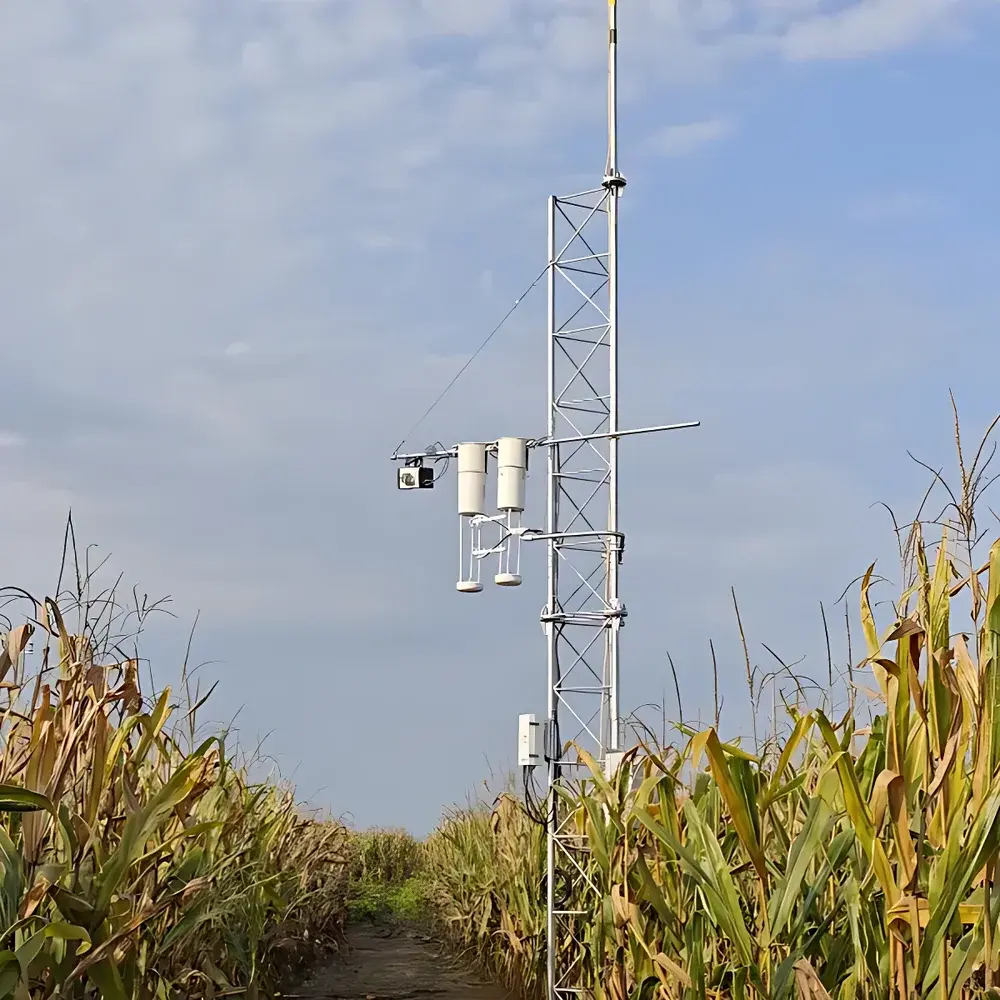
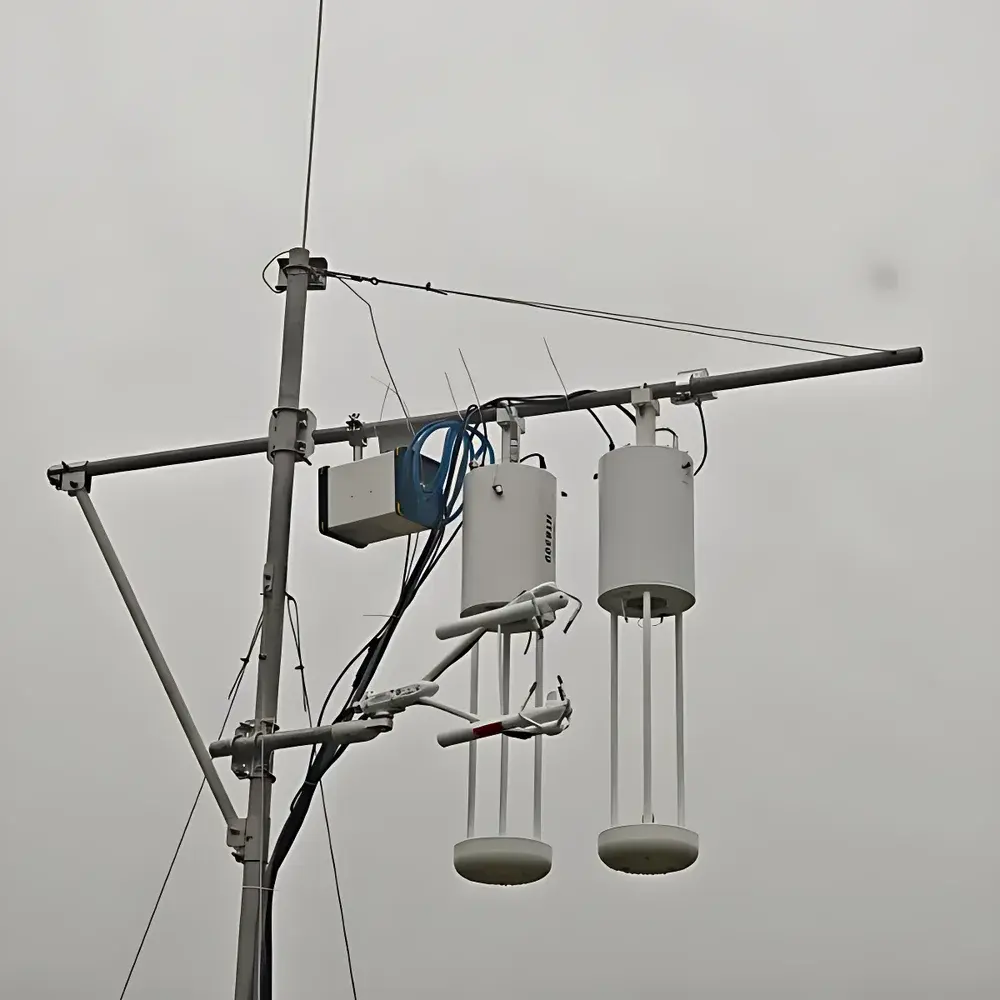
AeroNose HT8500 Open-Path Atmospheric Nitrous Oxide Laser Analyzer
| Brand | AeroNose |
|---|---|
| Origin | Zhejiang, China |
| Manufacturer Type | Direct Manufacturer |
| Country of Origin | China |
| Model | HT8500 |
| Detection Principle | Tunable Diode Laser Absorption Spectroscopy (TDLAS) with Quantum Cascade Laser (QCL) |
| Target Gas | Nitrous Oxide (N₂O) |
| Measurement Range | 0–5000 ppb |
| Precision | <0.5 ppb (@ 0.1 s integration time, @ 330 ppb, under standard temperature and pressure) |
| Optical Path | Open-path, non-contact |
| Compliance | Designed for field-deployable environmental monitoring per ISO 14064-1, EPA Method TO-15 (principle alignment), and EU Directive 2008/50/EC ambient air quality assessment frameworks |
Overview
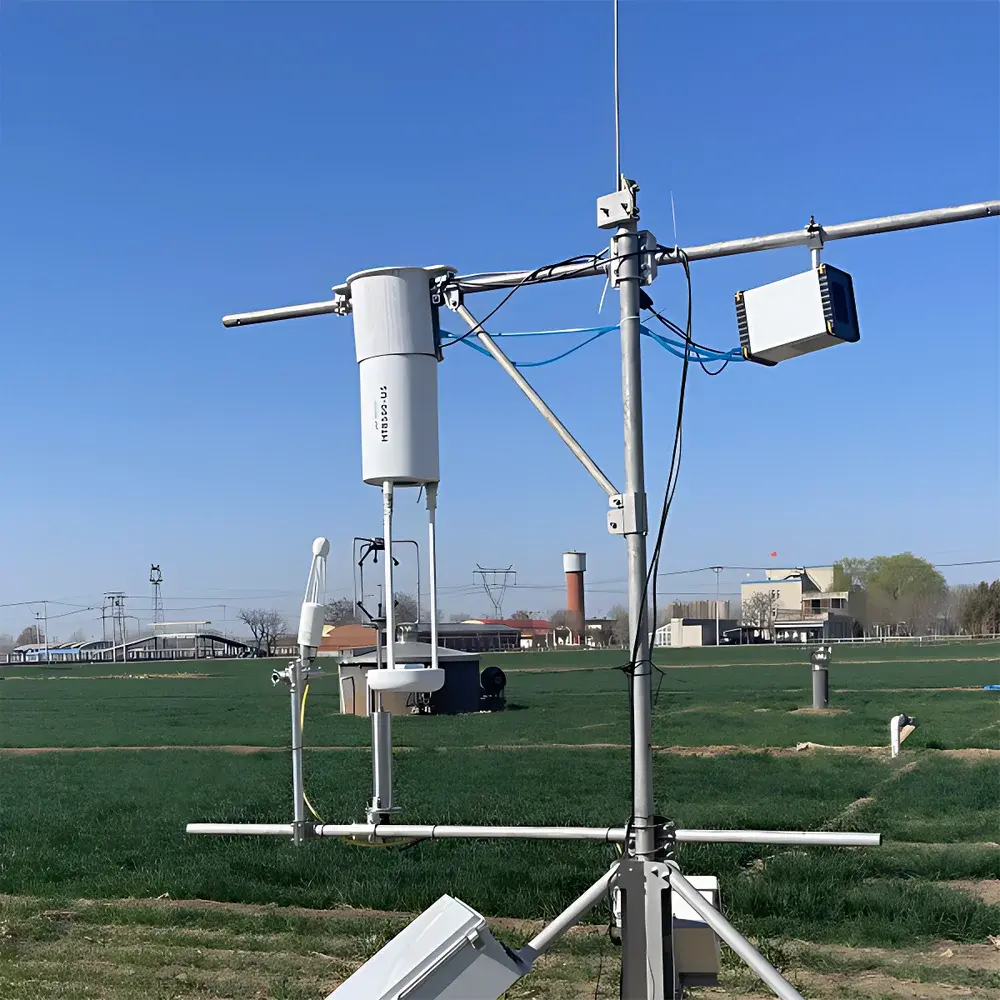
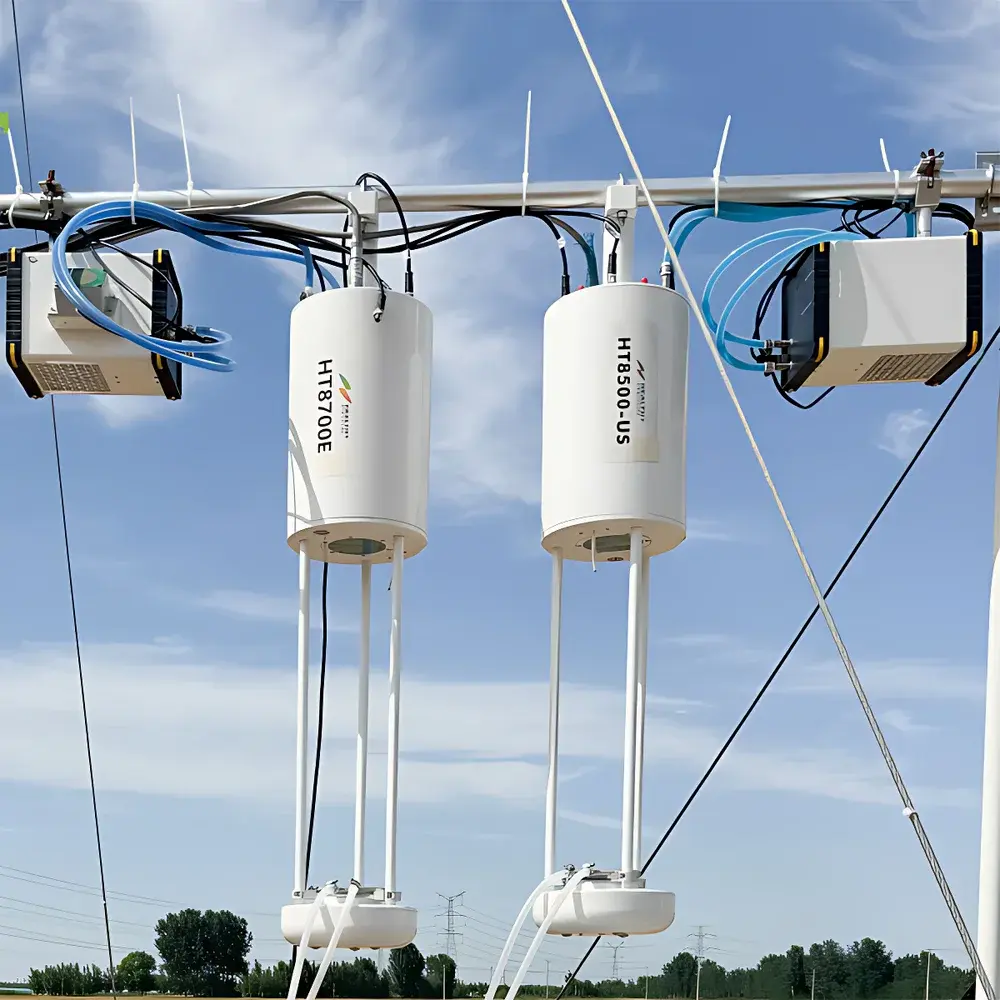
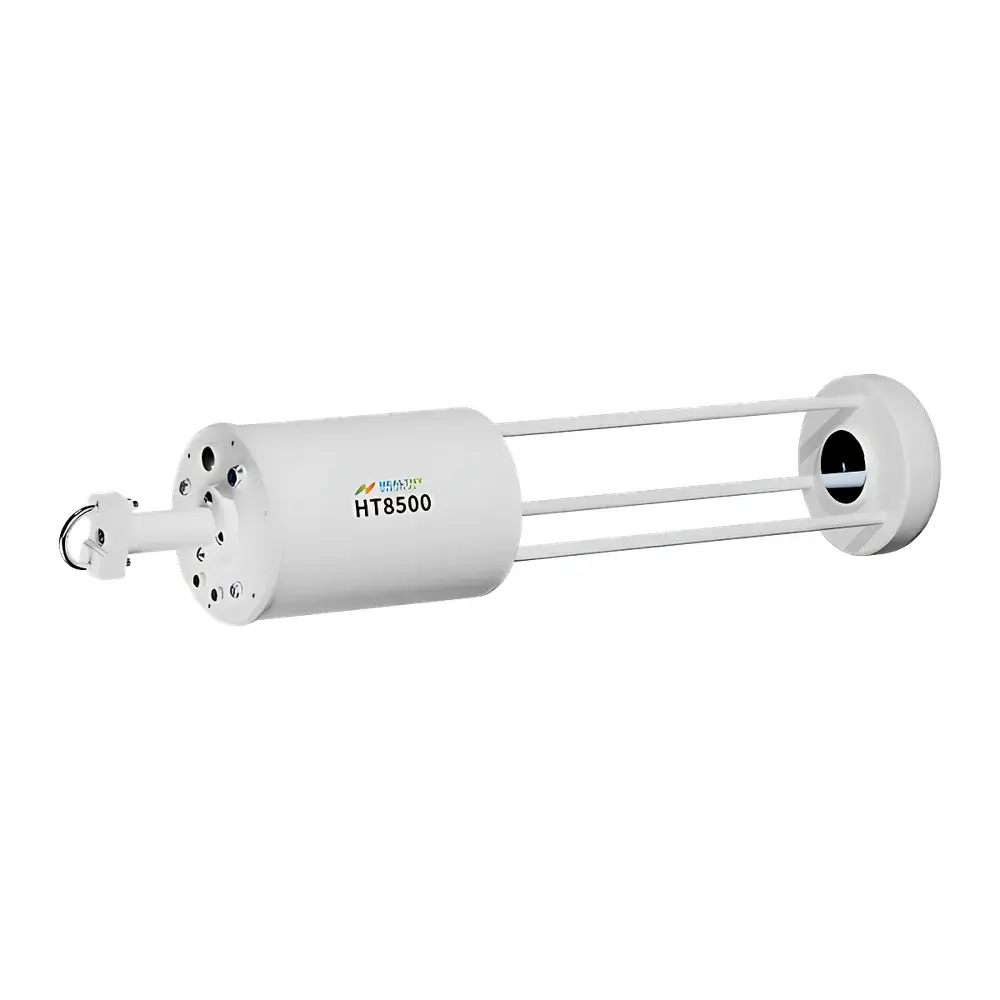
The AeroNose HT8500 is an open-path, real-time atmospheric nitrous oxide (N₂O) analyzer engineered for high-sensitivity, in-situ measurement without sample extraction or conditioning. It employs quantum cascade laser-based tunable diode laser absorption spectroscopy (QCL-TDLAS), operating at a precisely selected mid-infrared absorption line near 7.8 µm—where N₂O exhibits strong, isolated rotational-vibrational transitions. This spectral selectivity enables interference-free quantification in complex ambient matrices, including urban air, agricultural boundary layers, and industrial plumes. Unlike extractive systems requiring gas handling, the HT8500 utilizes a collimated laser beam transmitted across an open optical path (typically 10–200 m), with retroreflective return or dual-end configuration. The instrument’s fundamental architecture supports continuous, calibration-free operation over extended deployments—critical for long-term flux studies, eddy covariance networks, and regulatory-grade ambient monitoring.
Key Features
- Quantum cascade laser source with wavelength stability <±0.001 cm⁻¹, ensuring reproducible targeting of the ν₁+ν₃ band of N₂O
- Open-path optical design eliminating inlet artifacts, adsorption losses, and residence-time delays inherent to pumped systems
- Real-time output at 10 Hz native sampling rate, with configurable averaging (0.1 s to 60 s) for noise reduction and signal optimization
- Ruggedized aluminum housing rated IP65, qualified for continuous outdoor operation from −20 °C to +50 °C
- Integrated temperature, pressure, and relative humidity compensation algorithms aligned with NIST traceable reference conditions
- Low-power consumption (<12 W typical), compatible with solar-battery hybrid power systems for off-grid deployment
Sample Compatibility & Compliance
The HT8500 is designed for direct analysis of ambient air without filtration, drying, or dilution—preserving the native chemical and physical state of the sampled matrix. It maintains accuracy across variable particulate loadings (<100 µg/m³ PM₁₀), water vapor concentrations (0–95% RH), and CO₂ levels (up to 1000 ppm). Its measurement methodology complies with the scientific principles underlying ISO 14064-1 (greenhouse gas quantification), aligns with the spectroscopic validation criteria in EPA Compendium Method TO-15 (for compound-specific IR detection), and satisfies data quality objectives outlined in EU Ambient Air Quality Directive 2008/50/EC Annex IX. Instrument firmware includes audit-trail logging and timestamped metadata generation, supporting GLP-compliant data acquisition workflows.
Software & Data Management
The HT8500 ships with AeroNose Analytical Suite v3.2—a Linux-based embedded software platform supporting local visualization, threshold-triggered event logging, and automated zero/span verification routines. Raw absorbance spectra are stored alongside processed concentration time series (in NetCDF-4 format), enabling post-acquisition spectral re-analysis and interference diagnostics. Remote access is enabled via secure SSH and TLS-encrypted HTTP API, allowing integration into SCADA, CR1000X, or FluxNet-compatible data loggers. All data exports include ISO 8601 timestamps, instrument serial ID, optical path length, and environmental correction coefficients—ensuring full traceability for regulatory reporting and peer-reviewed publication.
Applications
- Ambient air quality monitoring networks: Continuous N₂O profiling in urban, suburban, and background sites to support national emission inventories and trend analysis per UNFCCC reporting guidelines
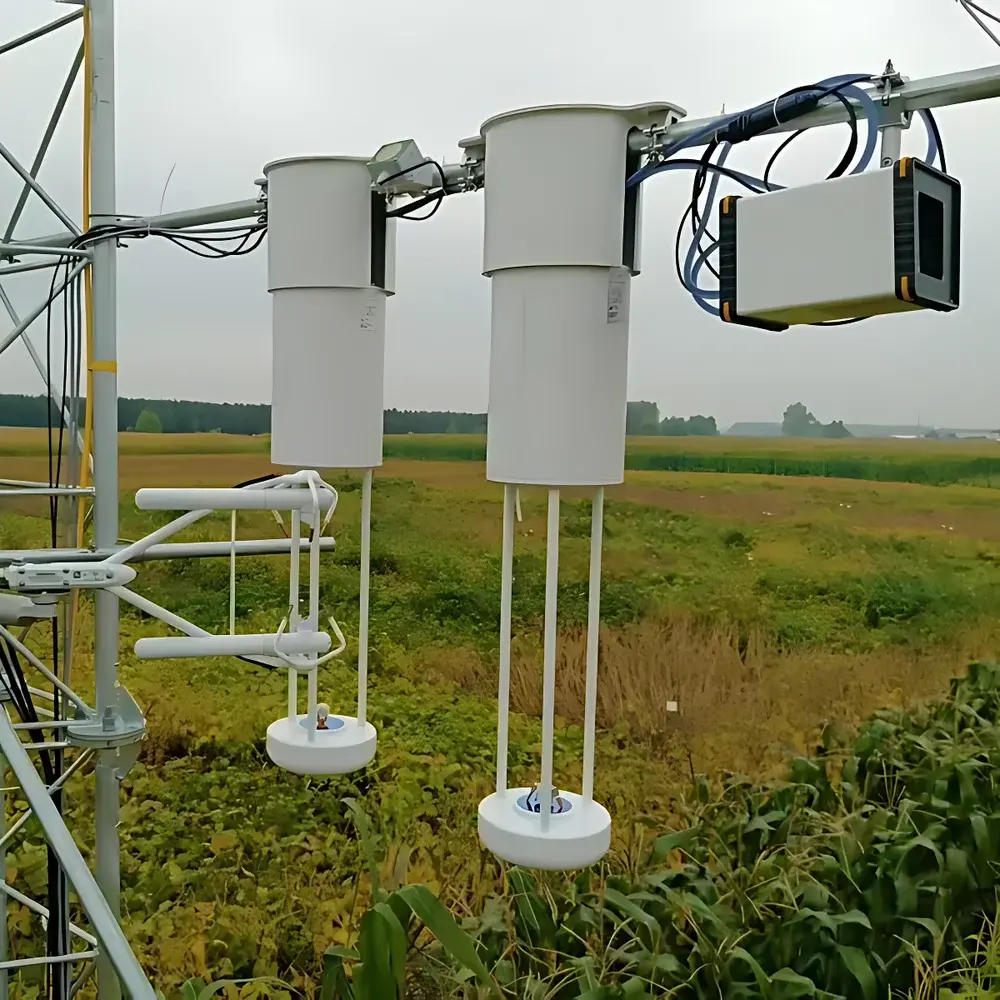
- Agricultural soil-atmosphere exchange studies: Coupled with eddy covariance towers to quantify N₂O fluxes from croplands, pastures, and manure application zones
- Industrial fence-line monitoring: Real-time detection of fugitive N₂O emissions from nitric acid production, adipic acid synthesis, and wastewater treatment facilities
- Climate research campaigns: Mobile deployment on vehicle-mounted platforms or UAV-carried configurations for spatially resolved plume mapping and source attribution
- Calibration transfer validation: Serving as a field reference for validating cavity ring-down spectrometers (CRDS) and Fourier-transform infrared (FTIR) analyzers in intercomparison exercises
FAQ
What is the minimum detectable concentration (MDL) under typical field conditions?
The MDL is <0.3 ppb (1σ, 10 s average) in clean background air; it increases to ~0.8 ppb in high-humidity, high-aerosol environments due to scattering-induced signal attenuation.
Does the HT8500 require periodic calibration with certified gas standards?
No external calibration is required during normal operation. The system performs internal wavelength referencing using a stabilized Fabry–Pérot etalon and monitors laser current–temperature drift in real time. Field validation against NIST-traceable permeation tubes is recommended annually.
Can the optical path be extended beyond 200 meters?
Yes—custom configurations up to 500 m are available with higher-power QCL modules and enhanced signal-to-noise ratio processing, subject to site-specific atmospheric transmission modeling.
Is the instrument compliant with FDA 21 CFR Part 11 for regulated environmental data submission?
While not a pharmaceutical device, its audit trail, electronic signature support, and data integrity controls meet the functional requirements of Part 11 for electronically submitted environmental compliance reports.
How is cross-sensitivity to CO₂ or CH₄ addressed in the spectral fitting algorithm?
The retrieval algorithm applies constrained non-linear least-squares fitting to the full measured spectrum, simultaneously solving for N₂O, H₂O, CO₂, and baseline polynomial terms—leveraging known line intensities and broadening coefficients from HITRAN2020.
Related Products







