
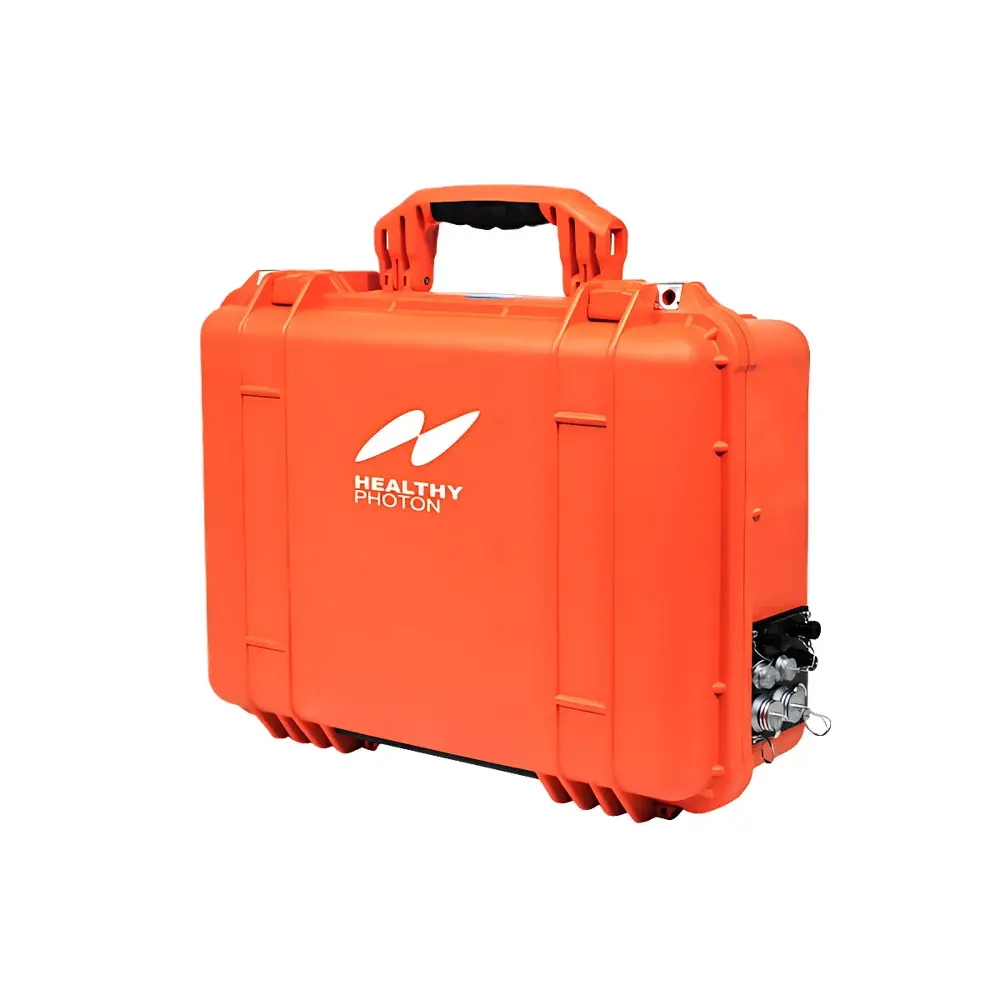
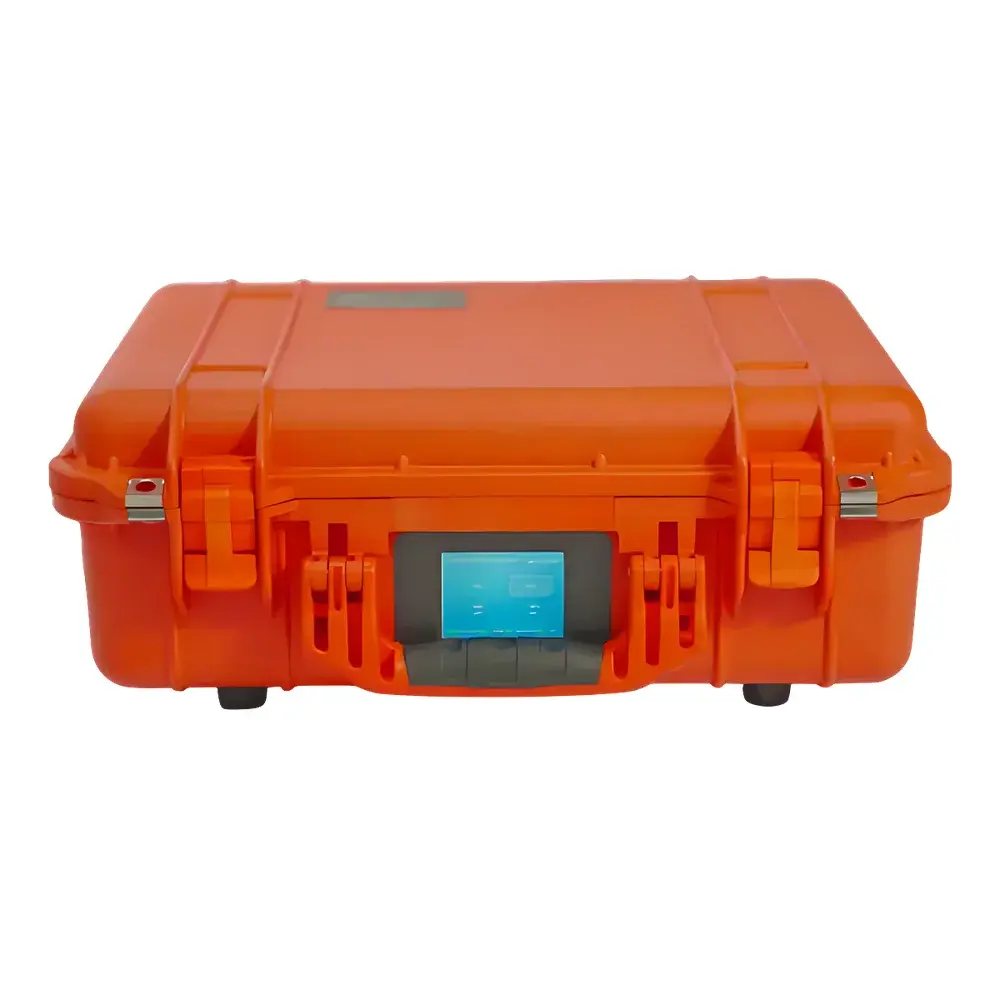
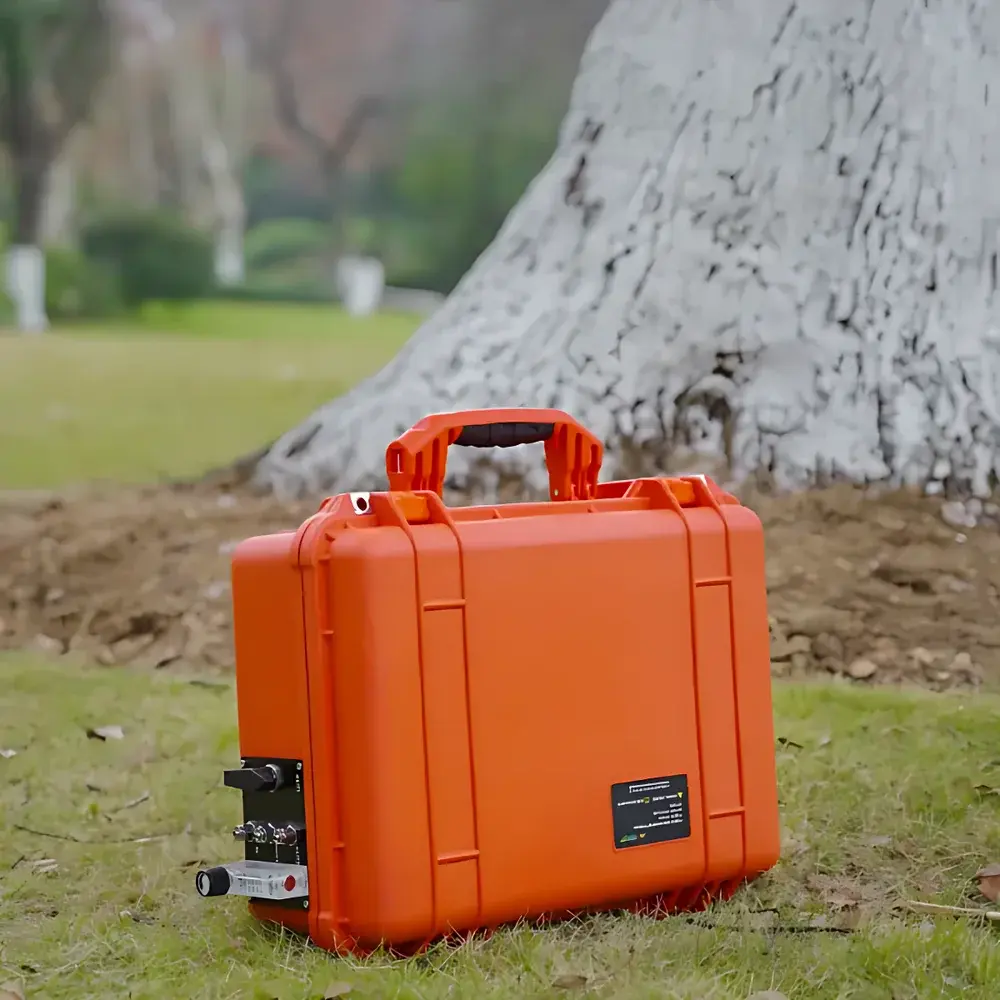
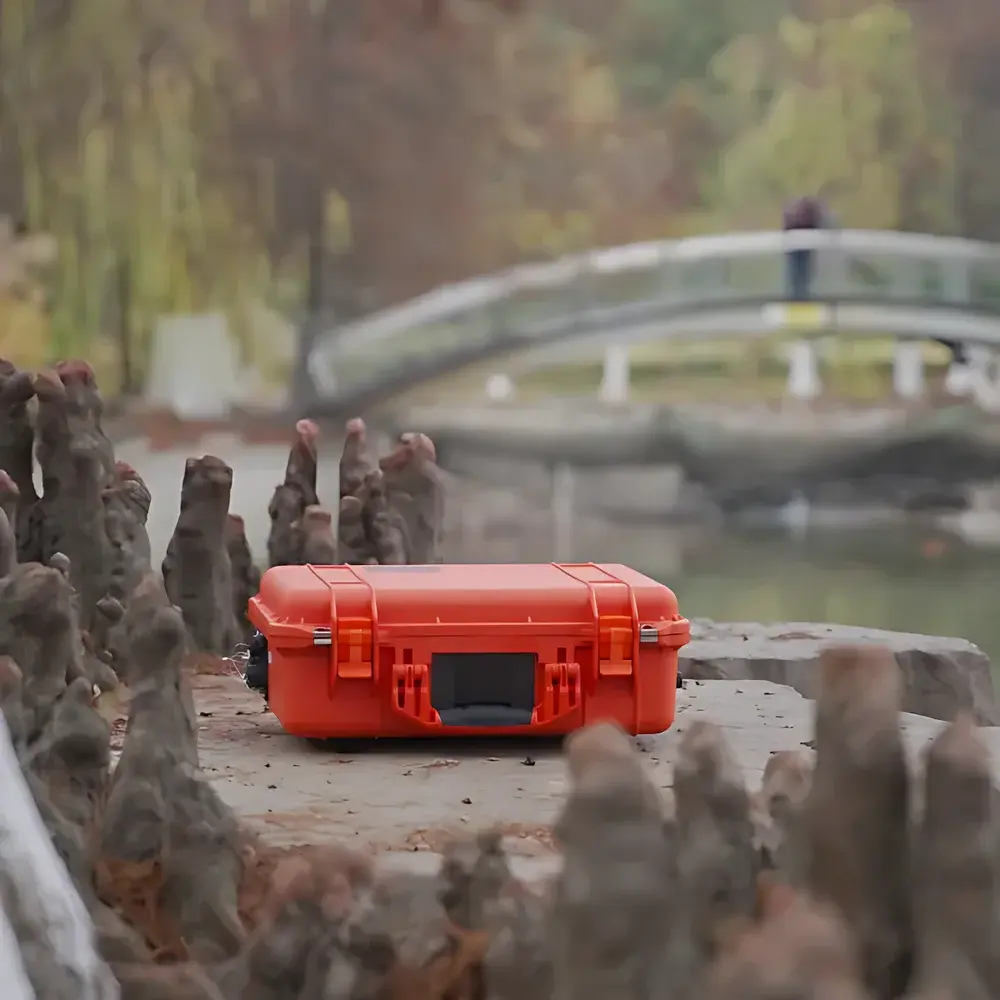
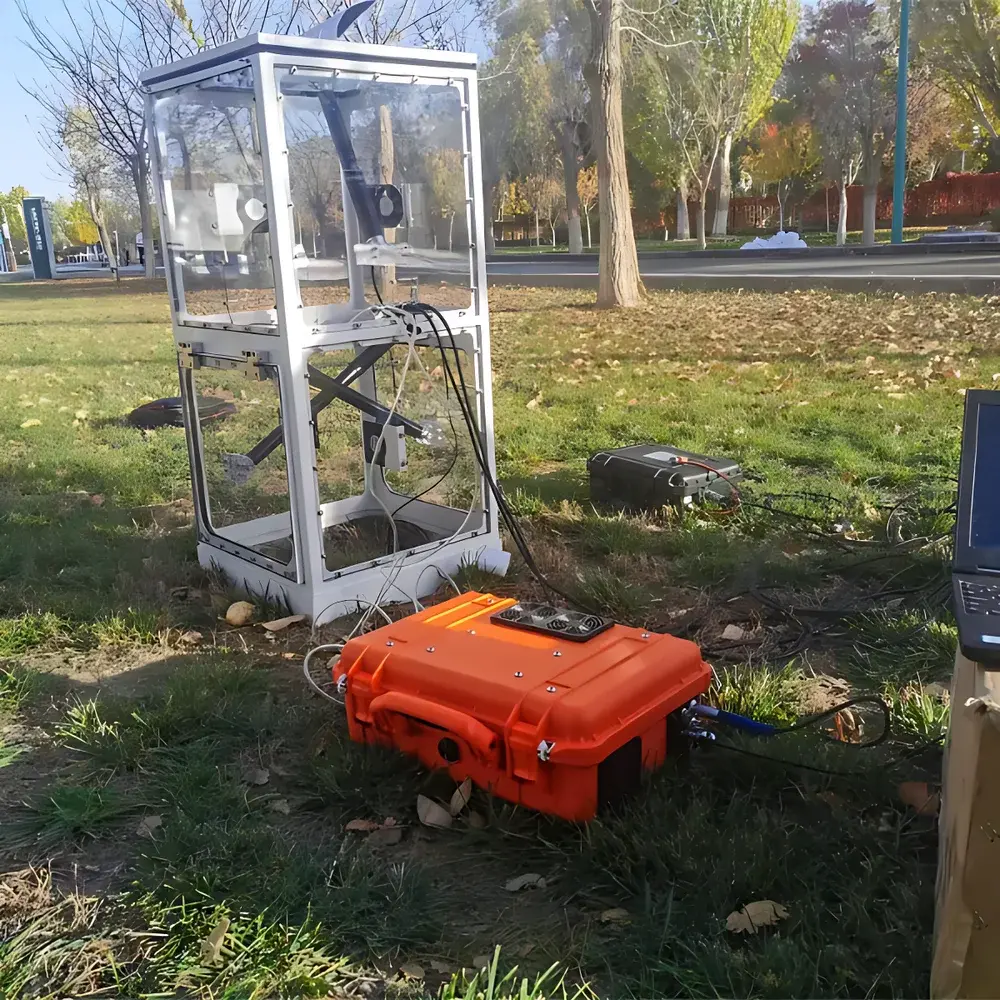
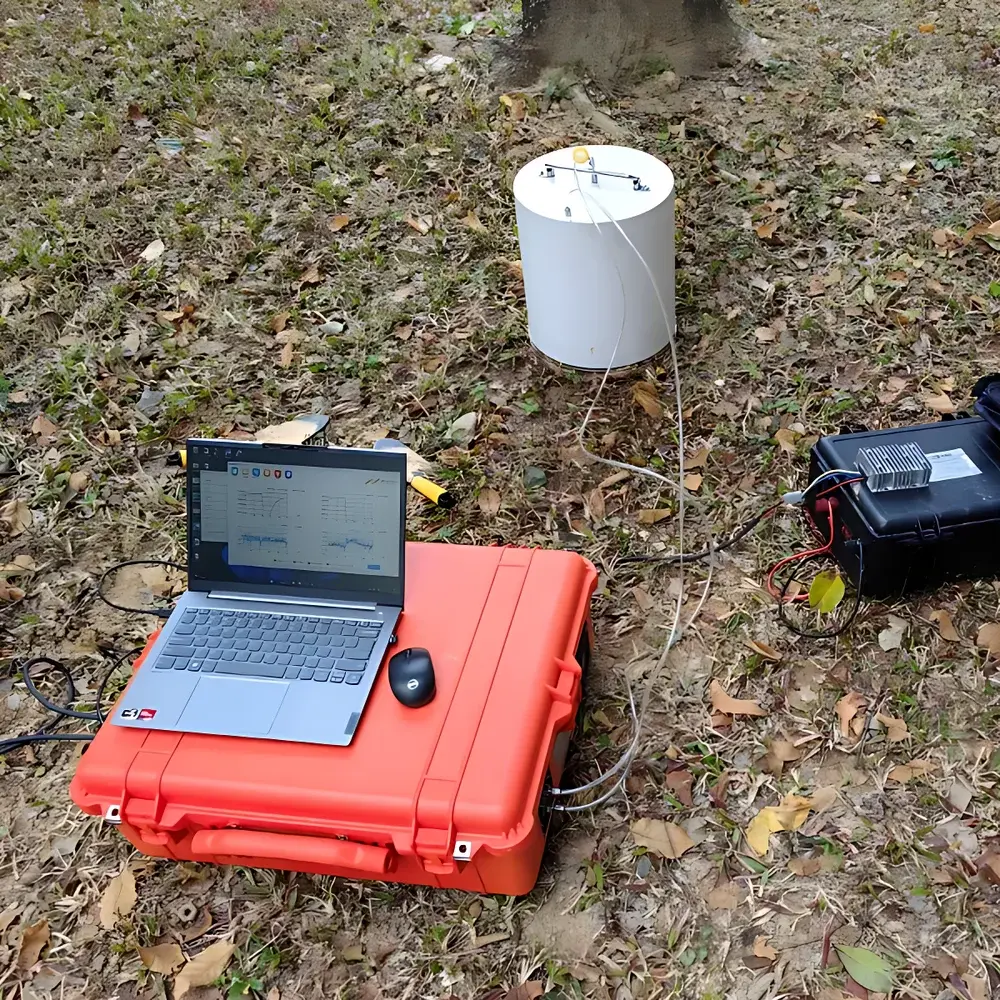
AeroNose HT8840 Portable Multi-Component Greenhouse Gas Analyzer
| Brand | AeroNose |
|---|---|
| Origin | Zhejiang, China |
| Manufacturer | AeroNose (OEM/ODM Producer) |
| Model | HT8840 |
| Measurement Principle | Tunable Diode Laser Absorption Spectroscopy (TDLAS) |
| Detected Gases & Ranges | CO₂: 0–5000 ppm |
| CH₄ | 0–15 ppm |
| H₂O | 0–30000 ppm |
| Accuracy | CO₂: ±0.5 ppm (at 400 ppm) |
| CH₄ | ±0.5 ppb (at 2 ppm) |
| H₂O | ±10 ppm (at 10000 ppm) |
| Response Time | ≤30 s |
| Operating Temperature | −10 °C to +45 °C |
| Storage Temperature | −25 °C to +50 °C |
| Relative Humidity | <95% RH, non-condensing |
| Atmospheric Pressure Range | 70–110 kPa |
| Dimensions | 50 cm × 36 cm × 18 cm |
| Weight | <15 kg |
| Power Supply | 12 VDC / 10 A |
| Power Consumption | <70 W (steady-state) |
| Data Storage | Integrated SD card or external DAQ system |
| Communication Interface | RS232 serial port |
| User Interface | Windows-based control software |
Overview
The AeroNose HT8840 is a field-deployable, battery- and solar-compatible portable analyzer engineered for high-precision, real-time quantification of multiple greenhouse gases—specifically carbon dioxide (CO₂), methane (CH₄), and water vapor (H₂O)—in ambient air, soil flux chambers, aquatic headspaces, and mobile monitoring platforms. It employs Tunable Diode Laser Absorption Spectroscopy (TDLAS) in the mid-infrared region, targeting isolated, high-intensity rotational-vibrational absorption lines unique to each target species. This spectral selectivity eliminates cross-sensitivity from interfering atmospheric constituents (e.g., CO, N₂O, NH₃, or VOCs), ensuring measurement integrity without chemical scrubbing or optical filtering. Unlike cavity-enhanced or photoacoustic systems requiring ultra-stable optical cavities or resonant cells, the HT8840 utilizes a robust, compact multi-pass absorption cell optimized for signal-to-noise ratio and mechanical resilience under variable environmental conditions. Its design conforms to the operational constraints of long-term unattended field deployments—including temperature fluctuations, vibration, and intermittent power—while maintaining traceable calibration stability over extended intervals.
Key Features
- Multi-species simultaneous detection: Real-time, independent quantification of CO₂, CH₄, and H₂O using spectrally resolved TDLAS channels—no time-multiplexing or sequential scanning delays.
- Cross-interference immunity: Each gas is measured on a dedicated, pressure-broadened absorption line with minimal spectral overlap; validated against certified gas mixtures per ISO 17025-accredited protocols.
- Field-hardened architecture: Compact footprint (50 × 36 × 18 cm), mass <15 kg, and low steady-state power draw (<70 W) enable deployment on backpack frames, UAV gondolas, vehicle-mounted racks, or solar-powered remote stations.
- Flexible power operation: Operates continuously from 12 VDC input—compatible with Li-ion battery packs (≥10 Ah) or photovoltaic arrays with charge controllers—supporting >72 h runtime at nominal sampling duty cycle.
- Calibration traceability: Factory-calibrated using NIST-traceable standard gases; onboard zero/span verification routines support field recalibration without external hardware.
- Environmental robustness: Rated for continuous operation between −10 °C and +45 °C; sealed enclosure meets IP54 ingress protection; condensation-resistant optical path with active thermal management.
Sample Compatibility & Compliance
The HT8840 interfaces directly with standard 1/4″ Swagelok or PTFE tubing for sample introduction. It accepts both ambient air (via aspiration pump) and headspace gas from static chambers (e.g., soil collars, floating chambers over sediments or surface waters). No pre-concentration, drying, or catalytic conversion is required—H₂O is measured concurrently and used for humidity correction of CO₂ and CH₄ signals. The instrument complies with data integrity requirements for environmental research applications: raw absorbance spectra and processed concentration time series are timestamped and stored with metadata (temperature, pressure, flow rate) on internal SD card. While not FDA 21 CFR Part 11-certified (as it is a research-grade instrument), its data export format (CSV/ASCII) and audit trail capability align with GLP-compliant field study reporting standards per ISO 14064-3 and IPCC Tier 2 inventory guidelines.
Software & Data Management
AeroNose provides a Windows-native desktop application for instrument configuration, real-time visualization, and post-processing. The software supports synchronous logging of all three gas channels at 1 Hz resolution, with configurable averaging windows (1–60 s). Raw spectral data (wavelength vs. intensity) can be exported for third-party spectral fitting (e.g., HITRAN-based line shape analysis). Data files include embedded GPS coordinates (when connected via USB/serial NMEA interface), barometric pressure, and internal sensor diagnostics. Firmware updates and parameter reconfiguration are performed over RS232 without disassembly. For integration into larger observatory networks, the HT8840 supports Modbus RTU over RS232 for compatibility with Campbell Scientific CR-series dataloggers and SCADA systems.
Applications
- Soil respiration flux studies—continuous chamber-based CO₂ and CH₄ emission measurements across agricultural, forest, and permafrost sites.
- Aquatic greenhouse gas dynamics—headspace analysis above lakes, rivers, wetlands, and marine sediments to quantify diffusive and ebullitive CH₄ and CO₂ emissions.
- Urban and peri-urban atmospheric monitoring—mobile surveys along transects or fixed-site background monitoring near landfills, wastewater treatment plants, or livestock facilities.
- Validation of satellite-based GHG retrievals—ground-truthing campaigns requiring portable, high-accuracy reference measurements at TCCON or ICOS-class precision.
- Educational and training deployments—field labs for environmental science programs requiring hands-on instrumentation experience with spectroscopic gas analysis principles.
FAQ
Does the HT8840 require periodic factory recalibration?
No—routine field verification using certified zero air and span gases (e.g., 400 ppm CO₂, 2 ppm CH₄ in N₂) is sufficient for most research applications. Full recalibration is recommended annually or after exposure to extreme contamination events.
Can the HT8840 measure N₂O or other gases beyond CO₂, CH₄, and H₂O?
The HT8840 is configured exclusively for CO₂, CH₄, and H₂O. For N₂O detection, the HT8850 variant is available with an additional TDLAS channel tuned to 4.5 µm.
Is the instrument compatible with data loggers from Campbell Scientific or Delta-T?
Yes—via RS232 serial output in ASCII protocol with user-defined delimiter and baud rate; Modbus RTU implementation enables direct integration with CR1000X, CR6, or DL6 data loggers.
What is the minimum detectable concentration (MDL) under field conditions?
Based on 1σ noise in 30-second averaged output: CO₂ MDL = 0.3 ppm, CH₄ MDL = 0.3 ppb, H₂O MDL = 7 ppm—verified during intercomparison trials at the Qinghai Lake Atmospheric Observatory.
How is water vapor interference corrected in CO₂ and CH₄ measurements?
H₂O concentration is measured simultaneously on a dedicated 2.7 µm absorption line; its partial pressure and broadening coefficients are applied in real time to correct line shape parameters for CO₂ (4.3 µm) and CH₄ (3.3 µm) channels using Voigt profile modeling.
Related Products







