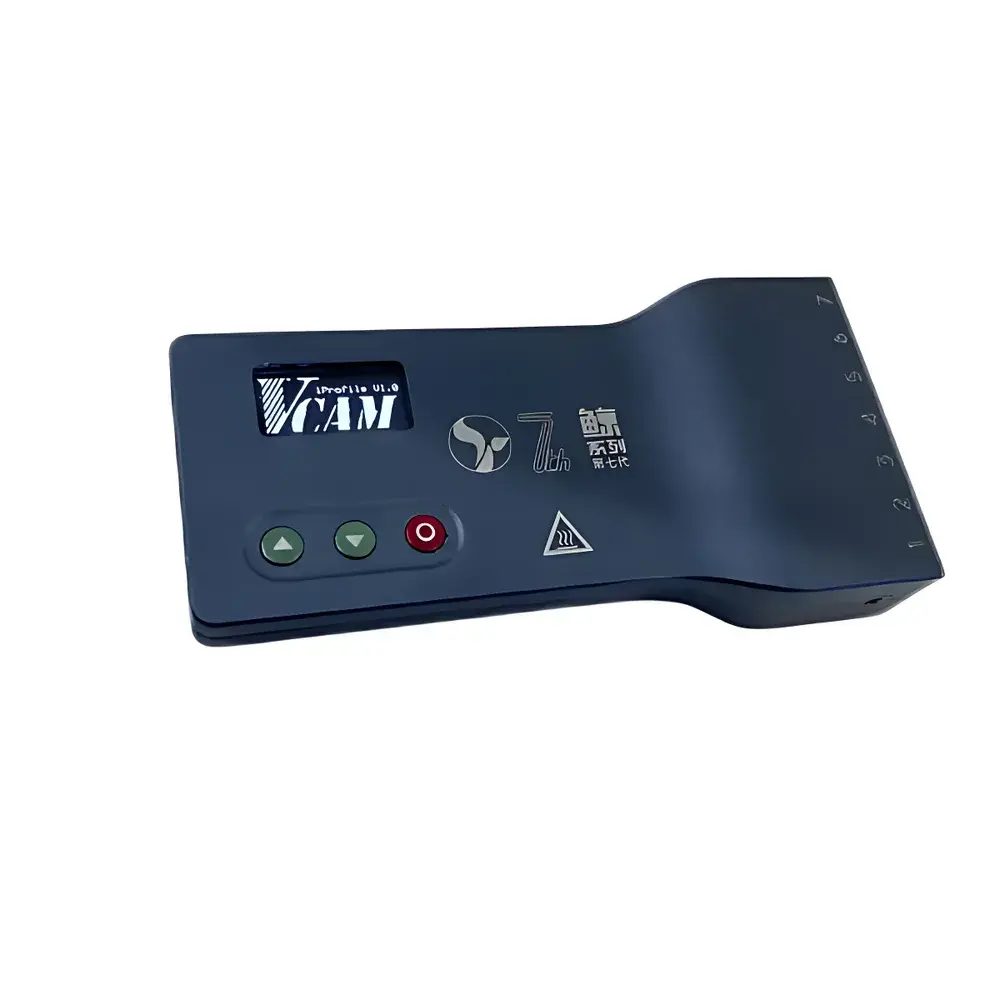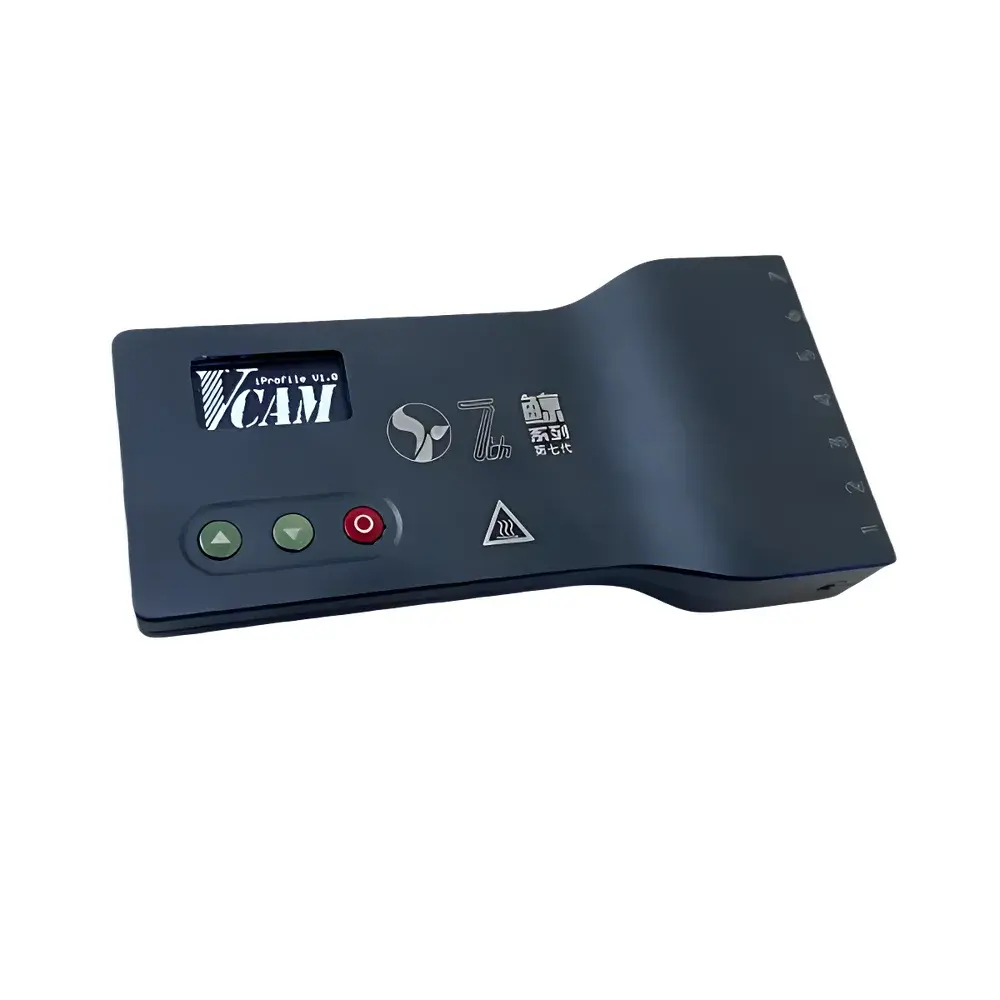
Agilent ADM 1000 Digital Electronic Flow Meter
| Brand | Agilent Technologies |
|---|---|
| Origin | USA |
| Model | ADM 1000 |
| Accuracy | ±3% of reading or ±0.2 mL/min (whichever is greater) |
| Flow Range | 0.5–1000 mL/min |
| Operating Temperature (Instrument) | 0–45 °C |
| Operating Temperature (Line) | –70 to 135 °C |
| Calibration | NIST-traceable 5-point calibration |
| Power Supply | 9 V battery |
| Gas Compatibility | Clean, dry, non-corrosive gases |
| Output Interface | None (ADM 1000) |
| Measurement Principle | Volumetric flow measurement via thermal dispersion sensing |
Overview
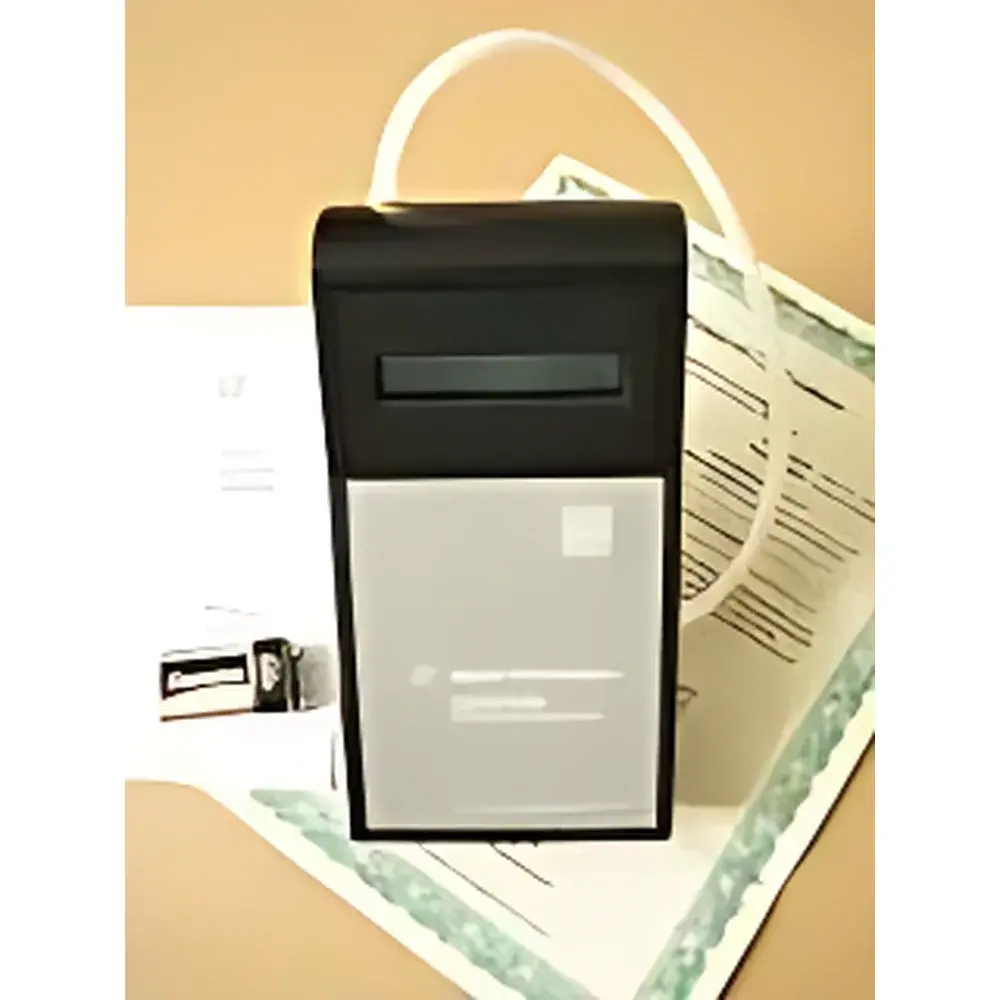
The Agilent ADM 1000 Digital Electronic Flow Meter is a portable, battery-powered volumetric flow measurement instrument engineered for precision and reliability in gas chromatography (GC) laboratories. Unlike mass flow meters that require gas-specific calibration factors, the ADM 1000 employs a thermal dispersion-based sensing principle to deliver consistent volumetric flow readings across a broad spectrum of clean, dry, non-corrosive gases—including nitrogen, hydrogen, helium, air, carbon dioxide, methane, and common carrier gas mixtures—without recalibration. Its design adheres to fundamental principles of thermal anemometry: gas flowing past a heated sensor element induces convective cooling proportional to volumetric flow rate under fixed temperature and pressure conditions. This enables direct mL/min readout independent of gas composition, eliminating the need for manual correction factors during method transfers or multi-gas workflows. The device is calibrated at five points against NIST-traceable primary standards, ensuring metrological integrity compliant with ISO/IEC 17025 requirements for laboratory measurement equipment.
Key Features
- Volumetric flow measurement from 0.5 to 1000 mL/min with accuracy of ±3% of reading or ±0.2 mL/min (whichever is greater)
- Portable, handheld form factor powered by a single 9 V alkaline battery (typical operational life >100 hours)
- NIST-traceable 5-point calibration certificate supplied with each unit, supporting audit readiness for GLP and GMP environments
- Wide line temperature tolerance (–70 to +135 °C), enabling use with cryogenic or high-temperature GC inlet lines
- CE-marked for conformity with EU electromagnetic compatibility (EMC) and low-voltage directives
- No external power supply or data interface required—ideal for field verification, column installation checks, and routine GC system diagnostics
- Robust aluminum housing with integrated ergonomic grip and backlit LCD display for clear visibility in low-light lab settings
Sample Compatibility & Compliance
The ADM 1000 is validated for use with clean, dry, non-corrosive gases only. It is not suitable for vapors containing condensables, particulates, or reactive species such as HCl, Cl₂, NH₃, or H₂S. For compliance-critical applications—including pharmaceutical QC labs operating under FDA 21 CFR Part 11 or ISO 17025 accreditation—the instrument supports documented calibration traceability and provides stable, repeatable measurements essential for method validation protocols. While the ADM 1000 itself lacks electronic audit trail functionality, its calibration records and usage logs can be maintained manually or integrated into laboratory information management systems (LIMS) as part of broader instrument qualification (IQ/OQ/PQ) documentation.
Software & Data Management
The ADM 1000 operates as a standalone, zero-software device with no embedded firmware update capability or digital data export. All measurements are displayed in real time on the integrated LCD screen and must be recorded manually. This architecture eliminates cybersecurity vulnerabilities associated with networked instrumentation and ensures uninterrupted operation in regulated environments where software validation overhead is prohibitive. For users requiring digital data capture, Agilent offers the ADM 2000 and ADM 2000E variants equipped with RS-232 serial output and optional PC software for automated logging, trend analysis, and CSV export—compatible with standard terminal emulators and third-party data acquisition platforms.
Applications
- Verification of carrier gas flow rates at GC inlet modules (split/splitless injectors, PTV, cool-on-column)
- Calibration and performance verification of electronic pressure control (EPC) systems
- Validation of column flow profiles during method development and transfer
- Real-time分流 ratio monitoring at split vents using dual-flow comparison techniques
- Installation qualification of capillary columns, guard columns, and restrictor tubing
- Routine maintenance checks for leaks, regulator drift, or flow controller degradation
- Field service support for Agilent, Varian, J&W, and SGE GC systems
FAQ
Is the ADM 1000 suitable for measuring corrosive or humid gases?
No. The sensor is designed exclusively for clean, dry, non-corrosive gases. Exposure to moisture, condensables, or reactive species will degrade sensor performance and void calibration validity.
Does the ADM 1000 require recalibration when switching between nitrogen and helium?
No. Its volumetric measurement principle eliminates gas-specific correction factors—readings remain valid across all compatible gases without adjustment.
Can I connect the ADM 1000 to a computer for data logging?
Not directly. The ADM 1000 has no data port. For RS-232 connectivity and automated logging, select the ADM 2000 or ADM 2000E model.
What is the recommended calibration interval?
Agilent recommends annual calibration or prior to critical method validation studies. Calibration should be performed by an accredited laboratory using NIST-traceable reference standards.
How does the ADM 1000 differ from mass flow meters like Alicat or Brooks?
Mass flow meters report standardized flow (e.g., sccm) based on gas-specific thermal properties and require individual calibration per gas type. The ADM 1000 reports actual volumetric flow (mL/min) at ambient conditions—making it ideal for GC applications where physical flow rate—not mass equivalence—is the operational parameter.